
Arizona, a land of captivating contrasts, beckons travelers with its majestic canyons, expansive deserts, towering mountains, and vibrant cities. Often associated with scorching summer heat, the state actually boasts a remarkably diverse climate that dictates vastly different experiences depending on the season and specific region you choose to explore. Deciding the “best” time to visit Arizona hinges entirely on your personal preferences, desired activities, and tolerance for crowds or extreme temperatures. Whether you dream of hiking through ancient landscapes, golfing under a warm winter sun, or witnessing the desert bloom, understanding Arizona’s seasonal rhythms is key to planning an unforgettable trip.
Understanding Arizona’s Diverse Climate
Arizona’s topography creates a fascinating mosaic of microclimates, dividing the state into distinct climatic zones. This geographical diversity is what makes “when to go” such a crucial question.
The Desert Southwest: Phoenix, Tucson, Yuma
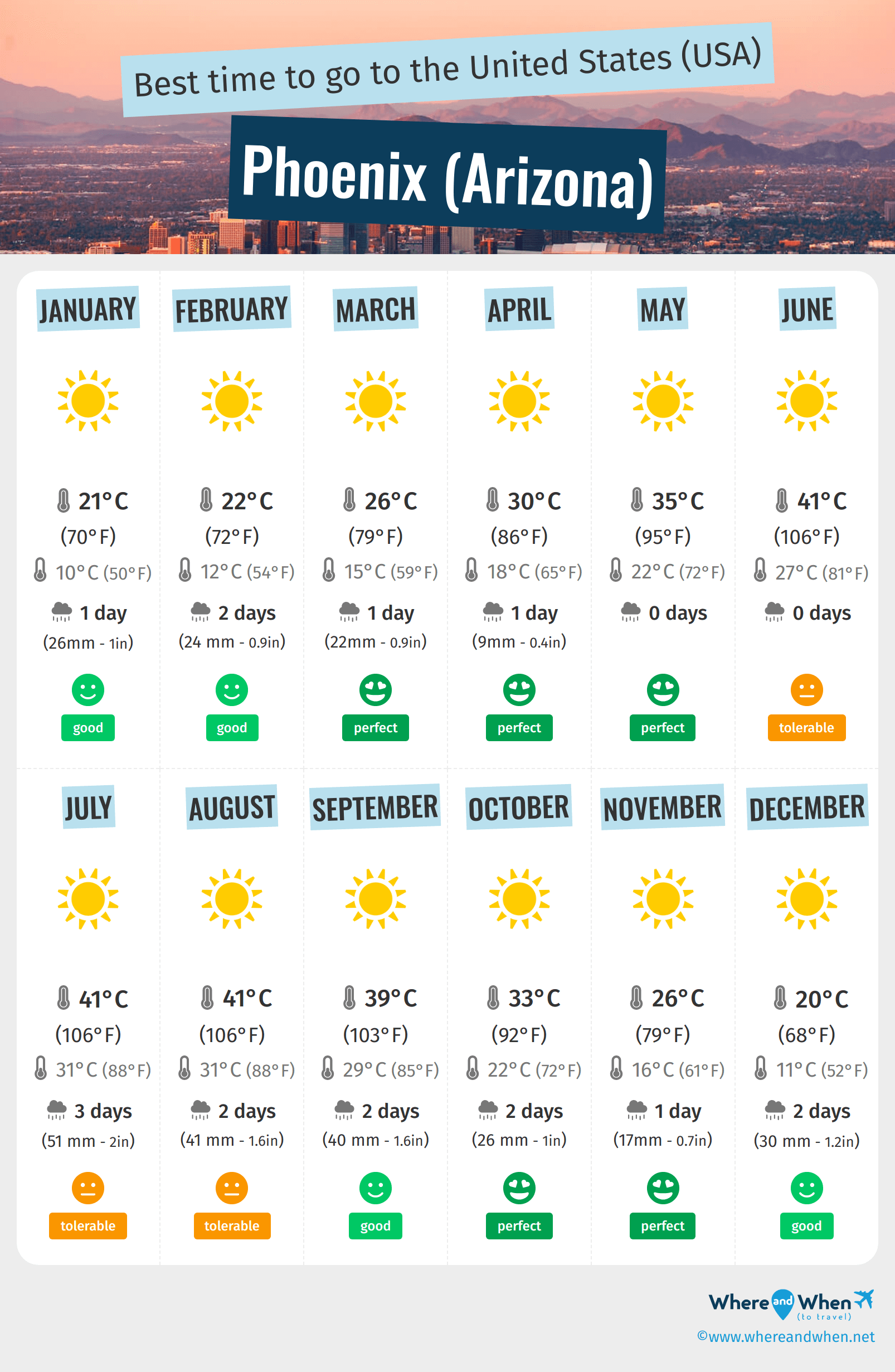
The southern and western parts of Arizona, encompassing major cities like Phoenix, Tucson, and Yuma, are characterized by their arid desert climate. This region is famous for its extremely hot summers, with temperatures frequently soaring above 100°F (38°C) from June through September. However, these areas experience delightfully mild winters, making them prime destinations for snowbirds and those seeking an escape from colder climes. The Sonoran Desert, home to the iconic Saguaro cactus, is particularly stunning in spring when wildflowers burst into bloom. Humidity is generally low, even during the summer, but the intensity of the sun demands respect and careful hydration. Monsoon season typically arrives in late summer (July and August), bringing dramatic, short-lived thunderstorms that can offer a temporary reprieve from the heat and create stunning sky displays.
The High Country: Flagstaff, Sedona, Grand Canyon
Moving northward and eastward, Arizona’s elevation steadily climbs, leading to a drastically different climate in what’s known as the “high country.” Destinations such as Flagstaff, Sedona, and the Grand Canyon experience all four seasons. Winters here are cold and snowy, attracting skiers and winter sports enthusiasts. Summers are pleasantly warm during the day and cool at night, providing a welcome escape from the desert heat. Spring and fall offer crisp air, clear skies, and vibrant scenery – from blooming wildflowers in spring to breathtaking fall foliage. The temperature difference between the high country and the desert can be substantial, often 20-30 degrees Fahrenheit (10-17 degrees Celsius) or more on any given day, underscoring the importance of regional planning.
Seasonal Breakdown: Pros and Cons
Each season in Arizona presents a unique set of advantages and challenges, influencing crowd levels, activity options, and pricing.
Winter (December – February): Ideal for Desert Exploration
Winter is undoubtedly the peak season for visiting Arizona’s desert regions. Temperatures in Scottsdale, Phoenix, and Tucson are comfortably mild, often hovering in the 60s and 70s Fahrenheit (15-25°C) during the day, perfect for hiking, golfing, and exploring outdoor attractions without the oppressive heat. This is when the desert comes alive with visitors seeking sunshine. Consequently, accommodation and flight prices can be higher, and popular attractions might be more crowded.
In the high country, winter transforms the landscape into a snowy wonderland. Flagstaff becomes a hub for skiing and snowboarding, while the Grand Canyon offers a serene, snow-dusted vista, often with fewer crowds. Some roads and trails in higher elevations may be closed due to snow, so it’s essential to check conditions beforehand. Witnessing the Grand Canyon with a blanket of snow is a truly magical experience, though some services might be limited.
Spring (March – May): Wildflowers and Pleasant Temps Across the State
Spring is another incredibly popular time to visit Arizona, offering a sweet spot of pleasant temperatures statewide. The desert erupts with a spectacular display of wildflowers, making areas like Saguaro National Park and the Sonoran Desert particularly captivating. Temperatures are warm but not yet scorching in the desert, while the high country begins to thaw, revealing stunning landscapes ready for hiking and exploration. This period is ideal for experiencing diverse attractions from the saguaro forests to the red rocks of Sedona and the vastness of the Grand Canyon.
However, spring, especially March and April, coincides with Spring Break and numerous events, leading to peak tourist numbers. Expect higher prices for hotels and flights, and prepare for crowds at popular sites. Booking well in advance is highly recommended for spring travel.
Summer (June – August): High Country Escape or Budget Desert Travel
Summer in Arizona means intense heat in the desert regions. Temperatures regularly exceed 100°F (38°C), making outdoor activities challenging, especially during midday. However, this is also the low season for the desert, which can translate into significant discounts on hotels and resorts. Early morning or late evening activities are still feasible, and many resorts offer luxurious pools and indoor attractions to beat the heat. It’s a great time for an Arizona staycation if you live locally, or for budget-conscious travelers willing to brave the heat for a good deal.
Conversely, summer is prime time for the high country. Destinations like Flagstaff, the Grand Canyon, and Sedona offer a refreshing escape from the heat, with comfortable daytime temperatures in the 70s and 80s Fahrenheit (20s-30s°C). This makes the high country very popular, leading to higher prices and crowded conditions. The latter part of summer often brings the monsoon season, characterized by dramatic afternoon thunderstorms that can be spectacular but also bring flash flood risks.
Fall (September – November): Golden Hues and Comfortable Transitions
Fall is another fantastic time to visit Arizona, offering a pleasant transition from summer’s heat to winter’s cool. Early fall in the desert still sees warm temperatures, but by October and November, conditions become wonderfully mild and comfortable, similar to spring but often with fewer crowds. The high country showcases stunning fall foliage, particularly in areas around Flagstaff, Payson, and Oak Creek Canyon, making it a visually spectacular time for scenic drives and hiking.
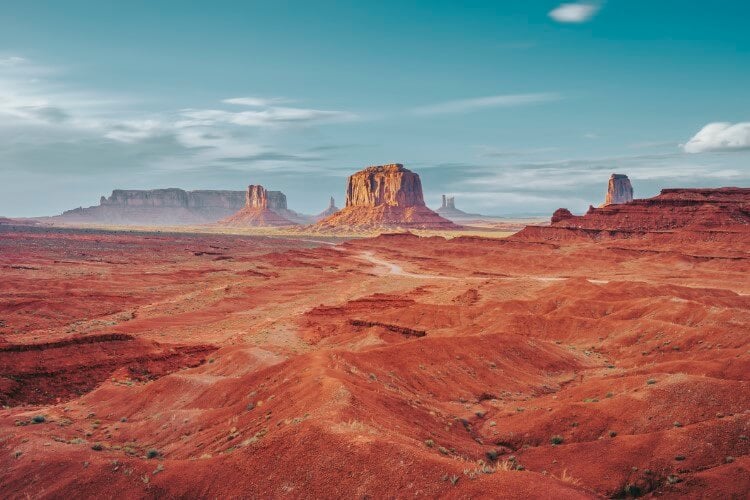
Crowds tend to be moderate, falling between the peak seasons of spring and winter. Prices for accommodation and flights can be more reasonable than during peak periods, making fall an excellent option for those seeking comfortable weather and a balance of activity and relaxation. The cooler desert temperatures are perfect for longer hikes, and the vibrant colors in the north provide a beautiful backdrop for exploration.
Tailoring Your Trip to Your Interests
The “best” time truly depends on what you want to do in Arizona.
For Outdoor Enthusiasts and Hikers
If your primary goal is hiking, mountain biking, or exploring Arizona’s natural wonders, spring and fall are generally ideal. For desert trails (e.g., in Phoenix Mountains Preserve or Catalina State Park), late fall through early spring (October to April) offers the most comfortable temperatures. For high-country trails in the Grand Canyon, Sedona, or Flagstaff, late spring (May-June) and early fall (September-October) provide pleasant weather without extreme heat or significant snow cover. Summer can be suitable for high-elevation hiking but requires early starts and awareness of afternoon thunderstorms.
For City Explorers and Golfers
Winter (December to February) is the undisputed best time for city exploration and golf in the desert regions. Scottsdale and Phoenix transform into premier destinations for golf tournaments, outdoor dining, and vibrant cultural events, all under a benevolent sun. The mild temperatures are perfect for strolling through art districts, visiting museums, and enjoying patio dining. Prices reflect this popularity, so booking in advance is crucial.
For Family Vacations
Families often find spring and fall to be excellent times for an Arizona adventure. Spring Break offers a chance to see wildflowers and enjoy pleasant weather before summer heat sets in. Summer can be a good option for families focusing on the high country, with cooler temperatures and plenty of family-friendly activities, but expect crowds. During winter, families can enjoy the mild desert weather and holiday festivities, or head north for snow play. Many resorts offer excellent kid-friendly amenities year-round.
For Budget Travelers
Budget-conscious travelers will find the best deals in the desert during the summer months (June-August). Hotel rates plummet, and many resorts offer enticing packages to attract visitors despite the heat. While outdoor activities are limited to early mornings or evenings, it’s an opportunity to experience luxurious resorts at a fraction of the cost. Late fall and early winter (before the peak holiday rush) can also offer slightly lower prices and comfortable weather across the state, though not as dramatic as summer desert discounts.
Key Considerations for Planning Your Arizona Adventure
Beyond just the weather, several factors will influence your timing and enjoyment of an Arizona trip.
Crowds and Popularity
Arizona is a hugely popular tourist destination, and crowd levels fluctuate significantly with the seasons. Spring (especially March and April) and winter (December to February) are peak seasons, particularly in the desert. Expect crowded trails, longer waits at attractions, and bustling city centers. Summer sees fewer crowds in the desert but very high numbers in the high country. Fall offers a good balance, with generally fewer tourists than spring. If you prefer solitude, consider visiting during the shoulder seasons or exploring lesser-known gems like Canyon de Chelly National Monument or Organ Pipe Cactus National Monument.
Accommodation and Flight Prices
Unsurprisingly, prices for flights and lodging mirror crowd levels. Peak seasons (winter in the desert, summer in the high country, and spring statewide) will command the highest prices. Booking several months in advance is essential during these times to secure reasonable rates and availability, particularly for popular spots like Page, home to Antelope Canyon. Conversely, summer in the desert offers the most significant savings. Flexibility with your travel dates, even by a week or two, can sometimes lead to substantial savings.
Local Events and Festivals
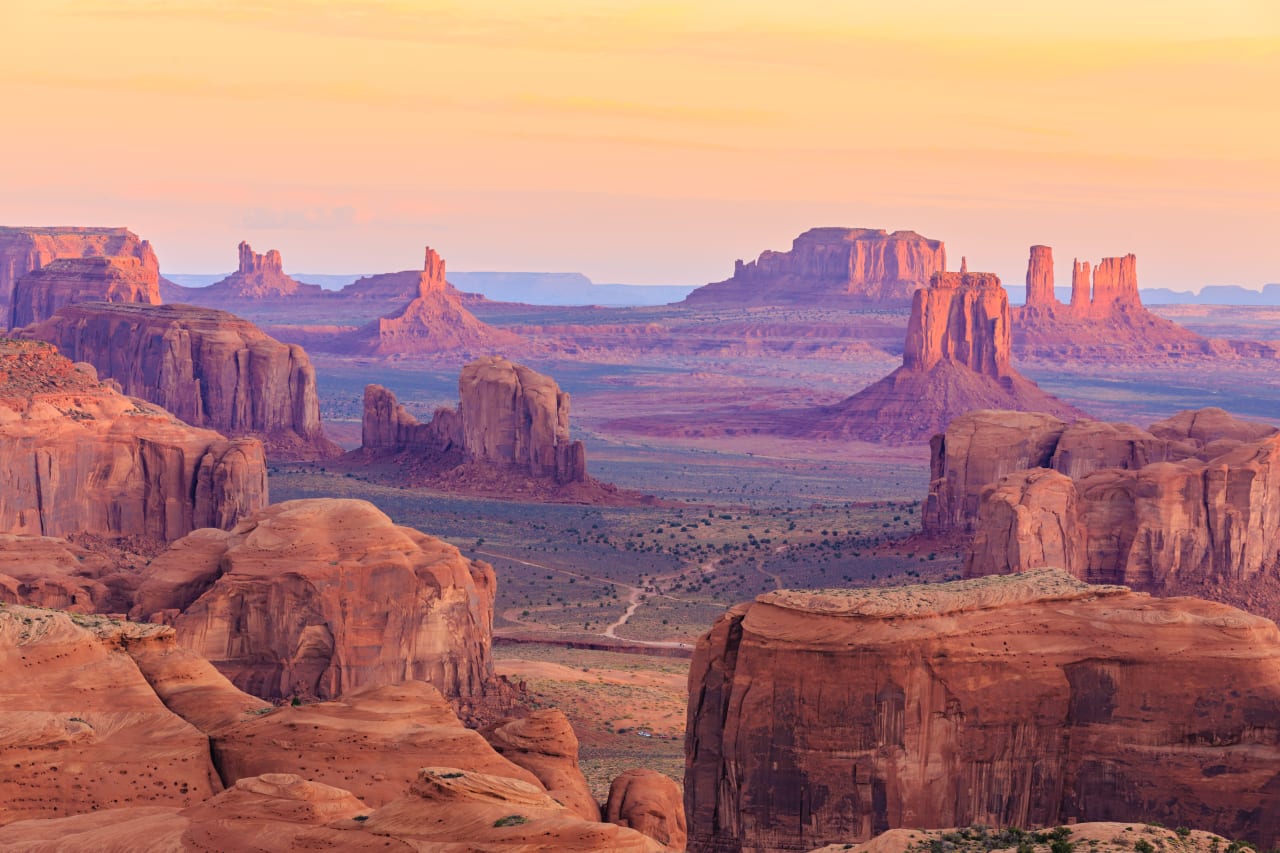
Arizona hosts a vibrant array of events throughout the year that might influence your travel dates. From the Scottsdale Arabian Horse Show in February to the Tucson Gem & Mineral Show also in February, and various spring training baseball games, specific events can draw huge crowds and impact prices and availability. If you wish to attend a particular event, plan your trip around it. Conversely, if you wish to avoid crowds, research upcoming major events before finalizing your dates. Other notable attractions include Monument Valley, Lake Havasu City, and the mystical blue-green waters of Havasupai.
Weather Preparedness
No matter when you visit Arizona, come prepared for its unique climate. In the desert, hydration is paramount year-round, but especially during warmer months. Carry plenty of water, wear sun protection (hats, sunglasses, sunscreen), and dress in light, breathable layers. Even in winter, the sun can be intense. For the high country, always pack layers, as temperatures can drop significantly from day to night, even in summer. If visiting in winter, be prepared for snow and icy conditions, particularly on roads leading to the Grand Canyon. Always check local weather forecasts and road conditions before heading out, especially if venturing into remote areas or national parks like Petrified Forest National Park or Chiricahua National Monument. Even underground wonders like Kartchner Caverns State Park maintain a consistent cool temperature, making them excellent escapes.
In conclusion, there isn’t one single “best” time to visit Arizona, as the ideal period is deeply personal. By understanding the state’s diverse climate, seasonal characteristics, and matching them to your interests and budget, you can perfectly time your visit to this magnificent corner of the American Southwest. Whether you seek the tranquility of a snowy canyon, the vibrant hues of a desert spring, the cool refuge of mountain forests, or the golden glow of an autumn landscape, Arizona offers a compelling experience in every season.
LifeOutOfTheBox is a participant in the Amazon Services LLC Associates Program, an affiliate advertising program designed to provide a means for sites to earn advertising fees by advertising and linking to Amazon.com. Amazon, the Amazon logo, AmazonSupply, and the AmazonSupply logo are trademarks of Amazon.com, Inc. or its affiliates. As an Amazon Associate we earn affiliate commissions from qualifying purchases.