
Deciding the optimal time to visit Chicago, Illinois, largely depends on your travel priorities and what you hope to experience in the Windy City. Each season offers a distinct charm, from bustling summer festivals to serene winter landscapes. Understanding the seasonal nuances will help you plan an unforgettable trip to this vibrant metropolis.
Spring: Awakening City Charm (April–May)
Spring in Chicago is a period of transition, as the city sheds its winter coat and blossoms with new life. This season offers a refreshing experience for travelers who appreciate milder weather and fewer crowds than the peak summer months.

Pros: Mild Weather, Festivals Begin
As April gives way to May, temperatures become increasingly pleasant, often ranging from the 50s to 70s Fahrenheit (10-21°C). The crisp air is ideal for exploring outdoor attractions without the oppressive heat of summer. Trees begin to bud, and parks like Millennium Park and Grant Park regain their lush greenery. Early spring also marks the beginning of Chicago’s extensive festival season, with smaller, local events providing a taste of the city’s vibrant cultural scene before the major summer blockbusters. Hotel rates and airfares tend to be more moderate than in summer, offering better value for budget-conscious travelers.
Cons: Unpredictable Forecasts, Lingering Chill
While generally mild, spring weather in Chicago can be notoriously unpredictable. Visitors might encounter anything from warm, sunny days to sudden cold snaps, rain, or even late-season snow flurries, particularly in April. Layers are essential for a spring trip. Outdoor activities like boat tours on the Chicago River might not be fully operational until late April or early May, and the Lake Michigan breeze can still carry a significant chill, especially in the evenings.
Key Attractions & Activities
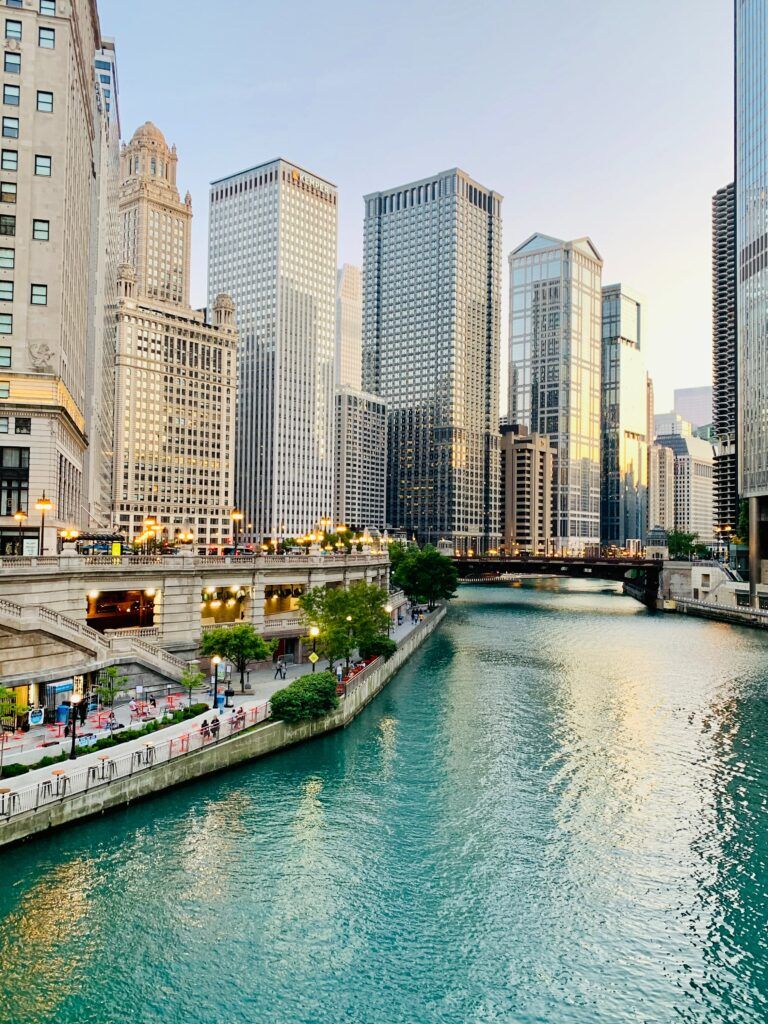
Spring is excellent for visiting Chicago’s world-class museums, such as the Art Institute of Chicago, the Field Museum, and the Shedd Aquarium, especially during cooler or rainy days. Strolling along the Chicago Riverwalk becomes enjoyable as cafes and restaurants reopen their outdoor seating. Consider an architectural boat tour with companies like the Chicago Architecture Foundation Center River Cruise once they resume full operation. The Lincoln Park Zoo is also a lovely place for a spring walk, offering free admission.
Summer: Vibrant & Bustling (June–August)
Summer is undeniably Chicago’s peak tourist season, drawing millions with its warm weather, abundant sunshine, and an unparalleled lineup of outdoor festivals and events.
Pros: Warm Weather, Peak Festival Season, Outdoor Activities
From June through August, Chicago truly comes alive. Temperatures typically range from the high 70s to low 90s Fahrenheit (24-32°C), perfect for enjoying Lake Michigan beaches, boat tours, and al fresco dining. The city hosts a seemingly endless array of festivals, including the Chicago Blues Festival, Taste of Chicago, and the internationally renowned Lollapalooza. Baseball fans can catch a game at Wrigleyville, home of the Chicago Cubs, or at Guaranteed Rate Field for the Chicago White Sox. Navy Pier is buzzing with activity, offering carnival rides and fireworks displays twice a week.
Cons: Crowds, Higher Prices, Humidity
The popularity of summer comes with its drawbacks. Tourist attractions like Cloud Gate (The Bean) in Millennium Park and observation decks such as the Skydeck Chicago at Willis Tower or 360 Chicago Observation Deck at the 875 North Michigan Avenue (formerly John Hancock Center) can be very crowded, often requiring advance booking or long wait times. Hotel rates and airfares reach their peak, making accommodation more expensive. The weather, while warm, can also be quite humid, and occasional thunderstorms are not uncommon. Planning ahead and booking well in advance is crucial for summer visits.
Key Attractions & Activities
Maximize outdoor time by exploring the Magnificent Mile for shopping, taking an architectural boat tour along the Chicago River, or relaxing at Oak Street Beach. Catch an outdoor concert in Pritzker Pavilion at Millennium Park, or enjoy a picnic in Grant Park near Buckingham Fountain. The Museum Campus, home to the Field Museum, Shedd Aquarium, and Adler Planetarium, is a must-visit, offering a full day of exploration for all ages.
Autumn: Picturesque & Pleasant (September–October)
Many seasoned travelers consider autumn to be the absolute best time to visit Chicago. The weather is often sublime, the summer crowds begin to dissipate, and the city takes on a beautiful autumnal glow.
Pros: Crisp Air, Fall Foliage, Fewer Crowds, Excellent for Sightseeing
September and October bring a delightful combination of mild temperatures (often 50s-70s Fahrenheit or 10-21°C), low humidity, and clear skies. The changing leaves paint the city’s parks and tree-lined streets in hues of red, orange, and gold, creating a picturesque backdrop for exploration. With schools back in session, the large summer crowds thin out significantly, leading to shorter lines at attractions and more comfortable dining experiences. This shoulder season also sees a dip in hotel prices compared to summer, offering a sweet spot for value and enjoyment.
Cons: Shorter Days, Cooler Evenings
The main downsides of autumn are the progressively shorter daylight hours and cooler evenings, especially as October progresses. While daytime temperatures are pleasant, visitors should be prepared for chilly mornings and evenings, requiring light jackets or sweaters. Some seasonal outdoor attractions or specialized tours might begin to scale back their operations towards the end of October.
Key Attractions & Activities
Autumn is perfect for architectural boat tours, which continue into October and offer stunning views of the city’s skyline against the fall colors. Explore neighborhoods like Lincoln Park and Old Town on foot, enjoying the vibrant atmosphere. Iconic landmarks such as the Willis Tower and 360 Chicago Observation Deck offer clearer views on crisp autumn days. The Chicago Marathon often takes place in October, bringing an exciting buzz to the city, even for non-runners. Farmers’ markets are still abundant, offering local produce and crafts.
Winter: Festive & Unique (November–March)
Winter in Chicago is not for the faint of heart, but it offers a unique and often magical experience for those who brave the cold. The city transforms into a festive wonderland, especially during the holiday season.
Pros: Holiday Spirit, Winter Sports, Fewer Tourists, Lower Prices
From late November through December, Chicago shines with holiday cheer. The Magnificent Mile Lights Festival kicks off the season, followed by the enchanting Christkindlmarket in Daley Plaza and various outdoor ice skating rinks in Millennium Park and Maggie Daley Park. Indoor attractions like museums and theaters provide a warm refuge. January and February see the fewest tourists, meaning significantly shorter lines and often the lowest hotel and airfare prices of the year. It’s an ideal time for a cozy, museum-focused trip or to experience the city’s renowned culinary scene without the crowds.
Cons: Cold Temperatures, Snow, Limited Outdoor Options
The most significant challenge of a Chicago winter is the weather. Temperatures often hover below freezing (0°C or 32°F), with wind chills making it feel much colder. Snowfall is common, and while picturesque, it can disrupt travel plans. Many outdoor attractions, like boat tours, are completely closed. Exploring the city primarily involves moving between indoor heated spaces, which might not appeal to all travelers.
Key Attractions & Activities
Embrace the festive spirit by visiting Christkindlmarket, ice skating at the McCormick Tribune Ice Rink or Skating Ribbon, and marveling at the holiday lights along the Magnificent Mile. The city’s theater district is in full swing, offering Broadway shows and local productions. Spend time exploring the vast collections at the Art Institute of Chicago, the Field Museum, and the Museum of Science and Industry. Winter is also an excellent time to indulge in Chicago’s diverse culinary landscape, from deep-dish pizza to Michelin-starred restaurants.
Making Your Decision: Considerations for Every Traveler
- For Festival Lovers & Beachgoers: Summer (June-August) is your prime time, despite the crowds and higher costs.
- For Budget Travelers & Culture Enthusiasts: Spring (April-May) or late Autumn (October-November) offer a good balance of pleasant weather, fewer crowds, and more affordable prices. Winter (January-March) provides the lowest prices but requires bundling up.
- For Sightseeing & Photography: Autumn (September-October) is ideal for crisp views, comfortable walking weather, and stunning fall foliage.
- For Holiday Cheer & Unique Experiences: Early Winter (late November-December) offers a magical, festive atmosphere, perfect for those who don’t mind the cold.
- For Business Travel: Major conventions are often held at McCormick Place throughout the year, so check the convention calendar as these events can significantly impact hotel availability and prices regardless of the season.
Ultimately, there’s no single “best” time to visit Chicago. The city’s dynamic appeal shifts with the seasons, offering a different set of experiences and advantages throughout the year. By aligning your preferences with what each season offers, you can tailor your trip to enjoy Chicago at its finest for you.
LifeOutOfTheBox is a participant in the Amazon Services LLC Associates Program, an affiliate advertising program designed to provide a means for sites to earn advertising fees by advertising and linking to Amazon.com. Amazon, the Amazon logo, AmazonSupply, and the AmazonSupply logo are trademarks of Amazon.com, Inc. or its affiliates. As an Amazon Associate we earn affiliate commissions from qualifying purchases.