
Living in California comes with a distinct set of lifestyle considerations, especially for vehicle owners. Among the most prominent of these is the state’s rigorous Smog Check program. Designed to curb air pollution and maintain California’s environmental quality, understanding the frequency and requirements of these checks is an essential part of responsible car ownership in the Golden State. For residents, new arrivals, or even those considering a move, knowing when and why your vehicle needs to undergo a smog inspection is crucial for seamless registration and compliance.
Navigating California’s Essential Smog Check Program
California boasts one of the most comprehensive vehicle emissions testing programs in the United States. The Smog Check program is a pivotal component of the state’s strategy to improve air quality, particularly in its dense urban areas and valleys prone to atmospheric inversions. By identifying vehicles that emit excessive pollutants, the program ensures that cars on the road meet stringent emissions standards, contributing significantly to cleaner air for everyone.
The Environmental Imperative
The impetus behind California’s Smog Check program dates back decades, driven by persistent air quality challenges in regions like the Los Angeles basin and the Central Valley. These areas, often characterized by heavy traffic and unique geographical features, can experience severe smog events without strict controls. Vehicle emissions are a major contributor to ground-level ozone, particulate matter, and other harmful pollutants. The Smog Check program directly targets these sources, aiming to reduce hydrocarbons, carbon monoxide, and nitrogen oxides released into the atmosphere, safeguarding public health and ecosystems. It’s a testament to California’s pioneering role in environmental protection, setting standards often adopted by other states and even nations.
Key Players and Oversight
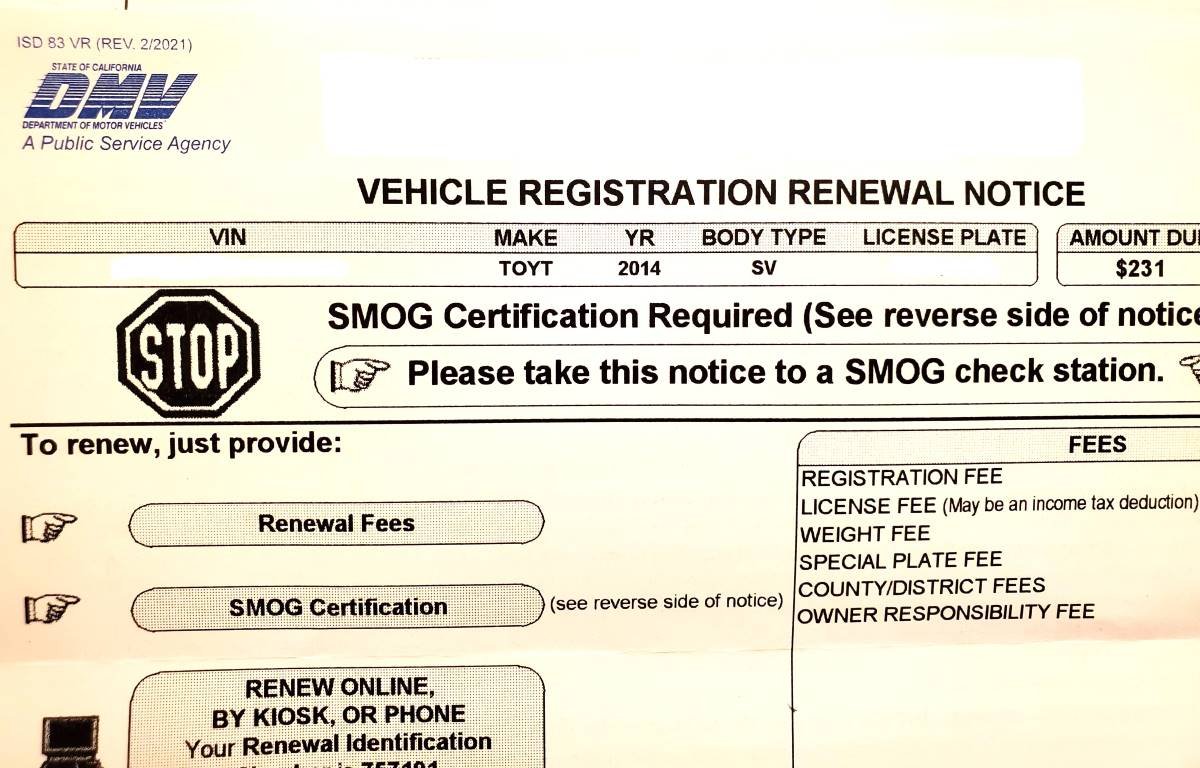
The administration and enforcement of the Smog Check program involve several state agencies. The California Department of Motor Vehicles (DMV) is the primary agency responsible for vehicle registration and, consequently, for requiring proof of a valid smog certificate before a vehicle can be registered or have its registration renewed. The technical aspects of the program, including setting standards for testing equipment, certifying smog technicians, and overseeing smog check stations, fall under the purview of the California Bureau of Automotive Repair (BAR). The BAR also manages the Consumer Assistance Program (CAP), which offers financial assistance for eligible low-income motorists to repair or retire their high-polluting vehicles. This multi-agency approach ensures a robust system for monitoring and managing vehicle emissions across the state.
Understanding Smog Check Frequency and Triggers
The core question for any California car owner is “how often?” The answer isn’t a simple one-size-fits-all, as several factors can trigger a smog check requirement. Being aware of these triggers is essential for staying compliant and avoiding delays in vehicle registration.
Biennial Requirement for Most Vehicles
For the vast majority of vehicles registered in California, a smog check is required every two years as part of the biennial registration renewal process. The DMV will send a registration renewal notice, which will explicitly state if a smog check is required. It’s important to complete the smog check well in advance of your registration expiration date, as the results are electronically transmitted to the DMV, and your registration cannot be processed without a passing certificate on file. This two-year cycle ensures regular monitoring of a vehicle’s emissions performance throughout its operational life.
Change of Ownership
Another significant trigger for a smog check is a change of ownership. When a vehicle is sold in California, the seller is generally responsible for ensuring the vehicle has a valid smog certificate before completing the sale. The certificate must be less than 90 days old at the time of transfer. This requirement protects the buyer from inheriting an immediate emissions compliance issue and helps ensure that vehicles being transferred between owners meet current standards. There are some exceptions, such as transferring ownership between immediate family members, but for most sales, a smog check by the seller is mandatory.
Out-of-State Vehicles Moving to California
If you are new to California and bringing a vehicle from another state, you will need to obtain an initial smog check as part of the process to register your vehicle in California for the first time. This applies even if your vehicle recently passed an emissions test in your previous state. California’s standards are unique and often more stringent. This one-time requirement ensures that all vehicles operating on California roads meet the state’s specific environmental criteria from the outset.
Exemptions: Who Doesn’t Need a Smog Check?
While the Smog Check program is broad, there are several exemptions:
- Newer Vehicles: Generally, vehicles that are eight model years old or newer are exempt from the biennial smog check for registration renewal purposes. Owners of these vehicles pay a “smog abatement fee” with their annual registration. However, these newer vehicles are not exempt from smog checks required for a change of ownership or for initial registration of an out-of-state vehicle.
- Older Vehicles: Vehicles manufactured in 1975 or older are exempt from smog checks. This is because these older vehicles were manufactured before modern emissions control technologies were widely implemented, and subjecting them to current standards would be impractical.
- Electric and Alternative Fuel Vehicles: Electric vehicles, natural gas-powered vehicles over 14,000 lbs GVWR, and motorcycles are exempt.
- Diesel Vehicles: Diesel-powered vehicles are exempt if they are a 1997 model year or older OR have a Gross Vehicle Weight Rating (GVWR) of over 14,000 lbs. Newer, lighter diesel vehicles do require smog checks.
- Specialty Vehicles: Some specialty vehicles, like trailers and off-road vehicles, are also exempt.
It’s always wise to check with the DMV or BAR website if you’re unsure about your vehicle’s specific exemption status.
The Smog Check Process: What to Expect
Once you’ve determined your vehicle needs a smog check, the process itself is relatively straightforward. Understanding the steps can alleviate any potential stress.
Locating a Certified Smog Station
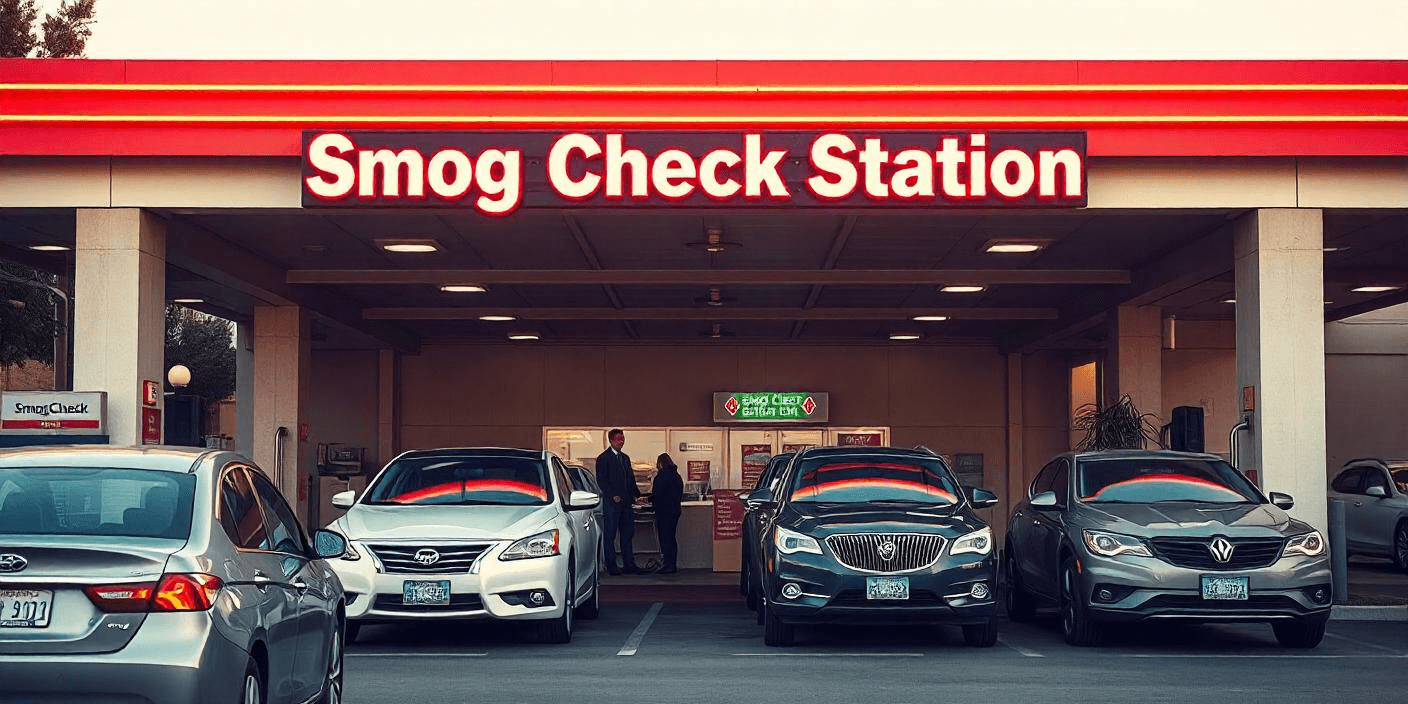
Smog checks must be performed at a state-licensed and certified smog check station. These facilities are easily identifiable by signs displaying the official “Smog Check” logo. You can find a station near you by searching online or using the BAR’s online station locator. Some vehicles may be required to get their smog check specifically at a STAR station. These stations meet higher performance standards set by the BAR and are typically required for “gross polluters” (vehicles that have previously failed a smog check with very high emissions) or for a certain percentage of randomly selected vehicles. If your DMV renewal notice indicates you need a STAR station, ensure you go to one.
The Inspection: Visual, Functional, and Emissions
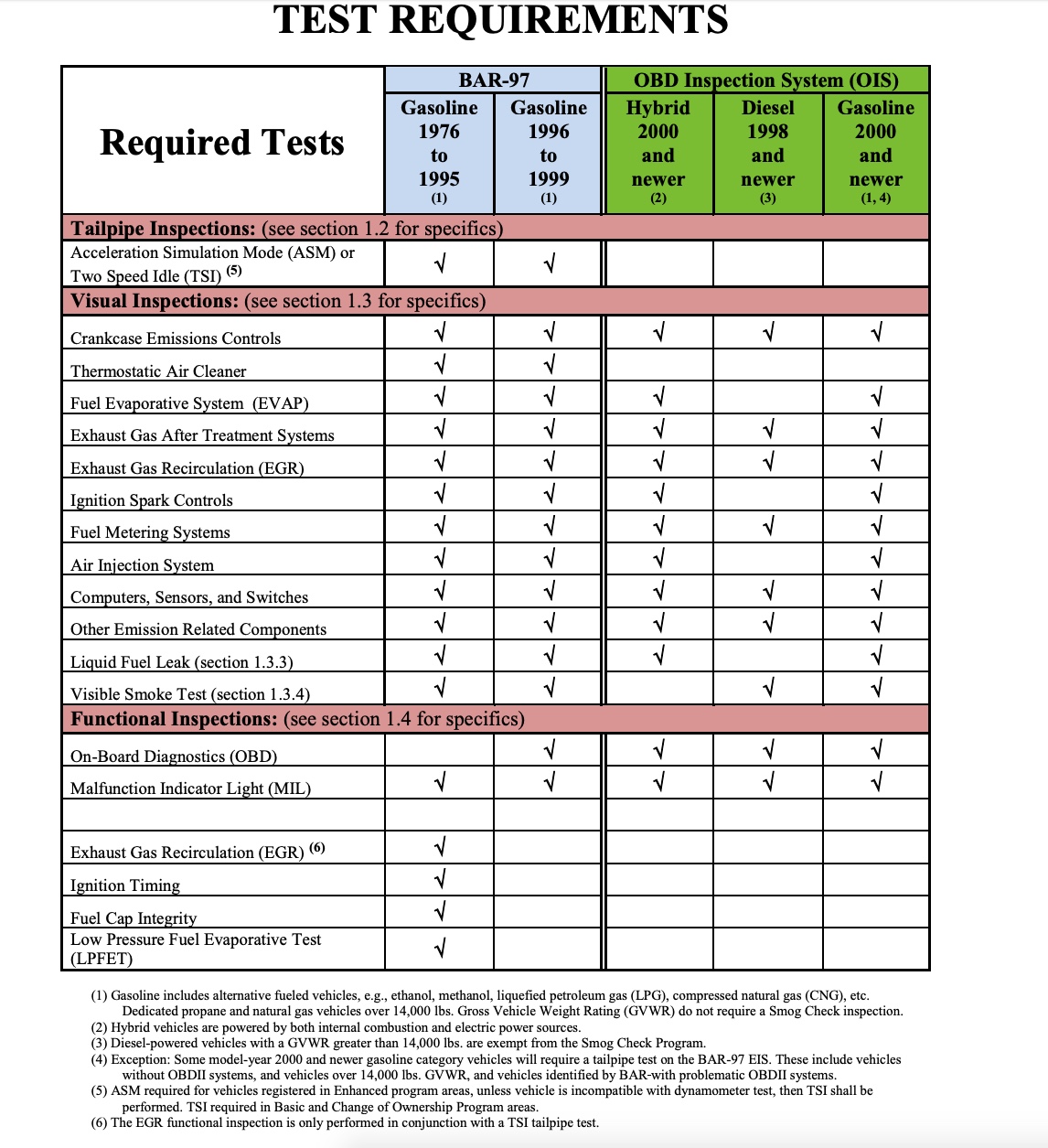
A smog check is more than just an exhaust pipe test. It’s a comprehensive inspection that typically includes three main components:
- Visual Inspection: The technician will visually inspect various emissions control components to ensure they are present, connected, and not tampered with. This includes checking the catalytic converter, oxygen sensors, exhaust gas recirculation (EGR) valve, and other related parts.
- Functional Inspection: This part checks the proper operation of certain components. For example, the ignition timing may be checked, and the “Check Engine” light’s functionality will be verified (if it’s on, it’s an automatic failure). The evaporative emission (EVAP) system might also be tested for leaks.
- Emissions Test: For most vehicles, this involves connecting the car to an emissions analyzer while it runs on a dynamometer (a treadmill for cars). The analyzer measures the levels of pollutants in the exhaust at various speeds and loads. For newer vehicles (typically 2000 model year and newer), the emissions test is often conducted via an On-Board Diagnostic (OBD) II system check, where the technician connects to the vehicle’s computer to retrieve emissions-related data and trouble codes, negating the need for the dynamometer test.
Pass or Fail: Next Steps
- If you pass: Congratulations! The smog station will electronically submit your passing certificate to the DMV. You can then proceed with renewing your vehicle registration online, by mail, or in person. You will typically receive a paper copy for your records.
- If you fail: Don’t panic. The station will provide you with a Vehicle Inspection Report (VIR) detailing why your vehicle failed. You’ll need to have the necessary repairs performed to bring your vehicle into compliance. The BAR offers resources, including the Consumer Assistance Program (CAP), which can help eligible consumers with financial aid for repairs or even vehicle retirement. Once repairs are made, you’ll need to return to a smog station (often the same one) for a retest. Some stations offer a free or reduced-price retest within a certain timeframe.
Ensuring Compliance and Avoiding Pitfalls
Maintaining your vehicle’s smog check compliance is a vital part of responsible car ownership in California. Neglecting this responsibility can lead to significant inconveniences and penalties.
The Department of Motor Vehicles and Your Vehicle Registration
The link between your smog check and your DMV vehicle registration is absolute. Without a valid, passing smog certificate (where required), the DMV will not allow you to complete your annual vehicle registration renewal. This means you could face late fees, and operating an unregistered vehicle is illegal, potentially leading to citations and further penalties. It’s advisable to get your smog check done several weeks before your registration expiration date to allow ample time for any unforeseen issues or necessary repairs.
Consequences of Non-Compliance
Operating a vehicle with an expired registration due to a missing smog certificate carries several risks. Beyond the fines for late registration, you could be cited by law enforcement for driving an unregistered vehicle. If you’re pulled over, the penalties can include tickets, additional fines, and even the vehicle being impounded in extreme cases. Furthermore, if you attempt to sell a vehicle without a valid smog certificate (when required), you won’t be able to legally transfer the title, making the sale impossible.
Proactive Maintenance for Smog Check Success
One of the best ways to ensure a smooth smog check experience and avoid compliance issues is through proactive vehicle maintenance. Regular oil changes, keeping tires properly inflated, and addressing any mechanical issues promptly can significantly improve your vehicle’s emissions performance. A well-maintained engine is an efficient engine, and efficient engines typically produce fewer pollutants. Addressing minor issues before they become major problems can save you both time and money in the long run, and significantly increase your chances of passing the smog check on the first attempt.
Maximizing Your Chances of Passing
While no guarantee exists, there are several practical steps you can take to increase the likelihood of your vehicle passing the smog check on its first attempt, thereby simplifying your lifestyle in California.
Basic Pre-Checks You Can Do
Before heading to the smog station, consider these simple pre-checks:
- Engine Temperature: Ensure your vehicle is fully warmed up. A cold engine runs rich and may produce higher emissions. Drive for at least 15-20 minutes, including some highway driving, before your appointment.
- Tire Pressure: Make sure your tires are properly inflated. If the test requires the dynamometer, incorrect tire pressure can affect the accuracy of the readings.
- Fluid Levels: Check your oil and coolant levels. Low fluids or old, dirty oil can sometimes impact engine performance.
- Fuel Cap: Ensure your gas cap is securely tightened. A loose gas cap can trigger the “Check Engine” light due to an evaporative emissions system leak, leading to an automatic failure.
Addressing the ‘Check Engine’ Light
This is perhaps the most critical pre-check. If your “Check Engine” light is on, your vehicle will automatically fail the smog check, regardless of its actual emissions. This light indicates that your vehicle’s On-Board Diagnostic (OBD) II system has detected a fault in an emissions-related component. Before your smog check, have the light diagnosed and the underlying issue repaired. It’s also important that once the light is turned off after repairs, you complete several “driving cycles” over a few days. This allows the vehicle’s computer to run all its diagnostic tests and confirm that the issue is resolved, resetting all the readiness monitors necessary for the smog check.
Driving Cycle Considerations
If your vehicle’s battery has recently been disconnected or replaced, or if repairs were made that reset the engine’s computer, the “readiness monitors” within the OBD II system may not be complete. These monitors are self-tests the computer runs to ensure all emissions systems are working correctly. If too many monitors are “not ready,” the vehicle cannot be smog checked. You’ll need to drive the vehicle for a combination of city and highway driving over several days (a “driving cycle”) to allow these monitors to reset. The specific patterns vary by manufacturer, but typically include a mix of cold starts, steady cruising, and deceleration.
By understanding the rules, preparing your vehicle, and addressing potential issues proactively, you can ensure your car remains compliant with California’s Smog Check program, contributing to cleaner air and a hassle-free driving experience in the state.
LifeOutOfTheBox is a participant in the Amazon Services LLC Associates Program, an affiliate advertising program designed to provide a means for sites to earn advertising fees by advertising and linking to Amazon.com. Amazon, the Amazon logo, AmazonSupply, and the AmazonSupply logo are trademarks of Amazon.com, Inc. or its affiliates. As an Amazon Associate we earn affiliate commissions from qualifying purchases.