
Choosing the perfect time to visit Kauai requires a careful balance between weather preferences, crowd levels, and your desire for specific island experiences. Known as the “Garden Isle,” this emerald gem of the Hawaii archipelago offers lush landscapes, dramatic cliffs, and pristine beaches that change character with the seasons. Whether you are chasing the golden sun, looking to avoid the peak tourist rush, or hoping to witness the island’s famous winter surf, understanding the seasonal nuances of this Pacific paradise is essential for planning an unforgettable getaway.
Understanding the Seasonal Climate and Weather Patterns
Kauai experiences a tropical climate that remains warm year-round, but there is a distinct divide between the drier, sunnier seasons and the wetter, more humid months. Generally, the island follows a pattern dictated by the trade winds and the complex topography of the mountainous terrain.
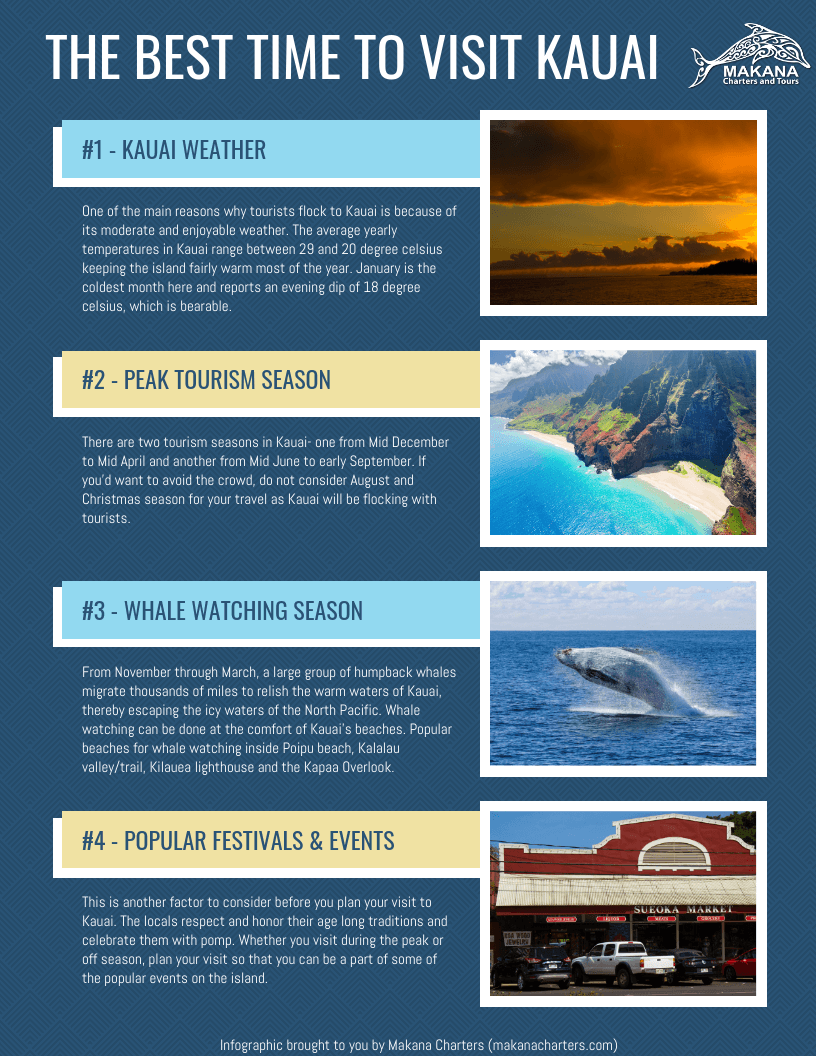
The Dry Season: April Through October
Most travelers agree that the dry season, spanning from April to October, is the most reliable time to visit. During these months, you will experience lower humidity, less frequent rainfall, and an abundance of sunshine. This is the ideal window for outdoor adventures that require clear skies, such as hiking the rugged trails of Waimea Canyon or taking a boat tour along the towering spires of the Na Pali Coast. While the days are consistently warm, the trade winds provide a refreshing breeze, making even the hottest afternoons comfortable.
The Wet Season: November Through March
The wet season, while characterized by higher rainfall, is not necessarily a reason to avoid the island. Much of the precipitation occurs in the mountainous interiors or during short, intense overnight showers that leave the tropical foliage vibrating with color. If you choose to visit during this time, you will find a lush, vibrant landscape that feels more like a primeval rainforest. The northern shore, particularly around Hanalei Bay, tends to see more rain during these months than the southern regions like Poipu, providing travelers with the flexibility to chase the sun by simply choosing their base of operations strategically.
Balancing Crowds and Peak Travel Windows
Your experience on the island is heavily influenced by the volume of other visitors. Identifying the “shoulder seasons” can provide the best possible experience, offering a mix of favorable weather and manageable foot traffic.
Avoiding the Busiest Times
The peak tourist seasons in Kauai align with school holidays and major cultural celebrations. Expect larger crowds and higher prices for airfare and accommodation during the winter holidays from late December through early January, Spring Break in March and April, and the height of summer in July and August. During these times, popular spots like Haena State Park and the Wailua River can become quite congested, requiring early reservations and a more patient approach to sightseeing.

The Sweet Spot: Shoulder Seasons
If your schedule allows for flexibility, aim for the months of May, September, and October. During these periods, the heavy winter tourism has dissipated, and the summer rush has yet to begin or has already faded. You will find that Lihue Airport is less frantic, rental cars are more readily available, and the most sought-after restaurants in Kapaa or Princeville are easier to book. Visiting during these shoulder months often yields better value for your travel budget without compromising on the quality of your outdoor experiences.
Seasonal Activities and Unique Island Experiences
Kauai offers distinct experiences that can only be enjoyed during specific times of the year. Depending on your primary interests, you may want to tailor your trip to align with these natural phenomena.
Winter Waves and Whale Watching
For surfers and ocean enthusiasts, the winter months bring the legendary North Shore swells. While these waves are often too powerful for casual swimming, they offer a spectacular sight at beaches like Tunnels Beach. Furthermore, the winter season is prime time for humpback whale watching. From December through April, these majestic creatures migrate to the warm Hawaiian waters to mate and give birth. Taking a catamaran cruise out of Port Allen during this window provides an excellent chance to witness breaching whales and pods of dolphins in their natural habitat.
Summer Calm and Snorkeling
In contrast, the summer months bring calmer seas, particularly along the North Shore. This is the best time for snorkeling and diving, as the waters around Anini Beach become exceptionally clear and tranquil. If your heart is set on exploring the underwater caves or swimming with sea turtles, the window between June and September offers the most consistent conditions for aquatic exploration.
Strategic Planning for a Seamless Kauai Visit
Regardless of when you choose to travel, success lies in understanding the island’s geography and the logistics of exploration.
Understanding the North vs. South Divide
Kauai is split into distinct microclimates. The North Shore is legendary for its dramatic, rain-drenched cliffs and dense vegetation, which is why it is so beautiful but also why it sees more precipitation. The South Shore is significantly drier and offers more consistent sunshine, making it a reliable destination even during the traditionally wetter months. Planning your trip should involve considering where you want to spend the majority of your time. If you prefer high-energy hiking and lush, scenic vistas, the North Shore is worth the risk of a passing shower. If you prioritize beach lounging and tanning, the South Shore is your best bet.
Necessary Reservations and Preparation
In recent years, Kauai has implemented reservation systems for many of its most popular state parks and landmarks. Regardless of the season, you must plan ahead. If you intend to visit Kokee State Park or secure a parking pass for the iconic trailheads on the North Shore, you should book months in advance. The “best time” to visit is also the time when you have secured the necessary permits and accommodations that fit your travel style.

Final Thoughts on Timing
There is no single “correct” month to visit Kauai, as the island is a year-round destination that adapts to its guests. If you prioritize solitude and budget-friendly pricing, look to the shoulder seasons of May and October. If you want the warmest weather and the calmest oceans, lean toward the heart of summer. If you are an adventurer who finds beauty in winter swells and whale sightings, the colder months offer a different kind of thrill. By aligning your visit with your personal goals—whether that is tranquility, adventure, or optimal weather—you can ensure that your time on this enchanting island is nothing short of magical. Ultimately, the best time to visit Kauai is whenever you can manage to disconnect from the mainland and immerse yourself in the natural rhythm of the Pacific Ocean.
LifeOutOfTheBox is a participant in the Amazon Services LLC Associates Program, an affiliate advertising program designed to provide a means for sites to earn advertising fees by advertising and linking to Amazon.com. Amazon, the Amazon logo, AmazonSupply, and the AmazonSupply logo are trademarks of Amazon.com, Inc. or its affiliates. As an Amazon Associate we earn affiliate commissions from qualifying purchases.