
Deciding when to book a trip to Las Vegas is more than just a matter of checking the weather. As the premier entertainment hub of the United States, this city in the heart of Nevada operates on a complex calendar of massive conventions, world-class sporting events, and seasonal shifts that can dramatically alter the price and atmosphere of your stay. Whether you are seeking the neon-soaked energy of The Strip or the rugged beauty of the surrounding Mojave Desert, timing is everything. To help you plan the perfect getaway, this guide explores the nuances of the seasons, the impact of the city’s event schedule, and the best windows for different types of travelers.
Understanding the Seasonal Dynamics of Southern Nevada
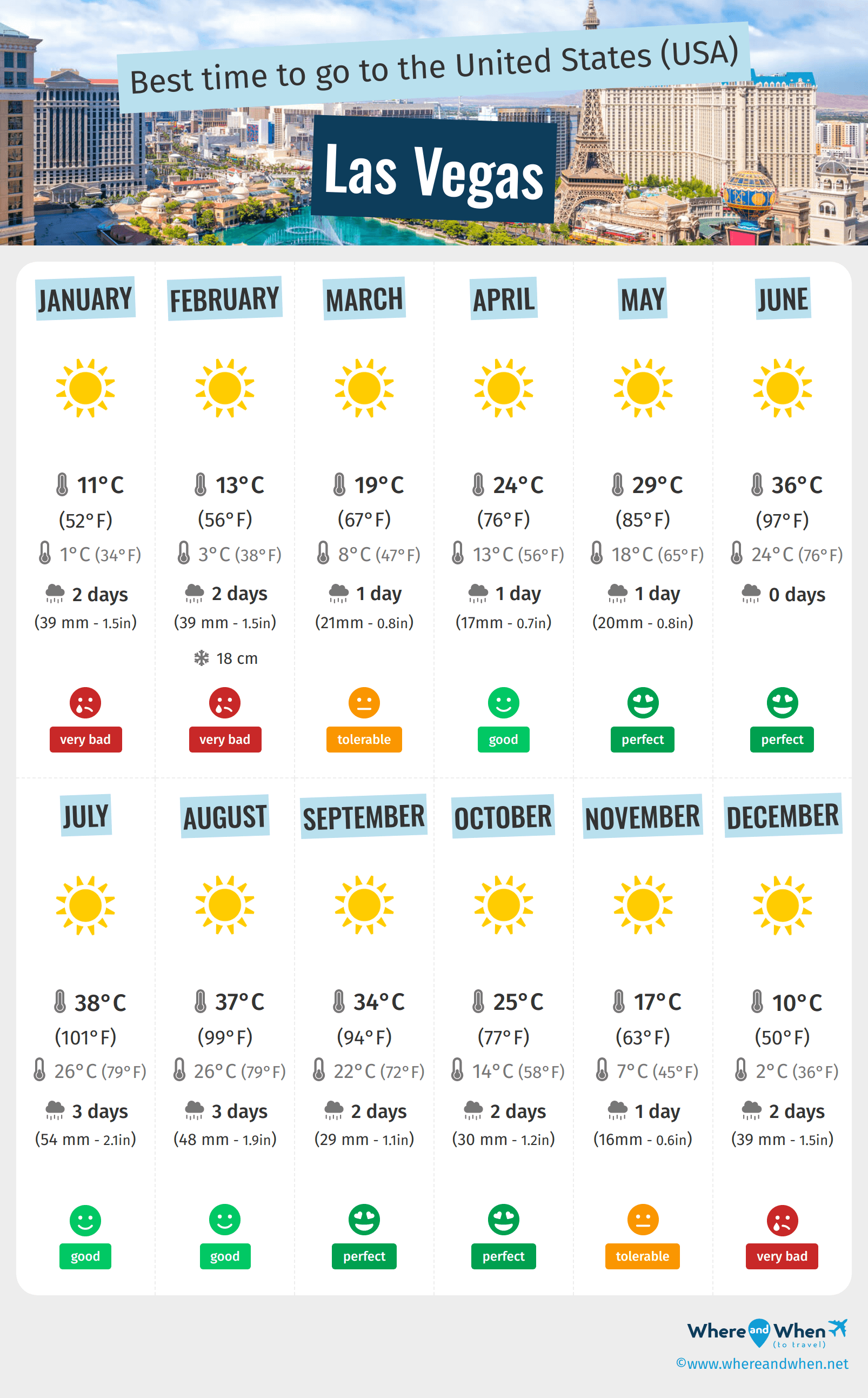
The climate of Las Vegas is characterized by its arid desert environment, which means visitors can expect plenty of sunshine year-round. However, the temperature swings between the height of summer and the depths of winter are significant.
The Peak Season: Spring and Fall Comfort
For the majority of travelers, the best time to visit is during the shoulder seasons of spring and autumn. From March to May and September to November, the weather is nearly perfect. During these months, daytime temperatures typically range from 70°F to 85°F, making it ideal for walking between resorts or enjoying outdoor dining.
In the spring, the city feels rejuvenated. The botanical gardens at the Bellagio showcase vibrant floral displays, and the pool season begins in earnest. This is also a prime time for hikers to explore Red Rock Canyon or Valley of Fire State Park before the oppressive heat of summer arrives. Fall offers a similar appeal, with the added benefit of watching the desert landscape transition into cooler evenings. It is a favorite time for those attending outdoor festivals or visiting the High Roller to see the city lights without needing a heavy coat.
The Sizzling Summer: Braving the Heat
June, July, and August represent the meteorological peak of summer, where temperatures frequently soar above 100°F. While this may sound daunting, it is the peak season for “Dayclubs” and pool parties. Iconic venues like the Encore Beach Club or the pools at MGM Grand become the center of the city’s social scene.
If you choose to visit during the summer, plan your outdoor activities for the early morning or late evening. The Fremont Street Experience in Downtown Las Vegas remains lively after dark, and the air-conditioned interiors of the Caesars Palace or The Venetian provide a cool refuge. Summer is often a period where you can find lower hotel rates mid-week, though the weekends remain busy with tourists from California.
Winter in the Desert: Chilly Nights and Festive Lights
Contrary to popular belief, Las Vegas can get quite cold in the winter. From December through February, daytime highs might only reach the 50s, and nighttime temperatures can drop toward freezing. This is a quieter time for the city, excluding the holidays.
Winter visitors can enjoy the festive atmosphere as the Wynn Las Vegas and other properties decorate lavishly for the season. If you are looking for a break from the crowds, the weeks between Thanksgiving and Christmas often offer some of the lowest prices of the year. It is also an excellent time for a day trip to Death Valley National Park or the Hoover Dam, as the mild winter sun makes long-distance sightseeing very comfortable.
Timing Your Trip Based on Major Events and Conventions
While weather is a primary factor, the event calendar of Las Vegas is arguably more important for your wallet. A single large-scale event can cause hotel prices to triple overnight.
Navigating Massive Conventions: CES and Beyond
As a world-class destination for business, the city hosts thousands of conventions annually. The most significant of these is the Consumer Electronics Show (CES), usually held in early January. During this week, nearly 200,000 professionals descend upon the city, filling every room from Luxor Hotel and Casino to Resorts World Las Vegas.
If you are a leisure traveler, it is wise to check the Las Vegas Convention and Visitors Authority calendar before booking. Other major events like Magic (fashion) or SEMA (automotive) can also lead to limited availability and high transportation costs near the Las Vegas Convention Center.
The Impact of New Year’s Eve and Sporting Spectacles
New Year’s Eve is perhaps the most famous night in the city. The Strip is closed to vehicle traffic, and hundreds of thousands of people gather to watch a coordinated firework display launched from the rooftops of the major resorts. It is an exhilarating experience but requires booking months in advance and expecting peak pricing.

Recently, the city’s identity has shifted toward being a “Sports Capital.” The presence of the Las Vegas Raiders at Allegiant Stadium and the Vegas Golden Knights at T-Mobile Arena means that game weekends are now major draws. Furthermore, the Las Vegas Grand Prix in November has become a monumental event that transforms the city streets into a Formula 1 track.
Music Festivals and Cultural Experiences
Music lovers should time their visits around the city’s massive festivals. The Electric Daisy Carnival (EDC) in May brings a surge of energy to the Las Vegas Motor Speedway. In the fall, the Life Is Beautiful festival takes over the streets of Downtown Las Vegas, blending music, art, and food. For country music fans, the National Finals Rodeo in December is a staple event that brings a unique “western” vibe to the city for ten days.
Strategic Planning for Budget vs. Luxury Experiences
If your primary goal is to experience the luxury of Las Vegas without the premium price tag, your strategy should focus on the days of the week and specific “dead zones” in the calendar.
Finding the Sweet Spot for Low Rates
The most consistent way to save money on a trip to Nevada is to visit mid-week. Sunday through Thursday, rates at even the most prestigious hotels like ARIA Resort & Casino or Cosmopolitan of Las Vegas can be significantly lower than on Friday and Saturday nights.
Historically, the cheapest months to visit are January (post-New Year and after CES), July, and August. While the summer heat is intense, the abundance of indoor attractions—from the Shark Reef Aquarium to the immersive Sphere—ensures there is plenty to do in a climate-controlled environment.
Planning for the “Big Games” and Holidays
Avoid visiting during Super Bowl weekend or March Madness if you aren’t interested in sports betting. During these times, sportsbooks are packed, and table minimums at the casinos increase. Similarly, three-day weekends like Memorial Day or Labor Day draw huge crowds from Los Angeles and Phoenix, leading to longer wait times for restaurants and shows like Cirque du Soleil.
Best Times for Specific Las Vegas Activities
Every traveler has a different priority, and the “best time” varies depending on whether you want to hit the blackjack tables, the hiking trails, or the shopping malls.
Pool Season and Outdoor Adventures
If your dream vacation involves lounging by a pool with a cocktail, you must visit between April and October. Most resorts close their main pools during the winter months for maintenance, though some heated options remain open.
For those who want to explore the natural side of the region, the windows of March-April and October-November are unbeatable. These periods allow for comfortable exploration of Mount Charleston, which offers a cooler alpine retreat just 45 minutes from the desert floor. It is also the best time to organize a helicopter tour of the Grand Canyon in neighboring Arizona or a boat trip on Lake Mead.
Cultural Exploration and Dining
Las Vegas has evolved into a global culinary destination. Foodies might find that visiting during the late spring is best, as many celebrity chef-led restaurants participate in “Las Vegas Restaurant Week.” This is an excellent opportunity to sample high-end cuisine at a fraction of the usual price.
For those interested in the city’s history, a visit to the Neon Museum or the Mob Museum is enjoyable year-round, but the outdoor “Neon Boneyard” is best experienced during the cooler evenings of spring or fall.

Final Thoughts on Timing Your Trip
Ultimately, Las Vegas is a city that never sleeps, and there is no truly “bad” time to visit. However, a little bit of research into the current event schedule and a realistic expectation of the desert weather can make the difference between a stressful trip and a spectacular one. By landing at Harry Reid International Airport during the mild weeks of April or October, you position yourself to enjoy the very best that this iconic destination has to offer. Whether you are there for the bright lights of The Strip, the tranquility of Red Rock Canyon, or a high-stakes game at Caesars Palace, the city is ready to welcome you in any season. Just remember to pack sunscreen for the summer, a jacket for the winter, and an adventurous spirit regardless of when you arrive in Nevada.
LifeOutOfTheBox is a participant in the Amazon Services LLC Associates Program, an affiliate advertising program designed to provide a means for sites to earn advertising fees by advertising and linking to Amazon.com. Amazon, the Amazon logo, AmazonSupply, and the AmazonSupply logo are trademarks of Amazon.com, Inc. or its affiliates. As an Amazon Associate we earn affiliate commissions from qualifying purchases.