
The pursuit of the perfect stay at the lowest possible price is a fundamental aspect of modern travel planning. For many travelers, the cost of accommodation represents the single largest expenditure of a trip, often surpassing airfare. Understanding the mechanics of hotel pricing is not merely about luck; it is a sophisticated interplay of supply and demand, seasonal trends, and regional economic factors. Whether you are eyeing a luxury suite in Paris or a boutique apartment in Tokyo, timing your booking can lead to significant savings. This guide explores the strategic nuances of the accommodation market to identify exactly when you should click the “book” button.
The Science of Seasonal Price Fluctuations
Hotel pricing is inherently cyclical, heavily influenced by the climate and holiday schedules of the destination. Most properties categorize their calendar into peak, off-peak, and shoulder seasons. Recognizing these patterns is the first step in securing a budget-friendly reservation.
Navigating Peak and Off-Peak Periods
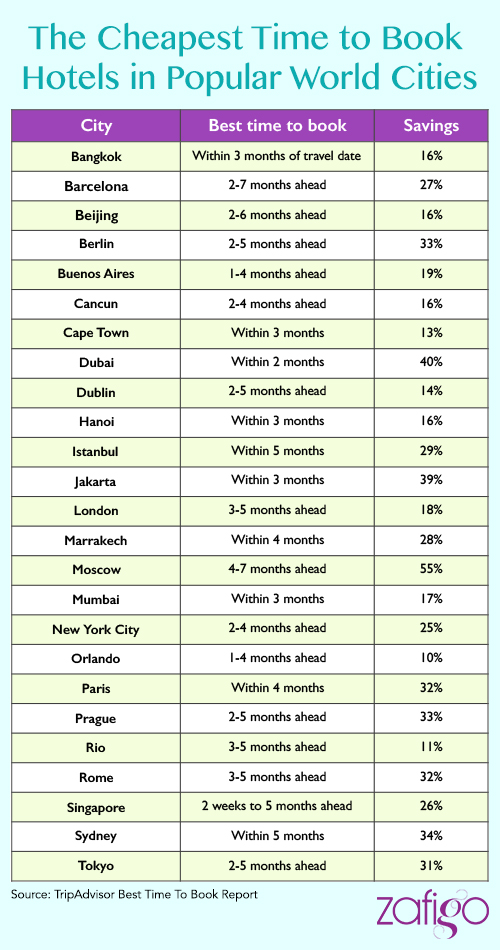
Peak seasons occur when demand is at its absolute highest. In Europe, this typically aligns with the summer months of July and August, while in tropical destinations like Thailand, it coincides with the dry season from November to February. During these times, hotels like the Marriott or Hilton can charge premium rates because occupancy is guaranteed. Conversely, visiting New York City in the dead of winter (January or February) or Dubai during the peak of summer heat can result in price drops of 40% or more. While the weather may be less than ideal, the “off-peak” traveler benefits from the lowest possible rates and fewer crowds at major sites like the Eiffel Tower or the Burj Khalifa.
The “Shoulder Season” Sweet Spot
For many savvy travelers, the shoulder season—the period between peak and off-peak—offers the best balance of price and experience. In Italy, this might be April and May or September and October. During these months, the demand for rooms at high-end resorts in Rome or Venice begins to taper off, leading to more competitive pricing. Booking a stay during the shoulder season in Spain allows you to enjoy pleasant temperatures and accessible rates at properties near the Sagrada Familia without the exorbitant costs associated with mid-August.
Strategic Booking Windows: When to Click Confirm
Lead time is perhaps the most debated variable in accommodation booking. Should you book months in advance to lock in a rate, or wait until the final 48 hours to capitalize on unsold inventory? The answer often depends on the type of destination and the specific hotel brand.
The 15-to-30 Day Rule for Domestic Stays
For domestic travel within the United States or the United Kingdom, data frequently suggests that the optimal booking window is between 15 and 30 days before arrival. Unlike airlines, which often penalize late bookers, hotels are more likely to lower prices as the date approaches if they have not reached their target occupancy. This is particularly true for mid-range chains like Holiday Inn or Hyatt. If you are planning a trip to London, monitoring prices three weeks out can often yield better results than booking six months in advance.
Booking for International and High-Demand Stays
International trips require a different strategy. When traveling to popular global hubs like Singapore or Hong Kong, booking at least three to six months in advance is generally safer. This is because high-demand properties and those located near famous landmarks, such as the Sydney Opera House in Australia, often fill up with tour groups and corporate events. In these cases, the risk of the hotel selling out entirely outweighs the potential for a last-minute price drop. Furthermore, booking early allows you to secure “flexible” rates, which can be cancelled and rebooked if a lower price appears later.
Day of the Week: Debunking Myths and Finding Trends

The day you choose to book your room and the day you choose to check in are both critical factors in the final price of your stay. While the “Tuesday booking myth” persists in the airline industry, hotel pricing follows its own set of rules.
The Best Day to Book
Statistical analysis of global booking data suggests that for most travelers, booking on a Friday or Saturday can actually be more expensive, as this is when leisure travelers are most active online. Instead, booking on a Tuesday or Wednesday often reveals slightly lower rates. Hotels use sophisticated revenue management software that adjusts prices based on real-time search volume; by booking when search volume is lower mid-week, you may catch a momentary dip in the algorithm’s pricing.
Cheapest Days for Check-In and Check-Out
The timing of your actual stay is even more impactful. For leisure-heavy destinations like Las Vegas or Orlando, checking in on a Sunday or Monday is significantly cheaper than a Friday arrival. Conversely, in business-centric cities like Frankfurt or Geneva, weekend rates are often much lower because the influx of corporate travelers subsides. If you are staying at a The Ritz-Carlton in a financial district, a Saturday night stay might cost half as much as a Tuesday night. Aligning your itinerary to avoid these “peak days” can drastically reduce your accommodation bill.
Tactical Approaches for Different Property Types
Not all accommodations behave the same way in the marketplace. A luxury resort in the Maldives follows a different pricing logic than a short-term apartment in Barcelona.
Luxury Resorts vs. Urban Business Hotels
Luxury properties, such as the Four Seasons or InterContinental, often maintain price integrity, meaning they rarely offer deep last-minute discounts to avoid devaluing their brand. For these stays, booking early or through specialized travel advisors who offer “fourth night free” promotions is the most effective strategy. On the other hand, urban business hotels in cities like Chicago or Toronto are more prone to last-minute “flash sales” on mobile apps. If you are flexible and traveling solo or as a couple, waiting until the day of arrival to book via a mobile-only deal can lead to incredible savings at high-end urban properties.
The Influence of Major Events and Festivals
One of the most important rules of thumb in accommodation booking is to check the local calendar. Prices in Rio de Janeiro during Carnival or in Munich during Oktoberfest will be at their highest regardless of when you book. Similarly, if there is a major convention at the Grand Hyatt Hotel in San Francisco, every other hotel in the vicinity will raise its rates. Before finalizing your travel dates, search for city-wide events. If your dates are flexible, shifting your trip by just one week can save you hundreds of dollars.
Leveraging Comparison Tools and Loyalty Programs
In the digital age, the “cheapest time to book” is also influenced by where and how you book. The transparency of the internet has made it easier to compare rates across different platforms.
Using Comparison Engines and Price Tracking
Tools like Expedia or other meta-search engines allow you to see a broad overview of the market. However, a growing trend in the industry is the use of price-tracking alerts. These services monitor a specific hotel in London or Paris and notify you via email when the price drops. This allows you to utilize the “book now, rebook later” strategy effectively. If you book a refundable rate at a Sheraton in Canada, you can keep an eye on the price and switch to a lower rate if it becomes available as your travel date nears.

The Power of Direct Booking and Membership
While third-party sites are excellent for comparison, the cheapest time to book is often found directly through the hotel’s own website. Many brands, including Accor and Wyndham, offer “Member Only” rates that are consistently 5% to 10% lower than anything found on public search engines. These rates are usually available year-round, making any time the “cheapest time” for members. Additionally, long-term stays in Bali or Mexico often qualify for deep discounts if booked directly with the property manager, as they avoid the high commission fees charged by booking platforms.
Ultimately, finding the cheapest time to book a hotel is a combination of early planning for high-demand periods and tactical waiting for off-peak urban stays. By understanding the seasonal trends of France or the business cycles of Japan, and by utilizing modern tracking tools, you can ensure that you are always getting the best value for your accommodation. Whether you are visiting the Grand Canyon or staying near Disney World, the secret lies in staying informed, remaining flexible, and knowing exactly when the market is in your favor.
LifeOutOfTheBox is a participant in the Amazon Services LLC Associates Program, an affiliate advertising program designed to provide a means for sites to earn advertising fees by advertising and linking to Amazon.com. Amazon, the Amazon logo, AmazonSupply, and the AmazonSupply logo are trademarks of Amazon.com, Inc. or its affiliates. As an Amazon Associate we earn affiliate commissions from qualifying purchases.