
While the question of when is the last day to mail ballots in California might seem to pertain to civic duties, for many residents and visitors alike, it’s an important consideration for planning travel, ensuring their voice is heard, and even structuring local experiences. The act of voting, particularly through mail-in ballots, has become intrinsically woven into the fabric of residency and, by extension, the way individuals engage with their communities, whether they are long-term inhabitants or temporary guests experiencing the unique offerings of the Golden State. Understanding these deadlines is not just about administrative processes; it’s about being an informed participant in the life of a place, a principle that resonates deeply with the ethos of exploration and engagement that defines travel and tourism.
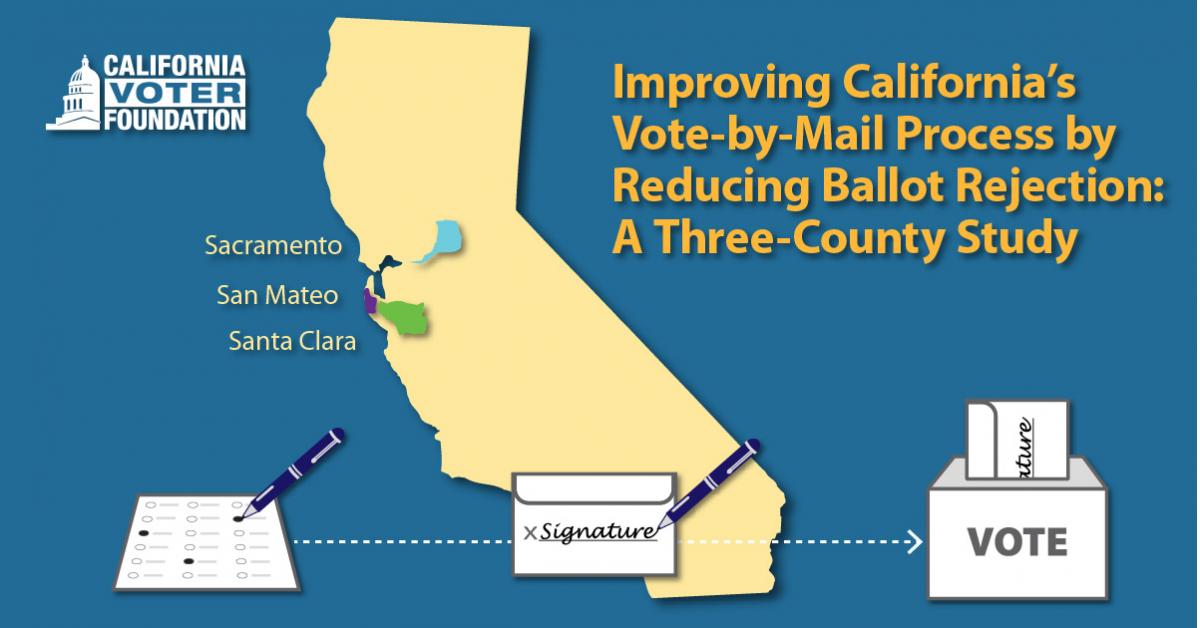
The logistical considerations surrounding voting can influence travel plans. For instance, a resident might plan a vacation to avoid being away during key voting periods or, conversely, might time a visit to a particular city or region to coincide with local elections, perhaps seeking to understand the governance and community issues that shape a destination. The ease and accessibility of mail-in voting in California can facilitate this, allowing individuals to remain engaged with their home jurisdiction while immersing themselves in new environments. This intermingling of civic responsibility and personal pursuits highlights a nuanced aspect of modern living and travel, where the boundaries between home and away, and between personal life and civic participation, can often blur.
Navigating California’s Vote-by-Mail System
California’s commitment to accessible voting has led to a robust vote-by-mail system. For those residing in the state, whether permanently or for extended periods, understanding the deadlines associated with this system is paramount. The specific dates can vary slightly from year to year, depending on the election schedule – whether it’s a primary, general, or special election. However, the general framework provides a clear path for voters to ensure their ballot is cast on time.
Key Dates and Deadlines
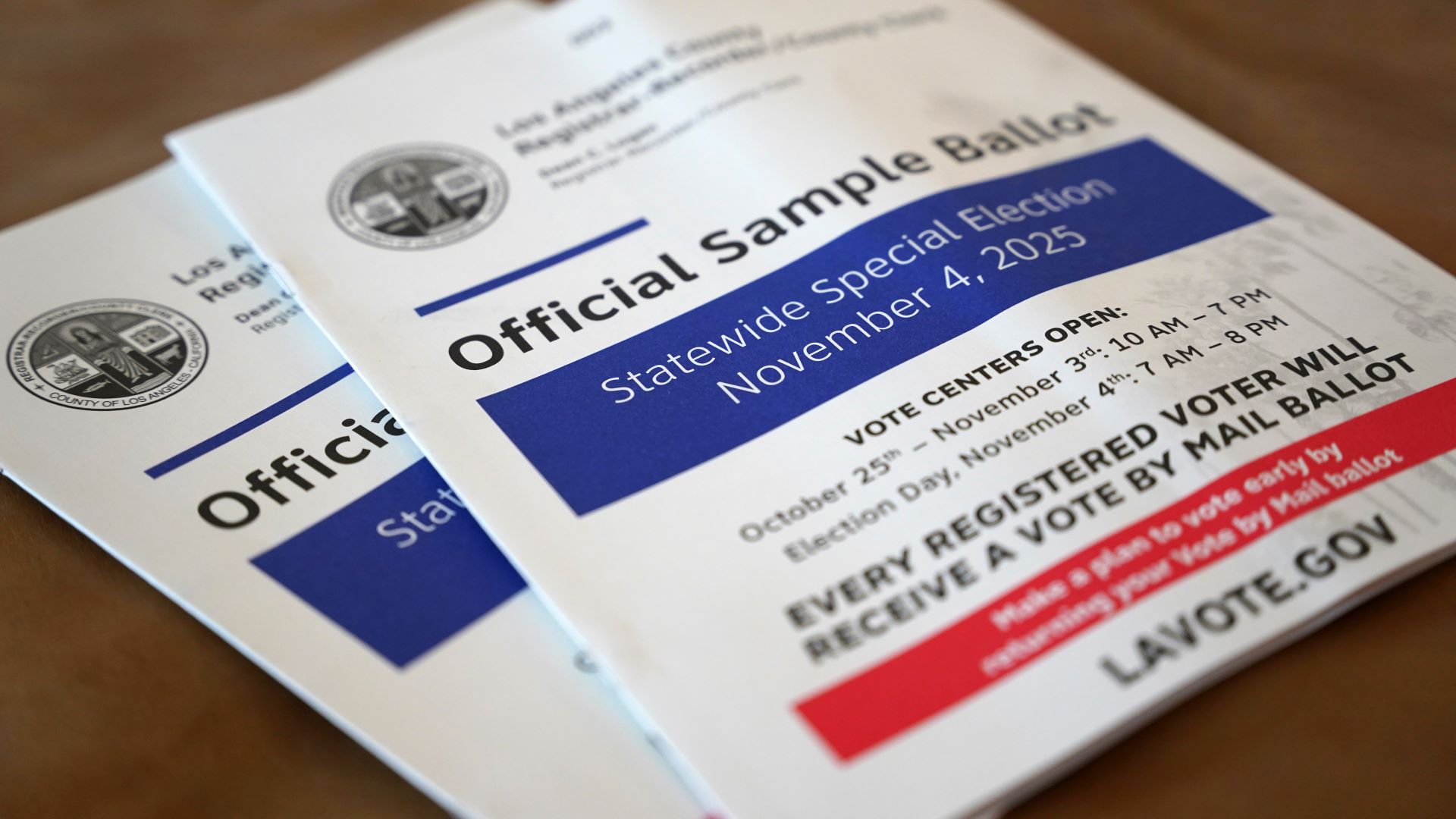
The Secretary of State of California is the official source for precise election dates. Generally, official election materials, including sample ballots and the ballots themselves, are mailed out to registered voters well in advance of the election. This proactive approach is designed to give voters ample time to review candidates and propositions, and to complete their ballot.
For mail-in ballots, the crucial deadline is not when you send the ballot, but when it is received. Ballots must be postmarked on or before Election Day and received by the county elections office no later than seven days after Election Day. This grace period for receipt is a significant aspect of California’s voting laws, designed to accommodate potential postal delays. However, to ensure certainty and avoid any last-minute complications, it is always advisable to mail your ballot as early as possible.
Postmark vs. Receipt Deadlines
It’s essential to differentiate between the postmark deadline and the receipt deadline. While the postmark indicates when you entrusted your ballot to the postal service, the elections office relies on the ballot arriving at their facility within the stipulated timeframe. Therefore, mailing your ballot a week or more before Election Day is the most reliable strategy to guarantee its timely arrival. This foresight allows for a more relaxed approach to travel and other commitments, knowing that your vote has been securely dispatched.
Where to Find Official Information
To confirm the exact last day to mail ballots for any given election, voters should always refer to the official website of the California Secretary of State or their respective county elections office. These resources provide the most accurate and up-to-date information, including specific polling place lookup, registration status, and ballot tracking tools. For those planning travel around election periods, cross-referencing these official dates with travel itineraries is a key step in responsible civic engagement.
Vote-by-Mail and Travel Planning in California
The convenience of vote-by-mail in California offers a unique advantage for individuals who are frequently on the move. Whether you are a business traveler, a digital nomad, or a tourist planning an extended stay, the ability to cast your ballot remotely simplifies civic participation. This flexibility allows you to explore the diverse landscapes and vibrant cities of California, from the beaches of San Diego to the vineyards of Napa Valley, without compromising your right to vote.
Maintaining Your Voting Address While Traveling
A common concern for travelers is ensuring they receive their ballot while away from their permanent residence. California allows voters to cast ballots from anywhere within the state, and the vote-by-mail system is designed to accommodate this. However, it’s crucial to keep your voter registration address current with your county elections office. If you are temporarily staying in a different county or even out of state, you can still vote in your home precinct’s election.
Forwarding Ballots
While the U.S. Postal Service may offer mail forwarding, it is not a guaranteed method for critical election mail. The most secure approach is to update your mailing address with your county elections office if you will be away for an extended period and expect to receive your ballot. Alternatively, you can request a vote-by-mail ballot be sent to an alternate address if you know you will be at a specific location for a significant duration. This proactive measure ensures your ballot reaches you, regardless of your travel plans within or outside the state.
Voting from Out-of-State Visitors
For those visiting California during an election period but registered to vote in another state, the options are typically limited to absentee voting in their home jurisdiction. However, if a visitor has recently moved to California and is in the process of establishing residency, they should ensure their voter registration is complete and reflects their current California address well before the registration deadline. For those simply visiting California for leisure or business, the focus remains on participating in their home state’s elections.
The Broader Implications: Civic Engagement and Local Tourism
The ease of mail-in voting in California has broader implications that extend beyond mere administrative convenience. It fosters a sense of continuous civic engagement, allowing residents to remain connected to their communities and the governance that shapes them, even when they are physically exploring other parts of the state or the world. This can, in turn, influence how people interact with local tourism and culture.
Informed Travelers, Engaged Residents
An informed voter is often an engaged resident, and this engagement can translate into a deeper appreciation for the places they visit. When travelers are actively participating in their civic duties, they may develop a more nuanced understanding of the local issues, history, and community dynamics of the destinations they explore. This can lead to more meaningful travel experiences, moving beyond superficial sightseeing to a more profound connection with the place and its people. For instance, understanding a city’s voting patterns might provide context for its urban development, social policies, or cultural initiatives, enriching a visitor’s perception.
Supporting Local Initiatives Through Voting
The act of voting, whether in local or statewide elections, directly impacts the services, infrastructure, and cultural preservation efforts of communities. For visitors who spend significant time in a particular region of California, or who are considering a longer-term stay, understanding the election landscape can offer insights into the future direction of that area. This awareness can even influence where one chooses to spend their travel dollars, perhaps favoring businesses or attractions that align with the values reflected in local governance.
The Ballot as a Guide to Local Life
In a sense, the ballot itself can be a guide to understanding local life. The propositions and candidate platforms often reflect the pressing concerns and aspirations of a community. For a traveler interested in authentic experiences, delving into these aspects of local governance can provide a unique perspective on the destination, complementing traditional tourist activities. Whether it’s understanding the funding for local parks and recreational areas, the policies affecting small businesses in Los Angeles, or the environmental initiatives in Santa Cruz, the electoral process offers a window into the heart of a community.
Ensuring Your Ballot is Counted: Best Practices for Mail-In Voters
To guarantee that your vote is counted, especially when factoring in travel or busy schedules, adhering to best practices for mail-in voting in California is crucial. These practices are designed to mitigate potential issues and ensure your ballot participates in the democratic process.
Timeliness is Paramount
As reiterated, the most critical factor is ensuring your ballot is postmarked by Election Day and received within the subsequent seven-day window. To achieve this, plan to mail your ballot at least one week before Election Day. This buffer accounts for potential delays in postal services, especially during peak periods.
Utilizing Ballot Drop Boxes
For added certainty and to bypass postal timelines altogether, California offers secure ballot drop boxes throughout the state. These boxes are accessible 24/7 until the close of polls on Election Day. Locating a drop box near your residence or even along your travel route can be an excellent alternative to mailing your ballot. Many counties provide interactive maps on their elections websites to help voters find the nearest drop box. This is an especially useful option for those who may be traveling out of state or have a tight mailing schedule.
Verifying Your Ballot Status
California offers a convenient online tool that allows voters to track their mail-in ballot. After you mail your ballot or drop it off, you can use this system to confirm that it has been received by your county elections office and that it has been counted. This peace of mind is invaluable, particularly for travelers who may be concerned about their ballot’s journey. Checking your ballot status a few days after you’ve sent it can help address any potential issues proactively.
Common Pitfalls to Avoid
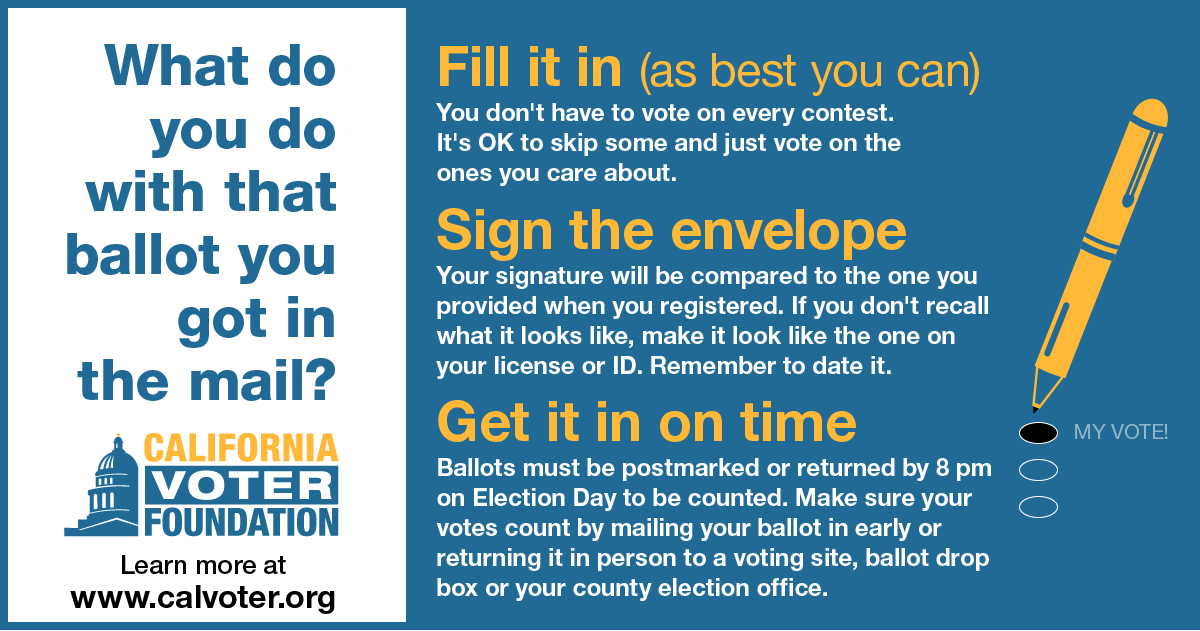
Several common pitfalls can lead to a mail-in ballot not being counted. These include:
- Forgetting to sign the return envelope: The signature on the return envelope is your verification. Ensure it matches the signature on file with your voter registration.
- Mailing the ballot too late: Relying on the last minute can be risky.
- Not using the official return envelope: Always use the provided envelope that is pre-addressed and designed for ballot return.
- Ballot arriving after the deadline: Even if postmarked correctly, late arrival can invalidate the ballot.
By being mindful of these details and planning ahead, California voters can confidently exercise their right to vote by mail, irrespective of their travel plans or daily routines. This ability to participate seamlessly contributes to a more engaged citizenry and a richer understanding of the places that make California such a dynamic destination.
LifeOutOfTheBox is a participant in the Amazon Services LLC Associates Program, an affiliate advertising program designed to provide a means for sites to earn advertising fees by advertising and linking to Amazon.com. Amazon, the Amazon logo, AmazonSupply, and the AmazonSupply logo are trademarks of Amazon.com, Inc. or its affiliates. As an Amazon Associate we earn affiliate commissions from qualifying purchases.