
Navigating the unpredictable nature of hurricane season in Florida is a critical concern for residents, businesses, and importantly, for travelers planning their visits to the Sunshine State. While pinpointing the exact timing of a future hurricane is impossible, understanding the patterns, historical data, and the factors influencing storm development allows for informed preparation and strategic travel planning. This guide aims to demystify the hurricane season and provide insights relevant to the tourism sector, helping visitors make the most of their Florida experiences while remaining safety-conscious.
Understanding Hurricane Season in Florida
Hurricane season in the Atlantic basin officially runs from June 1st to November 30th. However, the most active period for Florida typically falls between August and October. This is when sea surface temperatures are warmest, providing the necessary fuel for tropical storm development, and atmospheric conditions are most conducive to hurricane formation.
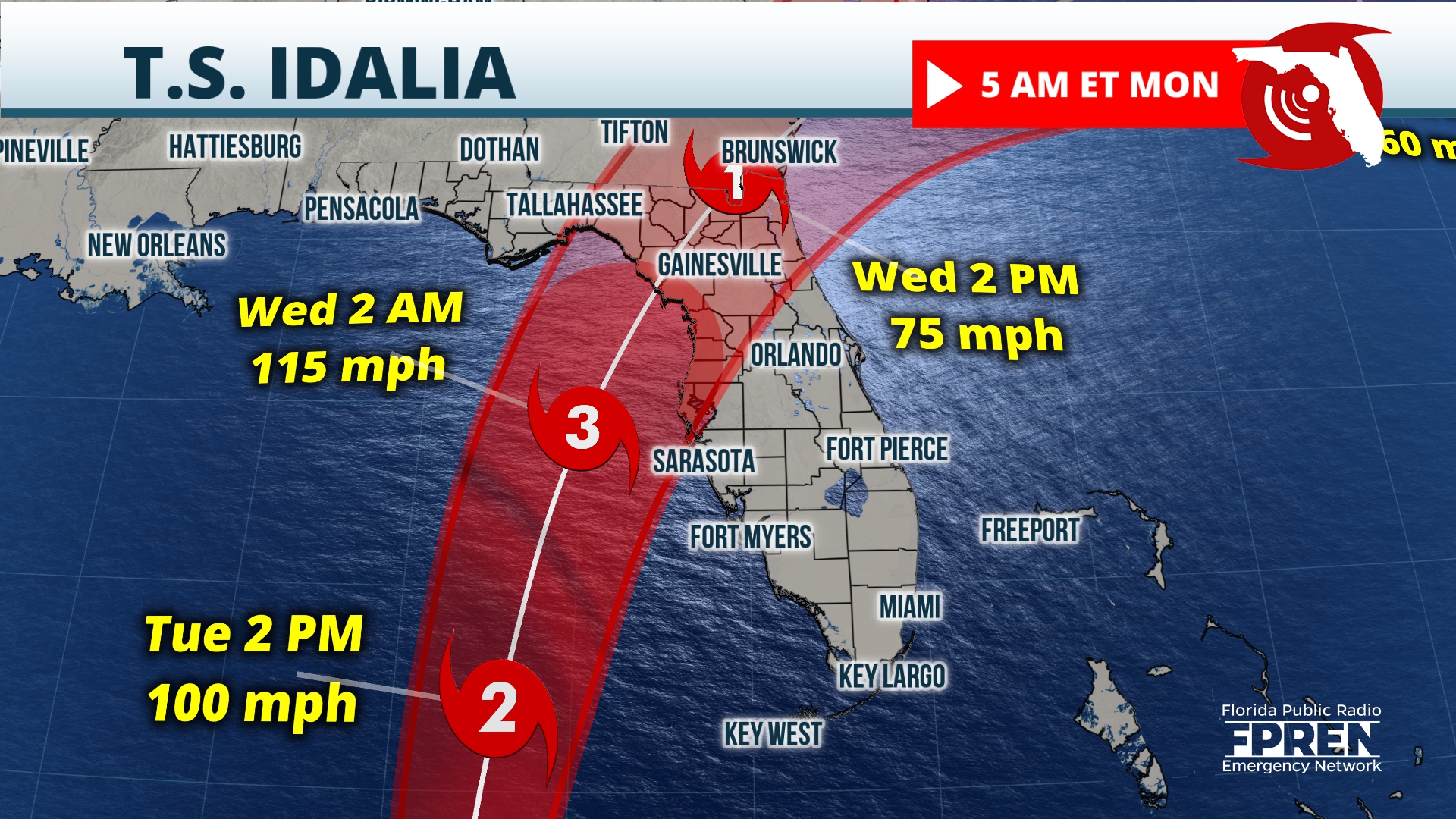
Historical Trends and Peak Activity
Historically, Florida has been no stranger to significant hurricane impacts. The state’s extensive coastline along the Atlantic Ocean and the Gulf of Mexico makes it particularly vulnerable. Examining past seasons reveals that while storms can form early or late, the August to October window consistently sees the highest concentration of activity. This period often witnesses the genesis of major hurricanes that can affect various parts of the state, from the Florida Keys to the Panhandle. Understanding these trends is vital for both long-term residents and those booking vacations months in advance.
Factors Influencing Storm Formation
The formation and intensity of hurricanes are influenced by a complex interplay of atmospheric and oceanic factors. Key among these are:
- Sea Surface Temperatures (SSTs): Hurricanes draw energy from warm ocean waters. SSTs of 80°F (26.5°C) or higher are generally required for tropical storm development. Warmer waters lead to more intense storms.
- Atmospheric Moisture: High levels of moisture in the atmosphere provide the “building blocks” for storm clouds and rainfall.
- Low Vertical Wind Shear: Wind shear refers to changes in wind speed or direction with height. Low wind shear allows developing storms to organize and strengthen, whereas high shear can tear them apart.
- Pre-existing Weather Disturbances: Hurricanes often form from disorganized clusters of thunderstorms, known as tropical waves, that move across the tropics.
- The Madden-Julian Oscillation (MJO): This is a global-scale weather pattern that can influence the frequency and intensity of tropical cyclones in different ocean basins.
Meteorologists and climate scientists closely monitor these variables throughout the hurricane season, utilizing sophisticated computer models to predict storm tracks and intensity.
Planning Your Florida Trip During Hurricane Season
The prospect of a hurricane can understandably cause concern for travelers. However, with careful planning and awareness, visiting Florida during hurricane season can still be a rewarding experience. Many destinations experience significantly fewer crowds and lower prices during the shoulder months of late August, September, and early October, before the peak of the season truly impacts the region.
Travel Insurance: A Must-Have
For any trip planned between June and November, comprehensive travel insurance is highly recommended. Look for policies that specifically cover weather-related disruptions, including hurricane evacuations, flight cancellations, and non-refundable accommodation costs. Understanding the terms and conditions of your policy before booking is crucial. This ensures you are protected should a storm necessitate a change of plans or an early departure.
Flexibility in Booking
When booking flights and accommodations, consider opting for flexible cancellation or rebooking policies. Many hotels and airlines offer waivers or more lenient terms during hurricane watches and warnings. Websites like Expedia and Booking.com often provide options for flexible bookings. Researching these policies in advance will provide peace of mind.
Monitoring Weather Updates
Staying informed about potential weather developments is paramount. Rely on reputable sources for hurricane forecasts and advisories:
- National Hurricane Center (NHC): The NHC (www.nhc.noaa.gov) is the primary source for official hurricane information in the United States. They issue advisories, watches, and warnings.
- Local News Outlets: Local television, radio, and news websites in your destination area will provide critical information on local preparedness and evacuation orders.
- Weather Apps: Many reliable weather apps integrate NHC data and provide real-time updates.
Set up alerts on your phone for your travel destination to receive immediate notifications.
Navigating Destinations During Potential Storms

If you are already in Florida and a hurricane is forecast to impact your area, preparedness and adherence to official guidance are key.
Understanding Watches and Warnings
It is vital to distinguish between a hurricane watch and a hurricane warning:
- Hurricane Watch: This means hurricane conditions are possible in the specified area, usually within 48 hours. This is the time to finalize your preparedness plans, gather supplies, and consider voluntary evacuation if you are in a vulnerable location.
- Hurricane Warning: This means hurricane conditions are expected in the specified area, usually within 36 hours. This is a serious alert, and you should complete your evacuation if advised by local officials or shelter in place if it is deemed safe.
Emergency Preparedness Kits
For travelers staying in hotels or rental properties, having a basic emergency kit can be beneficial. This might include:
- Non-perishable food items and water
- First-aid supplies
- Flashlight and extra batteries
- Any necessary medications
- Copies of important documents (identification, insurance)
- A portable charger for electronic devices
Many hotels, such as the Ritz-Carlton, Amelia Island or Hyatt Regency Grand Cypress, have robust emergency plans and often provide guests with essential items and information during storm events.
Evacuation Routes and Shelters
In the event of an evacuation order, follow the designated evacuation routes. These are clearly marked and designed to manage traffic flow efficiently. Local emergency management agencies will announce the locations of public shelters. If you are staying in a vacation rental or a hotel that is not designated as a hurricane shelter, you will likely be instructed to evacuate. Knowing the nearest official shelters or understanding where you would go if advised to leave your accommodation is a crucial part of your preparedness.
Making the Best of Your Florida Vacation
Despite the risks, millions of visitors enjoy Florida each year without encountering hurricane impacts. The key is to be informed, prepared, and flexible.
Choosing Your Destination Wisely
Some regions of Florida are statistically more prone to direct hurricane hits than others. For instance, while the entire coastline is at risk, historical data might show slightly higher frequencies in areas like Miami-Dade County or the Panhandle. However, this does not mean other areas are immune. Early planning for the season, focusing on destinations with robust tourism infrastructure and preparedness plans, can be advantageous. Places like Orlando with its numerous theme parks such as Walt Disney World Resort and Universal Orlando Resort, often have excellent contingency plans and infrastructure to manage weather disruptions.
Embracing the “Off-Season” Advantages
Visiting during the shoulder months can offer significant benefits. Beyond fewer crowds, you can often find better deals on flights and accommodations at popular destinations like Miami, Fort Lauderdale, or the Florida Keys. Enjoying attractions like the Everglades National Park or the pristine beaches of the Gulf Coast can be more relaxed with fewer tourists.
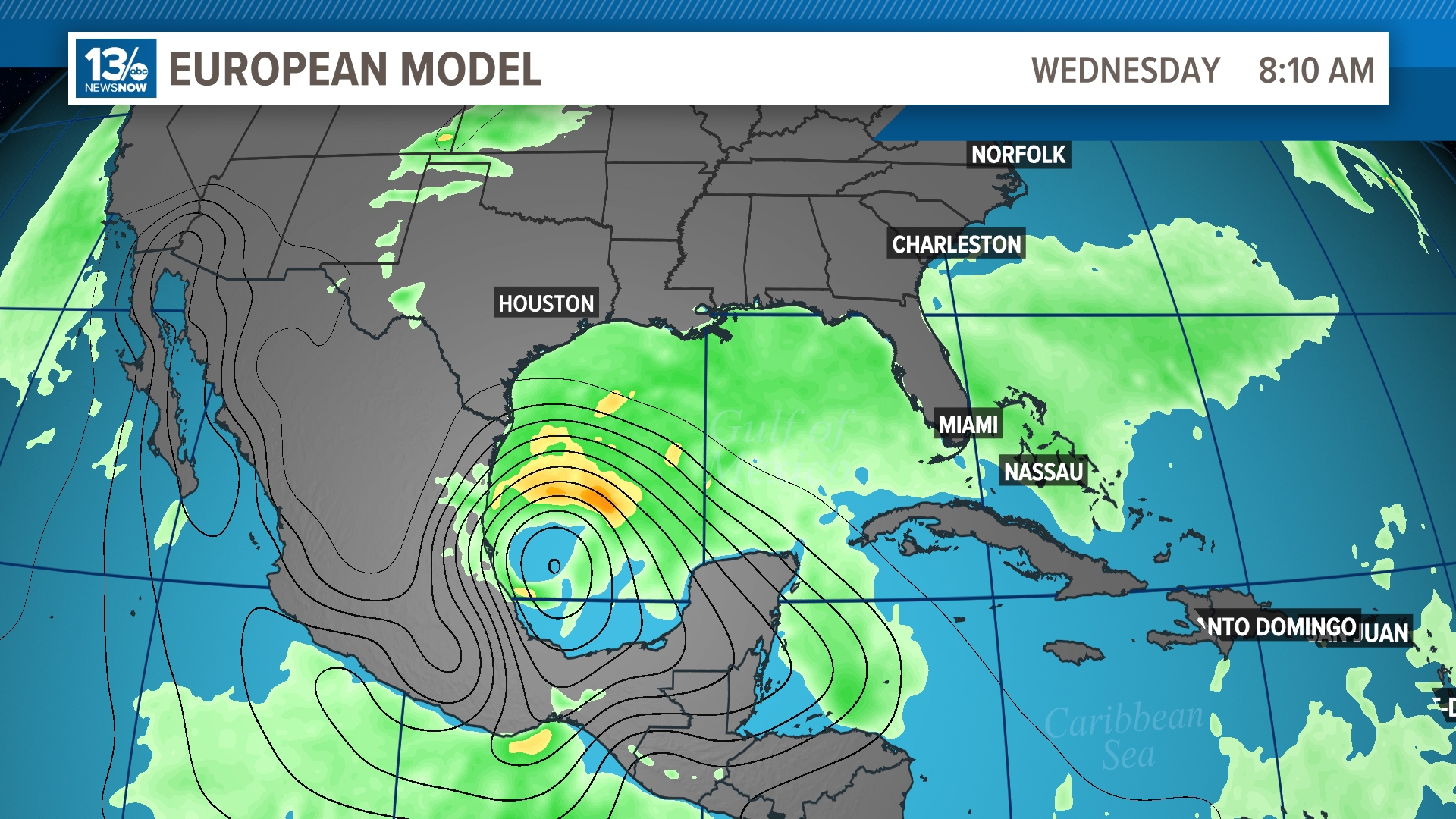
Resort and Hotel Preparedness
Many resorts and hotels in Florida have extensive hurricane preparedness plans. These often include:
- Procedures for securing properties and guest safety.
- Communication protocols with guests regarding weather advisories and potential disruptions.
- On-site emergency supplies and backup power.
- Staff trained to handle emergency situations.
When booking, inquire about the hotel’s hurricane policy and preparedness measures. Reputable establishments like the Four Seasons Resort Orlando at Walt Disney World Resort or the Fontainebleau Miami Beach are well-equipped to manage potential weather events.
Ultimately, while the question of when the next hurricane will hit Florida remains an unanswerable one until storms begin to form, understanding the season, preparing diligently, and staying informed are the most effective strategies for both residents and travelers. By approaching hurricane season with knowledge and flexibility, visitors can continue to enjoy the unparalleled beauty and attractions that Florida has to offer.
LifeOutOfTheBox is a participant in the Amazon Services LLC Associates Program, an affiliate advertising program designed to provide a means for sites to earn advertising fees by advertising and linking to Amazon.com. Amazon, the Amazon logo, AmazonSupply, and the AmazonSupply logo are trademarks of Amazon.com, Inc. or its affiliates. As an Amazon Associate we earn affiliate commissions from qualifying purchases.