
Planning a trip to the Sunshine State often involves envisioning endless days of clear skies and warm weather. While Florida certainly lives up to its moniker, understanding its distinct climate patterns, particularly the rainy season, is crucial for any traveler seeking to make the most of their visit. Far from a constant deluge, Florida’s rainy season presents a unique charm and offers a different perspective on exploring its diverse landscapes and vibrant cities.
Understanding Florida’s Distinct Climate Patterns
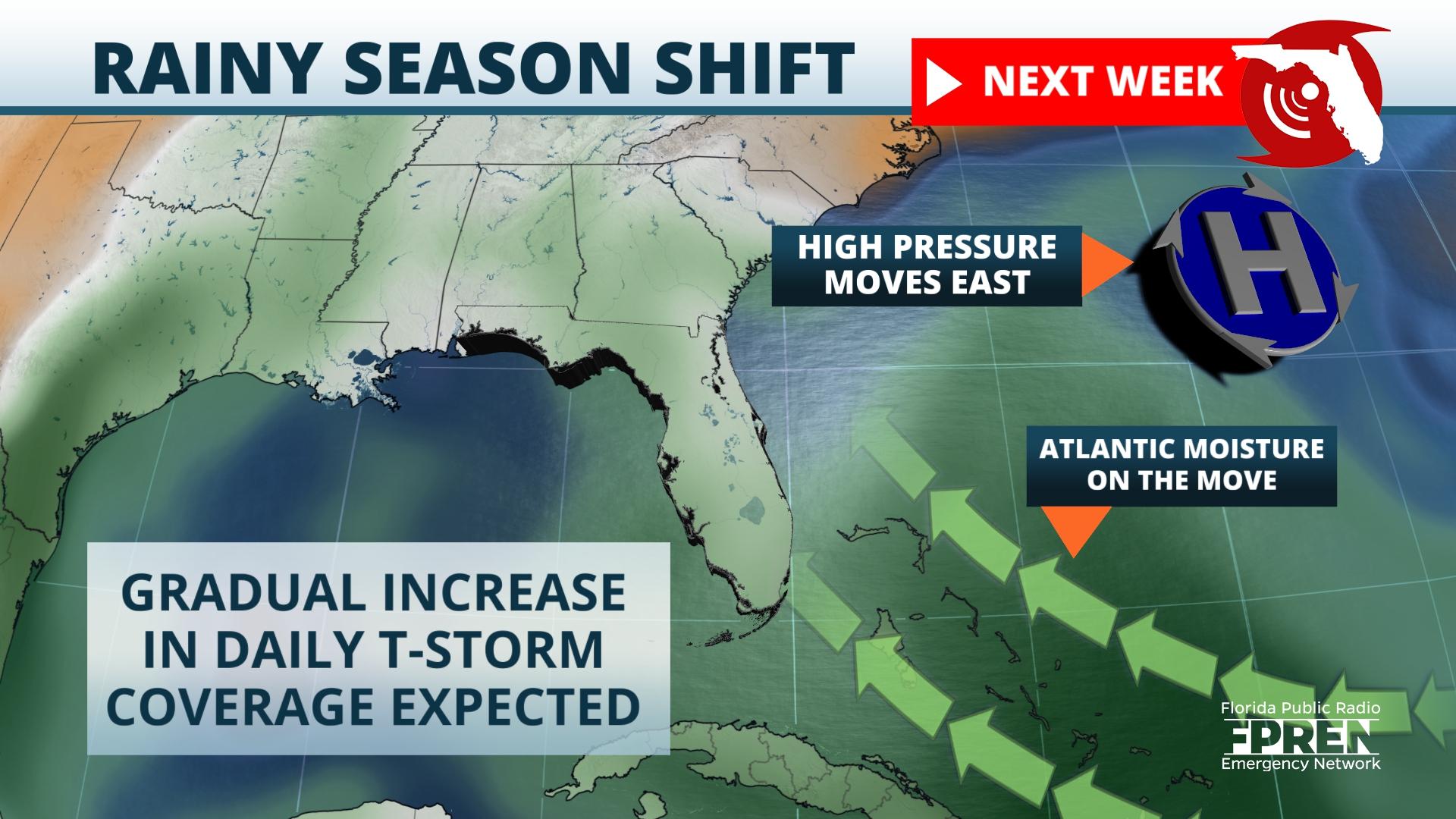
Florida is uniquely situated in a subtropical to tropical zone, which dictates its two primary seasons: a dry season and a wet, or rainy, season. Unlike the four distinct seasons experienced in more temperate climates, Florida’s year is largely characterized by variations in rainfall and humidity. The state’s proximity to the Atlantic Ocean and the Gulf of Mexico, combined with high solar radiation, creates the perfect conditions for convectional rainfall, which is the hallmark of its wet period. This means that while rain is frequent, it rarely mirrors the persistent, grey skies often associated with rainy seasons elsewhere. Instead, it’s an integral part of the natural cycle, supporting the state’s lush ecosystems and offering a dramatic, albeit temporary, reprieve from the intense summer heat.
The Official Rainy Season Timeline
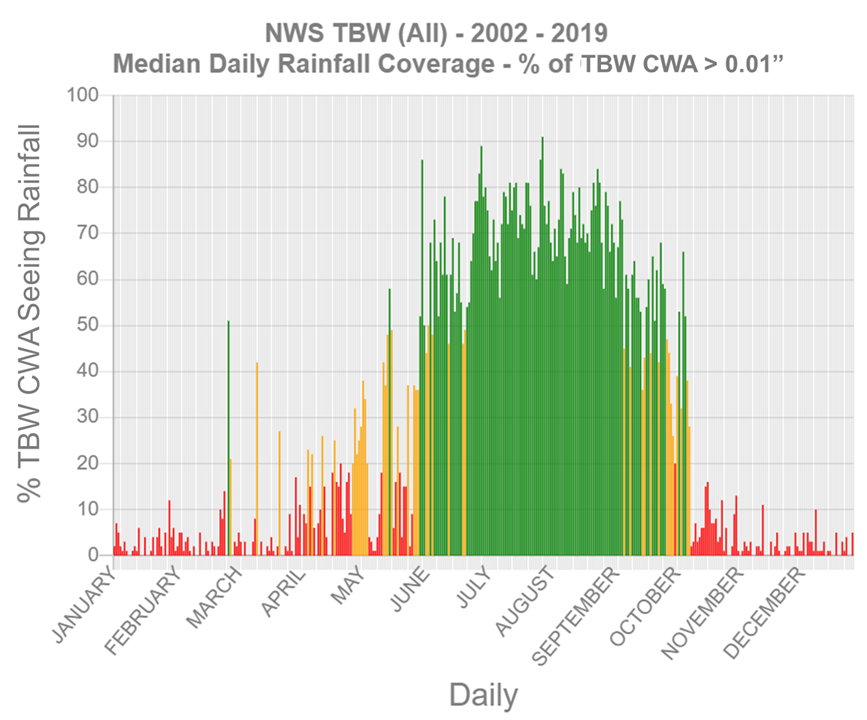
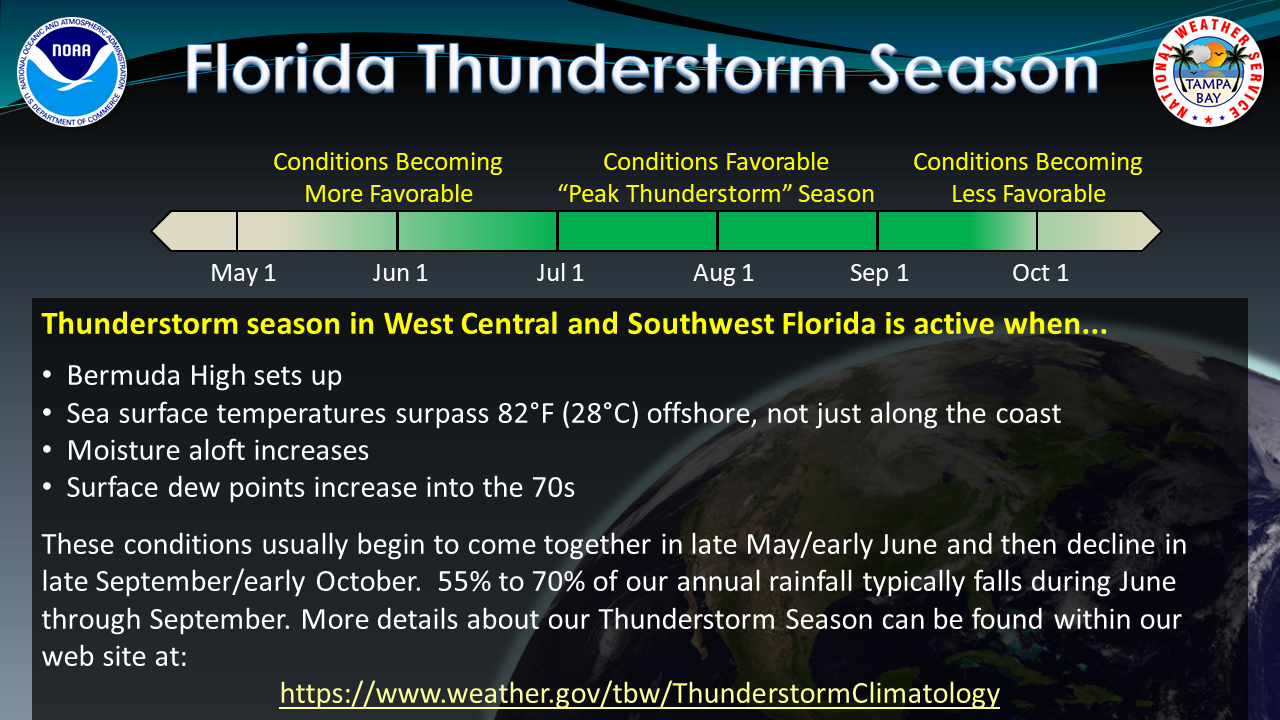
The rainy season in Florida typically commences in late May or early June and extends through late September or early October. This period marks a noticeable shift from the drier, cooler months, bringing an increase in daily rainfall, humidity, and temperatures. While these dates provide a general guideline, there can be slight regional variations. South Florida, for instance, often experiences the onset of the wet season a bit earlier and may see it linger longer due to its more tropical influence. Conversely, North Florida, while still experiencing a significant rainy period, might have a slightly shorter and less intense wet season. Travelers planning their itineraries should always consider these nuances when selecting their destination within the state.
What to Expect During Florida’s Wet Season
Far from being a deterrent, understanding the characteristics of Florida’s wet season can actually enhance your travel experience. It’s less about continuous rain and more about predictable patterns that can be easily factored into your daily plans.
Rainfall Patterns
The most distinctive feature of Florida’s rainy season is the prevalence of afternoon thunderstorms. These are not typically all-day events but rather brief, intense downpours that often arrive with dramatic flair—darkening skies, rumbling thunder, and a sudden deluge—before giving way to clear skies and brilliant sunshine again, often within an hour or two. These storms are highly localized, meaning it could be raining heavily on one side of a city like Orlando while the other side remains dry. The mornings are usually sunny and bright, making them ideal for outdoor activities before the potential afternoon showers.
Humidity and Temperature
Alongside the rain, increased humidity and high temperatures are defining characteristics of Florida’s wet season. Daily highs frequently soar into the 90s°F (30s°C), and the air can feel thick with moisture. While this combination can be intense, the afternoon thunderstorms often bring a welcome drop in temperature and a refreshing cleanse to the atmosphere, temporarily lowering the humidity before it gradually rebuilds. The heat and humidity are significant factors to consider for travelers sensitive to tropical climates, but they also contribute to the vibrant, verdant beauty of the landscape during this time.
Hurricane Season Overlay
An important consideration during the rainy season is the overlap with Hurricane Season, which officially runs from June 1st to November 30th. While not every rainy season brings a hurricane, the potential for tropical storms and hurricanes increases significantly during these months, particularly from August to October. Travelers planning trips during this period should stay informed about weather forecasts, consider travel insurance, and familiarize themselves with local emergency procedures. While direct hurricane strikes are rare, their outer bands can bring prolonged periods of heavy rain, strong winds, and coastal flooding, which could significantly impact travel plans.
Navigating Your Florida Trip During the Rains
Traveling to Florida during the rainy season requires a slightly different approach than visiting during the dry, cooler months, but with a bit of planning, it can be an incredibly rewarding experience. This period often sees fewer crowds and potentially better deals, making it an attractive option for budget-conscious travelers or those seeking a more relaxed pace.
Preparation is Key
- Pack Smart: Opt for lightweight, breathable, and quick-drying clothing. Synthetics or blends are better than heavy cotton. Include a light rain jacket or reusable poncho, and waterproof sandals or shoes.
- Rain Gear Essentials: A small, collapsible umbrella and a waterproof bag or cover for electronics are invaluable. Many theme parks and attractions also sell ponchos, but bringing your own can save time and money.
- Sun Protection: Even on cloudy days, Florida’s sun is powerful. Sunscreen, hats, and sunglasses are still essential, as the sun often reappears quickly after a storm.
Flexible Itinerary Planning
The key to a successful rainy season trip is flexibility.
- Morning Outdoor Activities: Schedule major outdoor attractions, beach visits to Miami Beach or Clearwater Beach, or rounds of golf for the mornings, when skies are typically clearest.
- Afternoon Indoor Alternatives: Plan indoor activities for the afternoons. Florida offers a wealth of excellent museums, aquariums, shopping malls, and indoor entertainment complexes. Theme parks like Walt Disney World Resort and Universal Orlando Resort have numerous indoor shows, rides, and dining options.
- Stay Informed: Keep an eye on local weather forecasts, which are highly accurate for predicting afternoon storm timings. Many weather apps offer real-time radar, allowing you to track storms and adjust plans accordingly.
Leveraging the Rain
Embrace the unique aspects of Florida’s rainy season. The brief showers often clear out crowds at popular attractions, creating opportunities to experience them with fewer people once the sun returns. The air feels cleaner and fresher after a storm, and the landscapes appear vibrant and refreshed. Certain water-based activities, such as airboat tours in the Everglades, can be particularly exhilarating during or immediately after a rain shower, as the wildlife often becomes more active.
Best Times to Visit Florida Outside the Rainy Season
For those who prefer to avoid the rain and humidity entirely, Florida’s dry season, spanning from October/November to April/May, is the ideal time to visit. Temperatures are cooler, humidity is significantly lower, and sunny days are the norm. This period is perfect for extended outdoor activities, beach lounging, and exploring without concern for afternoon downpours. However, this also means higher crowds, especially during major holidays like Christmas and Spring Break, and generally higher prices for accommodations and activities. The shoulder seasons, late April/early May and late October/early November, often strike a good balance, offering pleasant weather with fewer crowds than the peak winter months.
Regional Considerations for Florida’s Rain
While the general characteristics of Florida’s rainy season apply statewide, there are subtle regional differences that travelers might consider.
South Florida
Cities like Miami, Fort Lauderdale, and Key West often experience a longer and more pronounced rainy season due to their proximity to the tropics. They tend to receive higher average annual rainfall, and the heat and humidity can feel more intense. However, the coastal breezes often provide some relief, and the vibrant indoor attractions and nightlife ensure there’s always something to do, rain or shine.
Central Florida
Home to major theme parks in Orlando and the bustling city of Tampa, Central Florida experiences the classic afternoon thunderstorm pattern. While the storms can be impactful, especially for theme park operations, they are usually short-lived. The sheer volume of indoor entertainment options in this region makes it relatively easy to navigate the rainy season.
North Florida
Areas like Jacksonville and Gainesville also have a distinct rainy season, but it can be slightly less intense than further south. These regions might also experience more influence from frontal systems during the dry season, bringing occasional winter rains that differ from the summer convectional storms.
The Panhandle
The Florida Panhandle, including popular destinations like Destin and Panama City Beach, is influenced by both Gulf of Mexico moisture and continental weather patterns. Summers are wet, mirroring the rest of the state, but this region can also receive winter rains from cold fronts pushing south, making its overall weather patterns a bit more varied than the peninsula.
Ultimately, the rainy season in Florida is not a reason to cancel your travel plans but rather an aspect to be understood and prepared for. With its unique charm, potential for fewer crowds, and the refreshing drama of its afternoon storms, it offers a distinct and memorable way to experience the Sunshine State.
LifeOutOfTheBox is a participant in the Amazon Services LLC Associates Program, an affiliate advertising program designed to provide a means for sites to earn advertising fees by advertising and linking to Amazon.com. Amazon, the Amazon logo, AmazonSupply, and the AmazonSupply logo are trademarks of Amazon.com, Inc. or its affiliates. As an Amazon Associate we earn affiliate commissions from qualifying purchases.