
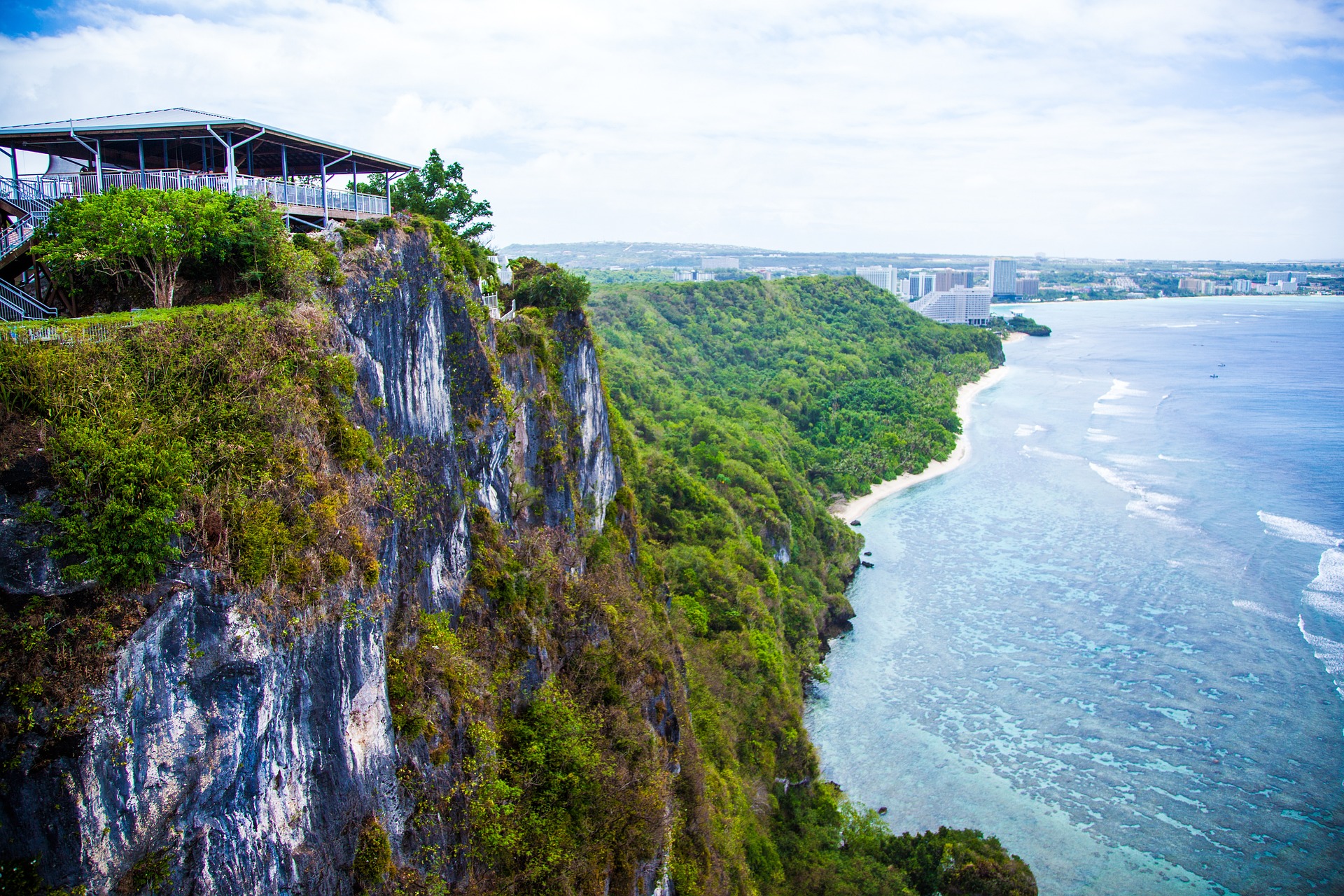
Guam, the largest and southernmost island in the Mariana Islands archipelago, is a vibrant destination where ancient indigenous traditions meet modern American influence. Located in the western Pacific Ocean within the region of Micronesia, this unincorporated territory of the United States is known for much more than its strategic military importance. It is a land defined by the “Hafa Adai” spirit—a warm, welcoming hospitality rooted in thousands of years of history. For the curious traveler, Guam offers a unique tapestry of cultural resilience, world-class diving, and a culinary scene that reflects its complex colonial past and diverse population.
The Heart of the Pacific: CHamoru Culture and Heritage
At the core of Guam’s identity is the CHamoru people, the indigenous inhabitants who have lived on the island for approximately 4,000 years. Their culture is a testament to endurance, having survived centuries of colonization and the scars of World War II. Understanding what Guam is known for begins with an appreciation of the “Inafa’ Maolek” philosophy—a concept centered on restoring harmony, mutual respect, and community cooperation.
The Significance of the Latte Stone
Perhaps the most iconic symbol of Guam is the latte stone. These ancient pillars, consisting of a limestone base (haligi) and a hemispherical cap (tasa), were used by the CHamoru ancestors as foundations for their homes. Today, they serve as a powerful emblem of identity and strength. Visitors can see these structures firsthand at Latte Stone Park in Hagåtña, where eight original stones stand as a reminder of the island’s pre-colonial engineering. For a more immersive experience, the Valley of the Latte Adventure Park offers tours along the Talofofo River, where ancient latte sites are nestled within lush jungle landscapes, providing a glimpse into how the early inhabitants thrived in harmony with nature.
Colonial Influence and Resiliency
Guam’s history is marked by over 300 years of rule by Spain, which significantly altered the island’s religious and social fabric. This era introduced Catholicism, which remains a cornerstone of local life today. The influence of Spain, along with cultural exchanges from Mexico and the Philippines, created a unique “Spanish-CHamoru” fusion. This is evident in the architecture of Inalåhan, a historic village where the streets feel like a step back in time. The Guam Museum in the capital city of Hagåtña provides an essential deep dive into these eras, showcasing how the CHamoru people managed to preserve their language and core values despite waves of foreign occupation.
A Culinary Journey: The Flavors of the Islands
For food lovers, Guam is famous for a flavor profile that is bold, spicy, and incredibly diverse. The local cuisine is a mirror of the island’s history, blending indigenous ingredients with influences from Spain, the Philippines, Japan, and the United States.
Signature Dishes You Must Try
No visit to Guam is complete without sampling Red Rice. This staple side dish gets its vibrant color from achote seeds and is a fixture at every village celebration. Another must-try is Kelaguen, a signature CHamoru preparation method where meat (often chicken, shrimp, or beef) is “cooked” using lemon juice, salt, and spicy peppers, then mixed with freshly grated coconut and green onions.
The heat of the island is often matched by the spice in its food. Finadene, a ubiquitous salty, sour, and spicy soy-based sauce, is served with almost every meal. For those who enjoy a hearty stew, Kadon Pika—a spicy chicken dish simmered in soy sauce, vinegar, and coconut milk—is a local favorite that embodies the comfort of home cooking.
The Chamorro Village Night Market Experience
Every Wednesday night, the Chamorro Village in Hagåtña transforms into a bustling hub of sensory delights. This night market is the best place for tourists to experience Guam’s food culture in one location. Smoke rises from barbecue pits as vendors grill sticks of marinated pork and chicken, and the air is filled with the sound of live music and laughter. It is more than just a place to eat; it is a community gathering where artisans sell traditional crafts, such as woven pandanus baskets and carved shell jewelry, making it the perfect spot for authentic souvenirs and cultural immersion.

Adventure and Marine Wonders: Diving the Abyss
Guam is a premier destination for scuba diving and snorkeling, renowned for its crystal-clear waters, vibrant coral reefs, and unique underwater historical sites. The island’s location near the Mariana Trench—the deepest part of the world’s oceans—contributes to its fascinating marine biodiversity.
Shipwrecks of Apra Harbor
What makes Guam truly unique in the diving world is Apra Harbor. It is one of the few places on Earth where divers can touch two shipwrecks from two different World Wars at the same time. The SMS Cormoran II, a German raider from World War I, and the Tokai Maru, a Japanese freighter from World War II, lie side-by-side on the ocean floor. This hauntingly beautiful site is a bucket-list experience for wreck divers and history buffs alike.
The Pristine Waters of Ritidian Point
For those who prefer to stay closer to the surface, Ritidian Point, located within the Guam National Wildlife Refuge, offers some of the most breathtaking white-sand beaches and turquoise waters on the island. The northern tip of Guam is characterized by limestone cliffs and a protected reef system teeming with tropical fish and sea turtles. Beyond the water, the refuge features ancient CHamoru cave drawings and nature trails, offering a serene escape from the more developed tourist areas like Tumon Bay.
Celebrations and Local Traditions
The social life of Guam revolves around its 19 villages, each with its own patron saint and annual festival. These events are the heartbeat of the island, showcasing the enduring influence of the Catholic faith and the CHamoru commitment to family and hospitality.
The Spirit of the Village Fiesta
If you are lucky enough to be invited to a village fiesta, you will witness the true essence of Guam. These celebrations are open to the community and visitors alike, featuring massive spreads of food, traditional dancing, and religious processions. It is a time when families open their doors to neighbors and strangers, embodying the island’s culture of generosity. The “Låte” or “Fiesta Table” is a sight to behold, often laden with dozens of dishes that have been prepared over several days.
Commemorating Liberation Day
The most significant secular holiday on the island is Liberation Day, celebrated annually on July 21st. This day commemorates the date in 1944 when United States forces landed on Guam to liberate the island from Japanese occupation during World War II. The festivities include a massive parade in Hagåtña, carnivals, and memorial services. It is a poignant time of reflection and celebration, honoring the resilience of the generation that endured the hardships of war.

Essential Tips for Navigating Guam
To make the most of a trip to Guam, tourists should keep a few practicalities in mind. While the island is small, it is packed with diverse experiences that require a bit of planning.
- Best Time to Visit: Guam enjoys a tropical climate year-round, but the dry season (January to June) is generally the most pleasant for outdoor activities. The rainy season (July to December) can bring humidity and occasional tropical storms, though the island is well-prepared for such weather.
- Transportation: While there is a public bus system and the “Red Guahan Shuttle” for tourists in Tumon Bay, renting a car is highly recommended. It provides the freedom to explore the southern villages, hidden overlooks like Two Lovers Point, and hiking trails like those leading to Mount Lamlam, which is technically the tallest mountain in the world when measured from its base at the bottom of the Mariana Trench.
- Local Markets: For a glimpse into local life, visit the Dededo Flea Market on Saturday or Sunday mornings. It is a fantastic place to find local produce, street food, and affordable clothing, offering a more grounded experience than the luxury shopping malls of Tumon.
- Respecting the Land: When visiting historical or natural sites, always follow the principle of “leaving no trace.” Many areas are considered sacred by the CHamoru people, and maintaining the beauty of the island is a collective responsibility.
Guam is known for its ability to bridge different worlds. It is a place where you can spend the morning exploring a Spanish fort, the afternoon diving a World War II shipwreck, and the evening enjoying a CHamoru feast under the stars. By focusing on its rich tourism offerings—from its ancient roots to its modern celebrations—visitors can discover an island that is much more than just a dot in the ocean; it is a profound cultural destination with a soul as deep as the waters that surround it.
LifeOutOfTheBox is a participant in the Amazon Services LLC Associates Program, an affiliate advertising program designed to provide a means for sites to earn advertising fees by advertising and linking to Amazon.com. Amazon, the Amazon logo, AmazonSupply, and the AmazonSupply logo are trademarks of Amazon.com, Inc. or its affiliates. As an Amazon Associate we earn affiliate commissions from qualifying purchases.