
Watermelon, the quintessential summer fruit, conjures images of sun-drenched days, picnics, and refreshing sweetness. For those exploring the Golden State, understanding the peak season for this beloved treat can enhance the local culinary experience. California, with its diverse microclimates and extensive agricultural landscape, offers a unique window into watermelon cultivation and enjoyment. This guide delves into the optimal times to savor California-grown watermelons, exploring the regions that produce them and how to best appreciate them throughout the year.
The Peak Season for California Watermelons
California’s vast agricultural output means that many fruits and vegetables are available for extended periods, thanks to sophisticated farming techniques and varied growing regions. However, for the absolute best flavor and quality, knowing the specific season is key.
Understanding the Growth Cycle
Watermelon thrives in warm, sunny conditions. California’s Mediterranean climate, particularly in its inland valleys, provides ideal temperatures for growth and sugar development. The typical growth cycle involves planting in the spring, followed by a summer of maturation, and then harvesting as the fruit ripens.
The Prime Harvesting Months
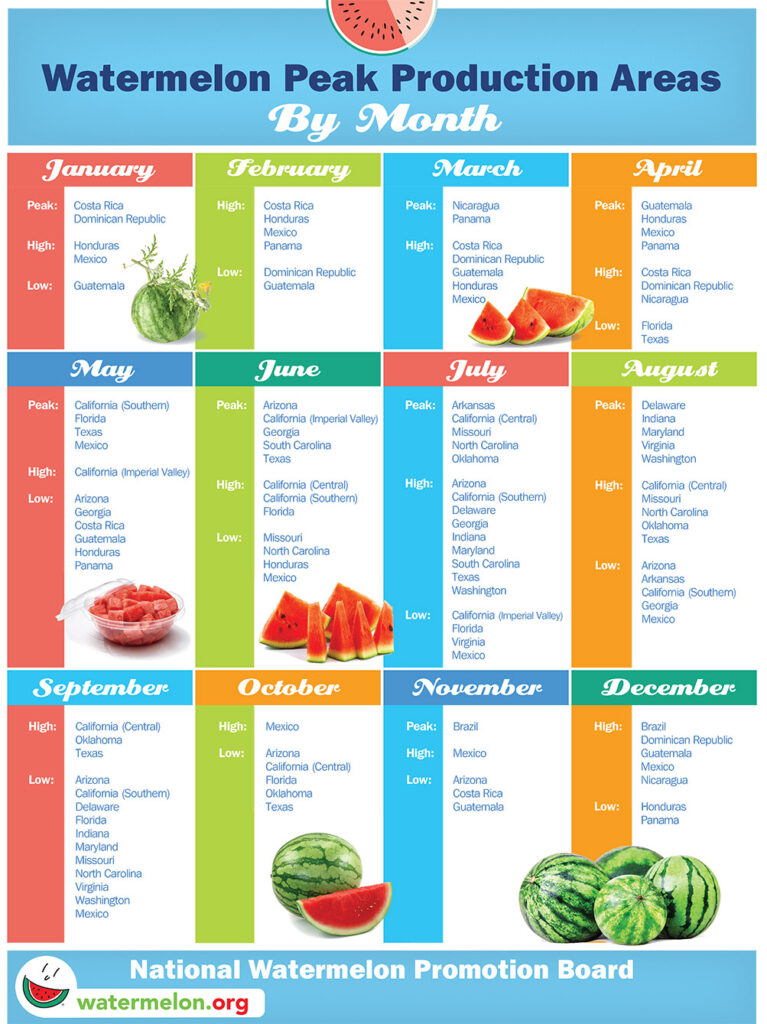
While you might find watermelons in grocery stores for a good portion of the year, the peak season for California-grown watermelons generally runs from late May through September.
- Early Summer (Late May – June): As the temperatures begin to rise consistently, the first harvests start appearing. These early watermelons are often smaller but possess a delightful sweetness, signaling the official start of summer’s bounty. This period is excellent for experiencing the freshness of newly ripened fruit.
- Mid-Summer (July – August): This is the undisputed prime time for watermelons in California. The intense summer sun ripens the fruits to perfection, resulting in the sweetest, juiciest, and most flavorful watermelons. Varieties like ‘Crimson Sweet,’ ‘Sugar Baby,’ and seedless options are abundant and at their best. This is the period when local farmers’ markets are overflowing with these iconic fruits.
- Late Summer (September): As the summer begins to wane, California watermelons continue to be available and offer excellent quality. While the extreme heat of July and August might be less prevalent, the fruits harvested during this time still retain their signature sweetness. This extended season allows for continued enjoyment well into the fall.
Factors Influencing Seasonality
Several factors can subtly influence the exact timing of the watermelon season:
- Specific Growing Region: Different regions within California have slightly different microclimates. For instance, the Imperial Valley in Southern California might see earlier harvests due to its warmer winter and earlier spring, while the Central Valley might follow a more traditional timeline.
- Weather Patterns: Unusual weather, such as a particularly cool spring or an extended heatwave, can shift the harvest dates by a week or two.
- Farming Practices: The specific varieties planted and the agricultural techniques employed by farmers also play a role in determining when their crops are ready for picking.
California’s Watermelon Growing Regions
California’s diverse geography supports a wide array of agricultural products, and watermelon cultivation is no exception. Certain regions stand out for their contribution to the state’s watermelon supply.
The Central Valley: The Heart of California Agriculture
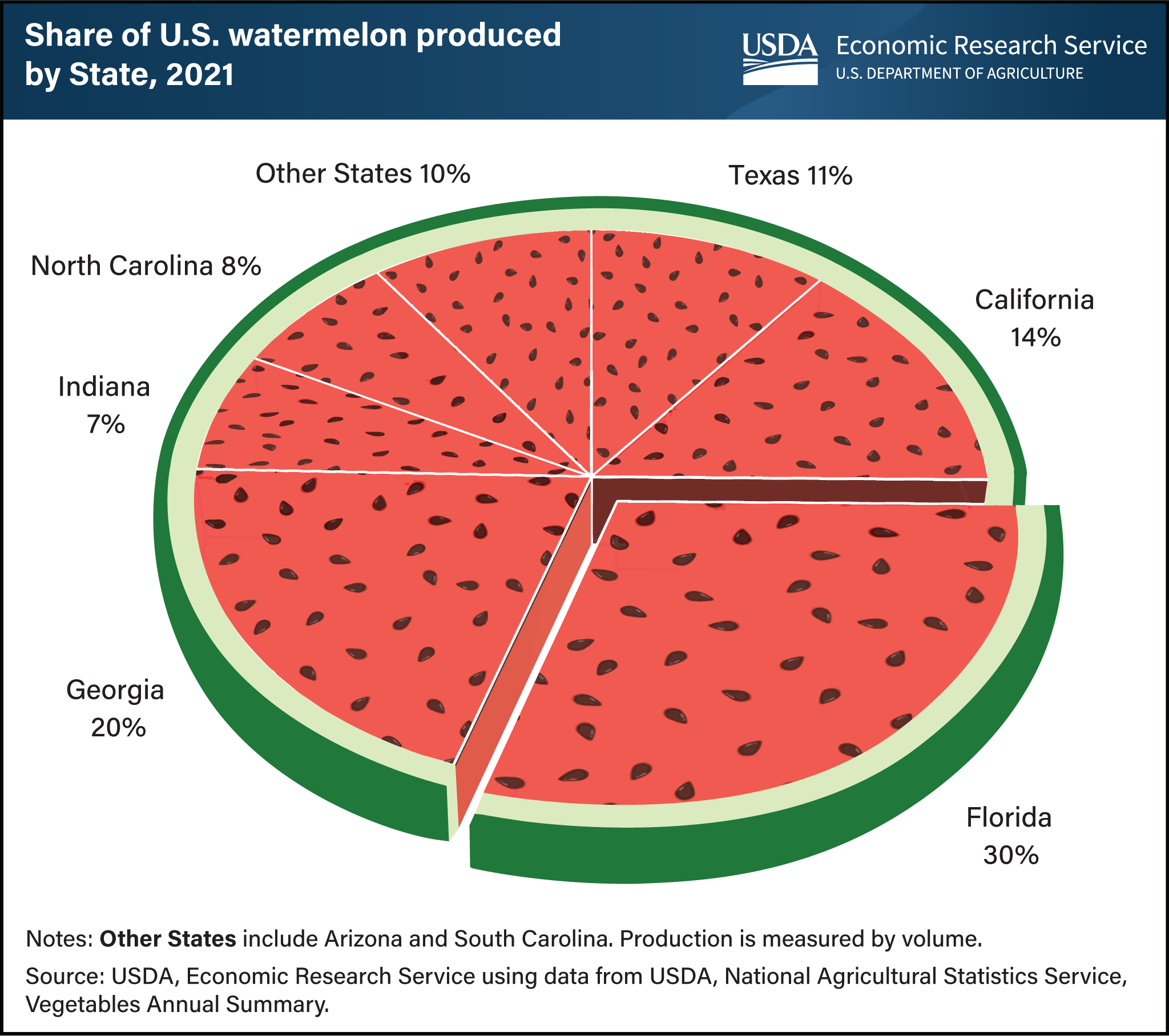
The Central Valley is the agricultural powerhouse of California, and it’s a significant producer of watermelons. This vast, fertile region stretches for hundreds of miles and is characterized by hot summers and mild winters, creating ideal conditions for many crops.
- Key Counties: Counties such as Fresno, Kern, and Tulare are notable for their extensive watermelon farms. These areas benefit from abundant sunshine and access to water for irrigation, crucial for growing these thirsty fruits.
- Varieties Grown: A wide range of watermelon varieties are cultivated here, from traditional seeded types to popular seedless hybrids and even smaller personal-sized watermelons.
Southern California’s Contribution
While the Central Valley often dominates headlines for its agricultural output, Southern California also plays a role in watermelon production, particularly in its warmer desert regions.
- Imperial Valley: Known for its extreme heat and productive soils, the Imperial Valley is an important area for early-season crops, including watermelons. The warmer climate here can sometimes lead to slightly earlier harvests compared to more northern agricultural areas.
- Coastal Influence: While less common, some watermelons may be grown in areas with coastal influence, though they typically benefit most from the intense heat found further inland.
Farmers’ Markets and Local Producers
Beyond the large-scale commercial farms, numerous smaller producers and family farms contribute to California’s watermelon supply. Visiting local farmers’ markets is an excellent way to discover these growers and purchase exceptionally fresh, locally sourced watermelons. These markets often showcase heirloom varieties and unique options not always found in supermarkets.
Maximizing Your Watermelon Experience in California
Knowing when watermelons are in season is just the first step. To truly savor this summer delight, consider how to best select, store, and enjoy them.
Selecting the Perfect Watermelon
Choosing a ripe, sweet watermelon can sometimes feel like an art. Here are some time-tested tips:
- Look for a Creamy Yellow Field Spot: This is the spot where the watermelon rested on the ground. A creamy yellow or even orange-yellow spot indicates the melon ripened on the vine in the sun. A pale or white spot suggests it was picked too early.
- Check the Weight: A ripe watermelon will be heavy for its size. This indicates it’s full of water and juice, meaning it’s ripe and ready.
- Inspect the Skin: The rind should be firm and free from bruises, cuts, or soft spots. A duller, matte finish is often preferred over a shiny one, as shininess can sometimes indicate an underripe melon.
- Tap Test (Optional): Some believe that tapping the watermelon should produce a deep, hollow sound, similar to thumping a drum. While this method is subjective, a dull thud might suggest a ripe melon, while a high-pitched sound could indicate an unripe one.
- Stem End: If the stem is still attached, it should be dry and brown, indicating it has naturally detached from the vine. A green stem might mean it was harvested prematurely.
Storage and Preparation
Once you’ve selected your perfect watermelon, proper storage and preparation ensure you get the most out of its flavor and texture.
- Whole Watermelons: Uncut watermelons can be stored at room temperature for a few days. For longer storage, refrigerate them. A whole watermelon can typically last for 1-2 weeks in the refrigerator.
- Cut Watermelons: Once cut, watermelon is highly perishable. Store it in an airtight container in the refrigerator and consume it within 3-4 days for optimal freshness and safety.
- Serving Suggestions: Beyond simply slicing and eating, watermelon can be a star ingredient in numerous dishes.
Culinary Uses and Pairings
California’s vibrant culinary scene embraces watermelon in a variety of creative ways.
- Refreshing Salads: Watermelon salads are a summer staple. Pair cubes of sweet watermelon with salty feta cheese, fresh mint or basil, red onion, and a balsamic glaze. This combination offers a delightful balance of sweet, salty, and herbaceous flavors.
- Grilled Watermelon: Grilling watermelon caramelizes its natural sugars, creating a smoky-sweet flavor that is surprisingly delicious. Serve grilled watermelon as a side dish or as part of a composed salad.
- Watermelon Smoothies and Juices: Blend watermelon with other fruits like berries or citrus for a revitalizing and hydrating drink. A splash of lime or mint can elevate the flavor profile.
- Chilled Soups: For a sophisticated appetizer, consider a chilled watermelon soup, often blended with cucumber, mint, and a touch of chili for a refreshing kick.
- Cocktails and Mocktails: Watermelon is a natural fit for summer beverages. Muddle it for cocktails like margaritas or mojitos, or blend it into refreshing mocktails.
By understanding the seasonality of California watermelons, from their peak in the warm months of summer to their cultivation in the fertile valleys and deserts, you can enhance your culinary adventures across the state. Whether you’re visiting a bustling farmers’ market in Los Angeles or enjoying a picnic near the coast, seeking out locally grown watermelons during their prime season guarantees a truly authentic and delicious taste of California summer.
LifeOutOfTheBox is a participant in the Amazon Services LLC Associates Program, an affiliate advertising program designed to provide a means for sites to earn advertising fees by advertising and linking to Amazon.com. Amazon, the Amazon logo, AmazonSupply, and the AmazonSupply logo are trademarks of Amazon.com, Inc. or its affiliates. As an Amazon Associate we earn affiliate commissions from qualifying purchases.