
Securing Your Dream Lifestyle in California Through Escrow
Embarking on the journey of homeownership in California is a significant life decision, often representing the culmination of long-held dreams and a commitment to a particular lifestyle. Whether you envision a beachfront property in Malibu, a vineyard estate in Napa Valley, or a bustling urban loft in San Francisco, understanding the financial intricacies of purchasing real estate is paramount. One critical, yet often misunderstood, aspect of this process involves escrow fees. These fees are an integral part of nearly every real estate transaction in the Golden State, serving as the financial gatekeeper that ensures a smooth and secure transfer of property.
Escrow itself is a neutral third-party service that holds all funds and documents related to a real estate transaction until all conditions of the sale are met. This process protects both the buyer and the seller, mitigating risks and ensuring that the complex choreography of a property transfer unfolds without a hitch. For many aspiring California residents, the lifestyle they seek is inextricably linked to the home they purchase, making a clear understanding of all associated costs, including escrow fees, a vital step in their financial planning. It’s not just about the sticker price of the home; it’s about the total cost of realizing that California dream, ensuring that your budget aligns with your long-term lifestyle goals. Neglecting to account for these closing costs can significantly impact your financial readiness and the quality of the lifestyle you can maintain once settled.
The Role of Escrow in Property Acquisition
At its core, escrow provides a layer of security and trust in a transaction involving substantial assets. The escrow holder, typically an escrow company or the title company’s escrow division, is responsible for managing all funds and documents according to the instructions of both parties. This includes receiving the buyer’s down payment, loan funds, and other closing costs, as well as holding the seller’s deed. The escrow officer ensures that all contractual obligations are satisfied—such as obtaining title insurance, clearing any liens, and fulfilling contingency clauses—before ultimately disbursing funds and recording the new deed. Without this impartial third party, the risk of disputes and fraud would be considerably higher, potentially jeopardizing the entire lifestyle investment a California home represents.
Why California Homeownership is a Lifestyle Choice
For many, owning a home in California isn’t just about having a place to live; it’s about embracing a distinct lifestyle. The state offers unparalleled diversity, from the vibrant urban centers of Los Angeles and San Diego to the serene natural beauty of the Sierra Nevada mountains and the tranquil coastlines. The choice of where to live—and what kind of home to buy—directly shapes daily experiences, access to amenities, school districts, community engagement, and even career opportunities. Consequently, budgeting accurately for all aspects of home purchase, including escrow fees, ensures that the initial investment supports, rather than detracts from, the desired California lifestyle. It’s about more than just a roof over your head; it’s about investing in a future rooted in a place that resonates with your personal aspirations and values.
Navigating the Financial Landscape of California Homeownership
The dream of a California lifestyle often comes with a significant price tag, and understanding all associated costs is crucial for sound financial planning. Beyond the purchase price and down payment, closing costs, including escrow fees, can add a substantial amount to the total expense. These fees are not fixed and can vary based on several factors, making it essential for both buyers and sellers to gain clarity early in the transaction. Ignoring these financial realities can lead to unforeseen expenses that could strain your budget and impact your ability to fully enjoy the California lifestyle you’ve worked to achieve. Proper financial preparation involves not only saving for the down payment but also meticulously accounting for every line item on the closing disclosure.
Understanding the Components of Your California Escrow Bill
Escrow fees themselves are typically calculated based on a percentage of the property’s sale price, plus a flat administrative fee. In California, this generally ranges from $2.00 per $1,000 of the sales price plus $250, to $2.50 per $1,000 plus $150, but these are merely guidelines. For instance, a home sold for $800,000 might incur an escrow fee of approximately $1,850 to $2,150, though this can fluctuate. This fee covers the escrow company’s services in managing the transaction. However, the escrow statement you receive will also include other closing costs that are collected and disbursed by the escrow holder, though they are not strictly “escrow fees.” These often include:
- Title Insurance Premiums: Essential for protecting both the buyer and the lender from potential disputes over property ownership. This is often the largest single component of closing costs.
- Recording Fees: Paid to the county recorder’s office to officially record the new deed and any loan documents.
- Notary Fees: For authenticating signatures on various legal documents.
- Loan Fees: If financing, these include origination fees, appraisal fees, credit report fees, and underwriting fees, charged by the lender.
- Property Taxes and Homeowner’s Insurance: Pro-rated amounts for these items, often collected for an initial period to establish an escrow account for future payments.
- Pest Control and Home Inspection Fees: While often paid outside of escrow, these can sometimes be included in the closing statement.
Factors Influencing Your Escrow Bill
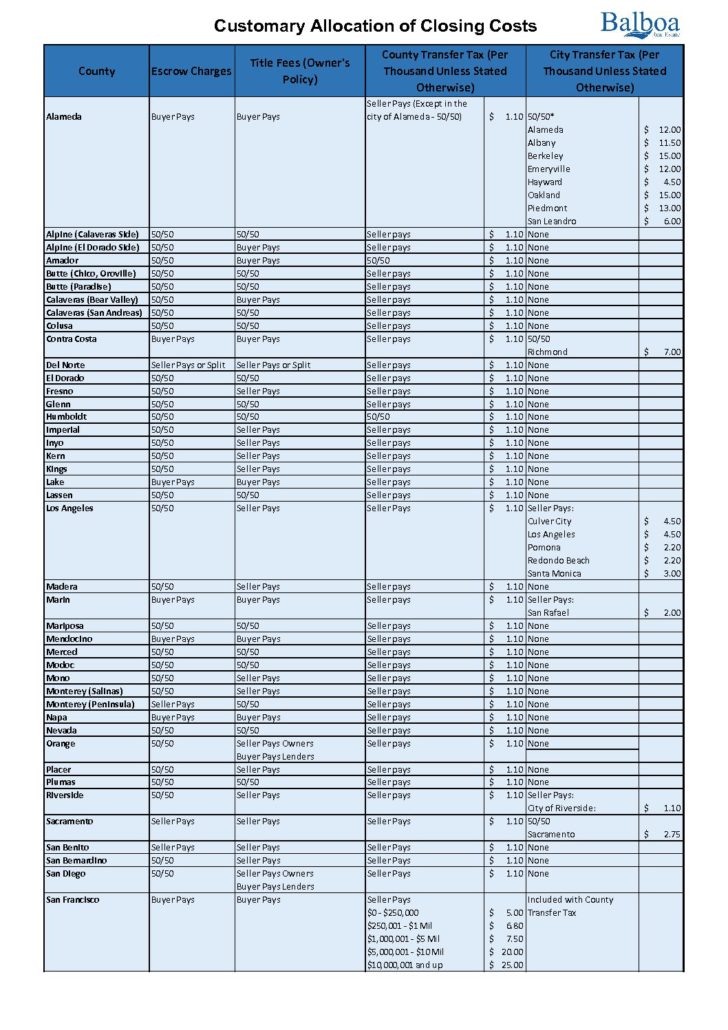
The total amount you pay in closing costs, including escrow fees, can be influenced by several factors unique to the California real estate market. The purchase price of the home is the primary driver for many fees calculated as a percentage. Additionally, the complexity of the transaction can play a role; for example, a short sale or a foreclosure might involve more extensive escrow services or additional legal fees. The specific escrow company chosen also matters, as fees can vary between providers. Larger, more established firms may have different pricing structures than smaller, local operations. Finally, local market customs and regulations within different California counties can subtly shift who pays for what and how certain fees are calculated, adding another layer of complexity to financial planning for your desired lifestyle.

Strategic Planning for Your California Investment and Lifestyle
Effective financial planning is crucial for making homeownership in California a sustainable and enjoyable part of your lifestyle. Understanding who traditionally pays for what when it comes to escrow fees and other closing costs, as well as knowing how to compare and negotiate these services, can lead to significant savings. These savings can then be channeled into enhancing your California lifestyle, whether through home improvements, exploring local attractions, or investing in experiences that enrich your daily life in your new community. Strategic financial decisions at the outset of your home purchase can set a positive tone for your long-term financial health and overall well-being.
Buyer vs. Seller Responsibilities
In California, the division of escrow fees is often a subject of negotiation between the buyer and the seller. While there’s no strict legal mandate, it’s common practice for escrow fees to be split 50/50 between both parties. However, this is always subject to the terms of the purchase agreement. In a competitive seller’s market, buyers might agree to pay a larger share, or even all, of the escrow fees to make their offer more attractive. Conversely, in a buyer’s market, sellers might cover a larger portion to facilitate the sale. Beyond the core escrow fee, other closing costs are typically assigned to either the buyer or the seller based on tradition and negotiation. For instance, buyers typically pay for their lender’s loan origination fees and appraisal costs, while sellers often pay for the owner’s title insurance policy and any transfer taxes. Being aware of these customary divisions allows you to negotiate more effectively, ensuring the financial terms align with your lifestyle budget.
Negotiating and Comparing Escrow Services
While the idea of negotiating closing costs might seem daunting, it is often possible to reduce certain fees. For example, some lenders may waive certain loan-related fees, or offer credits to offset closing costs, especially if you have an excellent credit score or are part of a special program. When it comes to the escrow company itself, it’s advisable to shop around. While your real estate agent or lender may recommend an escrow company, you have the right to choose your own. Obtain quotes from several licensed escrow providers, comparing their base fees, administrative charges, and any additional services included. A small difference in percentage or flat fee can add up, especially on higher-priced [California](https://lifeoutofthebox.com/california] properties. Furthermore, clarify what specific services are included in their quoted “escrow fee” to avoid unexpected charges later on. A proactive approach to comparing services ensures you get the best value, safeguarding your financial investment in your desired California lifestyle.
Regional Nuances: How Location Shapes Your California Lifestyle and Escrow Costs
California’s vast geographical and economic diversity means that the cost of living, including real estate and associated fees, can vary dramatically from one region to another. The choice of where to settle in California is a pivotal lifestyle decision, impacting everything from daily commute times to access to recreational activities and cultural experiences. Consequently, understanding how escrow fees and overall closing costs can differ based on location is essential for a realistic financial outlook and for choosing a community that truly aligns with your aspirations. Whether you dream of the bustling energy of a metropolitan area or the tranquility of a more rural setting, these regional nuances will play a significant role in your property acquisition budget.
Escrow Fees in Los Angeles vs. Sacramento
The sheer volume and value of real estate transactions in major metropolitan areas like Los Angeles and San Francisco often lead to higher overall closing costs, largely due to higher property values. While the percentage-based calculation for escrow fees might remain consistent, the dollar amount will naturally be higher for an $800,000 home in Los Angeles compared to a $400,000 home in Sacramento or the Central Valley. Beyond the purchase price, local real estate markets can also influence competition among escrow companies, potentially affecting their pricing. For example, in a highly competitive market, escrow companies might slightly adjust their administrative fees to attract business, or conversely, a dominant local player might have less incentive to offer deep discounts. Understanding these market dynamics is key when budgeting for your California lifestyle.
Rural vs. Urban California Considerations
The contrast between rural and urban California extends beyond property prices to influence various aspects of real estate transactions. In more rural or less densely populated areas, such as parts of Humboldt County or the Sierra foothills, transaction volumes might be lower, which could affect the availability and pricing of escrow services. While the base escrow fee structure might be similar, the local practices regarding who pays for specific closing costs can sometimes differ. Moreover, properties in rural areas might involve unique considerations, such as well water testing, septic system inspections, or specific surveys, which can introduce additional costs that are processed through escrow. Conversely, urban properties might incur higher municipal fees or specific local transfer taxes that are less common in rural settings. These regional distinctions underscore the importance of working with a local real estate agent and escrow officer who are intimately familiar with the specific practices and costs associated with your chosen California lifestyle destination.

Finalizing Your California Lifestyle: The Closing Process
The closing process is the culmination of your journey to California homeownership, the moment when all conditions are met, funds are disbursed, and the property officially changes hands. It’s a pivotal event that solidifies your investment in a new lifestyle. Being well-prepared for closing, particularly understanding the final financial breakdown, including all escrow fees and closing costs, ensures a smooth transition and avoids any last-minute surprises that could detract from the excitement of moving into your new home. This final stage is where the diligence of budgeting and planning for escrow fees truly pays off, allowing you to focus on the next chapter of your California adventure.
A few days before closing, you will receive a Closing Disclosure (CD) document. This comprehensive document details every financial aspect of the transaction, including the final escrow fees, title insurance premiums, loan charges, and prorated property taxes and homeowner’s insurance. It’s crucial to review this document meticulously, comparing it against the Loan Estimate you received earlier in the process. Any discrepancies should be immediately brought to the attention of your lender or escrow officer. Understanding each line item ensures that you are only paying for what was agreed upon and budgeted for, reinforcing your financial control over your new California lifestyle.
On closing day, or shortly before, you will typically sign all the final loan and property transfer documents. The escrow officer will then ensure all conditions are met, funds are transferred, and the deed is recorded with the county. Once recorded, the transaction is officially closed, and you receive the keys to your new home. This moment marks not just the end of a transaction, but the beginning of your new California lifestyle, made possible by careful planning and a clear understanding of all the financial commitments involved, including those essential escrow fees.
LifeOutOfTheBox is a participant in the Amazon Services LLC Associates Program, an affiliate advertising program designed to provide a means for sites to earn advertising fees by advertising and linking to Amazon.com. Amazon, the Amazon logo, AmazonSupply, and the AmazonSupply logo are trademarks of Amazon.com, Inc. or its affiliates. As an Amazon Associate we earn affiliate commissions from qualifying purchases.