
The glittering spectacle of Las Vegas is a modern marvel, a testament to human ingenuity and the allure of the desert. Yet, beneath the neon glow and the thrum of slot machines lies a history, a genesis that is far removed from the image of a 24/7 adult playground. Understanding when Las Vegas was founded is to peel back the layers of its transformation, from a humble watering hole to a global entertainment capital.
The Desert Oasis: Early Inhabitants and Explorers
Long before it bore the name Las Vegas, the region was a vital stop for indigenous peoples who recognized the strategic importance of its natural springs. These life-giving water sources in the arid landscape made it a crucial resting point for travelers traversing the vast expanse of the Mojave Desert.
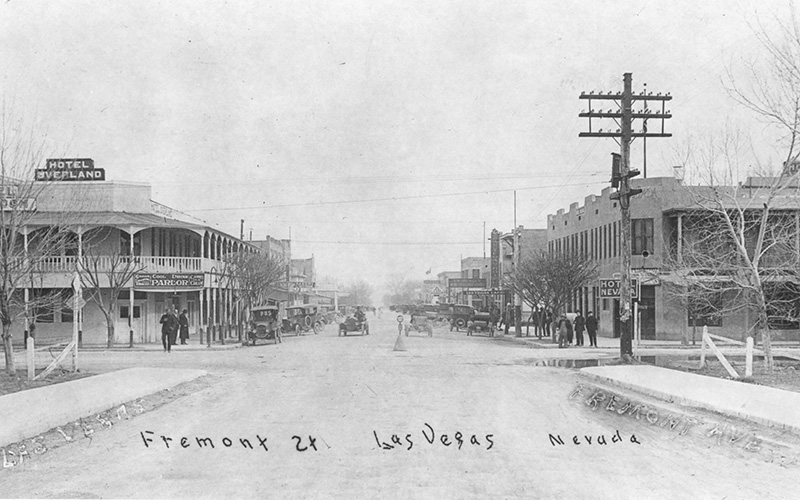
Indigenous Roots and the Meaning of “Las Vegas”
The area was historically inhabited by Native American tribes, including the Southern Paiute and Mojave. They understood the land’s resources, utilizing the springs for survival and establishing routes that would later be followed by explorers and settlers. The very name “Las Vegas” itself is a testament to this early, natural significance. It is Spanish for “the meadows,” a direct reference to the abundant grasslands and water that characterized the valley in its original state. This name was likely given by Spanish explorers in the 1820s, who encountered these lush meadows fed by artesian wells.
The Road to California: Early Expeditions
The 19th century saw increased exploration of the American West. One of the most significant figures in the early naming of the region was Mexican trader Antonio Armijo. In 1829, while leading a trading party along the Old Spanish Trail from New Mexico to California, his caravan paused to rest at the springs that would eventually lend their name to the city. Armijo’s route, and subsequent travelers, recognized the vital role these springs played in making the arduous journey feasible. The “meadows” became a welcome respite for those venturing westward, a crucial waypoint in a land of scarcity.
The Railroad and the Birth of a Town
The true catalyst for the formal establishment of a settlement in the Las Vegas Valley, however, came with the advent of the railroad. The promise of connection and commerce transformed the arid landscape into a potential hub.
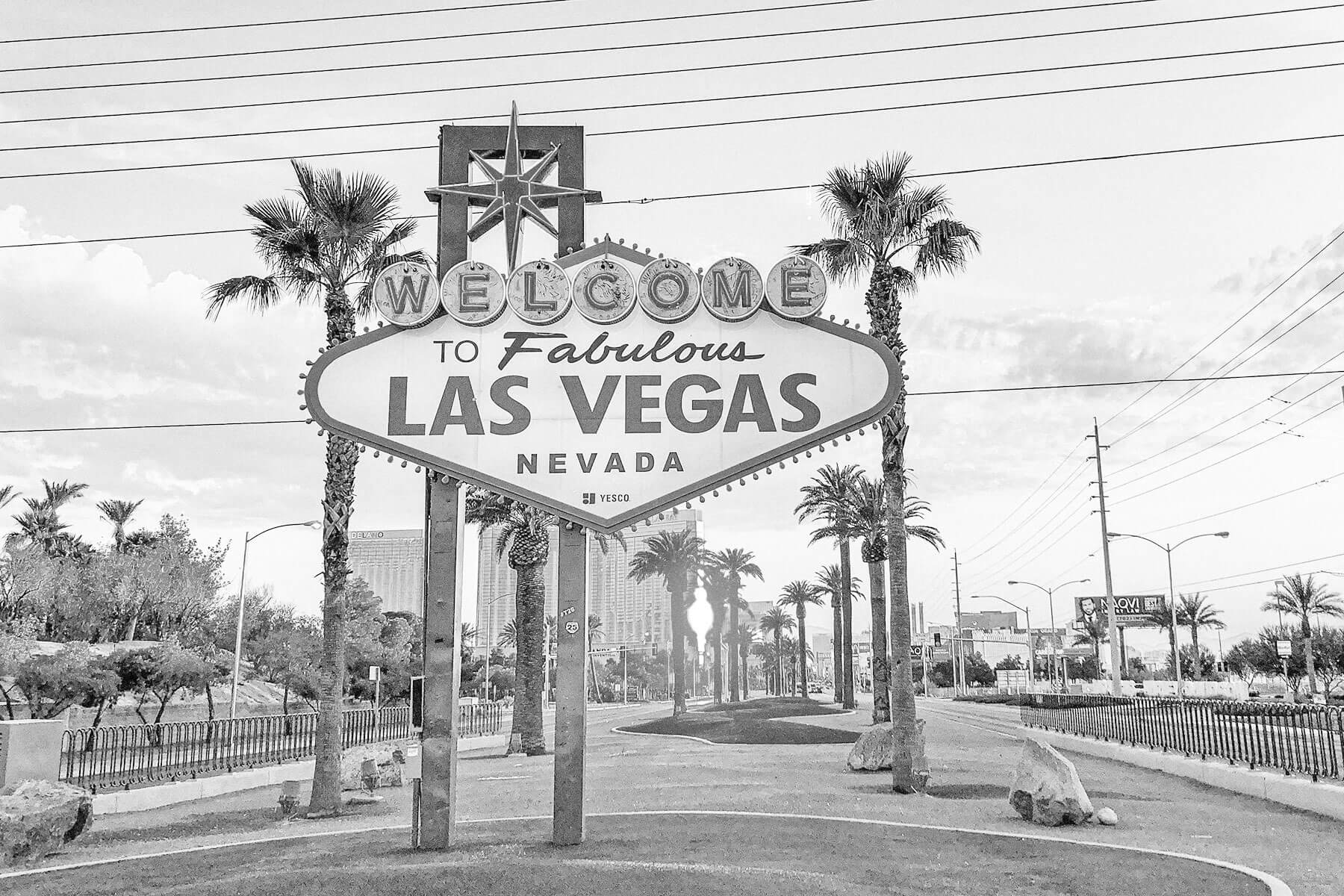
The San Pedro, Los Angeles & Salt Lake Railroad
The pivotal moment in the founding of Las Vegas as a modern entity arrived with the construction of the railroad. The San Pedro, Los Angeles & Salt Lake Railroad, later absorbed by the Union Pacific Railroad, was instrumental. Surveys for a railroad line through the valley began in the late 19th century, with the goal of connecting Salt Lake City, Utah, with Los Angeles, California.
The Official Founding: May 15, 1905
The official founding of the city of Las Vegas is widely recognized as May 15, 1905. This was the date when the San Pedro, Los Angeles & Salt Lake Railroad held a public auction of land parcels it owned in the valley. This land sale, orchestrated by the railroad company, effectively laid out the initial street grid and marked the genesis of the township. It was the railroad that brought people, commerce, and the infrastructure necessary for a permanent settlement. Prior to this, the area was sparsely populated, with a few ranches and a small military outpost. The railroad land auction transformed this desert crossroads into a planned community, igniting the spark of what would become the modern city.
From Railroad Stop to Boomtown: The Early Decades
The initial years of Las Vegas were characterized by its role as a crucial railroad division point and a service center for surrounding mining and agricultural activities. Its growth was steady, albeit modest, for the first few decades of its existence.
The Impact of Water Rights and Agriculture
The availability of water from the springs was not only important for travelers but also for developing agriculture. Early settlers and the railroad company recognized the potential for farming in the valley. The establishment of irrigation systems, often powered by the very springs that gave the area its name, allowed for the growth of crops and supported the burgeoning population. Water rights became a critical aspect of land ownership and development, influencing the direction of the city’s expansion.
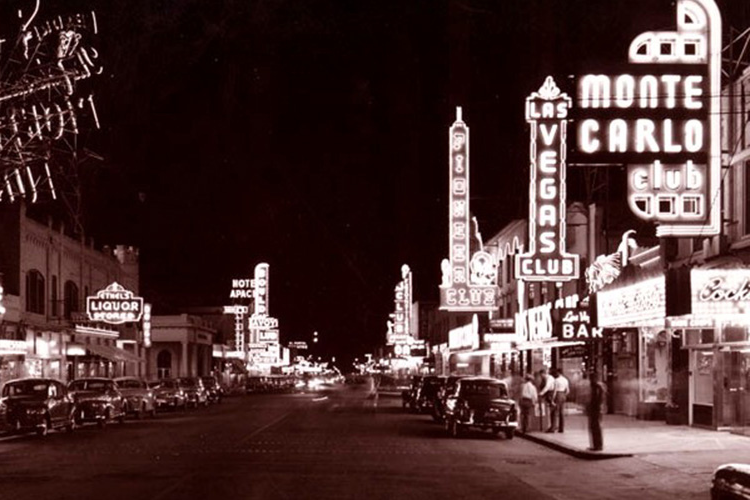
World War II and the Rise of Gaming
While Las Vegas had its beginnings rooted in transportation and natural resources, its trajectory towards becoming a global entertainment destination was dramatically accelerated by a confluence of factors, most notably the easing of gambling restrictions and the influx of military personnel during and after World War II. In 1931, Nevada legalized most forms of gambling, a move that would forever alter the destiny of this desert town. The construction of nearby military bases, such as Nellis Air Force Base, brought a significant influx of servicemen. These soldiers, looking for recreation and entertainment during their off-duty hours, found a ready supply of casinos and clubs in Las Vegas. This demand fueled the growth of the gaming industry, laying the foundation for the iconic casinos and resorts that define the city today. The subsequent development of large-scale resorts in the mid-20th century, attracted by the burgeoning gaming scene and favorable business climate, cemented Las Vegas as a mecca for entertainment and a symbol of American leisure.
LifeOutOfTheBox is a participant in the Amazon Services LLC Associates Program, an affiliate advertising program designed to provide a means for sites to earn advertising fees by advertising and linking to Amazon.com. Amazon, the Amazon logo, AmazonSupply, and the AmazonSupply logo are trademarks of Amazon.com, Inc. or its affiliates. As an Amazon Associate we earn affiliate commissions from qualifying purchases.