
California, often referred to as the Golden State, is a land of unparalleled beauty, diverse landscapes, and a lifestyle that draws millions from across the globe. From the sun-kissed beaches of Malibu to the majestic peaks of the Sierra Nevada and the vibrant urban centers of Los Angeles and San Francisco, it offers an endless array of experiences for every type of traveler and prospective resident. Whether you dream of a permanent move, a long-term stay, investing in a charming vacation rental, or simply understanding the underlying economic fabric that supports this incredible destination, grasping the intricacies of property taxation is surprisingly vital. While it might seem like a dry topic, property taxes in California are a cornerstone of the state’s financial health, directly impacting everything from local infrastructure and public services to the cost of accommodation and the overall economic landscape that shapes your travel and living experiences. Understanding “when property taxes are due in California” isn’t just for homeowners; it’s a piece of the puzzle for anyone considering a deeper connection with this iconic state, influencing budgeting for a dream home, the viability of an investment property, or even the subtle costs reflected in the tourism sector.

Understanding California’s Property Tax Calendar: Key Dates for Your Golden State Journey
For those considering a move, investing in a holiday rental, or simply planning an extended stay that might involve property ownership, knowing the annual property tax calendar in California is essential. Unlike some states with a single annual payment, California typically divides its annual property tax into two installments, each with a specific due date and a subsequent delinquency date. Missing these deadlines can result in penalties, adding an unnecessary expense to your California adventure or investment.
The Annual Tax Bill: What to Expect and When
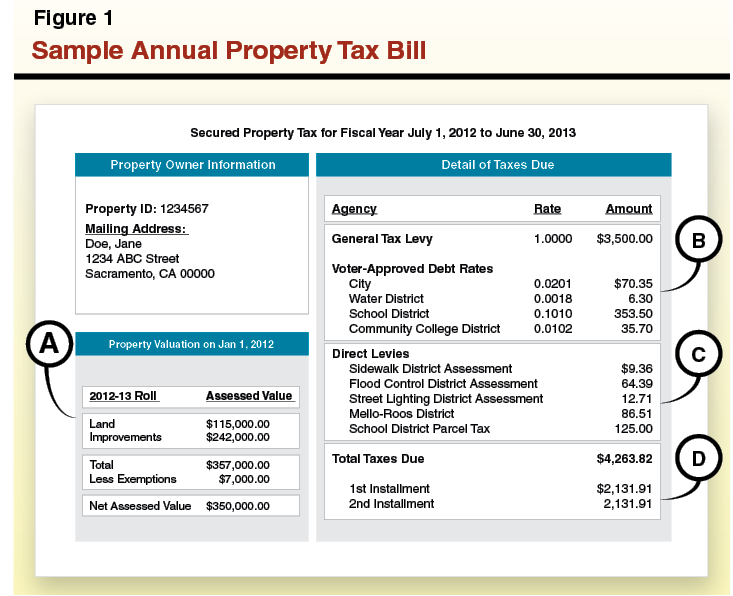
The primary annual property tax bill, often referred to as the secured property tax bill, covers the fiscal year from July 1st to June 30th of the following year. While the bill is mailed out well in advance, usually by early October, the payment deadlines are fixed and crucial to remember.
- First Installment Due Date: November 1st
- The first installment of your annual property taxes is officially due on November 1st. This payment covers the first half of the fiscal year, from July 1st through December 31st. While it’s due on November 1st, there’s a grace period before penalties apply.
- First Installment Delinquent Date: December 10th
- If the first installment is not paid by 5:00 PM on December 10th, it becomes delinquent. A 10% penalty is automatically added to the unpaid balance. If December 10th falls on a weekend or holiday, the delinquency date is extended to the next business day.
- Second Installment Due Date: February 1st
- The second installment of your annual property taxes is officially due on February 1st. This payment covers the second half of the fiscal year, from January 1st through June 30th.
- Second Installment Delinquent Date: April 10th
- Similar to the first installment, if the second installment is not paid by 5:00 PM on April 10th, it becomes delinquent. A 10% penalty plus a $10 cost is automatically added to the unpaid balance. Again, if April 10th falls on a weekend or holiday, the delinquency date is extended to the next business day.
It’s important to note that these dates apply to the majority of property owners. While your mortgage lender might handle these payments via an impound account, it remains the property owner’s responsibility to ensure taxes are paid on time. Always verify with your county tax collector’s office for exact dates and procedures, as minor variations can occur.
Supplemental Tax Bills: Navigating Changes in Ownership or New Construction
Beyond the regular annual property tax bill, California also issues “Supplemental Tax Bills.” These often catch new homeowners or investors off guard, especially those unfamiliar with the state’s unique property tax system. A supplemental bill is generated when there’s a change in ownership (e.g., you purchase a property) or new construction is completed. It reflects the increase in property value from the date of change until the start of the next annual tax roll.
- When They Arrive: Supplemental bills are mailed in addition to your annual secured property tax bill and can arrive at any time of the year, often several months after the ownership change or completion of construction.
- Payment Schedule: Supplemental bills also have two installments, with due dates varying depending on when the bill is issued. Generally, the first installment is due on the last day of the month following the month the bill was mailed, and becomes delinquent if not paid by the last day of the fourth month following the mailing date. The second installment is then due on the last day of the fourth month following the mailing date and becomes delinquent if not paid by the last day of the fifth month.
- Why They Matter: For someone moving to California or purchasing a vacation home in a desirable area like Napa Valley or Palm Springs, anticipating these supplemental taxes is crucial for accurate budgeting. They represent the immediate re-assessment of your property’s value, which can significantly impact your initial financial outlay.
The Lifestyle Connection: How Property Taxes Shape Your California Experience
While property tax due dates might seem like a purely administrative detail, their implications resonate deeply across the diverse fabric of California life. From influencing the affordability of an upscale lifestyle to shaping the quality of your stay, whether you’re a long-term resident or a transient visitor, these taxes play a pivotal role.
For Prospective Residents and Long-Term Stays: Budgeting for the California Dream
Many dream of embracing the California lifestyle – perhaps retiring in a serene coastal town like Carmel-by-the-Sea, finding career opportunities in Silicon Valley, or enjoying the vibrant culture of San Diego. However, the cost of living, particularly housing, is a significant consideration. Property taxes are an unavoidable and often substantial component of homeownership costs, directly impacting your monthly budget and overall financial viability in the Golden State.
- Impact on Affordability: Property values in desirable areas like Beverly Hills or even popular family-friendly suburbs can be high, translating into significant annual tax bills. Understanding these costs upfront is crucial for realistic financial planning, ensuring that the “California Dream” remains within reach. For digital nomads considering a long-term rental or purchase, these figures influence the overall expense of establishing a base.
- Choosing Your Location: Property tax rates can vary slightly by county and specific taxing districts, which might influence your choice of where to settle. While the base rate is generally 1% of the assessed value (thanks to Proposition 13), additional local bonds and assessments can push the effective rate higher. Researching these nuances in areas like Orange County versus more rural locales is part of smart planning.
- Long-Term Financial Planning: For those envisioning retirement in California, property taxes are a recurring expense that needs to be factored into long-term financial security. They contribute to the total carrying cost of a home, alongside mortgage payments, insurance, and utilities.
For Investors and Accommodation Providers: Managing the Costs of Hospitality in California
The tourism and hospitality sector is a cornerstone of California’s economy. From boutique hotels in Napa Valley to vacation rentals along the Mendocino Coast or luxury resorts in Palm Springs, investors and operators play a vital role. For these businesses, property taxes are a critical operating expense that directly impacts profitability and pricing strategies.
- Operational Budgeting: Owners of hotels, motels, bed and breakfasts, or short-term vacation rentals must meticulously factor property taxes into their operational budgets. These costs influence room rates, package deals, and the overall competitiveness of their offerings. A sound understanding of tax due dates ensures that businesses avoid penalties and maintain healthy cash flow.
- Investment Viability: For prospective investors looking to acquire property for tourism purposes, whether it’s a small guesthouse or a large resort, property taxes are a key component of due diligence. They inform the projected return on investment, particularly in areas with rapidly appreciating property values like Santa Monica or Big Sur. The timing of supplemental tax bills is also crucial here, as they can significantly alter initial outlay.
- Supporting Tourism Infrastructure: Indirectly, the property taxes paid by hospitality businesses contribute to the very infrastructure that attracts tourists. Well-maintained roads for scenic drives along the Pacific Coast Highway, beautiful public beaches, and local attractions are all supported by municipal funds, a significant portion of which comes from property taxes.
Indirect Impacts for Every Visitor: Taxes and the Quality of Your Stay
Even if you’re just visiting California for a short holiday, property taxes subtly influence your experience. While you won’t be paying them directly, their effect is embedded in the cost of services, the quality of public spaces, and the overall ambiance of the places you visit.
- Pricing of Goods and Services: Businesses, including hotels, restaurants, and tour operators, factor their operational costs (which include property taxes) into the prices they charge. This means that a portion of what you pay for a hotel room in Hollywood or a meal in San Francisco indirectly helps cover property tax obligations.
- Quality of Public Spaces and Infrastructure: Property taxes are a primary funding source for local government services, including maintaining roads, parks, libraries, and emergency services. These are the very elements that enhance a visitor’s experience. Imagine visiting a pristine California State Park or enjoying a well-kept promenade like the Santa Monica Pier – these amenities are often supported by the local tax base.
- Community Vibe: Thriving local communities, supported by robust tax revenues, tend to offer a richer, more engaging experience for visitors. Funds from property taxes can support local arts programs, community events, and historical preservation efforts, all of which contribute to the unique charm and appeal of California’s many destinations, from the Wine Country to bustling city centers.

Navigating Exemptions and Special Programs: Optimizing Your California Homeownership
For those deeply considering property ownership in California, understanding not just when to pay but also how to potentially reduce your tax burden is invaluable. The state offers various exemptions and programs designed to provide relief to eligible homeowners, making the dream of living here more attainable for specific demographics.
Proposition 13 and Its Lasting Influence
Any discussion of California property taxes is incomplete without mentioning Proposition 13. Passed in 1978, this landmark amendment to the California Constitution fundamentally changed how properties are assessed. It capped the annual increase in assessed property value at 2% (unless there’s a change of ownership or new construction) and set the base property tax rate at 1% of the assessed value.
- Stabilized Tax Base: For long-term homeowners, Proposition 13 provides significant protection against rapidly increasing property tax bills, even as market values soar in popular areas like San Francisco or Los Angeles. This stability is a key factor in making long-term residence in the Golden State more predictable financially.
- Impact on New Buyers: Conversely, new property owners pay taxes based on the current market value at the time of purchase, which can be significantly higher than taxes paid by long-standing neighbors. This contributes to the cost of entry for new residents or investors looking to establish accommodation businesses in prime locations.
- Intergenerational Transfers: Proposition 13 also includes provisions for intergenerational transfers, allowing parents to transfer their primary residence (and sometimes other properties) to their children without triggering a reassessment to current market value, offering a unique benefit for families with long ties to California.
Exploring Exemptions and Relief Programs
Beyond Proposition 13, California offers several exemptions and relief programs that can reduce your property tax bill. Understanding eligibility for these can be a substantial financial benefit, especially for those budgeting for a new life or retirement in the state.
- Homeowners’ Exemption: This is the most common exemption, providing a reduction of up to $7,000 from the assessed value of a primary residence. For a new homeowner moving into a dream home in San Diego or a quiet town near Yosemite National Park, this can translate to a modest but welcome tax saving. It must be applied for and is generally available to owner-occupiers.
- Senior Citizen and Disabled Citizen Property Tax Postponement: This program allows eligible seniors (aged 62 or older), blind, or disabled homeowners to postpone payment of property taxes on their primary residence. While not an exemption, it offers significant financial flexibility for those on fixed incomes, helping them maintain their lifestyle in California.
- Disabled Veterans’ Exemption: Qualified disabled veterans and their unmarried surviving spouses may be eligible for an exemption that reduces the assessed value of their primary residence, offering substantial relief.
- Disaster Relief: In the unfortunate event of a natural disaster, California provides tax relief for properties substantially damaged or destroyed. This is crucial for communities susceptible to wildfires or earthquakes, helping residents rebuild and maintain their homes.
Staying informed about these programs through your county assessor’s office is highly recommended for any current or prospective homeowner.
Beyond the Bill: How Property Taxes Elevate California’s Appeal
When property tax bills arrive, it’s easy to focus solely on the financial obligation. However, it’s equally important to recognize the profound positive impact these revenues have on the very qualities that make California a premier destination for travelers, a desirable place to live, and a fertile ground for businesses, including those in tourism and accommodation.
Funding Infrastructure and Public Services: The Unseen Benefits for Travelers
Property taxes are the lifeblood of local governments in California. The funds collected are reinvested into a vast array of services and infrastructure that directly or indirectly enhance the experience of residents and visitors alike.
- Roads and Transportation: Smooth, well-maintained roads are essential for road trips along the Pacific Coast Highway, commutes in Los Angeles, or access to national parks like Death Valley National Park or Joshua Tree National Park. Property taxes help fund their construction and upkeep.
- Public Safety: Police and fire departments, essential for safety in bustling cities, quiet towns, and remote natural areas, are largely funded by local taxes. This ensures a secure environment for all who travel and reside in the state.
- Parks and Recreation: From urban green spaces in San Francisco to county and regional parks offering hiking trails and picnic areas, these public amenities are supported by tax dollars. They provide invaluable recreational opportunities and contribute to the state’s natural beauty, drawing tourists to destinations like Lake Tahoe and Catalina Island.
- Schools and Libraries: While seemingly separate from tourism, excellent local schools contribute to thriving communities, which in turn foster a high quality of life and a strong local economy – factors that indirectly enhance the visitor experience through vibrant local culture and amenities. Libraries often serve as community hubs, sometimes even hosting local cultural events.
Investing in Local Communities: From Coastal Cities to Mountain Retreats
Beyond basic infrastructure, property tax revenues allow local communities to invest in unique projects and services that define their character and enhance their appeal.
- Cultural Attractions: Many local museums, art galleries, and historical preservation efforts, which attract cultural tourists, receive funding or indirect support from local tax revenues. Imagine visiting a historic mission or a charming town center – these elements are often preserved and enhanced through community investment.
- Community Events: Local festivals, farmers’ markets, and public events that showcase local culture, food, and crafts, are often supported by municipal budgets. These events are significant draws for visitors seeking authentic California experiences.
- Environmental Protection: Funds may also be allocated to local environmental initiatives, such as maintaining pristine beaches, protecting natural habitats, and ensuring clean air and water – all vital for sustaining California’s appeal as an eco-tourism destination.
So, while remembering those November 1st and February 1st due dates, take a moment to appreciate that your property tax payments, or the indirect contributions from those in the hospitality industry, are helping to fund the very allure of California. They are an investment in the scenic routes, the safe streets, the beautiful parks, and the vibrant communities that make the Golden State an unforgettable place to visit, live, and thrive.
Practical Tips for a Seamless Property Tax Experience in California
For anyone navigating property ownership in California, whether for personal residence or as an investment in the bustling travel and accommodation market, a proactive approach to property taxes can save time, money, and stress.
- Understand Your Specific County’s Rules: While the general due dates (November 1st and February 1st) are statewide, always verify details with your specific county’s tax collector and assessor-recorder’s office. Each county, from Los Angeles to Napa Valley, has its own website with specific forms, online payment options, and contact information.
- Enroll in e-Billing or Reminders: Most counties offer electronic billing and email reminders for tax due dates. This is an excellent way to ensure you never miss a payment, especially with the potential for supplemental bills arriving unexpectedly.
- Set Up an Impound Account: If you have a mortgage, your lender will often offer to set up an impound (or escrow) account, where a portion of your property taxes is collected with your monthly mortgage payment. The lender then pays the taxes on your behalf. This simplifies the process for many homeowners. However, always confirm that your lender is indeed making the payments on time.
- Budget for Supplemental Taxes: Especially for new homeowners or investors, remember that supplemental tax bills are a real possibility. Factor this into your initial purchase budget and be prepared for these additional payments. They can be substantial, particularly if you bought a property in a rapidly appreciating market or completed new construction.
- Explore Exemptions: If you are an owner-occupier, a veteran, or meet specific age/disability criteria, research and apply for any eligible exemptions like the Homeowners’ Exemption. These can provide tangible savings on your annual bill.
- Keep Records: Maintain meticulous records of all property tax bills and payments. This is crucial for your personal financial management and can be invaluable in case of any discrepancies or questions from the county.
- Know Your Appeal Rights: If you believe your property has been inaccurately assessed, you have the right to appeal the assessment. Understand the deadlines and procedures for filing an appeal with your county’s Assessment Appeals Board.
- Consult a Professional: For complex situations, such as large investment properties, navigating inherited property, or specific tax relief programs, consider consulting a tax professional or real estate attorney familiar with California property tax law.
By being informed and proactive, you can smoothly manage your property tax obligations in California, allowing you to fully enjoy all the incredible experiences this diverse and dynamic state has to offer, from exploring Disneyland Resort to marveling at Hearst Castle or crossing the iconic Golden Gate Bridge. Property taxes are simply a part of the vibrant tapestry that supports the Golden State, ensuring that its allure continues to captivate residents and visitors for generations to come.
LifeOutOfTheBox is a participant in the Amazon Services LLC Associates Program, an affiliate advertising program designed to provide a means for sites to earn advertising fees by advertising and linking to Amazon.com. Amazon, the Amazon logo, AmazonSupply, and the AmazonSupply logo are trademarks of Amazon.com, Inc. or its affiliates. As an Amazon Associate we earn affiliate commissions from qualifying purchases.