
The allure of Hawaii is undeniable, a tropical paradise beckoning with its stunning beaches, lush volcanic landscapes, and vibrant culture. However, planning a trip to the Hawaiian Islands can feel like navigating a complex puzzle, especially when it comes to timing. The “Aloha State” experiences distinct seasons, each offering unique advantages and potential drawbacks for travelers. The question of “When To Go To Hawaii?” isn’t a one-size-fits-all answer; it hinges on your priorities, whether you’re seeking the best weather, the lowest prices, specific activities, or a particular vibe. This comprehensive guide will delve into the nuances of each season, considering factors from weather patterns and crowd levels to pricing and special events, empowering you to make the most informed decision for your dream Hawaiian getaway.

Understanding Hawaii’s Climate: A Tale of Two Seasons
Hawaii operates on a largely tropical climate, characterized by warm temperatures year-round. However, instead of distinct spring, summer, fall, and winter, the islands experience two primary seasons: the dry season and the wet season. Understanding these periods is fundamental to choosing the optimal time for your visit.
The Dry Season: Ideal for Sun Seekers and Water Sports Enthusiasts
The dry season in Hawaii typically runs from April to September. This period is often synonymous with the summer months in mainland North America, making it a popular choice for families and those seeking consistent sunshine.
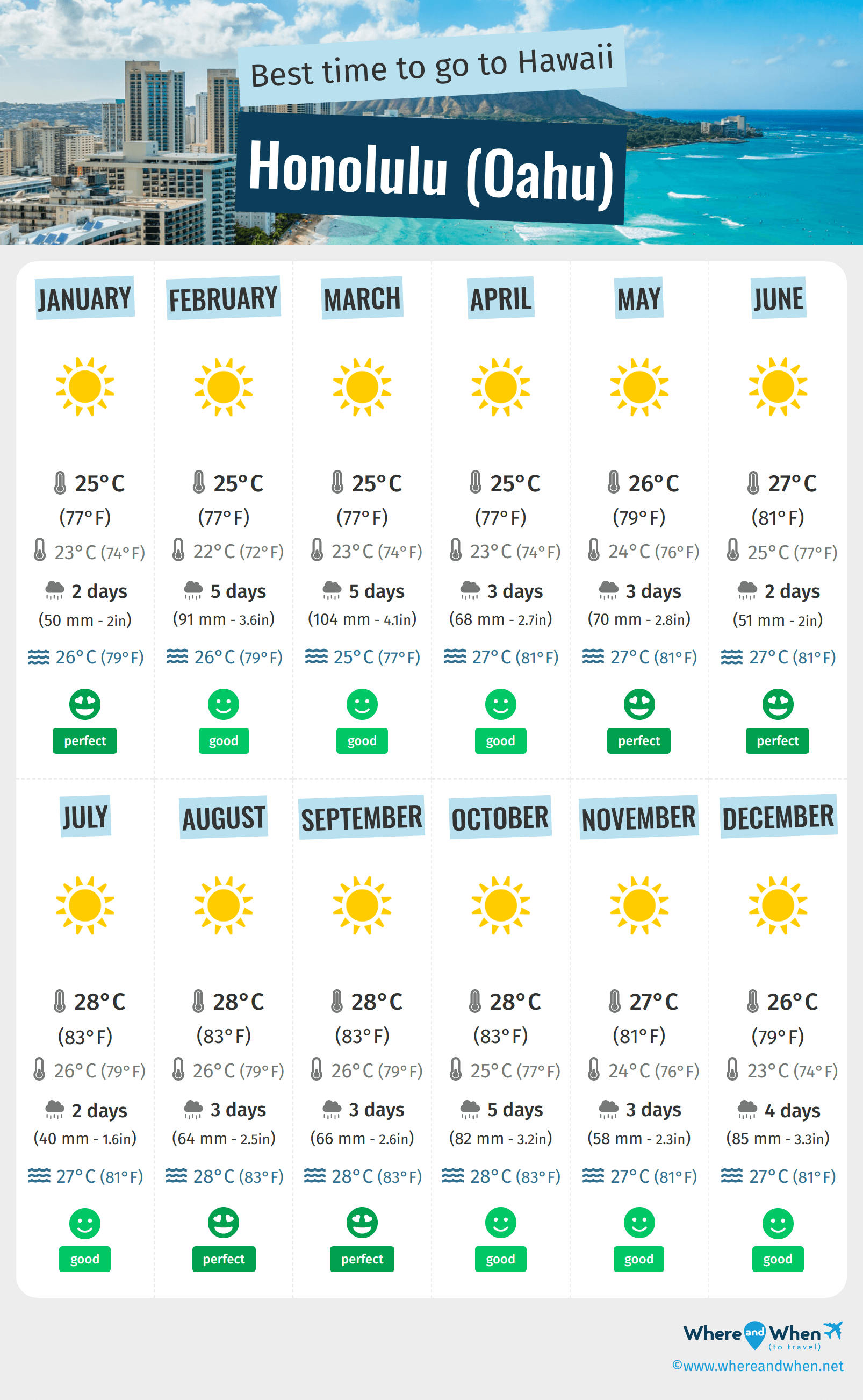
Weather: During these months, you can expect ample sunshine, with temperatures hovering in the comfortable mid-80s Fahrenheit (around 29-30 degrees Celsius) across most islands. Rainfall is minimal, particularly on the leeward (western) sides of the islands, which are often drier and sunnier. This makes it an excellent time for beach days, swimming, snorkeling, and diving. The waters are generally calmer, providing ideal conditions for these activities.
Crowds and Costs: As the most popular time to visit, the dry season, especially during June, July, and August, sees the highest number of tourists. This surge in demand translates to higher prices for flights and accommodation, from luxury resorts like the Four Seasons Resort Oahu at Ko Olina to budget-friendly apartments. Booking well in advance is crucial if you plan to travel during these peak months.
Activities and Experiences: The dry season is perfect for exploring Hawaii’s natural wonders. Hiking trails are generally less muddy, and opportunities for boat tours and whale watching (though the main whale season is earlier) are abundant. The vibrant energy of summer also means a plethora of local festivals and events. For those interested in experiencing the local culture, this is a prime time to immerse yourself in the island’s festive spirit. Iconic landmarks such as Pearl Harbor or the scenic drives along the Road to Hana are more accessible and enjoyable with less chance of rain.
Considerations for the Dry Season: While the weather is largely predictable and favorable, the significant crowds can detract from the serene experience some travelers seek. If your primary goal is to escape the hustle and bustle and find secluded spots, you might consider alternative timings. However, for those who thrive on vibrant activity and guaranteed sunshine, the dry season is hard to beat.
The Wet Season: A Quieter, Cooler, and Often More Affordable Experience
The wet season in Hawaii generally spans from October to March. While it’s characterized by more rainfall, it’s important to note that this doesn’t mean constant downpours. Often, rain falls in short, intense bursts, typically in the late afternoon or evening, leaving much of the day clear and pleasant.
Weather: Temperatures during the wet season are slightly cooler, typically in the high 70s to low 80s Fahrenheit (around 25-28 degrees Celsius). The windward (eastern) sides of the islands tend to receive more rain, leading to lush, verdant landscapes. This is also the season when the north shores of Oahu come alive with massive waves, attracting professional surfers and spectators to renowned spots like Banzai Pipeline. For those interested in surfing or witnessing this dramatic spectacle, this is the prime time.
Crowds and Costs: The shoulder months of the wet season – October, November (excluding Thanksgiving week), and January to March – often present the best value. You’ll find fewer crowds compared to the dry season, and accommodation and flight prices tend to be more affordable. This makes it an attractive option for budget travel and those seeking a more relaxed pace. However, the holiday period around Christmas and New Year’s is a significant exception, with prices soaring and crowds increasing dramatically.
Activities and Experiences: Despite the possibility of rain, the wet season offers unique experiences. The increased rainfall nourishes the island’s flora, making hikes through rainforests particularly stunning. The lush greenery is a photographer’s dream. The winter months also mark the peak of humpback whale season, especially from December to April, with the waters off Maui being a prime location for whale watching tours. This offers an incredible nature experience. For those seeking cultural immersion, many local culture events and festivals take place during this time, offering a glimpse into authentic Hawaiian traditions. Exploring historical landmarks and museums remains a fantastic option regardless of the weather.
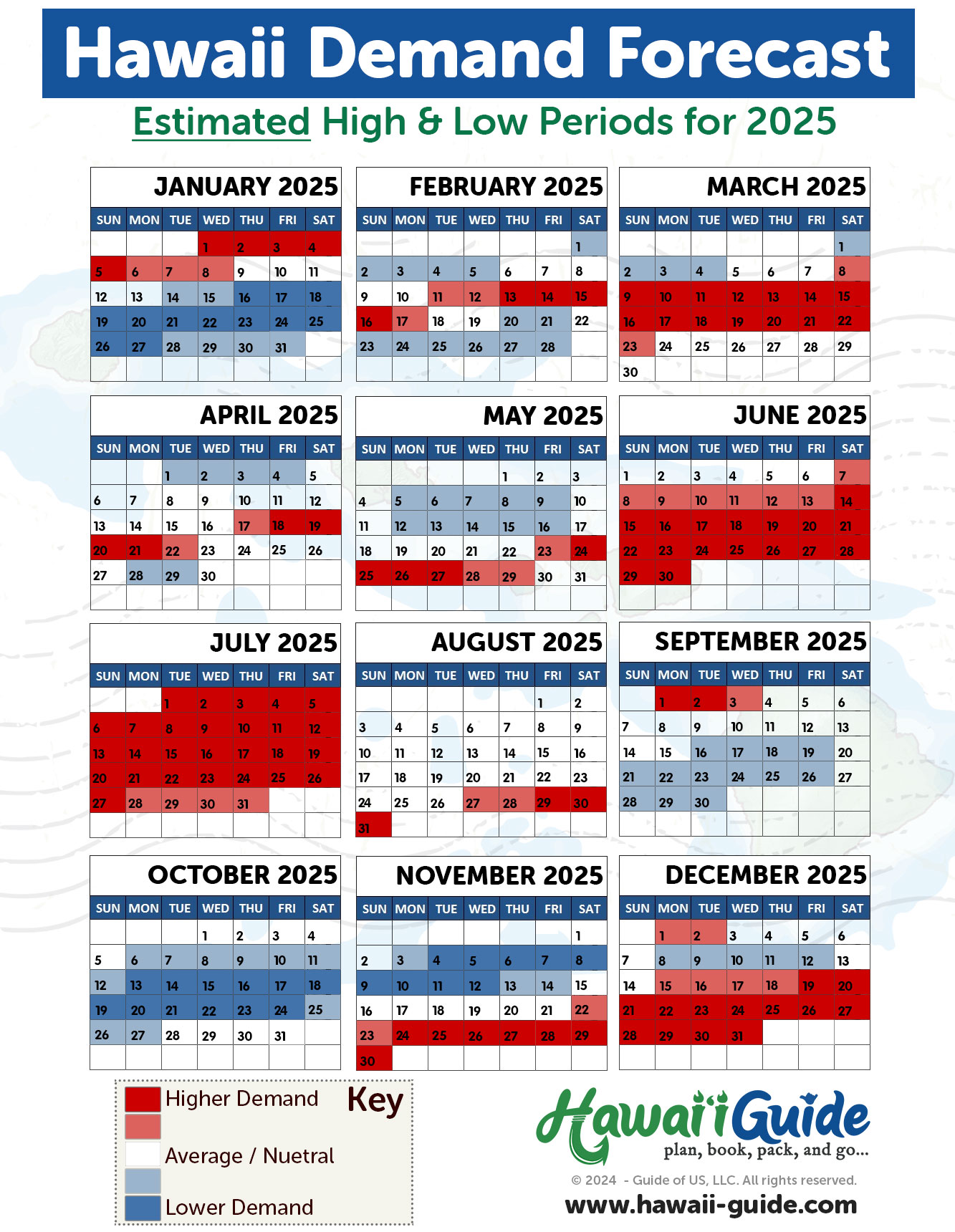
Considerations for the Wet Season: If your ideal vacation involves guaranteed sunshine every single moment of the day and calm ocean conditions for swimming, the wet season might require a bit more flexibility. However, for travelers who appreciate dramatic natural beauty, fewer crowds, potentially lower costs, and unique seasonal activities like whale watching or world-class surfing, the wet season can be incredibly rewarding.
Choosing Your Perfect Time: Factors to Consider
Beyond the general dry and wet seasons, several other factors can influence your decision on when to go to Hawaii.
Weather Nuances Across the Islands
While the general climate patterns apply to all the major islands, there are subtle differences.
- Oahu: Known for its vibrant city life in Honolulu and Waikiki, Oahu experiences a generally dry climate on its southern shores, making it a consistent choice year-round. The North Shore, however, sees much larger waves in the winter months.
- Maui: Maui is famous for its diverse microclimates. The leeward side, home to Ka’anapali and Wailea, is typically drier and sunnier, making it ideal for beach activities. The windward side, including Hana, is much wetter and lusher. Haleakala National Park experiences cooler temperatures at its summit and can have unpredictable weather.
- Kauai: The “Garden Isle” is known for its dramatic cliffs and lush rainforests. It receives significant rainfall year-round, especially on its north and east shores, contributing to its verdant beauty. The south and west coasts are generally drier.
- Big Island of Hawaii: The Big Island boasts incredible diversity, from the active Kilauea volcano to arid lava fields and lush rainforests. The Kona side is typically dry and sunny, while Hilo on the east side receives much more rain. The summit of Mauna Kea can experience snow in the winter months.
Avoiding Crowds and Saving Money
If your priority is to experience Hawaii with fewer tourists and at a lower cost, consider the shoulder seasons.
- Late April to Early June: This period bridges the end of the dry season and before the peak summer crowds arrive. You’ll find pleasant weather and fewer people.
- September to Early December (excluding Thanksgiving): This is another excellent window. The weather remains warm and mostly dry, but the summer rush has subsided, leading to more competitive pricing for flights and hotels.
Special Events and Activities
Hawaii hosts numerous events throughout the year, which might influence your travel dates.
- Whale Watching: The prime season for observing humpback whales is from December to April, with the peak usually occurring between January and March. Maui, particularly the waters between Maui, Lanai, and Molokai, is a world-renowned breeding and calving ground for these magnificent creatures.
- Surfing: For experienced surfers and spectators of big wave surfing, the winter months (November to February) on the North Shore of Oahu are legendary. Spots like Waimea Bay and Ehukai Beach become stages for some of the most thrilling surfing action on the planet.
- Festivals and Cultural Events: Throughout the year, various islands host Aloha Festivals, Merrie Monarch Festival (a prestigious hula competition held in Hilo in April), King Kamehameha Day celebrations (in June), and numerous local food festivals. Researching events on the specific island you plan to visit can add a unique cultural dimension to your trip.
Family Travel Considerations
For families, the dry season, particularly June, July, and August, often aligns with school holidays. While this is peak season and comes with higher costs and crowds, it offers the most reliable weather for outdoor family activities and beach fun. If you’re traveling with children during this time, booking accommodation and activities well in advance is highly recommended, especially if you’re looking for family-friendly resorts or villas with specific amenities. Alternatively, traveling during the less crowded periods of the wet season can offer a more relaxed and budget-friendly family experience, provided you’re prepared for the occasional rain shower. Many indoor attractions and cultural centers are available for those days.
Planning Your Hawaiian Adventure: A Final Word
Ultimately, the best time to go to Hawaii is when it best suits your individual travel style, budget, and interests. Each season offers its own unique charm and set of experiences. Whether you dream of basking in the relentless sun of the dry season, witnessing the dramatic power of winter waves, embarking on a luxury travel adventure, or enjoying a budget travel escapade, Hawaii has something to offer year-round. By carefully considering the climate, crowd levels, potential costs, and the specific activities and landmarks that call to you, you can meticulously plan a trip that creates lasting memories in this extraordinary island paradise. Remember to consider booking through reputable accommodation providers for a seamless experience. From the pristine beaches of Waikiki to the volcanic wonders of Hawaii Volcanoes National Park, your perfect Hawaiian journey awaits.
LifeOutOfTheBox is a participant in the Amazon Services LLC Associates Program, an affiliate advertising program designed to provide a means for sites to earn advertising fees by advertising and linking to Amazon.com. Amazon, the Amazon logo, AmazonSupply, and the AmazonSupply logo are trademarks of Amazon.com, Inc. or its affiliates. As an Amazon Associate we earn affiliate commissions from qualifying purchases.