
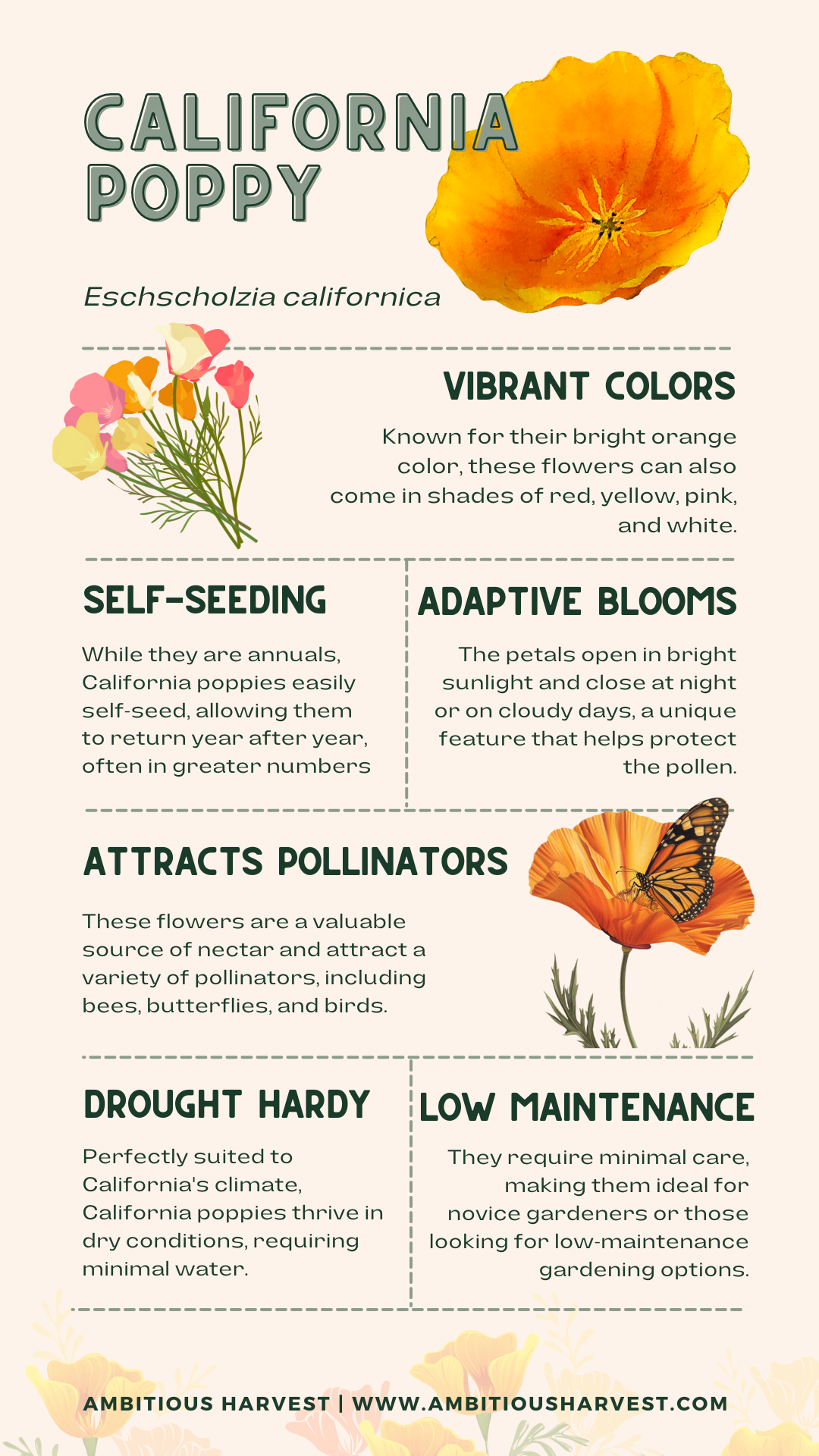
The California poppy, Eschscholzia californica, is an iconic bloom that paints the Golden State with vibrant hues of orange, yellow, and sometimes pink. Its resilience, drought tolerance, and spectacular display make it a sought-after addition to gardens across the region and beyond. Understanding the optimal timing for sowing these seeds is crucial for unlocking their full potential, ensuring a flourishing tapestry of color that graces landscapes from the coast to the mountains. While often associated with wild, untamed meadows, the California poppy thrives when given the right start, and its sowing schedule is directly tied to the unique climatic patterns of its native land.
Understanding California’s Climate and Poppy’s Needs
The success of sowing California poppy seeds hinges on a deep appreciation for the diverse microclimates present within California. This vast state experiences a spectrum of weather patterns, from the Mediterranean climate of the coast, characterized by mild, wet winters and dry summers, to the more extreme continental conditions found inland. The California poppy, adapted to this variability, generally prefers a cool, moist period for germination, followed by warmth and sunshine to encourage robust growth and abundant flowering.
The Influence of Temperature and Rainfall
- Germination Window: California poppies are cool-season germinators. This means they require temperatures that are not too hot to sprout. Ideal germination temperatures typically range between 60°F and 70°F (15°C to 21°C).
- Water Requirements: While established plants are incredibly drought-tolerant, young seedlings need consistent moisture to establish a strong root system. This is why timing sowing with the onset of natural rainfall is often the most successful strategy.
- Frost Tolerance: Young seedlings can tolerate light frosts, but prolonged or hard freezes can damage or kill them. Therefore, sowing too early in areas prone to late frosts should be avoided.
Regional Variations Within California
It’s essential to acknowledge that “California” is not a monolith when it comes to climate.
- Coastal Regions: Areas along the Pacific Coast often experience milder winters. Here, sowing can occur in the fall, allowing seeds to germinate with the first rains and establish themselves before the summer heat.
- Inland Valleys and Southern California: These regions can have hotter summers and potentially earlier onset of dry periods. Fall sowing is generally recommended, but gardeners might wait until late fall or even early winter to avoid overly warm soil temperatures.
- Northern California and Mountainous Areas: These regions may have colder winters and a later spring thaw. Spring sowing is often the preferred method, ensuring the ground has warmed sufficiently and the risk of hard frost has passed.
The Optimal Sowing Seasons
Based on the interplay of temperature, rainfall, and regional climate, there are two primary windows for sowing California poppy seeds: fall and spring. Each offers distinct advantages and is suited to different environmental conditions.
Fall Sowing: The Gardener’s Preferred Choice
For many California gardeners, fall is the quintessential time to sow poppy seeds. This approach capitalizes on the natural cycle of the plant and the region’s climate.
-
Advantages of Fall Sowing:
- Natural Rainfall: Fall typically ushers in the rainy season. The gentle, consistent moisture from natural precipitation provides ideal conditions for germination and early growth without the gardener needing to constantly water.
- Cool Temperatures: Soil temperatures begin to cool, which is perfect for poppy seeds. This allows them to germinate slowly and steadily, developing a strong root system before the more challenging summer months arrive.
- Early Blooms: Plants sown in the fall will often establish themselves strongly enough to produce flowers earlier in the spring, sometimes as early as late spring, depending on the specific location and weather patterns.
- Reduced Weed Competition: By sowing in the fall, the poppies can often get a head start on spring weeds, as many annual weeds germinate later in the spring.
-
Timing Fall Sowing:
- When: Aim to sow seeds after the first significant autumn rains have occurred, or when temperatures consistently start to drop into the 60s°F (15-20°C) range during the day. This is typically from October through December in most of California.
- Preparation: Lightly till the soil to a depth of about 2-3 inches. Remove any large debris or rocks. The goal is to create a loose, slightly firmed surface for the tiny seeds.
- Sowing Technique: California poppies benefit from being sown on the surface or just lightly covered with soil. Broadcast the seeds evenly over the prepared area and gently rake them in or walk over the area to press them into contact with the soil. Do not bury them deeply.
- Initial Watering: If natural rainfall is delayed, a light watering might be necessary to moisten the soil surface and initiate germination.
Spring Sowing: A Viable Alternative
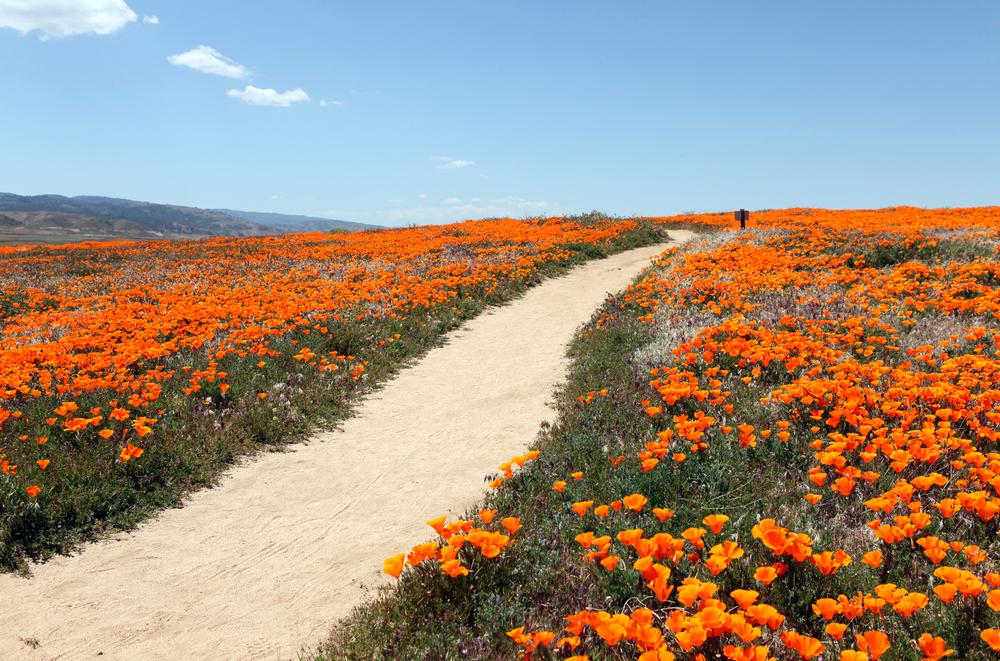
While fall sowing is often preferred, spring is a perfectly viable and often necessary time to sow California poppy seeds, particularly in areas with harsher winters or if you missed the fall window.
-
Advantages of Spring Sowing:
- Avoiding Late Frosts: For regions with a history of late spring frosts, sowing in spring ensures that delicate seedlings are not exposed to damaging cold snaps.
- Late Bloomers: Spring-sown poppies will bloom later in the season, typically in late spring and throughout the summer, extending the display of color.
- Opportunity for Missed Fall Sowing: If you forgot or were unable to sow in the fall, spring offers a second chance to enjoy these cheerful flowers.
-
Timing Spring Sowing:
- When: Sow seeds in early to mid-spring, once the danger of hard frost has passed and the soil has begun to warm. This is typically from February to April, depending on your specific location within California.
- Soil Temperature: Aim for soil temperatures consistently above 50°F (10°C) during the day.
- Preparation and Sowing: The preparation and sowing techniques are the same as for fall sowing. Ensure the soil is moist but not waterlogged.
- Watering Needs: In spring, especially as the weather warms, you will likely need to provide supplemental watering. Keep the soil consistently moist but avoid overwatering, which can lead to rot or fungal diseases. As plants establish, reduce watering frequency, allowing the soil to dry slightly between waterings.
Sowing Techniques for Success
Regardless of the season, adopting the right sowing techniques will significantly enhance your chances of a successful bloom. California poppies are known for their ease of germination when sown directly into the ground.
Direct Sowing: The Preferred Method
California poppies generally do not transplant well due to their taproot system. Therefore, direct sowing into their permanent location is highly recommended.
- Site Selection: Choose a location that receives full sun for at least six hours a day. While they can tolerate some light shade, they will flower best and have the most upright growth habit in sunny spots. Ensure good drainage, as poppies can suffer in waterlogged soils.
- Soil Preparation: The ideal soil is well-draining. While poppies are not overly fussy, amending heavy clay soils with compost or sand can improve drainage. Loosen the top few inches of soil to allow seeds to make good contact.
- Seed Distribution:
- Mixing with Sand: For even distribution, especially with very fine seeds, mix them with a small amount of dry sand or even fine potting soil. This helps you see where you’re sowing and prevents clumping.
- Broadcasting: Scatter the seed mixture evenly over the prepared surface.
- Covering the Seeds: California poppy seeds require light to germinate. Do not bury them deeply. Simply press them lightly into the soil surface to ensure good seed-to-soil contact. You can achieve this by gently raking them in or walking over the sown area. A very light dusting of fine soil or compost (no more than 1/16 inch) is acceptable if you are concerned about them washing away.
- Watering After Sowing: Water gently but thoroughly after sowing to settle the soil and ensure the seeds have adequate moisture. Use a fine mist setting on your hose or a watering can to avoid dislodging the seeds.
What to Expect After Sowing
- Germination Time: Under ideal conditions, you can expect to see germination within 7 to 14 days. Factors like soil temperature, moisture, and seed viability will influence this timeline.
- Thinning: If seedlings appear too crowded (more than 2-3 inches apart), it is advisable to thin them to allow for better air circulation and prevent overcrowding, which can lead to weaker plants and reduced flowering. You can carefully pull out the excess seedlings by hand or use small scissors.
- Establishment: Once established, California poppies are remarkably low-maintenance. They are highly drought-tolerant and require little to no fertilizer. In fact, over-fertilizing can lead to lush foliage but fewer flowers.
Maximizing Blooms and Extending the Season
To ensure your California poppies provide a continuous spectacle of color, consider these additional tips.
Deadheading and Seed Saving
- Deadheading: While not strictly necessary for the plant’s survival, deadheading spent flowers can encourage more blooms and prevent the plant from expending energy on seed production too early. Simply snip off the faded blooms at the stem.
- Seed Saving: If you wish to collect seeds for future sowing, allow some flower heads to mature and dry on the plant. The seed pods are long and slender and will turn brown when ripe. Collect them before they split open and scatter their seeds. Store dried seeds in a cool, dry place in labeled envelopes or paper bags.

Companion Planting and Integrated Landscaping
- Drought-Tolerant Companions: Pair California poppies with other drought-tolerant, native California plants that share similar needs. Consider plants like California Lilac, Sage, or various Grasses.
- Naturalizing Landscapes: California poppies are perfect for naturalizing in meadows, along hillsides, or in informal garden beds. Their self-seeding nature means they can create a beautiful, ever-evolving display year after year.
- Coastal Gardens: Along the coast, they integrate beautifully with other hardy, salt-tolerant species, adding a cheerful splash of color to potentially challenging environments.
By carefully considering the timing of your sowing, understanding the nuances of your local climate, and employing simple, effective techniques, you can successfully cultivate a breathtaking display of California poppies that will bring joy and vibrant color to your landscape for seasons to come. Whether you choose the gentle embrace of autumn rains or the hopeful promise of spring, the reward is a garden that truly embodies the spirit of the Golden State.
LifeOutOfTheBox is a participant in the Amazon Services LLC Associates Program, an affiliate advertising program designed to provide a means for sites to earn advertising fees by advertising and linking to Amazon.com. Amazon, the Amazon logo, AmazonSupply, and the AmazonSupply logo are trademarks of Amazon.com, Inc. or its affiliates. As an Amazon Associate we earn affiliate commissions from qualifying purchases.