
The story of California is a vibrant tapestry woven with threads of diverse cultures, ambitious explorers, and shifting geopolitical powers. Before it became the Golden State of the United States, California was indeed a territory claimed by Mexico. This period, often overlooked in the broader narrative of American history, is crucial for understanding the state’s unique character, rich cultural heritage, and the many fascinating landmarks that beckon travelers today. For those interested in historical travel and immersing themselves in local culture, exploring California’s Mexican past offers a profound and rewarding experience.
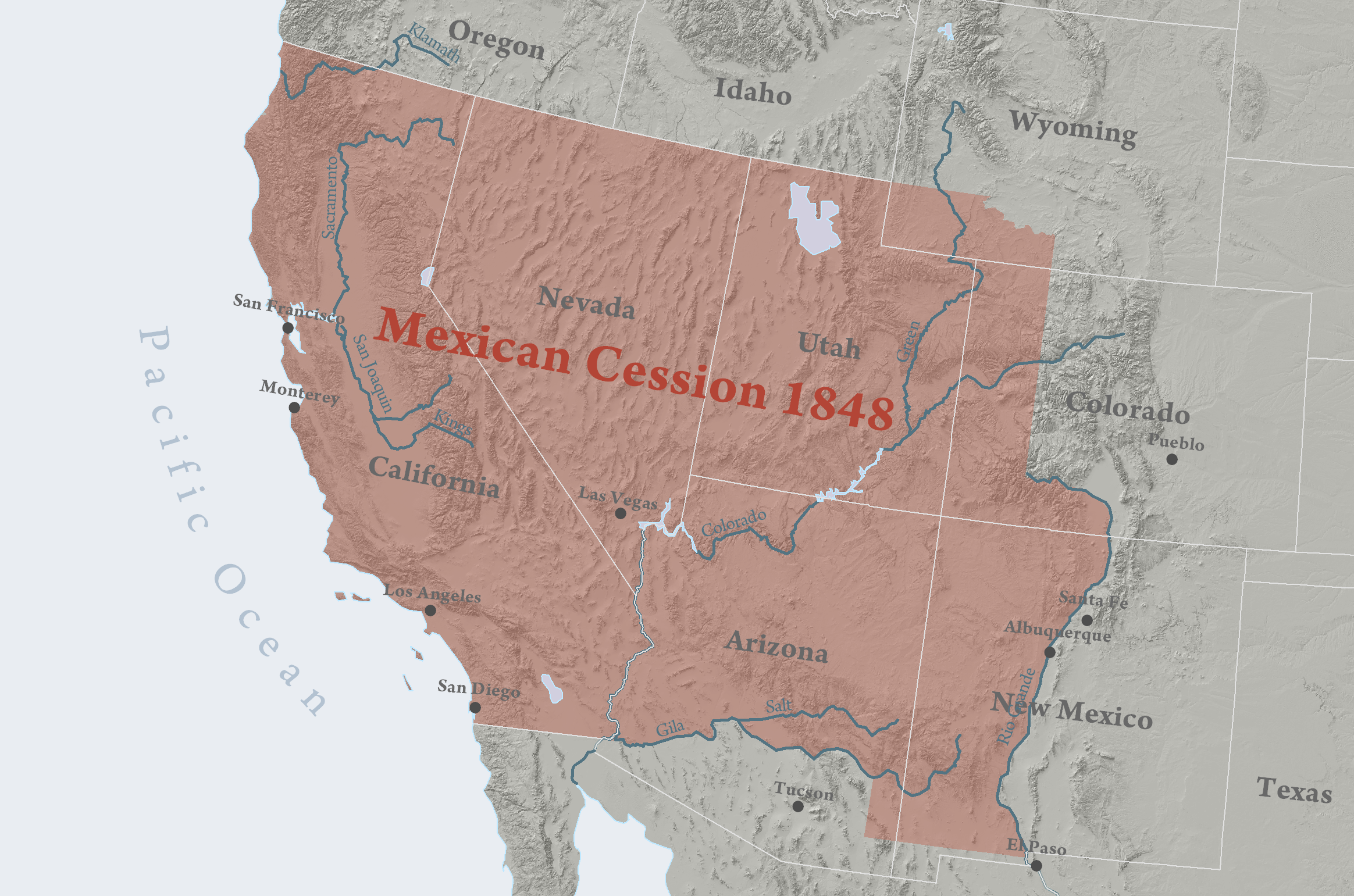
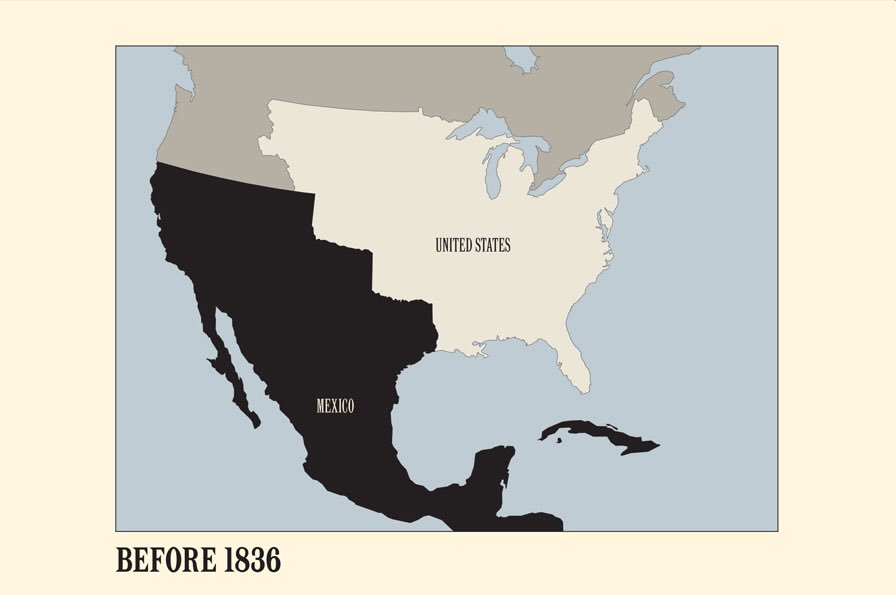
California was part of Mexico from 1821, when Mexico gained its independence from Spain, until 1848, when the Treaty of Guadalupe Hidalgo concluded the Mexican-American War, ceding vast territories, including California, to the United States. This 27-year span, though relatively short, profoundly shaped the region, laying foundations for its future development and embedding a lasting Mexican influence that continues to thrive in its culture, cuisine, architecture, and place names. Understanding this era provides a richer context for any visit to modern-day California, revealing layers of history beneath its sun-kissed beaches and bustling cities.
The Spanish Roots: A Precursor to Mexican Rule
To truly grasp California’s time as a Mexican territory, one must first look back at its origins as a Spanish colony. For centuries, following its “discovery” by European explorers, California remained a remote and largely undeveloped frontier. Spain began its serious colonization efforts in the late 18th century, primarily driven by concerns over Russian and British expansion in the Pacific Ocean and a desire to consolidate its claim over this vast, fertile land.
Mission California: Colonial Expansion
The Spanish strategy for colonizing Alta California (Upper California, distinct from Baja California in present-day Mexico) revolved around a system of missions, presidios (military forts), and pueblos (civilian towns). Spearheaded by Franciscan missionaries like Father Junípero Serra, a chain of 21 missions was established along the coast, stretching from San Diego in the south to Sonoma in the north. These missions served as centers for religious conversion, agricultural production, and strategic outposts.
Today, these missions stand as some of California’s most enduring and picturesque historical landmarks. For history enthusiasts, a road trip along the “El Camino Real,” linking these historic sites, is an unparalleled way to experience the state’s foundational history. Imagine staying in charming boutique hotels or historic inns near sites like Mission San Juan Capistrano or Mission San Diego de Alcalá, offering a unique blend of accommodation and immersion. Tourism around these sites often includes museums, reconstructed workshops, and beautiful gardens, providing insight into the challenging lives of both the missionaries and the indigenous populations.
Life Under Spanish Rule
Life in Spanish California was largely agrarian, centered around the missions and nascent pueblos like Pueblo de Los Angeles, San Jose, and Santa Cruz. Society was hierarchical, with a small number of Spanish elite (Californios) at the top, followed by mixed-race individuals, and indigenous peoples at the bottom. Despite the efforts to establish a strong Spanish presence, the region remained sparsely populated and geographically isolated from Mexico City, the heart of New Spain’s colonial administration. This isolation would prove significant, fostering a distinct identity among the Californios and setting the stage for subsequent political shifts.
The Era of Mexican California (1821-1848)
The year 1821 marked a monumental turning point for California. After a decade-long war for independence, Mexico finally broke free from Spanish rule. With this independence, Alta California automatically became a territory of the new Mexican nation. This period, though brief, saw significant changes in governance, land ownership, and the social fabric of the region.
From Independence to Republic
Initially, the transition from Spanish colony to Mexican territory was relatively smooth, as the existing Spanish elite largely retained their positions. However, the newly independent Mexican government implemented policies that drastically altered California’s landscape. The most impactful was the Secularization Act of 1833, which stripped the missions of their vast land holdings and properties. The intent was to redistribute these lands to indigenous people and private citizens, but in practice, much of it ended up in the hands of prominent Californio families.
This act paved the way for the rise of the great Californian ranchos, vast cattle-raising estates that defined the Mexican era. The wealth and power of the Californio families grew immensely, leading to a flourishing, albeit short-lived, aristocratic lifestyle. For travelers seeking a glimpse into this opulent past, exploring areas around Santa Barbara, Monterey, and Los Angeles, where many of these ranchos once stood, can be particularly enlightening. Some historic haciendas have been preserved or converted into unique accommodation options, offering a chance to stay in places steeped in history.
Ranchos and Daily Life
Life on the ranchos was characterized by cattle ranching, horse culture, and a distinct Mexican-Californian way of life. The economy revolved around hides and tallow, traded for manufactured goods with foreign ships that frequented California’s ports. This period saw the development of a unique hybrid culture, blending Spanish traditions with local indigenous customs and the emerging identity of the Californios. Festivals, rodeos, and elaborate social gatherings were common, creating a vibrant social scene distinct from the austere mission era.
Visitors today can find echoes of this era in the enduring equestrian traditions, particularly in parts of Southern California, and in historical reenactments. The architecture of many older buildings in cities like Monterey, San Diego, and Los Angeles reflects the adobe and tile styles of this period. When planning travel to these cities, consider exploring their historic districts. Old Town San Diego State Historic Park, for instance, offers a comprehensive look at what life was like in a Mexican pueblo, complete with original adobe buildings and living history demonstrations.
Rising Tensions and the Path to War
Despite the flourishing of ranch life, Mexican rule in California was often tenuous. The central government in Mexico City struggled to maintain control over its distant northern territories, leading to political instability and frequent changes in governorship. Meanwhile, American settlers, drawn by the promise of fertile land and new opportunities, began to trickle into California. Their increasing numbers, combined with the U.S. government’s expansionist “Manifest Destiny” ideology, set the stage for inevitable conflict. The annexation of Texas by the United States in 1845, a territory also claimed by Mexico, further exacerbated tensions and pushed both nations towards war.
The Mexican-American War and Cession
The period from 1846 to 1848 marked the dramatic end of Mexican California. The Mexican-American War was a pivotal conflict that reshaped the map of North America and definitively decided the fate of California.
Conflict and Conquest
The war officially began in April 1846, sparked by a border dispute over the Rio Grande. President James K. Polk of the United States, a staunch expansionist, quickly moved to secure California. Even before the official declaration of war, American settlers in Sonoma, supported by U.S. Army officer John C. Frémont, staged the Bear Flag Revolt in June 1846, declaring an independent “Bear Flag Republic.” This lasted only a few weeks before U.S. naval forces officially raised the American flag in Monterey, claiming California for the United States.
Despite some resistance from Californio forces led by figures like General Mariano Guadalupe Vallejo, the superior military strength of the United States prevailed. Battles were fought across the territory, with significant engagements near Los Angeles and San Diego. While the Californios fought bravely, their resources were limited, and their connection to the struggling Mexican central government was weak.
The Treaty of Guadalupe Hidalgo
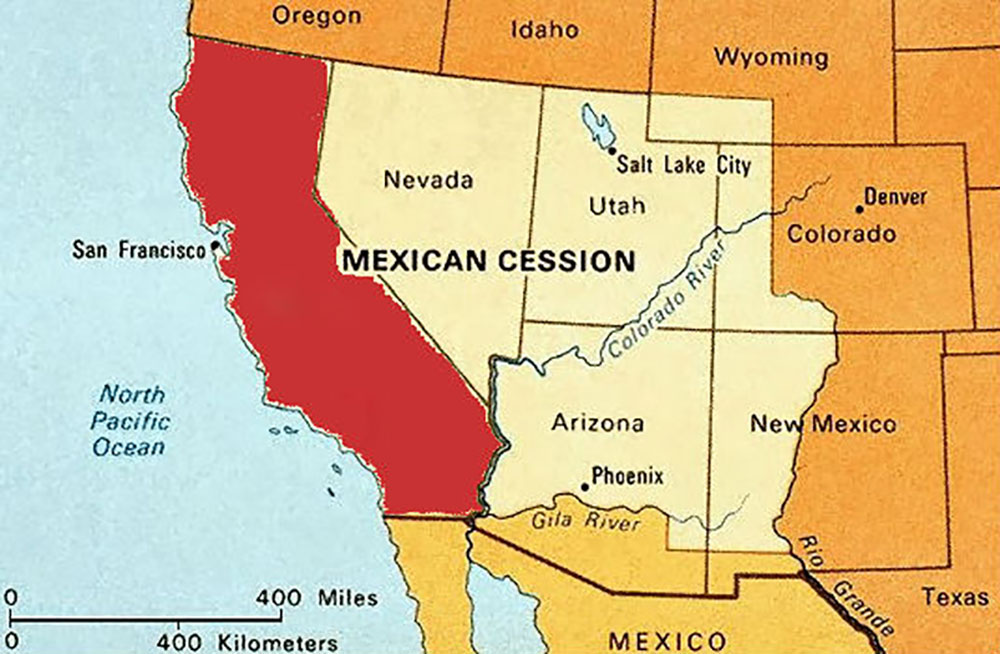
The war officially concluded with the signing of the Treaty of Guadalupe Hidalgo on February 2, 1848, in Mexico City. Under the terms of this treaty, Mexico ceded vast territories, including California, Nevada, Utah, and parts of Arizona, New Mexico, Colorado, and Wyoming, to the United States in exchange for $15 million. This treaty officially marked the end of California’s time as a Mexican territory and ushered in a new era under American sovereignty. Just nine days before the treaty was signed, gold was discovered at Sutter’s Mill, setting the stage for the California Gold Rush and an unprecedented surge in population and development.
Tracing Mexican Heritage in Modern California
Though California officially ceased to be part of Mexico in 1848, the legacy of that era is far from forgotten. It is deeply embedded in the state’s cultural DNA, offering rich experiences for any visitor interested in history, local culture, and diverse lifestyles. From architectural styles to culinary traditions, the Mexican past continues to shape the present.
Cultural Landmarks and Destinations
Many of California’s most cherished landmarks are direct testaments to its Mexican and Spanish heritage. Beyond the missions, cities like Los Angeles and San Diego boast historic districts that transport visitors back in time.
- El Pueblo de Los Angeles Historical Monument: This vibrant area, centered around Olvera Street, is considered the birthplace of Los Angeles. It’s a bustling marketplace and cultural center where visitors can explore historic adobe buildings, enjoy traditional Mexican food, and experience a living connection to the city’s past. For tourism focused on culture and history, this is a must-see.
- Old Town San Diego State Historic Park: As the site of the first Spanish settlement in California, Old Town San Diego offers a window into the state’s early history, including its Mexican period. Here, you can find original adobe structures, museums, and shops that recreate 19th-century life.
- Monterey State Historic Park: Monterey served as the capital of Alta California under both Spanish and Mexican rule. The park encompasses several historic buildings, including the Custom House and Casa de la Torre, offering insights into the political and economic life of the era.
When planning your travel to these areas, consider staying in hotels or boutique inns that echo the historic architecture. Many cities now offer luxury travel options in beautifully restored buildings, allowing guests to experience modern comforts within a historic setting. Alternatively, for budget travel or family trips, there are numerous well-located accommodation options that provide easy access to these cultural treasures.
Culinary Delights and Festivities
Perhaps the most palpable and delicious legacy of Mexican California is its food. Californian cuisine, renowned globally, draws heavily from Mexican influences. From the ubiquitous taco stands to sophisticated Mexican fusion restaurants, the flavors of Mexico are deeply woven into the state’s culinary identity. Exploring the diverse neighborhoods of Los Angeles or San Francisco reveals countless eateries celebrating this heritage. Food tours focusing on Mexican-Californian cuisine are popular among tourists and locals alike, offering a sensory journey through history.
Beyond food, Mexican holidays and traditions are widely celebrated across California. Cinco de Mayo, Día de los Muertos, and other cultural festivals are vibrant expressions of this enduring heritage, featuring music, dance, art, and delicious food. These events provide fantastic opportunities for visitors to engage with the local culture and witness the living legacy of California’s past.
Experiencing History Through Travel
For the modern traveler, understanding “When was California part of Mexico?” isn’t just a historical exercise; it’s a gateway to enriching travel experiences. It invites you to look beyond the surface, to appreciate the layers of history that have shaped the state. Whether you’re planning a stay in luxurious resorts near historical sites, seeking unique villas for an extended stay, or simply exploring the bustling streets of Los Angeles or San Francisco, the threads of Mexican California are everywhere.
When booking accommodation, consider proximity to historic districts or cultural centers that offer insights into this period. Many hotels, especially in older cities, incorporate Spanish Colonial Revival architecture, further enhancing the historical ambiance. Engage with local guides, visit museums, and allow yourself to explore the subtle yet profound influences that this pivotal era bestowed upon the Golden State.
In conclusion, California was part of Mexico for 27 formative years, from 1821 to 1848. This period, following centuries of Spanish colonization, laid down significant cultural, architectural, and social foundations that continue to define the state today. For anyone traveling to California, delving into this fascinating chapter of its past offers not just historical understanding, but a richer, more profound appreciation for its vibrant identity and enduring allure.
LifeOutOfTheBox is a participant in the Amazon Services LLC Associates Program, an affiliate advertising program designed to provide a means for sites to earn advertising fees by advertising and linking to Amazon.com. Amazon, the Amazon logo, AmazonSupply, and the AmazonSupply logo are trademarks of Amazon.com, Inc. or its affiliates. As an Amazon Associate we earn affiliate commissions from qualifying purchases.