
The glitz, the grit, and the unforgettable songs of “Chicago” have captivated audiences for decades, making it one of the most enduring and celebrated musicals in theatrical history. While its iconic status is undeniable, the question of when this masterpiece was written often leads to a deeper exploration of its genesis, its initial reception, and its remarkable journey from stage to screen and back again. Understanding the timeline of “Chicago” the musical is not just about a date; it’s about appreciating the creative forces, the cultural context, and the artistic innovations that brought this enduring classic to life.
The Genesis of a Vaudeville Spectacle
The story of “Chicago” the musical is intrinsically linked to the true crime sensationalism that gripped the city of Chicago in the roaring 1920s. The musical itself is based on a 1926 play of the same name by Maurine Dallas Watkins. Watkins, a journalist for the Chicago Tribune, covered a series of high-profile murder trials involving women who, much like the musical’s protagonists, used their charm and cunning to evade justice, often becoming celebrities in the process. The play was a sharp satire of the justice system, the media’s obsession with crime, and the burgeoning celebrity culture of the era.
Maurine Dallas Watkins’ Vision
Watkins’ original play was not a musical. It was a biting commentary, reflecting her disillusionment with the legal proceedings she witnessed firsthand. She drew inspiration from actual cases, most notably the trials of Beulah Annan and Belva Gaertner, two women accused of murdering their lovers. Annan, a nightclub singer, was dubbed “the Rumba Pirate” by the press, while Gaertner was a jazz singer. Their stories, filled with illicit affairs, drunken escapades, and audacious defenses, provided fertile ground for Watkins’ sharp observations on morality and justice in a rapidly changing society. The play premiered on Broadway in 1926 and enjoyed a successful run, but it was its transformation into a musical that would cement its legacy.
The Birth of the Musical: Kander and Ebb
The true genesis of the musical “Chicago” as we know it began much later. The playwrights Kander and Ebb (John Kander and Fred Ebb) were approached by producer Robert Whitehead in the late 1960s to adapt Watkins’ play into a musical. This was no small undertaking. The original play was a dark, satirical piece, and translating its cynical tone and often grim subject matter into a Broadway musical presented a unique challenge.
The First Production: 1975
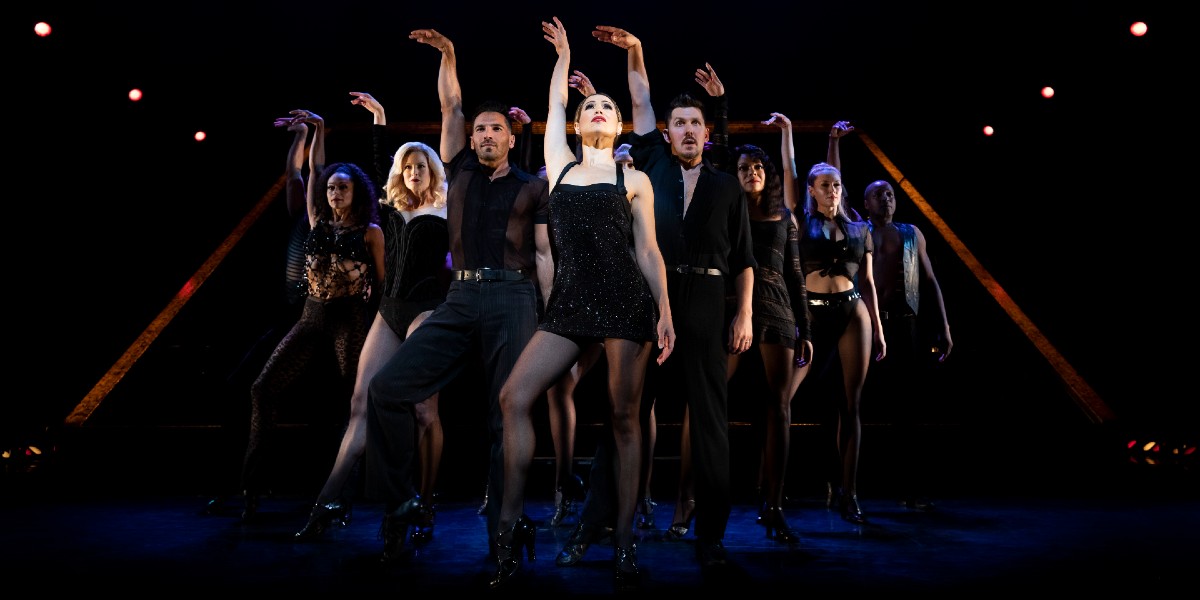
The original Broadway production of “Chicago” the musical premiered on June 3, 1975, at the 46th Street Theatre (now the Richard Rodgers Theatre). This inaugural production was directed and choreographed by the legendary Bob Fosse. Fosse’s distinctive, angular, and sexually charged choreography was a perfect fit for the material, amplifying the show’s themes of seduction, corruption, and manipulation. Fosse’s vision was crucial; he infused the musical with a raw, cynical energy that mirrored the jazz-age milieu and Watkins’ original critique.
The 1975 production starred Gwen Verdon as Roxie Hart, Chita Rivera as Velma Kelly, and Jerry Orbach as Billy Flynn. While the show received critical acclaim, particularly for Fosse’s groundbreaking choreography and the musical’s daringly adult themes, it was not an immediate box office smash. It ran for 936 performances, a respectable run but far from the runaway success that many of its successors would achieve. The musical was nominated for eight Tony Awards, winning none. Its initial Broadway run closed on July 2, 1977.
A Shift in Perception: The Revival

The story of “Chicago” the musical truly exploded into mainstream consciousness with its groundbreaking Broadway revival. This revival, directed by Walter Bobbie and with choreography by Ann Reinking (recreating Fosse’s iconic style), opened on November 14, 1996, at the Richard Rodgers Theatre. This production marked a significant departure from the original in terms of its staging. Instead of a full orchestra and elaborate sets, the 1996 revival embraced a more minimalist, concert-like aesthetic. The orchestra was placed on stage, a stark reminder of the vaudeville roots of the story and a deliberate choice to emphasize the raw, percussive nature of Kander and Ebb’s score.
This revival was a monumental success, earning six Tony Awards, including Best Musical Revival. Its edgy, sophisticated, and highly stylized presentation resonated deeply with audiences, cementing “Chicago” as a theatrical phenomenon. The revival’s success was driven by its ability to blend homage to Fosse’s original vision with a fresh, contemporary sensibility. Ann Reinking, who had originated the role of Roxie Hart in the 1975 production and later played Velma in the revival, played a pivotal role in shaping the choreography for this new era. Her interpretation captured the essence of Fosse’s work while adding her own nuanced understanding of the characters.
The Music and Lyrics: Kander and Ebb’s Genius
The enduring appeal of “Chicago” the musical is inextricably tied to the masterful songwriting of John Kander and Fred Ebb. Their score is a vibrant tapestry of jazz, vaudeville, and Broadway show tunes, perfectly capturing the decadent and morally ambiguous atmosphere of the 1920s. The lyrics are sharp, witty, and often darkly humorous, revealing the characters’ true motivations and the corrupt underbelly of the justice system.
Iconic Songs and Their Significance
From the show-stopping “All That Jazz” that opens the musical, setting a tone of hedonism and danger, to the anthemic “Cell Block Tango” where the incarcerated women recount their tales of betrayal and murder, and the cynical courtroom plea of “Razzle Dazzle,” Kander and Ebb’s songs are not merely musical interludes; they are integral to the narrative. They reveal character, advance the plot, and offer biting social commentary.
- “All That Jazz”: This iconic opening number immediately immerses the audience in the world of “Chicago,” a place where sin and spectacle are currency. It introduces Velma Kelly as a seasoned performer and sets the stage for the dark, alluring world of Roxie Hart.
- “Cell Block Tango”: A powerful ensemble piece, “Cell Block Tango” is a darkly comedic anthem of female rage and self-preservation. Each woman’s story, delivered with dramatic flair, highlights the injustices they’ve faced and the drastic measures they’ve taken.
- “We Both Reached for the Gun”: This number brilliantly satirizes the media circus surrounding the trials. Billy Flynn, the smooth-talking lawyer, manipulates the press and public opinion, turning murderesses into sympathetic figures. The scene, with its puppetry and rapid-fire delivery, is a masterclass in theatrical satire.
- “Mister Cellophane”: A poignant and surprisingly sympathetic number sung by the downtrodden Amos Hart, Roxie’s husband. It underscores the theme of being overlooked and undervalued, even when you’re the most loyal.
The songwriting duo’s ability to craft songs that are both catchy and thematically rich is a testament to their genius. They managed to distill the essence of Watkins’ cynical play into a form that was not only entertaining but also deeply resonant. The music and lyrics of “Chicago” are so potent that they transcend their original context, speaking to timeless themes of fame, corruption, and the search for notoriety.
The Enduring Legacy of “Chicago”
Since its 1996 revival, “Chicago” has become a global phenomenon. It is the second-longest-running show in Broadway history, surpassed only by “The Phantom of the Opera.” Its success has spawned numerous international productions, national tours, and a critically acclaimed 2002 film adaptation starring Renée Zellweger, Catherine Zeta-Jones, and Richard Gere. The film further amplified the musical’s reach, introducing it to a new generation of fans and earning multiple Academy Awards, including Best Picture.

“Chicago” as a Cultural Touchstone
The musical’s themes of celebrity culture, media manipulation, and the blurred lines between justice and entertainment remain remarkably relevant today. The story of Roxie Hart and Velma Kelly, who seek fame and acquittal through sensationalism, serves as a perpetual commentary on our own societal obsessions. The enduring appeal of “Chicago” lies in its ability to be both a dazzling entertainment and a sharp, incisive critique of the human condition. When the curtain falls, audiences are left not only humming the tunes but also contemplating the darker undercurrents of ambition, media, and the pursuit of infamy that the musical so brilliantly exposes. The enduring question of when it was written is thus a gateway to understanding its timeless relevance and its profound impact on the landscape of musical theater.
LifeOutOfTheBox is a participant in the Amazon Services LLC Associates Program, an affiliate advertising program designed to provide a means for sites to earn advertising fees by advertising and linking to Amazon.com. Amazon, the Amazon logo, AmazonSupply, and the AmazonSupply logo are trademarks of Amazon.com, Inc. or its affiliates. As an Amazon Associate we earn affiliate commissions from qualifying purchases.