
California, often referred to as the “Golden State,” is a vast and diverse land of opportunity and breathtaking landscapes. Its allure draws millions, making its population a dynamic and ever-evolving aspect of its identity. Understanding the population of California provides crucial insights into its social fabric, economic drivers, and the sheer scale of human presence within its borders. As the most populous state in the United States, its demographic figures are not just statistics; they are a testament to its magnetic pull and its role as a global hub for innovation, culture, and tourism.

Demographic Snapshot of California
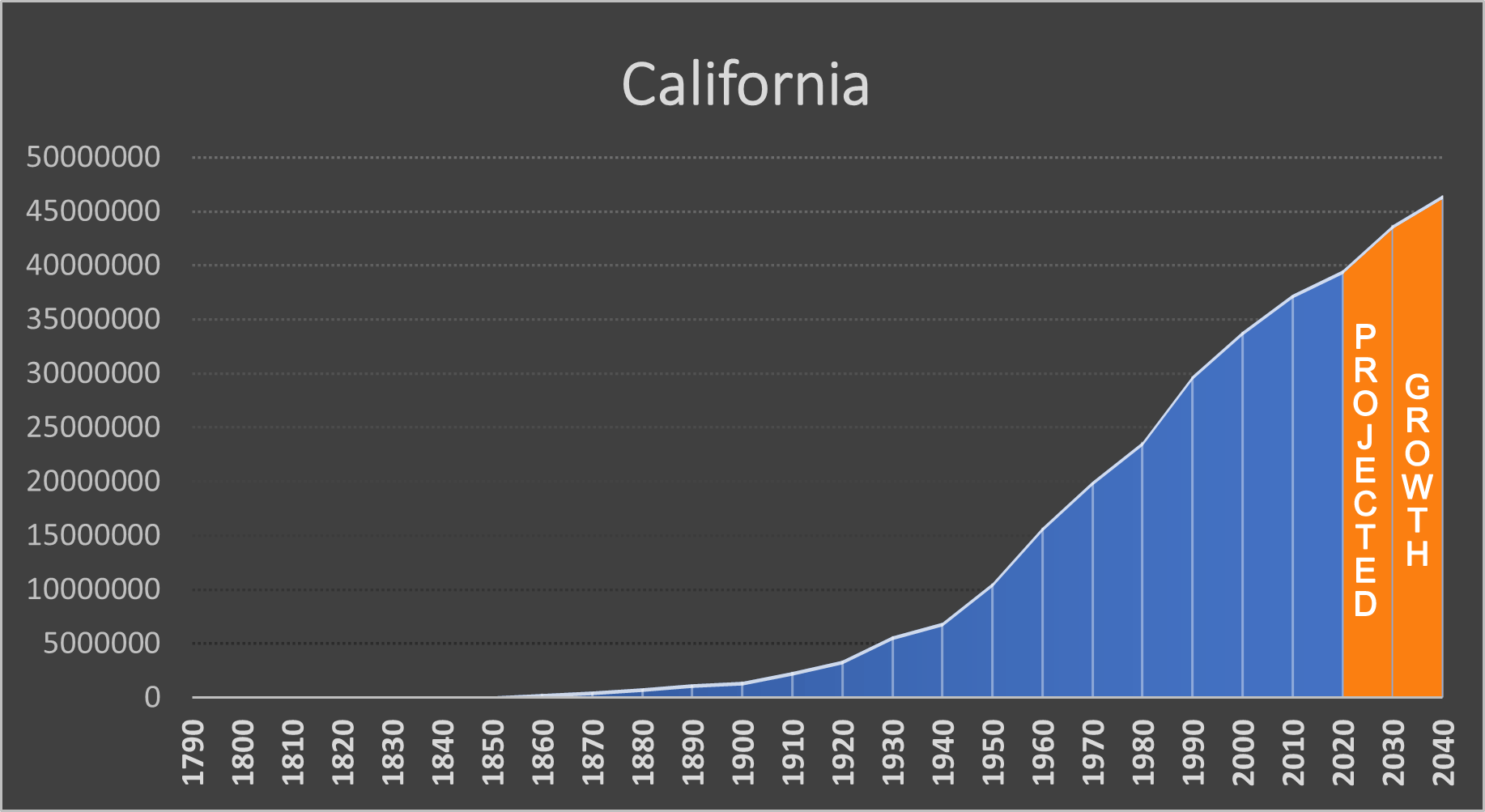
The population of California is a complex mosaic, shaped by decades of migration, economic opportunities, and a unique cultural landscape. As of recent estimates, the state is home to over 39 million residents, making it significantly larger than any other U.S. state. This sheer number places immense demands on infrastructure, resources, and services, while also fueling a vibrant and diverse economy. The density varies dramatically across the state, with major metropolitan areas like Los Angeles and San Francisco experiencing high concentrations of people, while vast inland regions and mountainous areas remain sparsely populated.
Key Demographic Trends
Several key trends shape California’s population:
- Racial and Ethnic Diversity: California is one of the most ethnically diverse states in the nation. While historically dominated by a White population, its demographics have shifted significantly. The Hispanic or Latino population forms the largest single ethnic group, followed by Asian Americans, and then White Americans. This diversity is a defining characteristic, influencing everything from cuisine and cultural festivals to political representation and social dynamics.
- Age Distribution: Like many developed regions, California is experiencing an aging population. However, it also continues to attract younger generations drawn by its job markets, educational institutions, and vibrant lifestyle. The interplay between these age groups creates a dynamic workforce and a diverse consumer base.
- Growth Patterns: While California has experienced significant growth over the past century, the rate of growth has moderated in recent years, influenced by factors such as housing affordability and changing migration patterns. Nevertheless, the state continues to add residents, albeit at a slower pace than in previous decades.
- Urbanization: The overwhelming majority of California’s population resides in urban and suburban areas. The state’s major metropolitan centers—including the Los Angeles Metropolitan Area, the San Francisco Bay Area, and the San Diego Metropolitan Area—are global epicenters of commerce, culture, and tourism, attracting both domestic and international migrants.
Population Centers and Their Significance
The concentration of people in specific regions of California has profound implications for tourism, infrastructure, and the overall experience of visiting or living in the state. These population centers are not merely collections of individuals but are vibrant ecosystems of activity, innovation, and culture.
Southern California’s Metropolis
Southern California is the most populous region, dominated by the sprawling Los Angeles Metropolitan Area. This region is a global mecca for entertainment, technology, and international trade. Its population of over 18 million people drives a massive tourism industry, attracting visitors to world-renowned attractions such as Disneyland Resort, Universal Studios Hollywood, and the iconic beaches of Santa Monica and Malibu. The sheer density of people here means a constant buzz of activity, from bustling markets to packed cultural events.
The San Francisco Bay Area’s Innovation Hub
The San Francisco Bay Area, with a population exceeding 7 million, is a global leader in technology, finance, and venture capital. This region encompasses cities like San Francisco, Oakland, and San Jose. Its demographic is highly educated and diverse, attracting talent from around the world. For tourists, the Bay Area offers iconic landmarks like the Golden Gate Bridge, Alcatraz Island, and a rich culinary scene. The high population density in urban centers like San Francisco contributes to a lively atmosphere, but also presents challenges in terms of housing and transportation.
Other Significant Population Centers
Beyond these two major hubs, California boasts other significant population centers that contribute to its rich tapestry:
- San Diego Metropolitan Area: Located in the south, it is known for its beautiful beaches, military presence, and growing tech sector. Its population of over 3 million contributes to a relaxed yet vibrant tourism scene, featuring attractions like the San Diego Zoo and Balboa Park.
- Inland Empire: East of Los Angeles, this region, including cities like Riverside and San Bernardino, has seen substantial population growth due to its relative affordability and proximity to Los Angeles. It is a significant logistical and industrial hub.
- Central Valley: This vast agricultural heartland of California is home to millions, with cities like Sacramento, the state capital, Fresno, and Bakersfield. While less of a traditional tourist draw compared to coastal cities, it is crucial for understanding the state’s agricultural output and has its own unique cultural offerings.
The Impact of Population on Tourism and Lifestyle
The sheer size and diversity of California’s population have a profound and multifaceted impact on its tourism industry and the overall lifestyle experienced by residents and visitors alike. Understanding these connections offers a deeper appreciation of what makes the Golden State so unique.
A Magnet for Global Tourism
California is one of the most visited destinations in the world, and its massive resident population plays a significant role in this. Locals often fuel demand for weekend getaways, day trips to national parks like Yosemite or Joshua Tree, and attendance at major events. Furthermore, the state’s diverse population creates a rich cultural tapestry that attracts international tourists eager to experience its unique blend of influences. From the vibrant food scenes in Los Angeles reflecting its diverse communities to the historical significance of missions scattered across the state, there is an abundance of experiences catering to varied interests.
The state’s robust tourism infrastructure is a direct response to this high demand, encompassing a wide range of accommodations, from luxury resorts in Napa Valley to budget-friendly motels near national parks. The transportation networks, while often strained, are designed to move millions of people across vast distances, serving both residents and the influx of tourists.
Lifestyle and Cultural Diversity
California’s population dynamics directly translate into its distinctive lifestyle. The state is a melting pot of cultures, ideas, and aspirations. This diversity is evident in its culinary landscape, its arts and entertainment scenes, and its progressive social movements. Residents enjoy a wide spectrum of activities, from surfing the famed waves of Huntington Beach to exploring world-class museums in Los Angeles or hiking in the majestic Sierra Nevada mountains.
The high population density in many areas also shapes the character of daily life, fostering a fast-paced, innovative environment in its tech hubs and a laid-back, health-conscious vibe in its coastal communities. This demographic reality means that California is constantly adapting, evolving, and redefining what it means to live and visit a truly diverse and dynamic region. The sheer number of people not only creates demand but also a continuous flow of new ideas and cultural expressions, making California a perpetual source of fascination and discovery.

Challenges and Opportunities
The substantial population of California presents both significant challenges and abundant opportunities. Managing resources, infrastructure, and environmental sustainability for over 39 million people requires constant innovation and careful planning. Issues such as traffic congestion, water scarcity, and housing affordability are ongoing concerns that directly impact the quality of life for residents and the visitor experience.
However, this large and diverse population also represents a powerful engine for economic growth and cultural advancement. The concentration of talent in fields like technology, entertainment, and agriculture drives the state’s economy and positions it as a leader on the global stage. The entrepreneurial spirit and creative energy of its residents are a constant source of innovation. For tourists, this translates into an unparalleled array of experiences, from cutting-edge culinary trends to groundbreaking artistic performances and access to some of the most iconic natural wonders on Earth. The population of California is not just a number; it is the lifeblood of its dynamism, its challenges, and its enduring appeal.
LifeOutOfTheBox is a participant in the Amazon Services LLC Associates Program, an affiliate advertising program designed to provide a means for sites to earn advertising fees by advertising and linking to Amazon.com. Amazon, the Amazon logo, AmazonSupply, and the AmazonSupply logo are trademarks of Amazon.com, Inc. or its affiliates. As an Amazon Associate we earn affiliate commissions from qualifying purchases.