
Planning for the future is a cornerstone of responsible living, and in California, understanding the distinctions between wills and trusts is paramount to safeguarding your assets and ensuring your wishes are honored. While both legal instruments serve the purpose of distributing your property after your death, they operate through fundamentally different processes and offer varying levels of control, privacy, and efficiency. This guide will delve into the intricacies of wills and trusts in California, providing insights to help you make informed decisions about your estate plan.
The Role and Mechanics of a California Will
A will is a legal document that outlines how you want your assets to be distributed after your passing. It names an executor, who is responsible for carrying out the terms of the will, and can also designate guardians for minor children. In California, a will must be in writing, signed by the testator (the person making the will), and witnessed by two credible individuals who also sign the will in the testator’s presence.

Probate: The Court’s Involvement
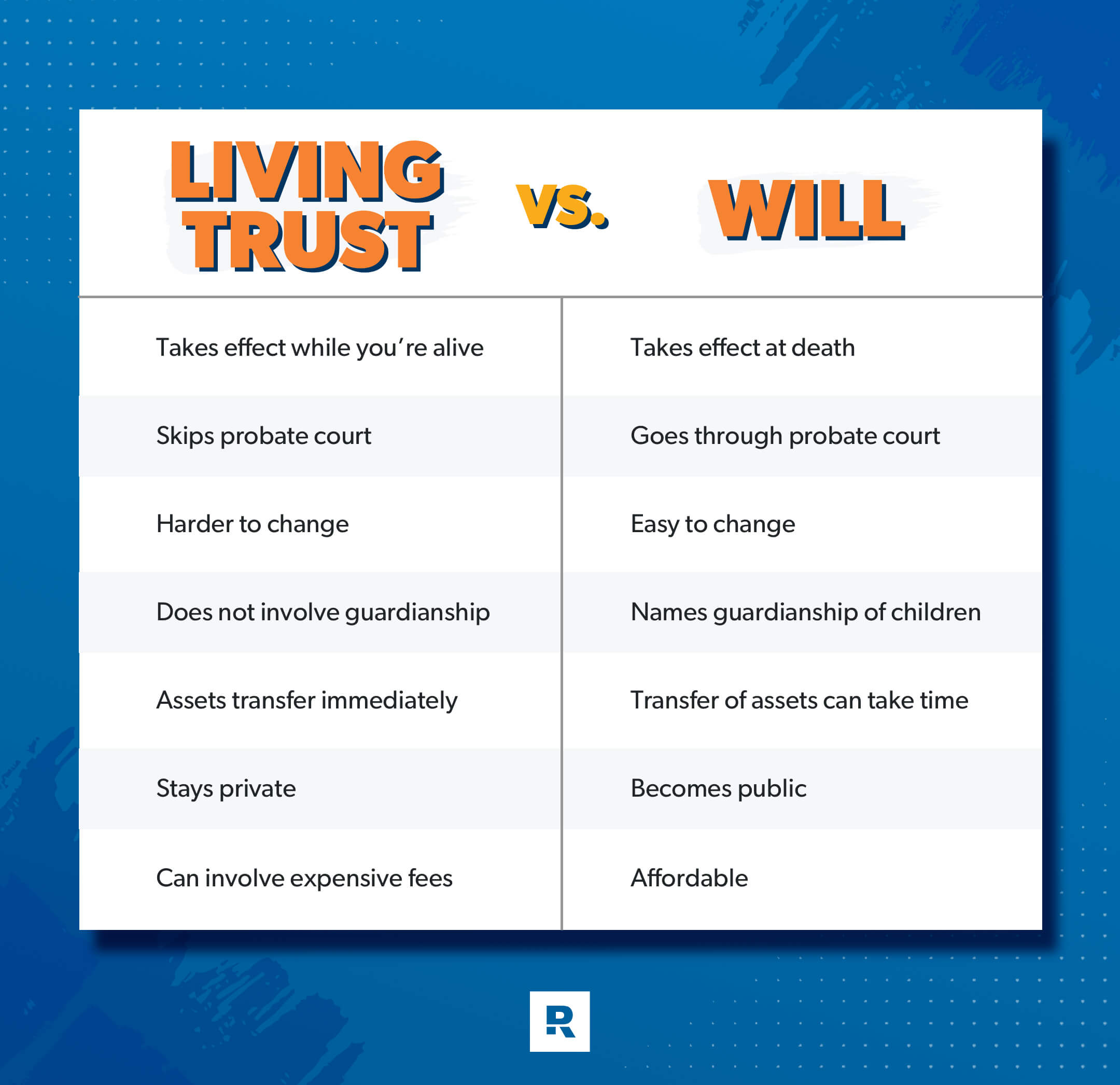
The primary characteristic that distinguishes a will from a trust is its engagement with the probate process. When a person dies with a will, that will must typically go through probate. Probate is the legal process by which a California court validates the will, inventories the deceased’s assets, pays outstanding debts and taxes, and then distributes the remaining assets to the beneficiaries named in the will.
Advantages of a Will
- Simplicity: For many, especially those with straightforward estates, a will can be a simpler and less expensive document to create initially compared to a trust.
- Guardianship Designation: A will is the only document where you can legally appoint guardians for your minor children.
- Clarity of Intent: A well-drafted will clearly expresses your final wishes, leaving less room for ambiguity.
Disadvantages of a Will
- Probate Process: The most significant drawback of a will is that it almost always triggers probate. This process can be lengthy, costly, and public. In California, probate can take anywhere from several months to over a year, and legal fees, court costs, and executor fees can significantly reduce the value of the estate passed to beneficiaries.
- Public Record: Probate is a public process. All documents filed with the court, including the will and an inventory of assets, become public records, potentially exposing sensitive financial information to unwanted scrutiny.
- Lack of Control During Life: A will only takes effect upon your death. It offers no mechanism for managing your assets or making decisions about your care if you become incapacitated during your lifetime.
Types of Wills in California
While a formal, witnessed will is the most common, California law recognizes holographic wills (handwritten by the testator) under specific circumstances. However, these can be more susceptible to challenges and are generally not recommended for comprehensive estate planning.
The Power and Flexibility of a California Trust
A trust, specifically a revocable living trust, is a legal entity that holds assets for the benefit of designated beneficiaries. Unlike a will, a trust can be established and funded during your lifetime and continues to operate after your death. The person who creates the trust is called the grantor or settlor, the person who manages the trust is the trustee, and the beneficiaries are those who will ultimately receive the trust assets. In a living trust, the grantor is typically also the initial trustee and beneficiary during their lifetime.
Avoiding Probate with a Trust
The most compelling advantage of establishing a revocable living trust in California is its ability to bypass the probate process entirely for assets held within the trust. Upon the grantor’s death, the successor trustee, who is named in the trust document, can step in and manage and distribute the trust assets according to the trust’s terms without court intervention.

Advantages of a Trust
- Probate Avoidance: This is the primary benefit. Assets transferred into a trust avoid probate, allowing for a faster, more private, and less expensive distribution of your estate to your heirs.
- Privacy: Because trust assets do not go through probate, the details of your estate, including the assets you own and who inherits them, remain private.
- Incapacity Planning: A living trust provides for the management of your assets if you become incapacitated. The successor trustee can step in to manage your financial affairs without the need for a court-appointed conservatorship, which can be a costly and cumbersome process.
- Continuity of Management: The trust can continue to manage assets for beneficiaries for an extended period, providing ongoing support and control. This is particularly useful for beneficiaries who may be minors, have special needs, or are not financially savvy.
- Potential for Estate Tax Benefits: While revocable living trusts primarily focus on probate avoidance, certain types of irrevocable trusts can be used for sophisticated estate tax planning strategies.
Disadvantages of a Trust
- Initial Cost and Complexity: Creating and funding a trust is generally more complex and expensive upfront than drafting a will. This involves not only drafting the trust document but also retitling assets into the name of the trust (e.g., real estate deeds, bank accounts, investment portfolios).
- Requires Funding: A trust only controls assets that have been formally transferred into it. If assets are not properly funded into the trust, they may still be subject to probate.
- No Guardianship Designation: While a trust can manage assets for minors, it cannot designate legal guardians. This must still be done through a will.
Types of Trusts Relevant to California Estates
- Revocable Living Trust: This is the most common type of trust used for estate planning purposes in California. The grantor can amend, revoke, or change the terms of the trust at any time during their lifetime.
- Irrevocable Trusts: These trusts, once established, cannot be easily amended or revoked by the grantor. They are often used for specific purposes like asset protection, charitable giving, or minimizing estate taxes, but are more complex and typically involve relinquishing control over the assets.
Making the Right Choice for Your California Estate
The decision between a will and a trust is not a one-size-fits-all answer. It depends on your individual circumstances, the size and complexity of your estate, your family situation, and your personal preferences regarding privacy, control, and cost.
When a Will Might Suffice
- Young Individuals with Limited Assets: If you are young, have few assets, and no dependents, a simple will might be sufficient to outline your wishes and designate beneficiaries for your limited property.
- Small, Straightforward Estates: For individuals whose total estate value falls below California’s small estate probate threshold (which can change), a will might be a practical and cost-effective solution, as it can bypass formal probate.
- Primary Goal is Guardianship: If your paramount concern is appointing guardians for your minor children, a will is essential, even if you also establish a trust for asset management.
When a Trust is Often Recommended
- Significant Real Estate Holdings: If you own property in California or elsewhere, transferring it into a trust can significantly simplify the transfer process and avoid costly probate proceedings for each property.
- Desire for Privacy: For those who value privacy and wish to keep their financial affairs and beneficiaries out of the public record, a trust is the superior choice.
- Complex Family Situations: Blended families, beneficiaries with special needs, or situations where careful management of inherited assets is crucial often benefit from the control and flexibility offered by a trust.
- Planning for Incapacity: If you want to ensure your financial affairs are managed smoothly if you become unable to do so yourself, a living trust offers a robust solution.
- Streamlining Asset Distribution: For larger estates, the efficiency of a trust in distributing assets quickly and without court delays can be highly beneficial for your heirs.
Integrating Wills and Trusts in Your Estate Plan
It is important to note that a will and a trust are not mutually exclusive. In fact, many comprehensive estate plans in California include both. A “pour-over” will is often used in conjunction with a revocable living trust. This type of will directs that any assets not already transferred into the trust before your death should be “poured over” into the trust. While these assets will still need to go through probate, they will then be distributed according to the terms of the trust, aligning with your overall estate plan.
A will also remains the sole document to appoint legal guardians for minor children. Therefore, even if you establish a living trust, you will still need a will to address this critical aspect of your estate plan.
The Importance of Professional Guidance
Navigating the legal landscape of estate planning in California can be complex. Laws surrounding wills and trusts are intricate and subject to change. Consulting with an experienced estate planning attorney is crucial. They can assess your unique situation, explain the implications of each option, and help you draft legally sound documents that accurately reflect your wishes and achieve your financial and personal goals. An attorney can guide you through the process of choosing the right type of trust, ensuring all assets are properly funded, and creating a cohesive plan that provides peace of mind for you and your loved ones. Proper planning today ensures a secure tomorrow.
LifeOutOfTheBox is a participant in the Amazon Services LLC Associates Program, an affiliate advertising program designed to provide a means for sites to earn advertising fees by advertising and linking to Amazon.com. Amazon, the Amazon logo, AmazonSupply, and the AmazonSupply logo are trademarks of Amazon.com, Inc. or its affiliates. As an Amazon Associate we earn affiliate commissions from qualifying purchases.