
Navigating the diverse parking regulations across the United States can be a perplexing endeavor for any traveler. Each state, and often each city within a state, adheres to its own set of rules and symbols to manage traffic flow and ensure public safety. In the sun-drenched state of California, this is particularly true when it comes to understanding the meaning of painted curbs. While red, yellow, and blue curbs have distinct and widely recognized meanings related to fire zones, loading zones, and disabled parking respectively, the white curb often presents a more nuanced interpretation that travelers and even some locals might overlook. Understanding these seemingly small details can save you from unwelcome parking tickets and ensure a smoother travel experience as you explore the Golden State’s many attractions, from the iconic Golden Gate Bridge in San Francisco to the vibrant streets of Los Angeles.

The Nuances of White Curbs in California
Unlike the universally understood colors, the white curb in California is less about prohibition and more about specific permissions and limitations, often tied to passenger loading and unloading. Its primary purpose is to designate areas where vehicles may briefly stop to pick up or drop off passengers, a critical function for facilitating transit and ensuring accessibility in busy urban environments. However, the exact regulations can vary slightly from one municipality to another, emphasizing the importance of observing nearby signage. This variability means that while a white curb generally signifies a passenger loading zone, it’s always prudent to confirm local ordinances. For instance, in areas with heavy pedestrian traffic, such as near popular tourist spots like the Griffith Observatory or theme parks like Disneyland Resort, these zones are vital for smooth tourist movement.
Passenger Loading and Unloading Zones
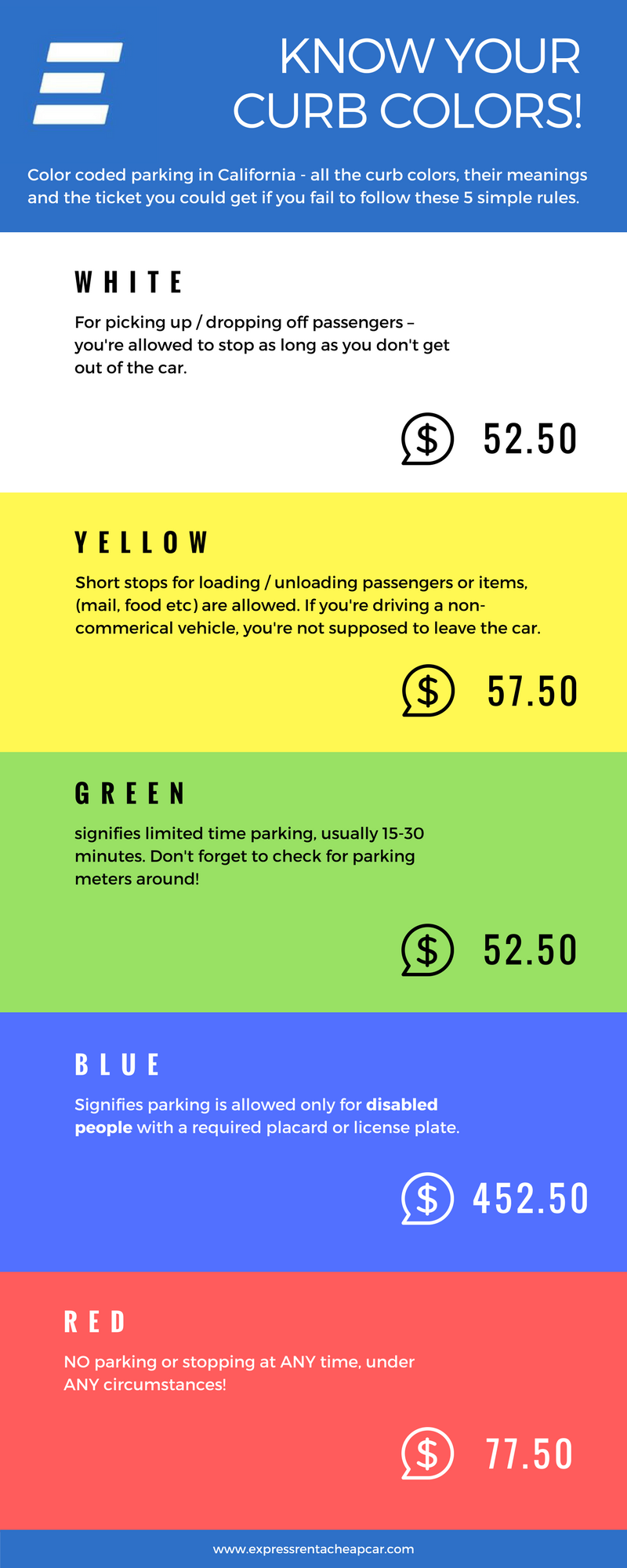
The fundamental meaning of a white curb in California is to indicate a passenger loading zone. This means that vehicles are permitted to stop temporarily for the sole purpose of actively loading or unloading passengers. The emphasis here is on “actively.” Drivers are generally expected to remain in their vehicle or very close to it, and the process of picking up or dropping off should be swift. Prolonged parking, even if you’re inside the vehicle, is typically not allowed. This distinction is crucial for travelers who might be accustomed to different parking customs in their home states or countries.
Time Limitations and Signage
While a white curb generally permits passenger loading, many of these zones come with explicit time limitations, often posted on accompanying signs. These signs might specify a maximum stopping time, such as five minutes, or indicate specific hours during which the loading zone is active. For example, a sign might read “White Zone – 5 Minute Parking – Loading/Unloading Passengers Only – 8 AM to 6 PM.” Outside of these hours, the curb might revert to regular parking regulations, or it could remain a restricted zone. It is paramount for drivers to carefully read and adhere to any posted signage, as exceeding these limitations can result in a parking citation. This is particularly relevant when visiting popular destinations like Universal Studios Hollywood or the beaches of San Diego, where efficient passenger movement is key to the visitor experience.
What is NOT Permitted in a White Zone
It is essential to understand what constitutes a violation in a white curb zone.
- No long-term parking: Leaving your vehicle unattended or parked for an extended period is strictly prohibited, even if you are within the time limit specified on a sign. The zone is intended for active passenger exchange, not for parking your car while you visit a shop or restaurant.
- No loading or unloading of goods: While passenger loading is permitted, the white curb is generally not designated for the loading or unloading of merchandise, goods, or freight. These activities are typically reserved for yellow or red curbs, or designated loading docks.
- No commercial loading: In many areas, commercial vehicles may be restricted from using white zones for their operations, even if they are loading or unloading passengers. Commercial loading of goods is usually restricted to specific zones and times to avoid disrupting traffic.
Distinguishing White Curbs from Other Colors
To further clarify the role of the white curb, it’s helpful to briefly contrast it with other common curb colors found in California:
- Red Curbs: These are universally recognized as fire zones. Stopping, standing, or parking is strictly prohibited at any time. These areas must remain clear for emergency vehicle access.
- Yellow Curbs: Typically designated as loading zones for commercial vehicles or for limited-time passenger loading. The duration and type of permissible stop are usually indicated by signage.
- Blue Curbs: Reserved exclusively for vehicles with a valid disabled person (handicapped) placard or license plate. Parking is permitted for longer durations than in a white zone, provided the vehicle is properly displaying the required credentials.
Understanding these distinctions helps travelers navigate parking situations smoothly, whether they are staying at a luxury resort like The Beverly Hills Hotel or exploring national parks like Yosemite National Park.
Practical Applications for Travelers in California
For tourists visiting California, the white curb is a practical indicator that can facilitate easier transit and access to various destinations. Imagine you’ve just arrived at the San Diego International Airport and need to be picked up by a ride-share service, or you’re in Santa Monica and your tour guide is waiting to whisk you away to the Santa Monica Pier. A white curb can be precisely where you need to be to meet your transportation.
Efficiently Meeting Transportation Services
Ride-sharing services, taxis, and private shuttle companies often utilize white curbs for pickups and drop-offs. When using these services, drivers are trained to find and use designated white zones to minimize disruption to traffic. As a passenger, knowing that a white curb means you can quickly hop in or out of your vehicle is invaluable, especially in bustling areas like downtown San Francisco or near popular attractions in Anaheim, home to Disneyland Resort. It allows for a seamless transition from exploring a museum or enjoying a scenic viewpoint to continuing your journey to the next point of interest.
Considerations for Rental Car Users
If you’ve rented a car for your California adventure, understanding white curbs is equally important. You might use a white zone to quickly pick up or drop off a travel companion who is waiting, perhaps near a hotel like the Fairmont San Francisco or a specific attraction. However, it’s crucial to remember the time limitations. Leaving your rental car unattended in a white zone, even for a few minutes while you run into a shop, could result in a ticket that you’ll have to deal with upon returning the vehicle, adding an unwelcome surprise to your travel expenses.
Navigating Tourist Hotspots
Many of California’s most popular tourist destinations are located in areas with high traffic and limited parking. White curbs are strategically placed in these vicinities to facilitate the constant flow of visitors. For instance, near concert venues, popular beaches like Venice Beach, or busy shopping districts, you’ll often find white curbs serving as temporary stops. This allows tour buses to briefly pause, families to alight for a quick visit, or friends to regroup before heading into a restaurant or landmark. By recognizing and respecting these zones, you contribute to the efficient functioning of these vibrant tourist ecosystems.
Enforcement and Penalties
While the concept of a white curb might seem straightforward, violations are indeed enforced, and the penalties can range from moderate fines to more substantial charges, depending on the specific municipality and the circumstances of the violation. Law enforcement officers and parking enforcement personnel actively monitor these zones.
Types of Violations
The most common violations associated with white curbs include:
- Parking for extended periods: Exceeding the posted time limit is a frequent infraction. If a sign specifies five minutes, staying for ten minutes or longer could lead to a ticket.
- Loading or unloading of goods: Using a white zone to move large items, boxes, or other merchandise is a violation, as these zones are intended for passengers only.
- Leaving the vehicle unattended: Stepping away from your vehicle for an extended period, even if you intend to return shortly, is often considered illegal parking in a white zone. The driver is expected to be present and actively engaged in the loading or unloading process.
Consequences of Violating White Curb Rules
The consequences of parking illegally in a white curb zone can include:
- Parking Tickets: The most common penalty is a parking ticket, with fines that can vary significantly. In major cities like San Francisco or Los Angeles, these fines can easily range from $50 to $150 or more.
- Towing: In some situations, especially if the vehicle is obstructing traffic or has been left unattended for a significant period, it may be towed. The cost of retrieving a towed vehicle, combined with the parking ticket, can become a substantial financial burden for a traveler.
- Increased Insurance Premiums: While less direct, a pattern of parking violations can sometimes contribute to an increase in your vehicle insurance premiums, particularly if the tickets are associated with your personal vehicle.
Tips for Avoiding Fines
To ensure a hassle-free trip through California, consider these tips:
- Always read the signs: This is the golden rule of parking anywhere, but especially in California. Pay close attention to the posted limits, hours of operation, and any specific restrictions associated with the white curb.
- Be brief: If you must use a white zone, make your passenger loading or unloading as quick and efficient as possible.
- Stay with your vehicle: For the duration of your stop in a white zone, remain in or very close to your vehicle.
- When in doubt, find another spot: If you are unsure about the legality of parking in a particular spot, or if you anticipate needing more than a few minutes, it’s always safer to find a clearly marked parking space or a designated parking garage. This proactive approach can save you time, money, and stress, allowing you to fully enjoy the wonders of California, from its breathtaking natural landscapes to its world-class attractions.