
The question “When was Colorado founded?” seems straightforward, but its answer unravels a rich tapestry of history, exploration, and resilience that spans millennia. Far from a single founding moment, the story of Colorado is a dynamic narrative shaped by indigenous cultures, European empires, the relentless pursuit of fortune, and ultimately, the forging of a new American state. For those planning to explore its majestic mountains, vibrant cities, or serene national parks, understanding this profound past enriches every travel experience, connecting visitors to the spirit of the Centennial State. This journey through time not only reveals the precise date of its statehood but also illuminates the layers of heritage that define Colorado as a premier destination for tourism, accommodation, and diverse lifestyles.

The Deep Roots: Pre-Territorial Colorado
Before Colorado ever appeared on a map as a distinct political entity, its lands were home to thriving civilizations and coveted by global powers. This ancient heritage forms the bedrock of its identity, influencing everything from the names of its natural landmarks to the cultural richness experienced by today’s travelers.
Indigenous Heritage and Early European Encounters
Long before any European set foot on its soil, the landscapes of what is now Colorado were inhabited by diverse and sophisticated Indigenous peoples. Tribes like the Ancestral Puebloans, whose incredible cliff dwellings can still be explored at Mesa Verde National Park, built complex societies in the southwestern part of the state. Other prominent groups included the Ute, Cheyenne, Arapaho, Comanche, and Navajo, who each carved out their existence, developing unique cultures, languages, and spiritual connections to the land. Their presence shaped the environment, established intricate trade routes, and laid the foundation for human interaction with Colorado’s challenging yet bountiful terrain. Many of these indigenous communities continue to thrive today, their traditions woven into the fabric of the state, offering unique cultural tourism experiences that delve into ancient histories and vibrant contemporary life.
The first Europeans to venture into the region were the Spanish in the 16th century. Francisco Vázquez de Coronado, searching for the mythical Seven Cities of Gold in 1540, skirted the southeastern plains of present-day Colorado. Later, in 1598, Juan de Oñate established the colony of New Mexico, which encompassed parts of southern Colorado. For centuries, this area remained part of the vast, sparsely explored northern frontier of New Spain, with a focus on resource extraction and missionary efforts. The Spanish legacy is still visible in architectural styles, place names, and cultural traditions, especially in the southern regions, adding another layer to the state’s appeal for those interested in history and cultural tourism.
From Spanish Claims to the Louisiana Purchase
By the late 17th century, the French also laid claim to parts of the region, specifically the eastern plains, as part of their massive Louisiana territory. Explorers like René-Robert Cavelier, Sieur de La Salle, claimed vast tracts of land draining into the Mississippi River for France, pushing their influence westward. This dual claim set the stage for later international disputes and border complexities.
The true turning point for the eastern half of Colorado came with the monumental Louisiana Purchase in 1803. Driven by strategic concerns and the ambitions of Napoleon Bonaparte and President Thomas Jefferson, the United States acquired an enormous tract of land from France, effectively doubling its size. This purchase brought the eastern plains of present-day Colorado under American sovereignty, setting it on a new trajectory. The western portions of Colorado, however, remained under Spanish, and later Mexican, rule until the Mexican-American War (1846-1848). Following the Treaty of Guadalupe Hidalgo in 1848, the entire expanse of modern Colorado officially became part of the United States. This complex geopolitical dance is fascinating for any visitor interested in the historical context of their travels, highlighting the confluence of cultures that shaped the American West.
The Gold Rush and the Birth of a Territory
The mid-19th century marked a dramatic shift for the Colorado region. The discovery of gold ignited a frantic rush that brought an unprecedented influx of settlers, fundamentally transforming the sparsely populated frontier into a burgeoning territory.
Pikes Peak Gold Rush: A Magnet for Settlers
The catalyst for rapid settlement was the Pikes Peak Gold Rush of 1858-1859. Reports of gold discoveries in the South Platte River valley, near present-day Denver, spurred thousands of prospectors to head west with the rallying cry, “Pikes Peak or Bust!” This sudden influx of hopefuls, traveling by wagon trains along routes like the Santa Fe Trail, rapidly established temporary mining camps that quickly grew into permanent towns. These early settlements were raw and chaotic, driven by the relentless pursuit of wealth.
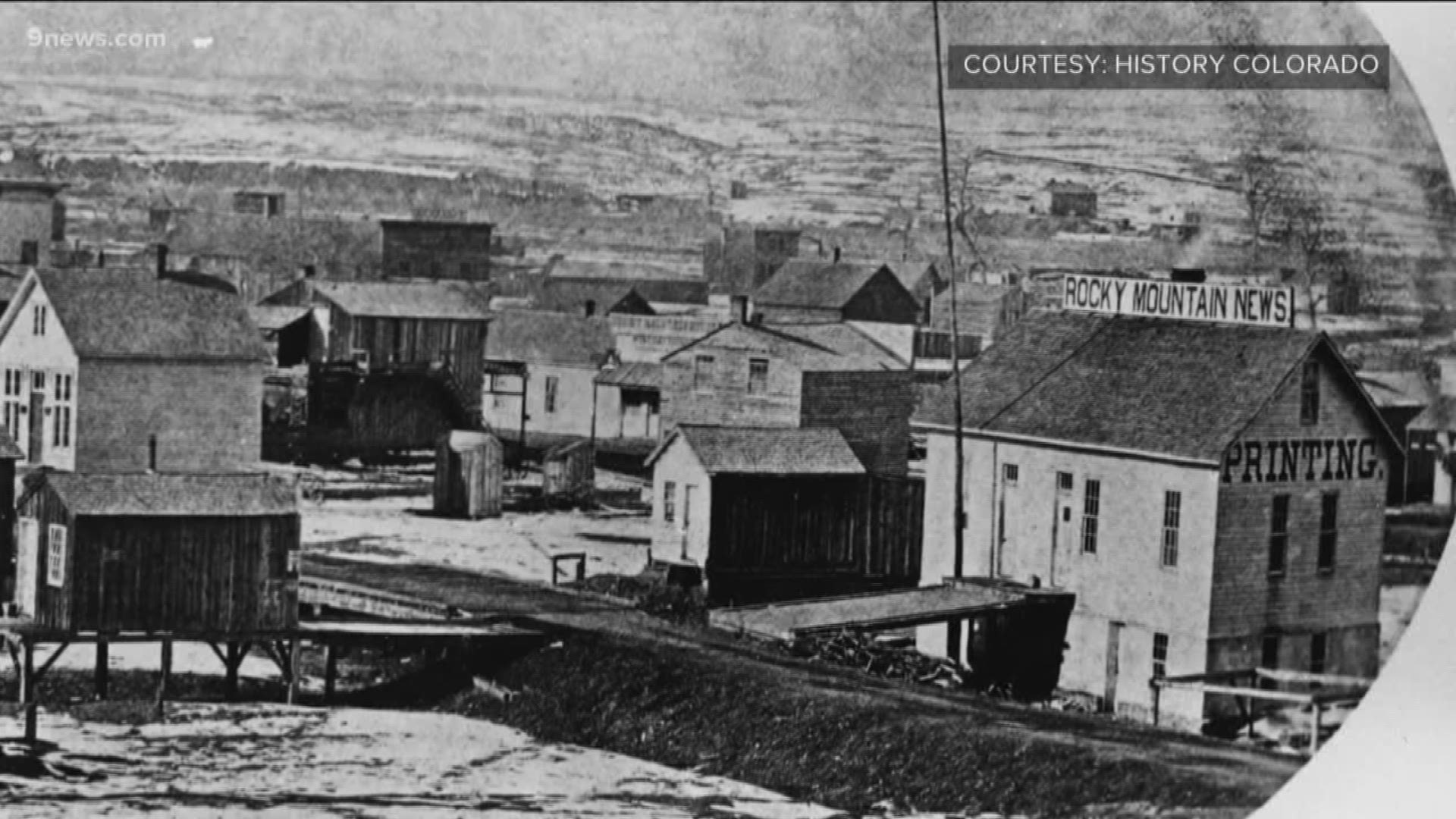
The gold rush era laid the groundwork for many of Colorado’s iconic cities and towns. Denver, born as a supply hub for miners, quickly became the largest settlement. Other mining towns, like Central City and Idaho Springs, sprang up around rich mineral deposits, their histories etched into the preserved Victorian architecture and historic sites that draw tourists today. This period represents a key chapter for travelers seeking authentic experiences of the Old West, with opportunities to explore historic mines, frontier museums, and even stay in charming, restored hotels that once hosted gold barons and prospectors. The Brown Palace Hotel in Denver, for example, is a testament to the luxury and ambition that followed the initial boom, offering a glimpse into the sophisticated lifestyle of the era.
Forging the Colorado Territory
The rapid population growth and the need for organized governance prompted calls for a new territory. Prior to this, the lands that would become Colorado were administratively split between the Kansas Territory, Nebraska Territory, Utah Territory, and New Mexico Territory. This fragmentation made governance difficult and frustrated settlers who desired local representation and a unified legal system.
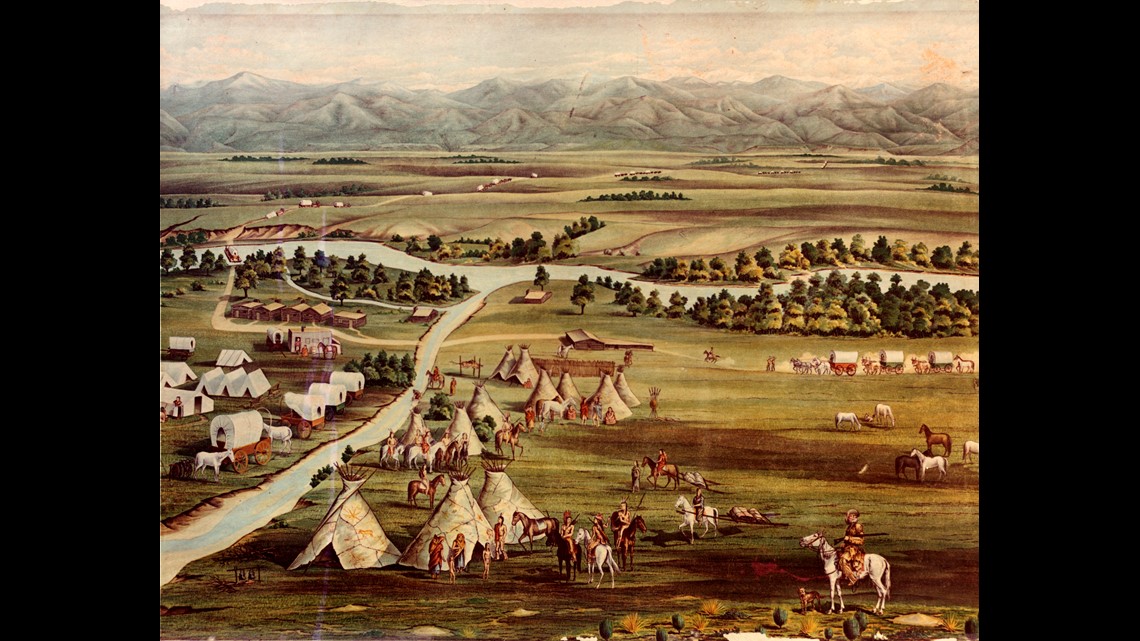
After considerable lobbying and political maneuvering, primarily led by the gold seekers themselves, the United States Congress passed an act to organize the Colorado Territory. On February 28, 1861, President James Buchanan signed the bill creating the Colorado Territory. This marked a crucial “founding” moment, as it officially established the geographical boundaries and administrative framework that would eventually become the state of Colorado. The name “Colorado,” meaning “colored red” in Spanish, was chosen, likely referring to the Colorado River and the reddish-brown silt it carried, or perhaps the reddish tint of much of the region’s soil and rock formations. This territorial designation paved the way for more structured development, leading to the construction of railroads, the growth of agriculture, and the establishment of more permanent communities, all of which are essential elements for today’s comprehensive travel guides and destination planning.
The Centennial State: Achieving Statehood
The creation of the Colorado Territory was merely an intermediate step. The ultimate goal for its residents was statehood, granting them full representation and autonomy within the United States. This final “founding” moment would solidify Colorado’s place in the nation.
The Road to Union and the 1876 Proclamation
The path to statehood was not without its challenges. The American Civil War (1861-1865) and subsequent Reconstruction era diverted national attention and resources. Despite multiple attempts by territorial leaders to gain admission, political opposition, concerns about the territory’s population size, and even presidential vetoes initially stalled the process. President Andrew Johnson, for instance, vetoed a statehood bill in 1866, citing fears about low population and partisan political motives.
However, the persistent efforts of Colorado’s residents and leaders eventually paid off. The territory continued to grow, fueled by further mineral discoveries and the expansion of the transcontinental railroad, which brought more settlers and economic stability. By the mid-1870s, the political climate was more favorable. Finally, on August 1, 1876, President Ulysses S. Grant signed a proclamation admitting Colorado to the Union as the 38th state. This date definitively answers “When was Colorado founded?” in the context of its statehood. The timing was particularly symbolic, as it occurred just shy of the 100th anniversary of the United States’ Declaration of Independence, earning Colorado its enduring nickname: the “Centennial State.”
The Enduring Legacy of the “Centennial State”
The moniker “Centennial State” is more than just a historical footnote; it embodies the spirit of Colorado. It represents a state forged in the fires of pioneering spirit, resourcefulness, and a strong sense of American identity. This legacy is palpable throughout the state, from its historic downtowns to its protected natural wonders. The rich history of mining, ranching, and the railroad is preserved in museums, historic sites, and even the architectural charm of cities like Durango and Ouray, offering compelling attractions for history buffs and casual travelers alike.
Understanding this journey from indigenous lands to a vibrant state profoundly enhances the experience of visiting Colorado. It provides context for the diverse landscapes, from the flat eastern plains to the towering Rocky Mountains, and helps visitors appreciate the unique blend of cultures that have shaped its identity. For those planning a trip, this historical perspective offers a deeper appreciation of Colorado’s role in the development of the American West and its continued evolution as a hub for innovation and outdoor adventure.
Colorado’s Enduring Appeal: A Modern Travel Hub
Today, Colorado stands as a testament to its dynamic past, blending rich history with a forward-looking spirit that makes it one of the premier travel destinations in the United States. Its founding story is intricately woven into its modern appeal, influencing everything from its famed landmarks to its diverse accommodation options and vibrant lifestyle.
Iconic Destinations Shaped by History
Many of Colorado’s most beloved attractions owe their existence or significance to the state’s storied past. The majestic Rocky Mountains, the literal backbone of the state, were both a barrier and a treasure trove for early settlers, now serving as the playground for Rocky Mountain National Park and countless ski resorts like Aspen, Vail, and Breckenridge. These resorts offer world-class skiing and snowboarding in winter, and stunning hiking and mountain biking in summer, providing a quintessential Colorado lifestyle experience.
Historic mining towns like Leadville and Telluride retain their Old West charm, inviting visitors to step back in time. Colorado Springs, nestled at the foot of Pikes Peak, offers a blend of military history, natural beauty at the Garden of the Gods, and a gateway to exploring the surrounding wilderness. Even Denver, the state capital and a major travel hub, boasts a vibrant downtown with historic architecture alongside modern skyscrapers, reflecting its evolution from a gold rush camp to a bustling metropolis. Cultural landmarks like the Red Rocks Amphitheatre, carved into ancient sandstone formations, exemplify how Colorado integrates its natural history with contemporary entertainment. For those seeking unique experiences, national parks such as Great Sand Dunes National Park and Preserve offer unparalleled natural wonders, ensuring every traveler finds their perfect adventure.
Accommodation and Lifestyle in a Historic Setting
The diverse history of Colorado has also shaped its accommodation and lifestyle offerings. From luxury resorts nestled in historic towns to budget-friendly stays in urban centers, the state caters to every preference. Travelers can choose to stay in opulent, historic hotels like The Broadmoor in Colorado Springs or the Hotel Jerome in Aspen, which offer a blend of period charm and modern amenities. Alternatively, boutique hotels in Denver or Boulder provide a contemporary take on urban exploration, while cozy cabins in mountain towns like Glenwood Springs offer a rustic retreat close to natural hot springs.
For those planning a long-term stay or seeking a home-away-from-home experience, apartment rentals and villas are readily available, especially in popular tourist destinations and ski resorts. The lifestyle in Colorado is deeply connected to its environment, promoting outdoor activities, healthy living, and a strong community spirit. Whether it’s a family trip exploring dinosaur fossils, a business stay in a bustling city, or a luxury escape to a mountain spa, Colorado’s blend of historical depth and modern amenities ensures a memorable experience. The state’s commitment to preserving its heritage while fostering innovation makes it a unique destination, where every visit offers a chance to connect with a history that is as grand and inspiring as its mountain peaks. From Indigenous petroglyphs to Victorian-era mansions, the journey through Colorado’s past makes its present all the more vibrant and appealing.
LifeOutOfTheBox is a participant in the Amazon Services LLC Associates Program, an affiliate advertising program designed to provide a means for sites to earn advertising fees by advertising and linking to Amazon.com. Amazon, the Amazon logo, AmazonSupply, and the AmazonSupply logo are trademarks of Amazon.com, Inc. or its affiliates. As an Amazon Associate we earn affiliate commissions from qualifying purchases.