
For many travelers and even some long-time residents, the question of “What time zone is Arizona now?” often leads to a moment of confusion. Unlike the majority of the United States, Arizona observes a unique timekeeping practice, primarily sticking to Mountain Standard Time (MST) year-round without transitioning to Daylight Saving Time (DST). This seemingly simple fact carries a surprising amount of historical context, cultural nuance, and practical implications for anyone planning a visit or conducting business within the Grand Canyon State. Understanding Arizona’s approach to time is not just a matter of setting your watch; it’s a window into its distinct character, shaped by its geography, climate, and the independent spirit of its people.

This distinctive time zone status is particularly relevant for those navigating the diverse landscapes of Arizona, from the bustling streets of Phoenix and Tucson to the majestic vistas of the Grand Canyon and the tranquil beauty of its northern forests. Whether you’re booking a flight, reserving a guided tour, or coordinating a meeting, knowing the precise time in Arizona can make all the difference in ensuring a smooth and enjoyable experience. For tourism professionals, hoteliers, and savvy travelers, this detail becomes a key piece of information, impacting everything from check-in times at luxury resorts to the scheduling of sunset viewing at iconic landmarks.
Decoding Arizona’s Unique Time Zone Status
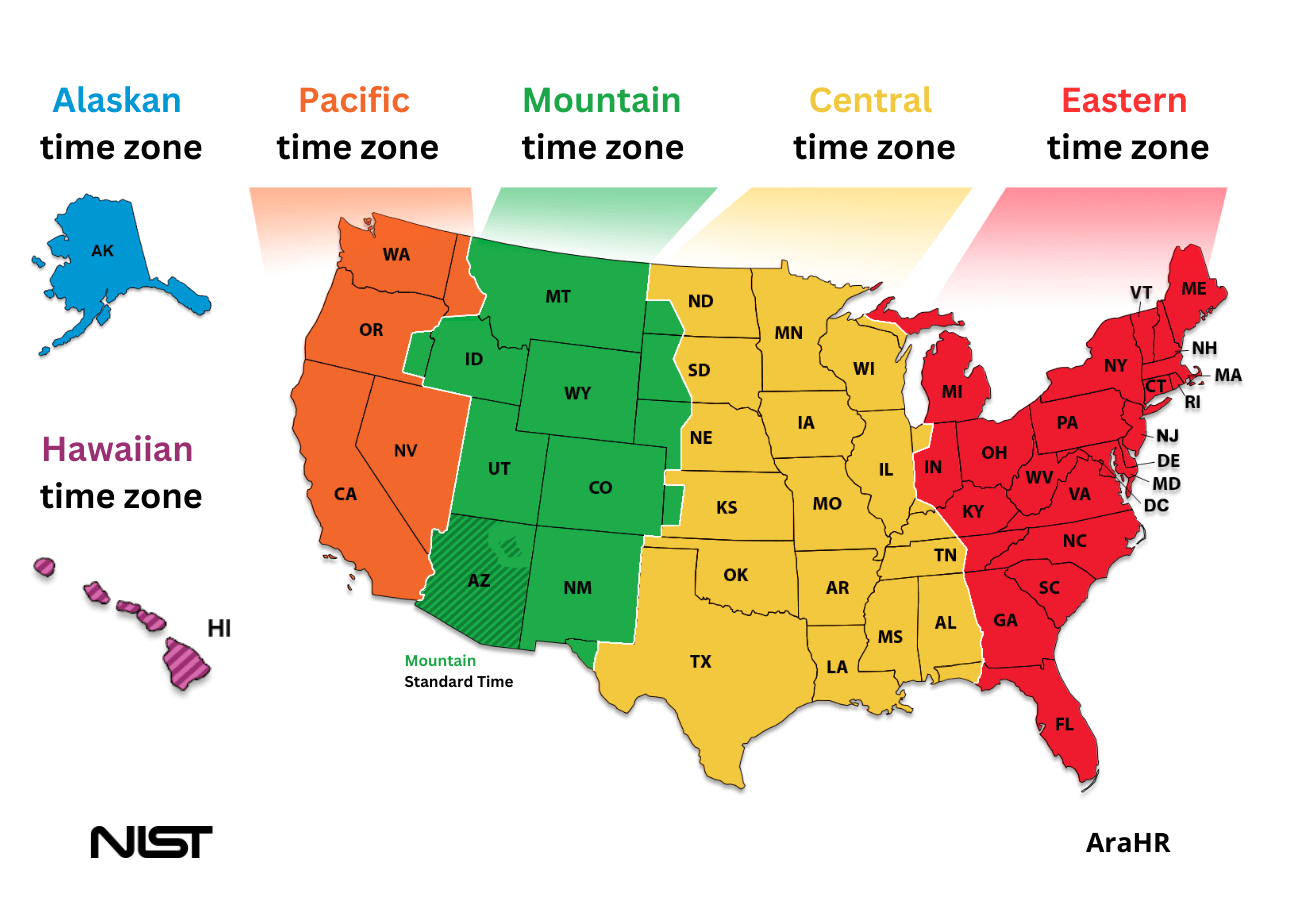
At its core, the answer to the time zone question is straightforward: Arizona observes Mountain Standard Time (MST) throughout the entire year. This means that, unlike most other states that “spring forward” in March and “fall back” in November, Arizona maintains a consistent time. This makes it one of only two states in the United States (the other being Hawaii) that largely forgo Daylight Saving Time.
The “No DST” Rule and Its Origins
The decision to opt out of Daylight Saving Time is rooted in Arizona’s extreme desert climate. During the scorching summer months, temperatures can routinely soar above 100°F (38°C), making outdoor activities during peak daylight hours unbearable. The primary purpose of DST is to extend daylight into the evening, traditionally saving energy and promoting outdoor recreation. However, in Arizona, an extra hour of daylight in the evening during summer would only prolong the intense heat, increasing demand for air conditioning rather than reducing energy consumption.
Historically, Arizona briefly observed Daylight Saving Time in 1918 and again during World War II, alongside the rest of the nation as part of the “war time” effort. However, the state permanently opted out of the Uniform Time Act of 1966, which mandated DST for most of the United States, allowing states to exempt themselves by law. Arizona made this choice, solidifying its year-round MST status. This exemption has largely been a practical response to the state’s environment, allowing residents to enjoy cooler evenings for outdoor activities and reducing the burden on the power grid during the hottest parts of the day.
The Navajo Nation: A Notable Exception
While the vast majority of Arizona adheres to year-round Mountain Standard Time, there’s a significant and often confusing exception: the Navajo Nation. This autonomous tribal land, which spans parts of northeastern Arizona, New Mexico, and Utah, does observe Daylight Saving Time.
The decision for the Navajo Nation to observe DST is rooted in maintaining consistent time with other parts of the reservation that extend into New Mexico and Utah, both of which observe DST. This simplifies coordination for tribal governance, schools, and businesses across the sprawling reservation. For travelers, this means that if you’re driving through the northeastern part of Arizona, you might experience a time change as you enter or exit the Navajo Nation, especially between March and November. For example, during the summer months, when the rest of Arizona is on MST, the Navajo Nation will be on Mountain Daylight Time (MDT), which is one hour ahead. This can be particularly important when visiting attractions like Monument Valley or Antelope Canyon, both of which are located within the Navajo Nation and operate on MDT during DST months. It’s always wise to double-check local times, especially if you have tour bookings or appointments.
Practical Implications for Travelers and Tourists
The unique time zone situation in Arizona presents both minor quirks and significant considerations for visitors. For those planning a vacation focused on travel, tourism, and exploring the state’s incredible landmarks, understanding these nuances is key to a seamless trip.
Navigating Time Differences with Neighboring States
During the months when Daylight Saving Time is in effect (typically March to November), Arizona’s time relation to its neighbors changes:
- California and Nevada (Pacific Time Zone): Arizona will be one hour ahead of these states. So, if it’s 2 PM in Los Angeles, it will be 3 PM in Phoenix.
- Utah, Colorado, and New Mexico (Mountain Time Zone, observing DST): Arizona will be one hour behind these states. If it’s 4 PM in Salt Lake City, it will be 3 PM in Tucson.
This fluctuating difference is crucial when planning cross-border excursions, coordinating arrivals for flights from other states, or making phone calls to contacts outside Arizona. Imagine booking a flight that lands in Las Vegas and then driving to Kingman, Arizona; a 3 PM arrival in Nevada means a 4 PM arrival in Arizona during DST, which could impact your check-in time at your chosen accommodation.
Tips for a Seamless Arizona Adventure
- Always Confirm Tour Times: If you’re booking excursions, especially those involving the Navajo Nation (like Antelope Canyon or Monument Valley), confirm whether the listed time is local Arizona time or Navajo Nation time during DST months. Most tour operators are aware of the confusion and will specify, but it never hurts to double-check.
- Adjust Your Devices: Modern smartphones and GPS devices usually adjust automatically, but it’s a good practice to manually verify your device’s time when you cross into Arizona or onto tribal lands. This is particularly important for those relying on analog watches or older devices.
- Factor in Travel Time and Check-ins: When booking hotels or making dinner reservations, be mindful of the time differences, particularly if you’re arriving from a state that observes DST. A 4 PM check-in might mean leaving an hour earlier from Utah or an hour later from California.
- Consider the “Why”: Remembering that Arizona foregoes DST largely due to its climate can help contextualize travel plans. The consistent MST means longer, cooler evenings for outdoor activities like hiking or enjoying a patio dinner, which is often a bonus for visitors.
Exploring Arizona’s Wonders, Time Zone Notwithstanding
Beyond the intricacies of its time zone, Arizona remains an unparalleled destination for travel and tourism, offering a diverse range of experiences from urban sophistication to untamed wilderness. Its unique timekeeping actually enhances the lifestyle of both residents and visitors, allowing for more comfortable enjoyment of its natural beauty.
Iconic Landmarks and Attractions
No visit to Arizona is complete without experiencing the sheer grandeur of the Grand Canyon National Park. Whether you’re peering over the South Rim at Mather Point or braving a hike down to the Colorado River, the scale and majesty are awe-inspiring. Other natural landmarks abound, including Sedona’s vibrant red rock formations, perfect for spiritual retreats, hiking, and exploring energy vortexes. The Petrified Forest National Park offers a glimpse into prehistoric times with its fossilized wood and ancient petroglyphs, while Saguaro National Park showcases the iconic giant saguaro cacti, symbols of the Sonoran Desert.
For those interested in native cultures, the Navajo Nation offers breathtaking sites like Antelope Canyon with its sculpted sandstone walls and the dramatic vistas of Monument Valley Navajo Tribal Park, famed for its towering mesas and buttes. Remember to factor in the time zone change when visiting these specific attractions during DST periods.
Urban Escapes and Cultural Experiences
Arizona’s cities offer a blend of modern amenities and rich history. Phoenix, the state capital, boasts world-class resorts and hotels such as The Ritz-Carlton, Phoenix and the Hyatt Regency Phoenix, alongside a vibrant culinary scene and cultural institutions like the Desert Botanical Garden and the Musical Instrument Museum. Scottsdale is renowned for its luxury lifestyle, art galleries, high-end shopping, and rejuvenating spa experiences, making it a prime destination for upscale accommodation. Consider staying at The Phoenician, a Luxury Collection Resort, for an opulent stay.
To the south, Tucson offers a different charm with its historic Barrio Viejo neighborhood, rich Mexican-American heritage, and designation as a UNESCO City of Gastronomy. The University of Arizona also contributes to a lively academic and arts scene. For those seeking unique accommodation, boutique hotels and charming bed and breakfasts provide a taste of local culture.
A Paradise for Outdoor Enthusiasts
The consistent time zone in Arizona means predictable sunlight for outdoor activities, which are central to the state’s appeal. From hiking and mountain biking in the numerous state parks like Camelback Mountain in Phoenix or the trails around Sedona, to water sports on Lake Powell and the Colorado River, there’s an adventure for every interest. Golf enthusiasts will find a plethora of world-class courses, particularly in the Phoenix and Scottsdale areas, where the consistent evening light allows for longer play during the cooler months. Wildlife viewing, stargazing in the dark sky communities such as Flagstaff, and exploring historical mining towns like Jerome add to the diverse experiences. Even business travelers find time to explore the unique attractions and often choose hotels that offer a blend of convenience and leisure amenities.
In essence, Arizona’s decision to largely forgo Daylight Saving Time is a testament to its practical adaptation to its environment, prioritizing comfort and efficiency for its inhabitants. While it introduces a slight mental adjustment for visitors, it also contributes to the state’s distinct identity and simplified planning once understood.

Conclusion: Embracing Arizona’s Timeless Allure
So, what time zone is Arizona now? For most of the year and for most of its territory, it’s consistently Mountain Standard Time. This unwavering approach to timekeeping, while a slight deviation from the norm in the United States, is a pragmatic response to the state’s unique climate and a fascinating aspect of its character. The exception of the Navajo Nation, which observes Daylight Saving Time, adds a layer of complexity that is easily managed with a bit of prior knowledge and a quick check of your watch or smartphone.
For travelers, this consistent time means a predictable schedule for experiencing Arizona’s wonders, from the majestic Grand Canyon to the vibrant art scene of Sedona and the bustling energy of Phoenix. It allows for relaxed planning of accommodation at exquisite resorts and boutique hotels, seamless coordination of outdoor adventures, and undisturbed enjoyment of cultural attractions. The lifestyle within Arizona embraces the natural rhythm of the sun, offering beautiful sunsets and comfortable evenings perfect for dining al fresco or stargazing.
Ultimately, this minor time zone quirk should never deter anyone from exploring the diverse destinations and rich experiences that Arizona has to offer. Instead, it serves as a distinctive conversation starter and a memorable detail that contributes to the unique allure of the Grand Canyon State. So set your watch, plan your adventure, and prepare to immerse yourself in the timeless beauty and singular spirit of Arizona.
LifeOutOfTheBox is a participant in the Amazon Services LLC Associates Program, an affiliate advertising program designed to provide a means for sites to earn advertising fees by advertising and linking to Amazon.com. Amazon, the Amazon logo, AmazonSupply, and the AmazonSupply logo are trademarks of Amazon.com, Inc. or its affiliates. As an Amazon Associate we earn affiliate commissions from qualifying purchases.