
The haunting melodies and cryptic lyrics of “Hotel California” have captivated listeners for decades, making it one of the most iconic songs in rock history. Beyond its enduring musical appeal, the song has transcended its origins to become a cultural touchstone, often evoking vivid imagery of travel, mysterious accommodations, and the allure of distant, sometimes deceptive, destinations. For anyone interested in the intersection of music, culture, and the places that inspire them, understanding the genesis of this legendary track is key. So, when exactly did the world first check into the Hotel California?
The Genesis of an Anthem: Unveiling the Release Date
The journey of “Hotel California” began in the mid-1970s, a period of significant change and introspection for both the Eagles and American society at large. The band, having achieved massive success with earlier, more country-rock-leaning hits, was ready to explore darker, more complex themes. This ambition culminated in an album that would redefine their sound and cement their place in music history.

A Winter Debut: The Album’s Arrival
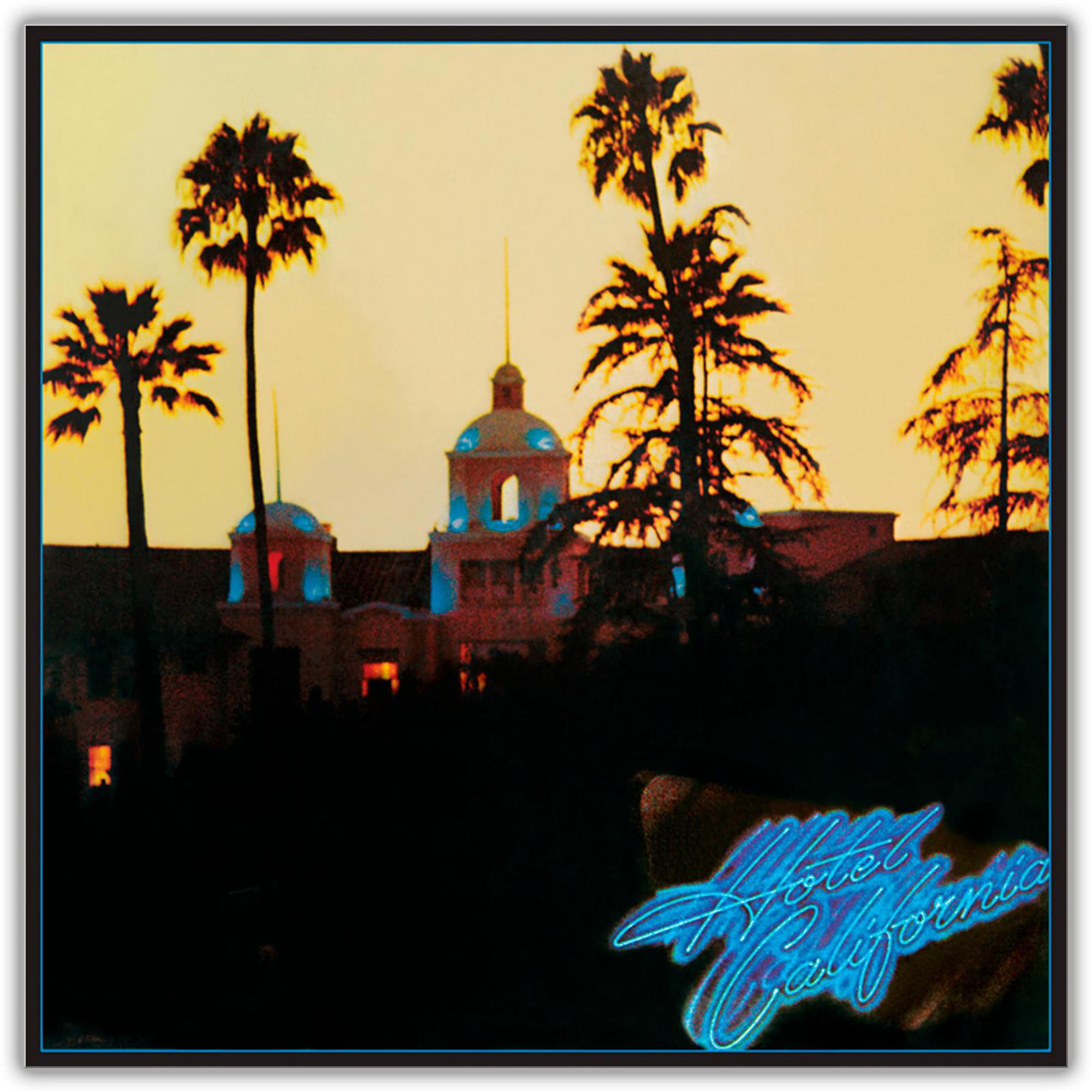
The magnum opus bearing the song’s title, the album Hotel California, was officially released on December 8, 1976. This highly anticipated release marked a pivotal moment for the Eagles, showcasing a more sophisticated, rock-oriented sound with intricate arrangements and profound lyrical depth. The album, produced by Bill Szymczyk, immediately resonated with critics and audiences alike, quickly climbing the charts and becoming a multi-platinum success. Its release was not just a musical event; it was a cultural phenomenon, capturing the zeitgeist of an era characterized by both excess and disillusionment, particularly in the glamorous yet often superficial landscape of California. The album cover itself, featuring the iconic Beverly Hills Hotel at sunset, played a significant role in establishing the visual and thematic identity that would become inextricably linked to the song and the band. This visual, a luxurious edifice bathed in an ambiguous light, perfectly encapsulated the album’s themes of alluring facades and underlying decay, inviting listeners to ponder the true nature of the destinations they sought.
Chart-Topping Single: The Road to Global Fame
While the album Hotel California made its grand entrance in late 1976, the title track itself was released as a single a few months later, in February 1977. It quickly soared to the top of the charts, reaching number one on the Billboard Hot 100 in the United States and achieving significant success globally. The single’s release propelled the album to even greater heights, solidifying the Eagles’ status as one of the biggest bands in the world. Its widespread radio play introduced the intricate guitar solos of Don Felder and Joe Walsh and Don Henley’s evocative vocals to an even broader audience. The song’s narrative, a traveler’s strange encounter with a mysterious luxury establishment, tapped into universal themes of temptation, illusion, and the journey itself. This narrative resonance, combined with its musical brilliance, ensured that “Hotel California” would not merely be a hit, but an enduring classic. Its success was further recognized with a Grammy Award for Record of the Year in 1978, a testament to its profound impact on the music industry and popular culture. The song’s mystique also fostered intense speculation among fans and critics about its literal meaning and geographical inspiration, transforming it into a kind of landmark in itself.
More Than Just a Song: Decoding the Hotel California Mystique
“Hotel California” is far more than a catchy tune; it’s a narrative, a metaphor, and a cultural touchstone that has been interpreted in countless ways. Its enduring mystique lies in its ambiguous lyrics and the vivid imagery it conjures, making it a perennial subject of debate and fascination. For travelers and those intrigued by the allure of destinations, the song taps into a primal curiosity about places that hold both beauty and a hint of the sinister.
The Allure of the Iconic Hotel: Fact, Fiction, and Inspiration
At its heart, “Hotel California” describes a traveler’s surreal experience at a lavish yet sinister hotel, a place where one can “check out any time you like, but you can never leave.” This central metaphor has sparked endless theories about its real-world inspiration. While the Eagles themselves have stated that the song is an allegory for the excesses of the music industry and the darker side of the American Dream, particularly as experienced in Los Angeles in the 1970s, the idea of a specific, tangible “Hotel California” persists. Many have speculated about various grand hotels in California as potential muses. The aforementioned Beverly Hills Hotel, with its pink stucco and legendary status, often comes up. Another frequently cited location is the Chateau Marmont, famous for its discreet luxury and long history of housing rock stars and movie legends, often with tales of debauchery and mysterious happenings. Regardless of whether a single building directly inspired the lyrics, the song masterfully creates a composite image of a place that is simultaneously inviting and menacing, luxurious and entrapment. It speaks to the paradoxical nature of many sought-after destinations: places that promise freedom and escape but can sometimes lead to a feeling of being ensnared by their own particular brand of allure or illusion. This metaphorical “hotel” perfectly embodies the bittersweet experience of travel, where the dream destination sometimes reveals its less glamorous, more challenging underbelly.
Real-World Resonances: Hotels That Echo the Legend
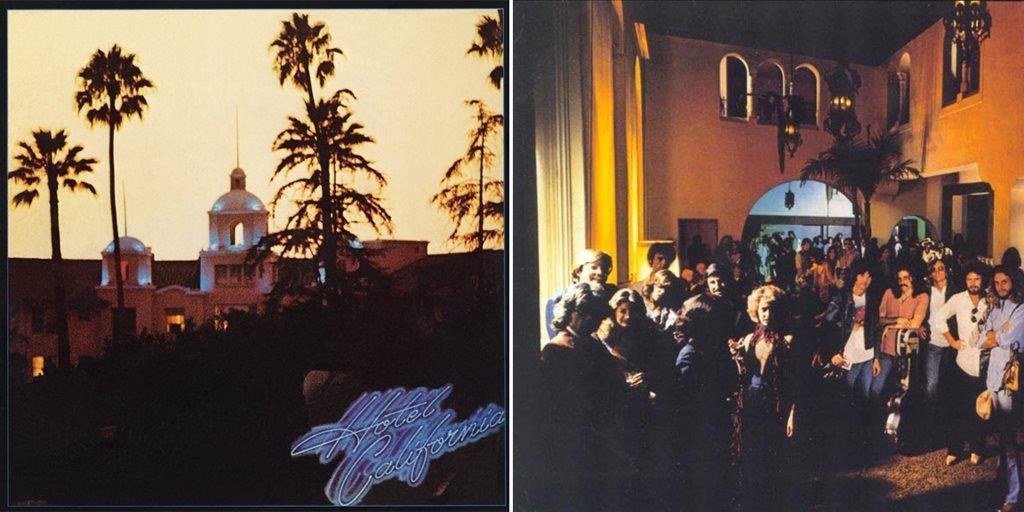
Even if the Hotel California of the song is purely allegorical, its themes resonate deeply with the experiences one might have in real-world hotels and travel scenarios. Many luxury accommodations around the globe, especially those with a rich history or a certain eccentric charm, can evoke a similar sense of captivating mystery. Consider historic hotels in cities like New York or London, where opulent architecture and storied pasts hint at untold tales within their walls. Or perhaps a secluded resort in a far-flung destination, offering an immersive experience that blurs the lines between reality and dream. These establishments, whether grand dame hotels in bustling metropolises or boutique escapes in exotic locales, often cultivate an atmosphere that is both inviting and exclusive, much like the song’s iconic setting. They represent the pinnacle of accommodation, designed to make guests feel pampered and removed from the everyday. Yet, for some, the very intensity of such experiences can create a sense of being enveloped, perhaps even overwhelmed, by the environment. This is where the song’s timeless appeal truly shines through; it provides a framework for understanding the profound psychological impact that certain travel experiences and accommodations can have on us, whether they lead to joyous liberation or a more complex, introspective sense of being “stuck” in a moment or a place. From the vibrant energy of Miami to the romantic allure of Paris, every destination offers its own unique ‘check-in’ experience, some of which might feel as profoundly transformative as the one described in the song.
The Cultural Impact: A Soundtrack for Travel and Life
The release of “Hotel California” wasn’t just a moment in music history; it was the birth of a cultural phenomenon that continues to influence perceptions of travel, luxury, and the American experience. Its themes of excess, illusion, and the elusive pursuit of paradise strike a chord with adventurers and armchair travelers alike, making it a ubiquitous soundtrack for many life journeys.
The Eternal Check-In: Why the Song Endures for Travelers
For travelers, “Hotel California” holds a special resonance. The opening lines, “On a dark desert highway, cool wind in my hair,” immediately transport the listener to a road trip, a journey into the unknown. This imagery, combined with the subsequent arrival at a luxurious, yet unsettling, hotel, encapsulates the exhilarating and sometimes disorienting nature of travel. It speaks to the excitement of discovering new destinations, the allure of opulent accommodations, and the potential for unexpected encounters. Whether exploring the historic landmarks of Mexico or embarking on a cross-country adventure across the United States, the song’s narrative taps into the universal human experience of seeking out new places, escaping the mundane, and perhaps finding something more profound—or unsettling—than initially expected. The song serves as a reminder that travel is not always about pristine beaches and perfect selfies; it’s also about introspection, challenging perceptions, and confronting the beautiful ambiguities of the world. It’s why many find themselves humming its tune while navigating a bustling airport, checking into a boutique hotel, or simply gazing out at an unfamiliar landscape. The song becomes a companion, a reflective lens through which to view one’s own travel experiences, fostering a deeper appreciation for both the planned itineraries and the spontaneous detours that define a memorable trip.
Beyond the Lyrics: A Lifestyle and Landmark Statement
“Hotel California” has also become synonymous with a certain lifestyle – one of sophisticated travel, a touch of mystery, and the underlying complexities of luxury. It evokes images of high-end resorts, exclusive destinations, and experiences that are both glamorous and perhaps a little edgy. The song’s influence extends beyond music, shaping how we perceive certain landmarks and even entire regions. California itself, with its iconic Hollywood sign, sprawling vineyards, and Pacific coastline, is often viewed through a lens partly colored by the song’s narrative—a place of dreams and dark undercurrents. It speaks to the idea that some places, like some songs, become cultural landmarks in their own right, embodying a collective consciousness about a time, a place, or a feeling. For those who appreciate luxury travel, the song can be an ode to the lavish amenities and exceptional service found in five-star hotels and resorts worldwide. For budget travelers, it might serve as a cautionary tale about the allure of excess. For families on vacation or business travelers seeking comfort, the song’s enduring themes of home and away, belonging and alienation, continue to resonate. It encourages a critical yet appreciative look at the places we visit and the experiences we seek, ensuring that the legacy of “Hotel California” remains etched not just in musical archives, but in the annals of travel lore and lifestyle aspirations.
Crafting Your Own “Hotel California” Experience
Understanding the allure of “Hotel California” isn’t just about appreciating a timeless song; it’s about recognizing the deep connections between music, emotion, and the places we explore. While you might not encounter a literal Hotel California on your travels, the themes it presents – the search for paradise, the discovery of unexpected truths, and the desire for both luxury and authenticity – are universal to any travel experience.
Finding Your Perfect Getaway: From Luxury Resorts to Boutique Stays
The quest for the ideal accommodation is a cornerstone of any memorable trip. Whether you’re drawn to the opulence suggested by “Hotel California” or prefer a more understated charm, the world of hotels and resorts offers an unparalleled diversity of options. Luxury resorts cater to those seeking indulgent amenities, gourmet dining, and impeccable service, often in breathtaking destinations. These establishments aim to create an escape where every need is anticipated, and the environment is meticulously curated for relaxation and pleasure. On the other hand, boutique hotels offer a more personalized, often art-centric experience, reflecting local culture and unique design aesthetics. They might be smaller, more intimate, and tell a distinct story through their decor and service. When planning your next trip, consider what kind of “check-in” experience you truly desire. Are you seeking the grand, almost theatrical statement of a palatial hotel, or the quiet, curated charm of an independent stay? Researching reviews, comparing amenities, and understanding the local context of your chosen accommodation can transform a simple booking into an integral part of your travel narrative. Every hotel, from the grandest suite to the coziest apartment, offers a unique opportunity to immerse yourself in your chosen destination and create your own stories, free from any metaphorical entrapment.
Embracing the Journey: Understanding Destinations and Local Culture
Ultimately, the enduring appeal of “Hotel California” reminds us that travel is about more than just the destination or the accommodation; it’s about the journey and the experiences that shape us. To truly embrace a destination, it’s essential to delve into its local culture, understand its history, and engage with its people. Whether you’re exploring ancient landmarks, savoring local cuisine, or participating in traditional activities, these interactions enrich your travel experience far beyond what any five-star resort alone can offer. The mystique of “Hotel California” itself encourages us to look beyond the surface, to question what we see, and to appreciate the complex layers of any place we visit. So, as you plan your next adventure, remember the song’s poetic narrative. Allow yourself to be captivated by the beauty, challenge yourself with new perspectives, and always be open to the unexpected. For in every journey, in every new hotel, and in every cultural encounter, there’s a chance to write your own unforgettable chapter, one where you can always choose to leave, taking with you a wealth of memories and a deeper understanding of the world.
LifeOutOfTheBox is a participant in the Amazon Services LLC Associates Program, an affiliate advertising program designed to provide a means for sites to earn advertising fees by advertising and linking to Amazon.com. Amazon, the Amazon logo, AmazonSupply, and the AmazonSupply logo are trademarks of Amazon.com, Inc. or its affiliates. As an Amazon Associate we earn affiliate commissions from qualifying purchases.