
The skyline of Las Vegas is an ever-evolving tapestry of neon, glass, and architectural ambition. Among the glittering giants that line The Strip, few properties command as much respect and admiration as the Bellagio. Known for its elegance, its world-class conservatory, and its dancing fountains, this resort redefined the concept of luxury in Nevada. But to understand the significance of this iconic hotel, one must look back to the mid-1990s, a period of radical transformation for the city.
The Bellagio was officially opened on October 15, 1998. Its construction marked a pivotal moment in the history of North America hospitality, signaling a shift away from the family-friendly “theme park” era of the early 1990s toward a sophisticated, high-end resort experience. Conceived by visionary developer Steve Wynn and his company, Mirage Resorts, the project was a billion-dollar gamble that ultimately paid off, setting a new gold standard for the global hotel industry.
The Vision and Construction of a Las Vegas Icon
Before the Bellagio could rise, an older piece of Las Vegas history had to make way. The site was previously occupied by the Dunes Hotel, a classic property that had been a staple of the city since the 1950s. In a spectacular display that has since become legendary, the Dunes Hotel was imploded in 1993 to clear the path for Steve Wynn’s most ambitious dream yet.
Concept and Italian Inspiration
The inspiration for the Bellagio came from the picturesque town of Bellagio overlooking Lake Como in Italy. Steve Wynn sought to replicate the timeless elegance and romantic atmosphere of the Italian Alps in the heart of the Mojave Desert. This was a departure from the more cartoonish themes of neighboring resorts like Excalibur Hotel & Casino or Treasure Island.
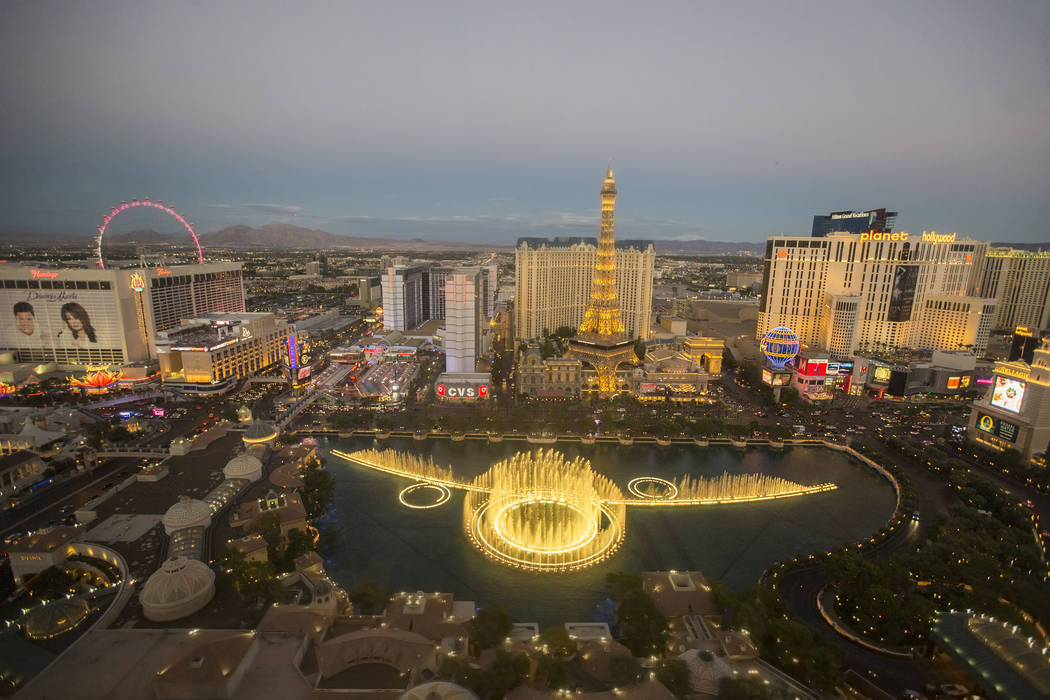
Working with the architecture firm DeRuyter Butler and Atlandia Design, the team focused on creating a Mediterranean-style sanctuary. The centerpiece was to be an 8.5-acre man-made lake, which would serve as the stage for the now-famous water show. The construction was an enormous undertaking, involving thousands of workers and a budget that eventually ballooned to approximately $1.6 billion, making it the most expensive hotel in the world at the time of its completion.
Engineering the Luxury Experience
Building a resort of this magnitude required groundbreaking engineering. The hotel’s main tower stands 36 stories tall, housing over 3,000 guest rooms and suites. Every detail, from the marble floors to the placement of the decorative moldings, was overseen with meticulous care. One of the most challenging aspects of the build was the installation of the specialized infrastructure for the Fountains of Bellagio. This complex system of “shooters” and oarsmen pipes had to be integrated into the lake bed, capable of propelling water hundreds of feet into the air in perfect synchronization with music and lights.
Grand Opening and Impact on the Las Vegas Strip
When the Bellagio opened its doors on that autumn night in 1998, the event was nothing short of a cultural phenomenon. The opening ceremony was reported to cost $88 million, featuring a VIP guest list that included some of the biggest names in Hollywood and the global business community.
Setting a New Standard for Resorts
The debut of the Bellagio immediately pressured other properties on The Strip to upgrade their offerings. It proved that travelers were willing to pay a premium for luxury, fine art, and gourmet dining rather than just gambling and cheap buffets. The resort introduced a level of service and aesthetic beauty that was previously reserved for boutique hotels in Europe or New York City.
The hotel’s lobby alone was a marvel, featuring the stunning “Fiori di Como” by renowned glass artist Dale Chihuly. This installation, consisting of over 2,000 hand-blown glass flowers, remains one of the most photographed pieces of art in the United States. It served as a clear signal that the Bellagio was not just a place to sleep, but a destination for cultural appreciation.
Economic and Cultural Shift
The success of the Bellagio paved the way for the “mega-resort” boom of the 2000s. Following its lead, other developers began constructing properties like Wynn Las Vegas, The Venetian Resort Las Vegas, and later the Encore at Wynn Las Vegas. The Bellagio effectively moved the center of gravity on The Strip toward the mid-south section, creating a new luxury corridor that continues to thrive today under the management of MGM Resorts International.

Architectural Marvels and Signature Amenities
Beyond its rooms, the Bellagio is defined by several key attractions that have become synonymous with the Las Vegas experience. These amenities were designed to engage the senses and provide a sense of wonder that transcends the typical casino environment.
The Conservatory & Botanical Gardens
Located just beyond the lobby, the Bellagio Conservatory & Botanical Gardens is a 14,000-square-foot space that changes with the seasons. A dedicated team of horticulturalists and designers creates elaborate displays for Lunar New Year, spring, summer, harvest, and the winter holidays. This attraction is free to the public, reinforcing the Bellagio status as a landmark for all visitors to Nevada, not just those staying in its suites.
The Bellagio Gallery of Fine Art
In another move that defied Las Vegas conventions, the resort included a dedicated space for museum-quality art. Over the years, the Bellagio Gallery of Fine Art has hosted works by masters such as Pablo Picasso, Claude Monet, and Vincent van Gogh. This commitment to high culture helped the resort earn its reputation as the most sophisticated destination in the city.
World-Class Entertainment: “O” by Cirque du Soleil
The Bellagio is also home to one of the most successful resident shows in history. O by Cirque du Soleil performs in a custom-built theater that features a 1.5-million-gallon pool of water. The show’s title is a play on the French word “eau,” meaning water, and it perfectly complements the resort’s aquatic theme. The production combines world-class acrobatics, synchronized swimming, and diving, offering a theatrical experience that remains unparalleled on The Strip.
Evolution of the Guest Experience: Suites and Renovations
While the Bellagio was built in 1998, it has not remained frozen in time. To maintain its five-diamond status, the resort has undergone numerous renovations to ensure its accommodations remain at the forefront of modern luxury.
Luxury Accommodations and Recent Upgrades
The resort features two primary towers: the original Bellagio Tower and the Spa Tower, the latter of which was added in 2004 to expand the resort’s capacity and spa facilities. In recent years, MGM Resorts International has invested hundreds of millions of dollars into refreshing the guest rooms. These updates have introduced contemporary design elements, state-of-the-art technology, and sustainable features while retaining the classic elegance that guests expect.
The suites at Bellagio range from the spacious Salone Suite to the palatial Presidential and Chairman’s Suites. Many of these rooms offer floor-to-ceiling windows with direct views of the Fountains of Bellagio, providing what is arguably the most sought-after view in all of Las Vegas.
The Culinary Landscape
A key component of the Bellagio hospitality model is its diverse and prestigious dining portfolio. The resort was a pioneer in bringing celebrity chefs to the city. Notable restaurants include Picasso, where diners can enjoy Mediterranean cuisine surrounded by original works by the artist, and Le Cirque, a world-renowned French establishment. Other highlights include Michael Mina, Spago by Wolfgang Puck, and Prime Steakhouse by Jean-Georges Vongerichten. Each venue is designed to be an immersive environment, often featuring views of the lake or the gardens.

Legacy of the Bellagio
Since it was built in 1998, the Bellagio has stood as a symbol of the “New Las Vegas.” It successfully bridged the gap between the city’s gritty gambling past and its future as a global capital of luxury and entertainment. Its influence can be seen in every high-end resort that has followed, from Macau to Dubai.
Today, the Bellagio remains one of the most profitable and popular hotels in the world. Whether it is the mesmerizing dance of the fountains, the fragrant air of the conservatory, or the plush comfort of its suites, the resort continues to deliver on the promise Steve Wynn made over two decades ago: to create a place of beauty that transcends the desert heat and offers a true escape into the sublime. For anyone visiting Las Vegas, the Bellagio is more than just a hotel; it is a testament to the power of grand architectural vision and the enduring appeal of timeless luxury.
LifeOutOfTheBox is a participant in the Amazon Services LLC Associates Program, an affiliate advertising program designed to provide a means for sites to earn advertising fees by advertising and linking to Amazon.com. Amazon, the Amazon logo, AmazonSupply, and the AmazonSupply logo are trademarks of Amazon.com, Inc. or its affiliates. As an Amazon Associate we earn affiliate commissions from qualifying purchases.