
The question “When was the last time it rained in Arizona?” often springs from a common misconception: that the Grand Canyon State is an endlessly sun-baked expanse devoid of precipitation. While Arizona is indeed famous for its abundant sunshine and arid landscapes, rain is a regular, vital, and often dramatic part of its climate, occurring in distinct patterns that significantly influence travel experiences. Far from being a rare event, rainfall in Arizona sculpts its iconic scenery, fuels its unique biodiversity, and offers travelers diverse seasonal attractions. Understanding these patterns is key to planning an optimal visit, whether you seek endless sunshine or the breathtaking spectacle of a desert downpour.

Arizona’s Dual Rainy Seasons: A Traveler’s Climate Guide
Arizona’s climate is defined by its complex geography, ranging from low-lying desert basins to high-altitude mountain ranges. This diversity means that “rain” isn’t a monolithic event across the state, but rather manifests in two primary, predictable seasons, each offering a distinct experience for visitors.
The North American Monsoon: Summer’s Fiery Refreshment
For many, the most striking and memorable rain experience in Arizona is the North American Monsoon season. Typically occurring from mid-June or early July through mid-September, this meteorological phenomenon brings a dramatic shift in weather patterns. After months of intense dry heat, moisture from the Gulf of California and Gulf of Mexico is drawn northward, leading to daily chances of thunderstorms.
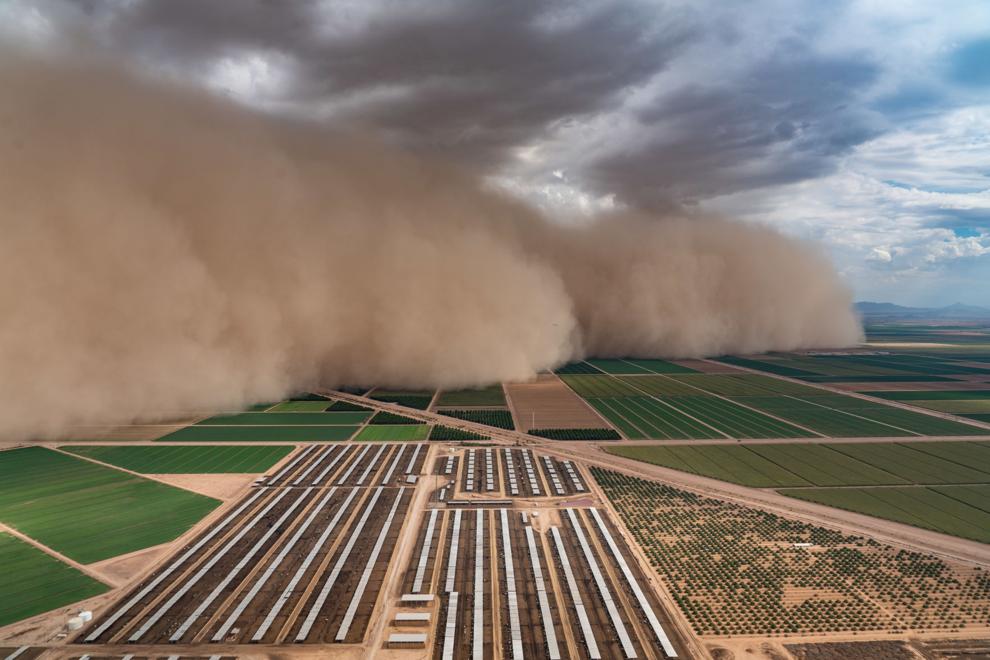
These monsoon storms are often characterized by their intensity and localized nature. Skies can transform rapidly from brilliant blue to ominous dark gray, unleashing torrential downpours, powerful winds, and spectacular lightning displays. Flash flooding in washes and low-lying areas is a significant concern, especially for hikers and campers exploring slot canyons or remote desert trails. Roads can become temporarily impassable, and dust storms (haboobs) are a common prelude to the rain in flatter desert regions around cities like Phoenix and Tucson.
Despite these challenges, the monsoon is a celebrated event for locals and offers unique photographic opportunities for travelers. The air clears, the desert smells distinctly fresh and earthy (a scent known as petrichor), and the landscape momentarily bursts into life with vibrant greens and temporary waterfalls cascading down rock faces. Temperatures, while still warm, are often slightly moderated after a good storm. For those visiting during this period, embracing the monsoon means being prepared for sudden weather changes, having contingency plans for outdoor activities, and savoring the awe-inspiring power of nature. Attractions like Saguaro National Park or the Sonoran Desert Museum near Tucson take on an entirely different character after a summer rain.
Winter Rains: Gentle Soak and High-Country Snowfall
Arizona experiences another crucial rainy season during the cooler months, typically from December through March. This precipitation is driven by Pacific storm systems that sweep across the state, bringing longer, more widespread, and generally gentler rainfall compared to the summer monsoons.
In the desert valleys, this means sustained, refreshing rain showers that slowly soak the parched earth, rather than the rapid deluge of summer. These winter rains are critical for the desert’s flora, laying the groundwork for the spectacular wildflower blooms that can transform the landscape in late winter and early spring. Travelers visiting destinations like Phoenix, Tucson, or Yuma during these months will find cooler, crisp weather interspersed with these gentle rains. It’s an ideal time for hiking, exploring historical sites, and enjoying the desert’s subtle beauty without the oppressive summer heat.
Further north, in Arizona’s higher elevations such as Flagstaff, Prescott, Sedona, and the Grand Canyon, winter precipitation often falls as snow. The sight of snow blanketing the red rocks of Sedona or dusting the rim of the Grand Canyon is truly magical and offers a unique perspective on these world-renowned landmarks. This period is popular for winter sports enthusiasts in areas like Arizona Snowbowl near Flagstaff. For travelers, encountering snow in Arizona can be a delightful surprise, adding another layer to the state’s diverse appeal.

Planning Your Arizona Adventure Around Rainfall
Understanding Arizona’s distinct rainy seasons is paramount for travelers, as it directly impacts activity planning, packing essentials, and overall experience.
Maximizing Sunshine and Mild Weather
For those who wish to avoid significant rainfall and revel in Arizona’s famed sunshine, the shoulder seasons—spring (March-May) and fall (October-November)—are typically the most ideal. During these months, the desert valleys experience pleasant, warm temperatures, making it perfect for outdoor activities such as hiking in Camelback Mountain or exploring the Desert Botanical Garden in Phoenix. Rainfall is at its lowest, and skies are generally clear. This is also a fantastic time to visit the Grand Canyon and Sedona before the peak summer heat or winter cold sets in, offering comfortable conditions for scenic drives and trail explorations.
Embracing the Monsoon Spectacle
If you plan to visit during the summer monsoon season, prepare to witness the desert’s dramatic transformation. While daily forecasts may show a chance of rain, storms typically occur in the late afternoon or early evening, leaving mornings clear for activities.
- Safety First: Always check weather advisories, particularly if hiking in areas prone to flash floods. Never enter a flooded wash. The National Weather Service provides real-time updates for Arizona.
- Photography Opportunities: The monsoon provides incredible photo opportunities, from towering cumulonimbus clouds and lightning strikes to lush, temporarily green landscapes.
- Cooling Relief: The storms often bring a temporary drop in temperature, making evenings more pleasant for patio dining or stargazing after the rain.
- Hydration: Despite the rain, summer temperatures remain high, so staying hydrated is crucial.
Winter Wonders: Snow, Blooms, and Serenity
Visiting Arizona in winter offers a unique blend of experiences.
- Northern Arizona: Expect snow in higher elevations. This is the perfect time for skiing or snowboarding at Arizona Snowbowl, or experiencing the serene, snow-dusted beauty of the Grand Canyon without the summer crowds. Be prepared for road closures due to snow, especially on mountain passes.
- Southern Arizona: Enjoy mild temperatures, ideal for hiking, golfing, or exploring the vibrant arts scene in Tucson. The winter rains often set the stage for spectacular spring wildflower displays, particularly in parks like Picacho Peak State Park. Keep an eye on local park websites for bloom reports.
- Packing: Layering is essential. Bring waterproof outer layers, especially for northern Arizona, and comfortable walking shoes suitable for potentially damp trails.
The Enduring Impact of Rain on the Arizona Experience
Beyond the immediate weather implications, rainfall in Arizona fundamentally shapes the state’s natural environment and, consequently, the traveler’s experience. The desert ecosystem is incredibly resilient and adapted to infrequent, but powerful, bursts of water.
The unique Sonoran Desert, home to the iconic saguaro cactus, relies heavily on both summer monsoons and winter rains for its survival and vibrancy. A good rainy season translates into healthier cacti, more abundant wildflowers, and a thriving wildlife population. Travelers who experience Arizona after significant rainfall will witness a landscape alive with renewed color and energy, from the vibrant greens of mesquite trees to the ephemeral streams flowing through desert canyons. This ecological rejuvenation creates unparalleled opportunities for nature photography, birdwatching, and simply appreciating the delicate balance of life in an arid environment.
While the exact date of the “last rain” in Arizona is always a moving target, varying by location and time of year, it is crucial to understand that rain is an integral and expected part of the state’s annual weather cycle. Rather than a dry spell to be endured, each rainy season—whether the dramatic summer monsoons or the gentle winter soaks—contributes to the profound beauty and diversity that make Arizona an extraordinary travel destination. By understanding and preparing for these climatic nuances, visitors can unlock a richer, more authentic appreciation of the Grand Canyon State’s remarkable landscapes and experiences.
LifeOutOfTheBox is a participant in the Amazon Services LLC Associates Program, an affiliate advertising program designed to provide a means for sites to earn advertising fees by advertising and linking to Amazon.com. Amazon, the Amazon logo, AmazonSupply, and the AmazonSupply logo are trademarks of Amazon.com, Inc. or its affiliates. As an Amazon Associate we earn affiliate commissions from qualifying purchases.