
Chicago, a metropolis renowned for its towering skyscrapers, vibrant culture, and deep historical roots, often conjures images of architectural marvels and bustling urban life. However, like many cities situated in the heartland of the United States, it is also susceptible to the dramatic forces of nature, including tornadoes. While not as frequent as in some other regions of the country, tornado activity in the Chicago metropolitan area is a phenomenon that has shaped its history and preparedness. Understanding the timeline and impact of these events is crucial for appreciating the city’s resilience and the broader context of its geographical location.

Understanding Tornadoes in the Chicago Area
Tornadoes are violent rotating columns of air that extend from a thunderstorm to the ground. They form under specific atmospheric conditions, typically involving warm, moist air meeting cooler, drier air, creating instability and powerful updrafts. The Great Plains region, often referred to as “Tornado Alley,” is particularly prone to these events. While Chicago isn’t situated in the absolute core of Tornado Alley, its proximity means it can and does experience tornado touchdowns. The flat terrain surrounding the city, combined with the influence of Lake Michigan, can sometimes create unique atmospheric dynamics that contribute to severe weather.
Historical Context of Tornado Activity
The history of tornadoes in the Chicago area is marked by several significant events that have left lasting impressions. These occurrences have not only caused damage but have also spurred advancements in forecasting, warning systems, and public safety protocols. Each tornado event, regardless of its intensity, serves as a reminder of the dynamic weather patterns that can affect the region. The scientific study of these events has evolved considerably, leading to a more nuanced understanding of their formation and behavior.
Factors Influencing Tornado Formation
The formation of tornadoes is a complex meteorological process. Key ingredients include:
- Moisture: Abundant moisture, often sourced from the Gulf of Mexico, provides the fuel for thunderstorms.
- Instability: A significant difference in temperature and dew point between the surface and the upper atmosphere creates an unstable air mass, allowing air to rise rapidly.
- Lift: A mechanism to initiate the upward motion of air, such as a cold front, a warm front, or a dryline.
- Wind Shear: Changes in wind speed and direction with height are critical for the rotation that can lead to a tornado. This “spin” within the thunderstorm is what distinguishes a supercell capable of producing tornadoes from a regular thunderstorm.
The convergence of these factors, particularly during the spring and summer months, increases the likelihood of severe weather, including tornadoes, impacting the Chicago metropolitan area.
The J F K S Tornado of 1967
One of the most devastating tornado events to strike the Chicago area occurred on April 21, 1967. This tornado, often referred to as the J F K S Tornado, was part of a larger outbreak of severe weather that swept across the Midwest. The tornado touched down west of the city, near Oak Lawn, and tracked eastward directly through suburban communities and into the southern parts of Chicago itself.
Impact and Damage
The J F K S Tornado was an F4 on the Fujita scale, indicating winds between 166-200 mph. It carved a path of destruction approximately 15 miles long and up to 200 yards wide. The storm caused immense damage to homes, businesses, and public infrastructure. Tragically, the tornado resulted in 33 fatalities and injured hundreds more. Entire neighborhoods were devastated, with houses reduced to rubble and cars tossed like toys. The scale of destruction was a stark reminder of the destructive power of tornadoes.
Lessons Learned and Preparedness

The J F K S Tornado served as a critical wake-up call for Chicago and the surrounding region. The aftermath led to significant improvements in weather forecasting and public warning systems. The National Weather Service (NWS) and local authorities worked to enhance communication protocols and develop more effective strategies for alerting the public to impending severe weather. The event also highlighted the importance of community preparedness, encouraging residents to develop emergency plans and have safe shelter readily available. The infrastructure of Chicago also saw improvements in building codes and storm shelter requirements in subsequent years.
Notable Tornadoes in Recent Decades
While the 1967 event remains one of the most significant, Chicago has experienced other notable tornadoes in more recent history. These events, while perhaps less devastating in terms of fatalities, have still caused considerable damage and served as important reminders of the ongoing threat.
The 1976 Tornado Outbreak
In August 1976, a series of tornadoes touched down in northeastern Illinois, including several that impacted the Chicago metropolitan area. One notable tornado hit the western suburbs, causing significant damage. Another tornado, an F3, tracked through parts of Lake County, Illinois, causing widespread destruction to homes and businesses. This outbreak underscored the potential for severe weather to affect the region even outside the traditional spring months.
The 1990 Tornado Outbreak
On March 18, 1990, a significant tornado outbreak occurred across parts of the Midwest, including the Chicago metropolitan area. Several tornadoes touched down, with one particularly destructive F3 tornado striking the southwest suburbs, impacting communities such as Joliet and Plainfield. This tornado caused widespread damage, destroying hundreds of homes and businesses, and tragically resulted in one fatality. The Plainfield tornado is a significant event in the local meteorological record, highlighting the severe impact such storms can have.
The 2006 and 2008 Tornadoes
More recently, the Chicago area has experienced tornado activity that, while not reaching the catastrophic levels of 1967, have still caused disruption and damage. In August 2006, a tornado briefly touched down in the western suburbs, causing some structural damage and power outages. Similarly, on June 21, 2008, a tornado, rated F1, tracked through parts of northern Illinois, including some fringe areas of the greater Chicago region, causing localized damage. These events, though less severe, emphasize the ongoing need for vigilance.
When Was The Last Tornado In Chicago?
Pinpointing the absolute last tornado in Chicago requires a precise definition of “in Chicago.” Tornadoes can affect the city proper, its immediate suburbs, or the broader metropolitan statistical area. Meteorological records are meticulously kept by the National Weather Service (NWS) and other agencies, cataloging every confirmed tornado touchdown.
Recent Tornado Activity in the Chicago Metropolitan Area
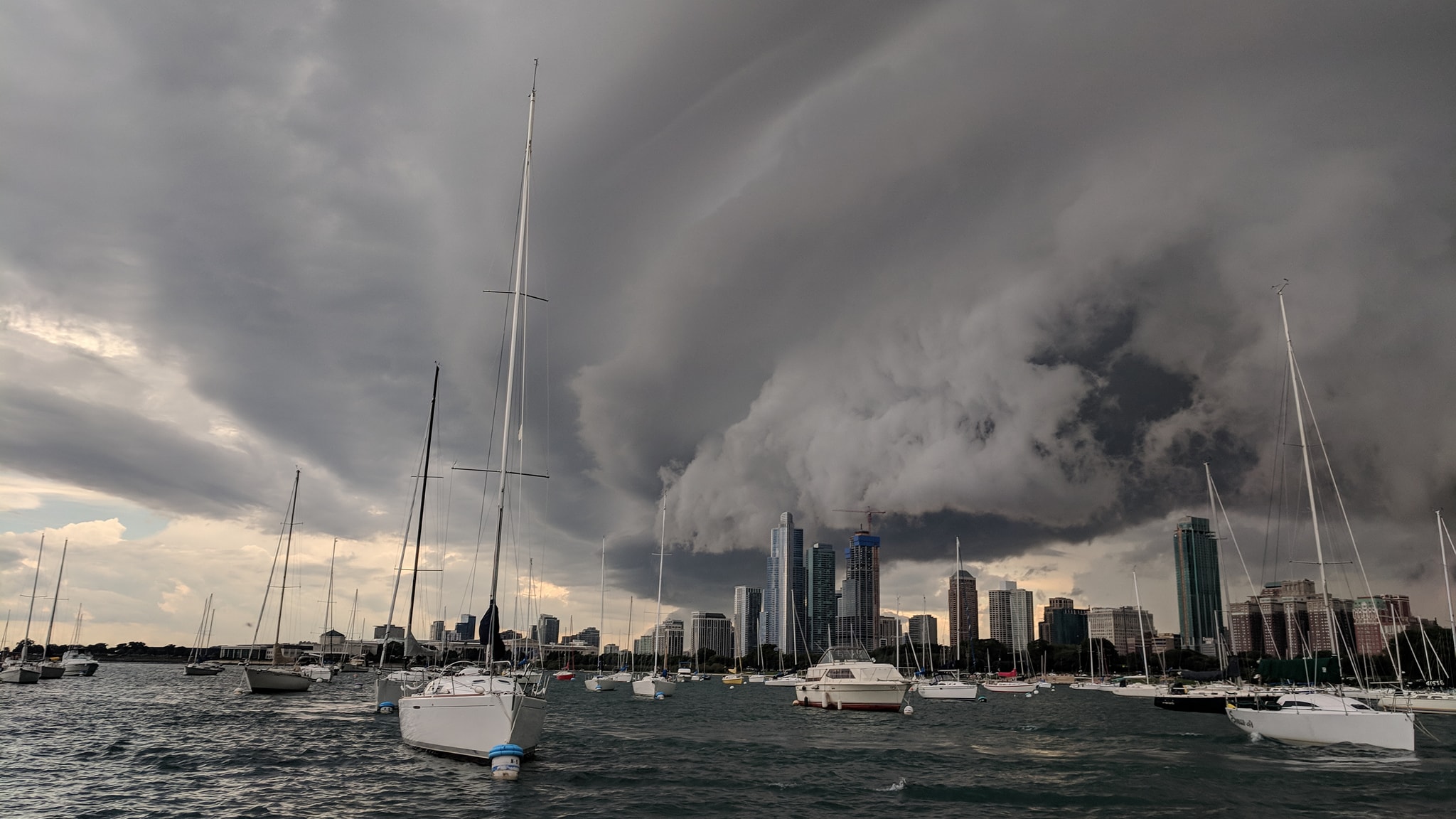
As of recent records, there have been multiple instances of tornadoes touching down in the greater Chicago metropolitan area. For instance, on July 28, 2023, a tornado was confirmed near Lemont, Illinois, which is part of the Chicago metropolitan area. This tornado, rated an F0, caused minor damage. Prior to that, on June 19, 2023, another F0 tornado was reported near Homewood, Illinois, also within the metropolitan region.
The Importance of Continuous Monitoring
While these recent events were relatively weak, they underscore the persistent risk of tornadoes in the Chicago area. The NWS Chicago office continuously monitors atmospheric conditions and issues warnings when severe weather, including potential tornadoes, is detected. Residents are strongly encouraged to stay informed about weather alerts, particularly during the spring and summer months, and to have a plan for seeking shelter if a tornado warning is issued. Understanding the history of tornadoes in Chicago not only educates us about past events but also reinforces the necessity of ongoing preparedness and vigilance against the powerful forces of nature.
LifeOutOfTheBox is a participant in the Amazon Services LLC Associates Program, an affiliate advertising program designed to provide a means for sites to earn advertising fees by advertising and linking to Amazon.com. Amazon, the Amazon logo, AmazonSupply, and the AmazonSupply logo are trademarks of Amazon.com, Inc. or its affiliates. As an Amazon Associate we earn affiliate commissions from qualifying purchases.