
The Chicago Manual of Style (CMOS) provides comprehensive guidelines for academic and professional writing, including the nuanced task of citing various source materials. When dealing with program handouts, understanding the correct citation format is crucial for academic integrity and to give proper credit to the originators of the information. Program handouts, often distributed at conferences, workshops, or educational events, can contain valuable insights, data, and perspectives that contribute to research or understanding. This guide will delve into the specific methods for citing such materials according to CMOS, ensuring accuracy and adherence to scholarly standards.

Understanding Program Handouts as Sources
Before diving into the citation mechanics, it’s essential to recognize what constitutes a program handout in the context of academic sourcing. Typically, these are documents provided to participants of a specific event, such as a conference session, a workshop, or a seminar. They might include an agenda, speaker biographies, abstracts of presentations, supplementary readings, or even the full text of a lecture or presentation. The key characteristic is their distribution within a defined event for a particular audience.
Types of Program Handouts
Program handouts can vary significantly in format and content. Some are simple, single-page flyers, while others might be multi-page booklets or even digital documents distributed electronically. The complexity and nature of the handout will influence how it is described in a citation.
- Printed Handouts: These are the most traditional form, handed out physically at an event. They often have a distinct cover page or header identifying the program, date, and location.
- Digital Handouts: Increasingly common, these are often provided via a USB drive, a dedicated event website, or a downloadable link. They may be in PDF or other document formats.
- Abstract Booklets: A specific type of handout containing abstracts of all presentations at a conference.
- Workshop Materials: Documents provided for a hands-on learning session, which could include instructions, exercises, or case studies.
Establishing Source Information
To cite a program handout correctly in CMOS, you need to gather specific pieces of information. The more details you can ascertain, the more complete and accurate your citation will be.
- Author(s): Identify the individual(s) or organization(s) responsible for creating the handout. This might be the speaker, presenter, organizing committee, or institution.
- Title: The exact title of the handout as it appears on the document.
- Event Information: The name of the conference, workshop, symposium, or seminar where the handout was distributed.
- Date of Event: The specific date or range of dates during which the event took place.
- Location of Event: The city and state/country where the event was held.
- Publisher/Sponsor (if applicable): The organization or institution that sponsored or published the event and, by extension, the handout.
- Page Numbers (if applicable): If you are referencing a specific section or page within the handout, note the relevant page numbers.
- Access Information (for digital handouts): If the handout was accessed online, include the URL and the date you accessed it.
Citing Program Handouts in Notes and Bibliography
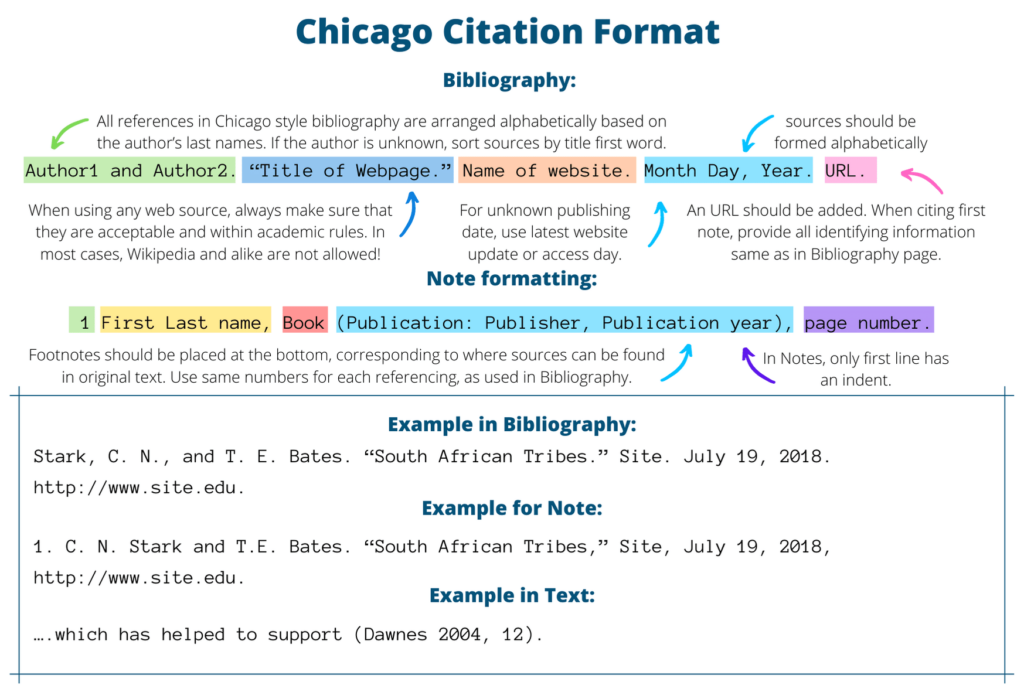
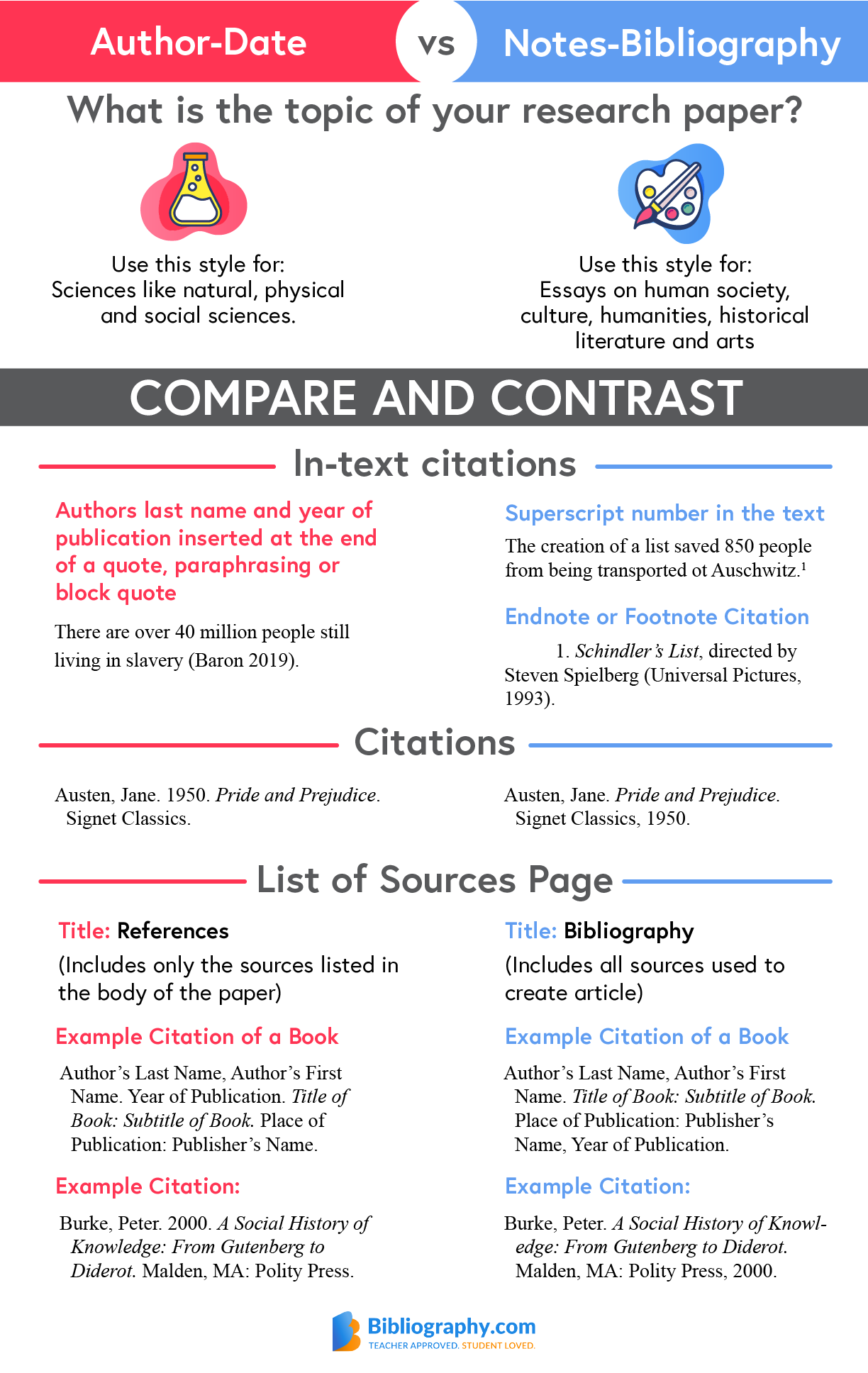
CMOS primarily uses a Notes-Bibliography system, which involves endnotes or footnotes in the text and a bibliography at the end of the work. Program handouts are treated as unpublished materials or, if published as part of a conference proceeding, a published work. The most common approach is to treat them as unpublished documents unless they are formally published.
Citing in a Footnote or Endnote
When you first refer to a program handout in your text, you will provide a full citation in a footnote or endnote. Subsequent references can be shortened.
Basic Format for a Footnote/Endnote:
- Author(s) First Name Last Name, “Title of Handout” (Program Handout, Name of Event, City, State/Country, Date of Event).
Example:
Let’s assume you are citing a handout from a workshop on historical preservation at the National Preservation Conference in Philadelphia, Pennsylvania, held on October 15, 2023. The handout is titled “Best Practices in Architectural Restoration.” The author is Dr. Eleanor Vance.
Footnote/Endnote:
- Eleanor Vance, “Best Practices in Architectural Restoration” (Program Handout, National Preservation Conference, Philadelphia, PA, October 15, 2023).
If the handout has an identifiable publisher or sponsoring institution:
- Author(s) First Name Last Name, “Title of Handout,” sponsored by [Sponsoring Organization], (Program Handout, Name of Event, City, State/Country, Date of Event).
Example with Sponsoring Organization (e.g., Preservation Alliance):
- Eleanor Vance, “Best Practices in Architectural Restoration,” sponsored by the Preservation Alliance, (Program Handout, National Preservation Conference, Philadelphia, PA, October 15, 2023).
For digital handouts accessed online:
- Author(s) First Name Last Name, “Title of Handout” (Program Handout, Name of Event, City, State/Country, Date of Event), accessed Month Day, Year, [URL].
Example:
- Eleanor Vance, “Best Practices in Architectural Restoration” (Program Handout, National Preservation Conference, Philadelphia, PA, October 15, 2023), accessed October 26, 2023, http://www.preservationconference.org/handouts/restoration.pdf.
Subsequent References:
After the first full citation, subsequent references in notes can be shortened.
- Author Last Name, “Shortened Title,” Event Details.
- Vance, “Best Practices,” National Preservation Conference.
Citing in the Bibliography
The bibliography entry should provide a complete and unambiguous description of the source. It typically follows a similar structure to the footnote, but with the author’s last name appearing first.
Basic Format for Bibliography:
Author Last Name, First Name. “Title of Handout.” Program Handout, Name of Event, City, State/Country, Date of Event.
Example:
Vance, Eleanor. “Best Practices in Architectural Restoration.” Program Handout, National Preservation Conference, Philadelphia, PA, October 15, 2023.
With Sponsoring Organization:
Vance, Eleanor. “Best Practices in Architectural Restoration.” Sponsored by the Preservation Alliance. Program Handout, National Preservation Conference, Philadelphia, PA, October 15, 2023.
For digital handouts accessed online:
Author Last Name, First Name. “Title of Handout.” Program Handout, Name of Event, City, State/Country, Date of Event. Accessed Month Day, Year. [URL].
Example:
Vance, Eleanor. “Best Practices in Architectural Restoration.” Program Handout, National Preservation Conference, Philadelphia, PA, October 15, 2023. Accessed October 26, 2023. http://www.preservationconference.org/handouts/restoration.pdf.
Variations and Special Cases
CMOS acknowledges that real-world source materials don’t always fit neatly into prescribed templates. Certain situations may require slight adjustments to the standard format.
Handouts by Organizations or Committees
If a handout is created by an organization rather than an individual, the organization’s name serves as the author.
Footnote/Endnote:
- [Organization Name], “Title of Handout” (Program Handout, Name of Event, City, State/Country, Date of Event).
Bibliography:
[Organization Name]. “Title of Handout.” Program Handout, Name of Event, City, State/Country, Date of Event.Example:
Footnote/Endnote:
- The Society for Historical Archaeology, “Guidelines for Archaeological Fieldwork” (Program Handout, Annual Meeting of the Society for Historical Archaeology, San Diego, CA, January 10, 2024).
Bibliography:
The Society for Historical Archaeology. “Guidelines for Archaeological Fieldwork.” Program Handout, Annual Meeting of the Society for Historical Archaeology, San Diego, CA, January 10, 2024.
Handouts Without a Clear Title
If a handout lacks a formal title, you can create a descriptive title in square brackets.
Footnote/Endnote:
- Author Last Name, “[Descriptive Title of Handout]” (Program Handout, Name of Event, City, State/Country, Date of Event).
Bibliography:
Author Last Name, First Name. “[Descriptive Title of Handout].” Program Handout, Name of Event, City, State/Country, Date of Event.
Example:
Let’s say a handout from a genealogy workshop in Salt Lake City, Utah, on July 20, 2023, by Thomas Greene, is just a single sheet of paper with no title, containing tips for using the FamilySearch website.
Footnote/Endnote:
- Thomas Greene, “[Tips for Using FamilySearch]” (Program Handout, Genealogy Workshop, Salt Lake City, UT, July 20, 2023).
Bibliography:
Greene, Thomas. “[Tips for Using FamilySearch].” Program Handout, Genealogy Workshop, Salt Lake City, UT, July 20, 2023.
Handouts Published in Proceedings
If a program handout is later formally published as part of conference proceedings, it should be cited as a published work within the proceedings. The process for citing conference proceedings themselves has its own specific CMOS guidelines, and the handout would be treated as a chapter or paper within that published volume.
General Approach (Consult CMOS for specifics):
You would typically cite the published proceedings, noting the author of the specific paper or handout and its location within the proceedings (page numbers, etc.).
Example Scenario: A research paper presented at the International Conference on Urban Planning was initially distributed as a handout, but later published in the conference proceedings.
Bibliography Entry (for the published paper):
Author Last Name, First Name. “Title of Paper.” In Title of Proceedings, edited by Editor Name(s), Page Range. Publication City: Publisher, Year.
This distinction is important: a handout circulated at an event is generally considered unpublished, while a paper published in its proceedings is treated as a published source.
Maintaining Consistency and Accuracy
When citing program handouts, the overarching principle is to provide enough information for your reader to locate and verify the source. Even if a handout seems ephemeral, treating it with the same diligence as a published book or journal article upholds scholarly rigor.
When to Cite Program Handouts
You should cite program handouts whenever their content directly informs or supports your arguments, provides essential background information, or is the subject of your analysis. This includes:
- Quoting directly from the handout.
- Paraphrasing or summarizing information presented in the handout.
- Referring to specific data, theories, or arguments unique to the handout.
- When the handout itself is the object of your study (e.g., analyzing its rhetorical strategies or historical significance).
The Importance of Original Source
Always strive to cite the original program handout you consulted. If you are relying on a copy provided by a colleague or a digitized version found online, ensure that it accurately reflects the original document distributed at the event. If there are discrepancies, it’s best to note them or, if possible, seek out the definitive version.
By carefully following these guidelines, you can confidently and accurately cite program handouts within your Chicago-style academic work, ensuring proper attribution and enhancing the credibility of your research. The Chicago Manual of Style aims for clarity and thoroughness, and applying its principles to less common source types like program handouts demonstrates a commitment to detailed scholarship.
LifeOutOfTheBox is a participant in the Amazon Services LLC Associates Program, an affiliate advertising program designed to provide a means for sites to earn advertising fees by advertising and linking to Amazon.com. Amazon, the Amazon logo, AmazonSupply, and the AmazonSupply logo are trademarks of Amazon.com, Inc. or its affiliates. As an Amazon Associate we earn affiliate commissions from qualifying purchases.