
The Chicago Marathon, a globally recognized event, draws thousands of runners and spectators to the vibrant city of Chicago each year. While the allure of conquering 26.2 miles on its iconic streets is undeniable, understanding the logistical nuances, particularly the start times, is crucial for both participants and those looking to experience the race day atmosphere. This guide delves into the intricacies of the Chicago Marathon schedule, offering insights beyond just the clock.
Understanding the Marathon Schedule
The Chicago Marathon is more than just a single race; it’s a multi-faceted event with staggered start times for various participant groups. This organizational strategy ensures a smoother flow of runners and a more manageable experience for race officials and the city.
Elite Athlete Wave
The pinnacle of the event, the elite athlete wave, kicks off the day’s proceedings. These are the world-class runners, vying for records and prestigious titles. Their early start is designed to allow them to compete under optimal conditions, often before the heat of the day sets in, and to ensure their finish times are properly recorded and celebrated without being overshadowed by the larger field.
- Start Time: Typically, the elite men’s and women’s races commence in the early morning hours. The exact time can vary slightly year to year, but it is consistently before the main waves begin.
- Significance: Watching the elites is a spectacle in itself, showcasing incredible speed and endurance. Many of the world’s fastest marathon times have been set on the Chicago Marathon course.
Wheelchair and Handcycle Athletes
Parallel to the elite running field, the Chicago Marathon proudly includes dedicated waves for wheelchair and handcycle athletes. This inclusive approach underscores the event’s commitment to accessibility and showcasing the diverse capabilities of athletes. Their races also begin early, ensuring fair competition and a distinct experience for these incredible competitors.
- Start Time: These divisions usually start shortly before or concurrently with the elite runners, allowing them to complete the course on their own terms and receive due recognition.
- Impact: Their participation adds another layer of inspiration to the event, highlighting different forms of athleticism.
Open Waves: The Bulk of the Field
The vast majority of participants fall into the open waves. These are organized by anticipated finishing time, often referred to as “corrals.” Runners are assigned to a corral based on their qualifying times or their estimated pace. This system is vital for preventing congestion in the early miles of the race, allowing runners of similar paces to compete more effectively and safely.
Wave 1 and Subsequent Waves
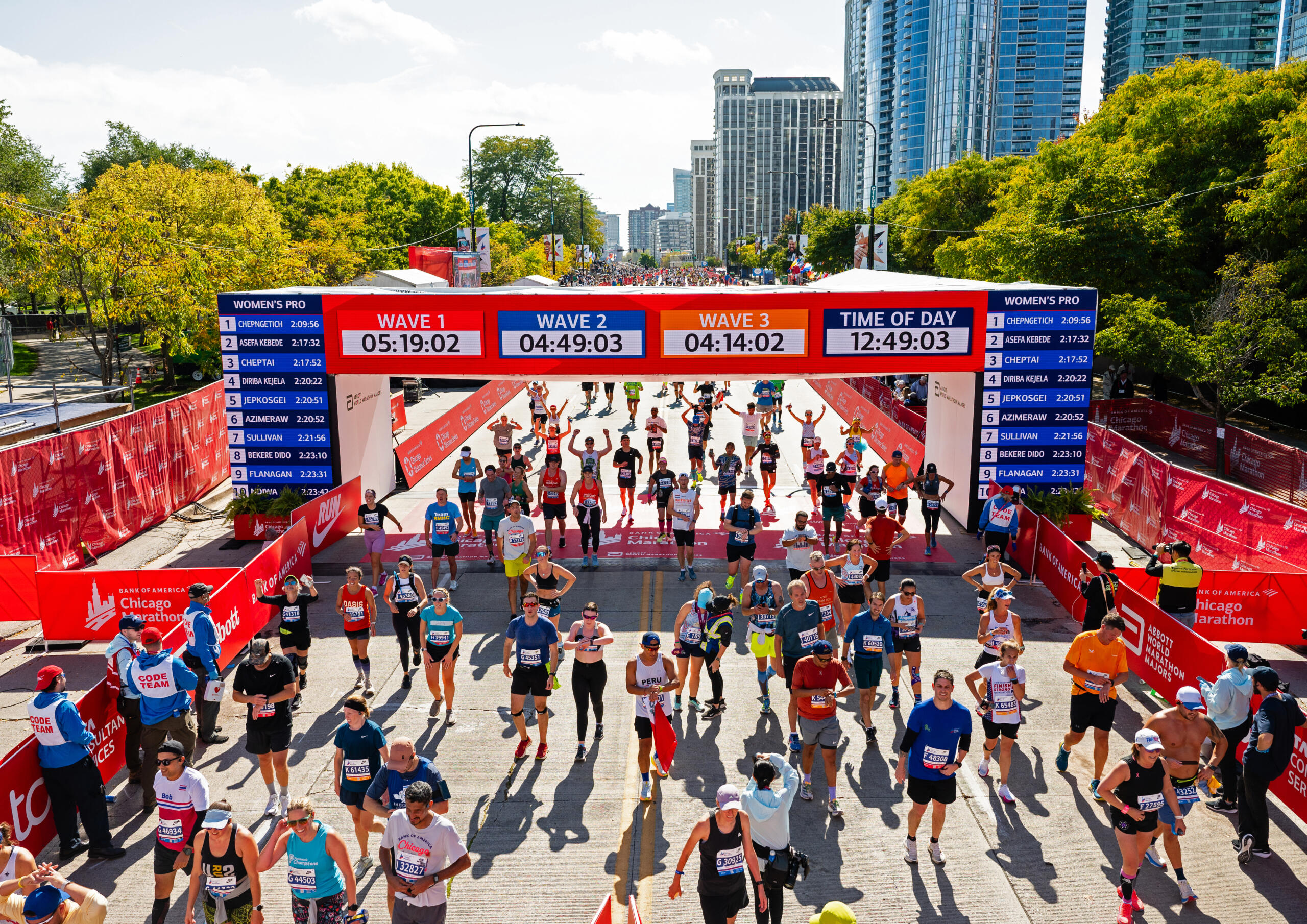
The open waves are further divided into multiple waves, typically starting sequentially every 10-20 minutes. Wave 1 is for the fastest runners in the open field, followed by Wave 2, and so on. This methodical rollout is essential for managing the sheer volume of participants.
- Start Time: The first open wave usually begins about an hour or so after the elite and adaptive athletes. Subsequent waves follow at regular intervals.
- Participant Experience: Being placed in the correct corral is crucial for a positive race experience. Runners are advised to arrive at their designated start area well in advance of their wave’s scheduled departure.
Race Day Logistics and Timeline
Beyond the specific start times, understanding the overall race day timeline is key to navigating the event, whether you’re running or spectating.
Pre-Race Preparations
The morning of the Chicago Marathon is a hive of activity. Runners need time to get to their assigned start area, drop off gear at the bag check, use the porta-potties, and warm up. Race organizers provide ample information regarding recommended arrival times to ensure participants are not rushed.
- Bag Check: Typically opens several hours before the first race starts, allowing participants to drop off personal belongings.
- Medical Tents and Aid Stations: Strategically located along the course and near the start/finish areas, these are vital resources throughout the day.
Course Closure and Spectator Access

The Chicago Marathon necessitates significant street closures throughout the city, particularly in the downtown area and along the lakefront. Understanding these closures is paramount for anyone planning to travel within Chicago on race day.
- Road Closures: Begin very early in the morning, often before dawn, and extend into the afternoon as the last runners cross the finish line. Detailed maps and timelines of road closures are usually published by the organizers well in advance.
- Spectator Viewing: Prime viewing spots along streets like Michigan Avenue or near the finish line at Grant Park can become crowded early. Arriving early is recommended for securing a good vantage point. Public transportation, such as the Chicago Transit Authority (CTA) trains, is often the most practical way to navigate the city on race day due to traffic restrictions.
Post-Race Activities
The conclusion of the Chicago Marathon is a celebratory affair. Runners collect their medals, retrieve their gear, and often meet up with friends and family in designated reunion areas.
- Finish Line Festival: Located near the finish line, this area provides entertainment, refreshments, and a place for runners to celebrate their achievements.
- Medical Support: Continues to be available for runners post-race, addressing any immediate needs.
Factors Influencing Start Times
While the general structure of the Chicago Marathon schedule remains consistent, a few factors can influence the precise start times from year to year.
Event Date and Day of the Week
The Chicago Marathon is traditionally held on a Sunday in early October. This specific timing allows for a full weekend of activities and often provides pleasant autumn weather for running. However, the exact date within that Sunday timeframe can shift slightly.
Organizers’ Decisions and Safety Protocols
Race organizers, such as the Bank of America Chicago Marathon, constantly evaluate and refine their operational plans. This includes adjusting start times to enhance runner safety, improve logistical flow, and optimize the overall participant and spectator experience. These decisions are based on extensive planning, past event data, and consultation with city officials and emergency services.
International Race Standards
As a World Marathon Major, the Chicago Marathon adheres to international standards and best practices for major marathon events. This includes alignment with other World Marathon Majors regarding start procedures and timing to ensure comparability and consistency across these premier races.
Tips for Participants and Spectators
To make the most of your Chicago Marathon experience, whether you are running or cheering, a little preparation goes a long way.
For Runners:
- Know Your Wave: Confirm your assigned corral and its corresponding start time. Arrive at the start village with ample time to spare, accounting for potential queues at facilities and security checks.
- Check Official Communications: The official Chicago Marathon website and participant emails are the definitive sources for the most up-to-date schedule and logistical information. Do not rely on unofficial sources for critical timings.
- Plan Your Arrival: Consider how you will get to the start line and how you will leave afterward. The CTA is highly recommended for race day travel within Chicago.
For Spectators:
- Choose Your Viewing Spot Wisely: Decide which part of the course you want to experience. Early miles offer high energy, while later miles provide a different perspective as runners push through. Popular areas include the start/finish line vicinity, along Michigan Avenue, and in neighborhood sections of the course.
- Check Road Closures: Familiarize yourself with the extensive road closures and plan your travel accordingly. Public transportation is your best friend on race day.
- Bring Supplies: If you plan to stand for extended periods, bring a comfortable chair or blanket, water, snacks, and dress in layers, as Chicago weather in October can be unpredictable.
- Signage is Key: Consider creating a large, visible sign for your runner. This can help them spot you in a crowd and provide a morale boost.

The Chicago Marathon: A Timed Spectacle
The Chicago Marathon is a meticulously organized event, and understanding its start times is fundamental to appreciating its scale and complexity. From the thunderous start of the elite athletes to the steady stream of thousands in the open waves, the timing of the race is a crucial element that orchestrates a day of athletic achievement, community spirit, and urban celebration in the heart of Chicago. Whether you’re lacing up your running shoes or finding a spot along the route, knowing “what time is the Chicago Marathon?” unlocks a deeper engagement with this world-class event.
LifeOutOfTheBox is a participant in the Amazon Services LLC Associates Program, an affiliate advertising program designed to provide a means for sites to earn advertising fees by advertising and linking to Amazon.com. Amazon, the Amazon logo, AmazonSupply, and the AmazonSupply logo are trademarks of Amazon.com, Inc. or its affiliates. As an Amazon Associate we earn affiliate commissions from qualifying purchases.