
When the name “Rome” is mentioned, the immediate mental image for many conjures up the ancient cobblestone streets, iconic ruins, and vibrant culture of the capital of Italy. However, nestled within the heart of upstate New York lies another Rome, a city with its own unique history, charm, and appeal, distinct from its European namesake. This article delves into the geographical location, historical significance, and local attractions that define Rome, New York, offering a comprehensive guide for travelers and curious minds alike.
The Geography and Setting of Rome, New York
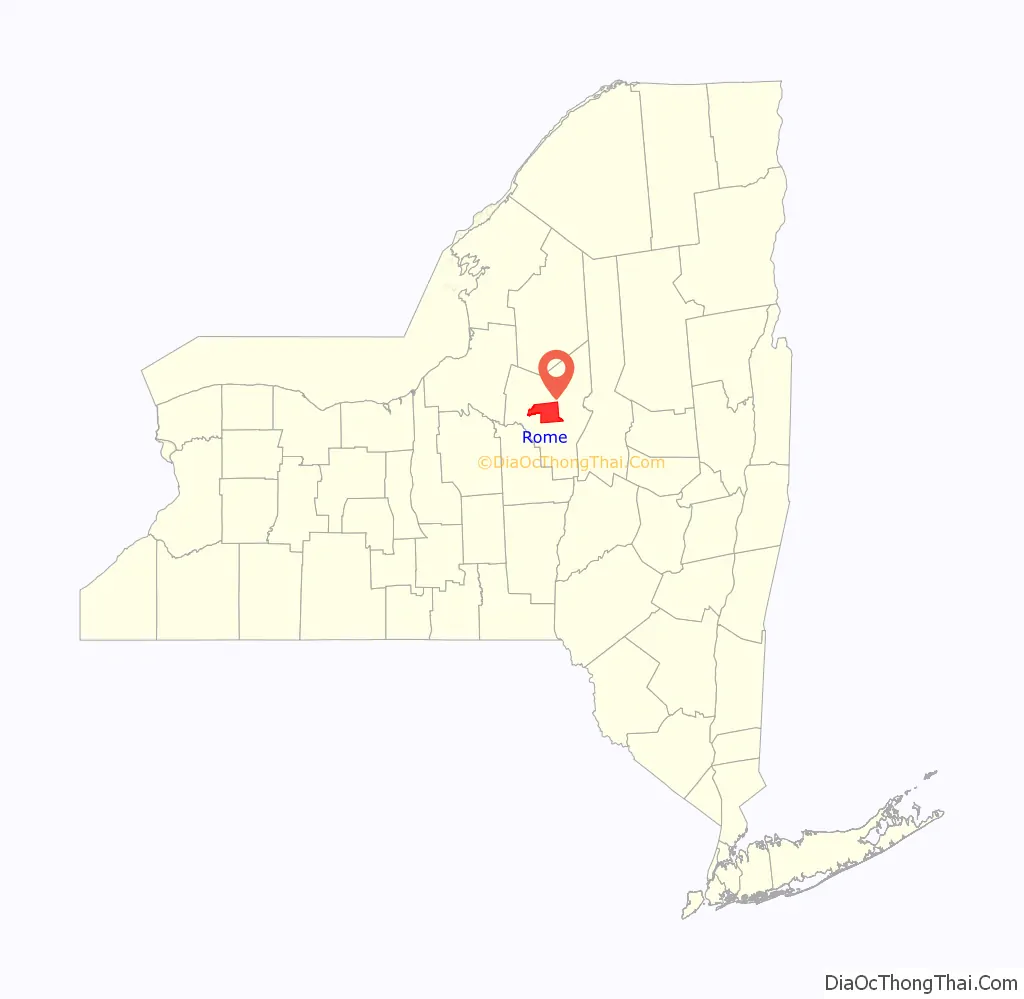
Rome, New York, is strategically situated in the central-western part of the Empire State, approximately 15 miles east of Syracuse and about 90 miles west of the state capital, Albany. It lies within Oneida County, a region known for its picturesque landscapes, rolling hills, and proximity to the majestic Finger Lakes.
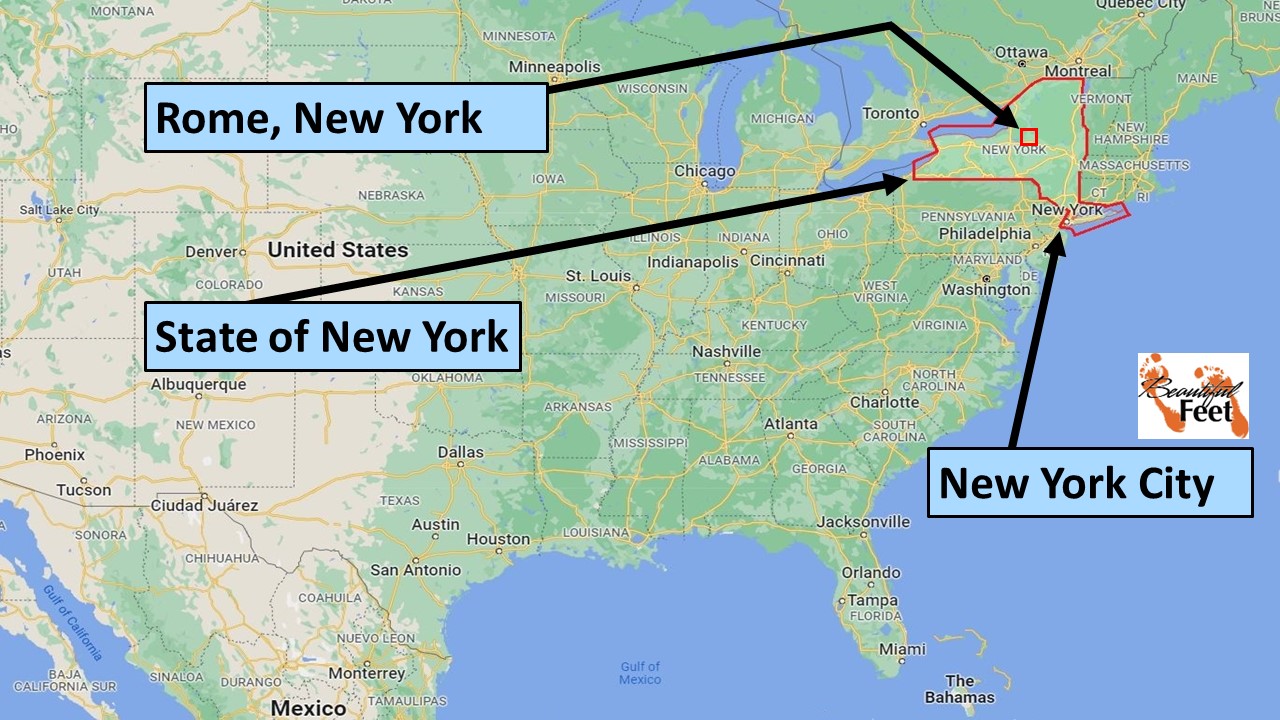
Location within the Mohawk Valley
Rome’s specific location places it within the fertile and historically significant Mohawk Valley. This valley, carved by glacial activity, has been a crucial corridor for transportation and settlement for centuries. The Mohawk River flows through the region, and its historical importance is mirrored in Rome’s development. The Erie Canal, a marvel of 19th-century engineering, runs through the city, further cementing its role as a vital transportation hub throughout its history. This waterway, still a functioning part of the New York State Canal System, offers scenic views and recreational opportunities, connecting Rome to the broader network of waterways stretching across the state. The topography surrounding Rome is characterized by a mix of agricultural land, woodlands, and several bodies of water, including nearby Oneida Lake, the largest lake in New York.
Climate and Seasonal Appeal
The climate in Rome, New York, is typical of upstate New York, featuring four distinct seasons. Summers are generally warm and pleasant, ideal for outdoor activities, while winters can be cold with significant snowfall, offering opportunities for winter sports. Spring and autumn bring moderate temperatures and beautiful foliage, making the city an attractive destination year-round. The presence of nearby lakes and rivers moderates the temperature somewhat, contributing to a comfortable environment for much of the year.
A Glimpse into Rome’s Rich History
The history of Rome, New York, is deeply intertwined with the development of the United States, particularly its early expansion and industrialization. From its indigenous roots to its role in military and industrial advancements, Rome boasts a compelling past that continues to shape its identity.
Indigenous Heritage and Early Settlement
Before European arrival, the area that is now Rome was inhabited by various indigenous peoples, most notably the Haudenosaunee Confederacy, also known as the Iroquois. The strategic location near waterways made it a vital area for hunting, fishing, and travel. Early European settlers recognized the potential of the region, drawn by its fertile land and its position along important trade routes. The settlement that would become Rome began to take shape in the late 18th century, with its name reportedly chosen in honor of the ancient city in Italy, reflecting aspirations of prominence and longevity.
The Role of Fort Stanwix
A pivotal element in Rome’s historical narrative is Fort Stanwix. Originally built by the British during the French and Indian War, the fort played a crucial role during the American Revolutionary War. It was the site of the significant Siege of Fort Stanwix in 1777, a key victory for the Continental Army that helped to turn the tide of the war and prevent a British invasion from the north. The successful defense of the fort, marked by the raising of the Stars and Stripes for the first time in battle, is a cornerstone of American history. Today, the Fort Stanwix National Monument stands as a testament to this pivotal period, meticulously reconstructed and offering visitors a vivid glimpse into colonial military life.
Industrial Growth and Innovation
Following the Revolutionary War, Rome experienced substantial growth driven by its strategic location and the development of industry. The construction of the Erie Canal in the early 19th century transformed Rome into a vital transportation and manufacturing hub. Industries flourished, including those related to metalworking, wire manufacturing, and brass production. The city became known for its innovation in these sectors, attracting a diverse population and contributing significantly to the industrial might of upstate New York. This industrial legacy continues to influence the city’s character and economic landscape.
Exploring Rome, New York: Attractions and Experiences
While its historical significance is undeniable, Rome offers a range of attractions and experiences that appeal to modern visitors. From historical sites and cultural institutions to natural beauty and local events, there’s something to engage every interest.
Historical Landmarks and Educational Sites
The centerpiece of historical tourism in Rome is undoubtedly the Fort Stanwix National Monument. Visitors can explore the reconstructed fort, interact with living history interpreters, and learn about the pivotal events that unfolded there. The Rome Historical Society Museum provides a deeper dive into the city’s past, showcasing artifacts and exhibits that tell the story of its development from a frontier outpost to an industrial center. The Erie Canal Village offers another immersive experience, recreating a mid-19th-century canal town with historic buildings, demonstrations, and a functioning mule-powered canal boat. These sites collectively offer a comprehensive understanding of Rome’s integral role in American history.
Natural Beauty and Outdoor Recreation
Beyond its historical sites, Rome and its surrounding areas provide ample opportunities for outdoor enjoyment. The Wood Creek Trail offers scenic walking and biking paths along the historic Erie Canal. Nearby Delta Lake State Park is a popular destination for boating, fishing, swimming, and camping, providing a refreshing escape into nature. The proximity to the Black River Trail also offers extended opportunities for cycling and hiking through picturesque upstate landscapes. For those interested in astronomy, the Rome Observatory offers educational programs and stargazing opportunities, utilizing its location away from major light pollution.
Local Culture and Community Events
Rome maintains a strong sense of community, reflected in its local events and cultural offerings. The city hosts a variety of festivals throughout the year, including events that celebrate its historical heritage, such as the annual Fort Stanwix Day. Throughout the summer, the Rome Music Festival brings live music to the downtown area, fostering a vibrant atmosphere. The local culinary scene, while not as internationally renowned as its Italian namesake, offers hearty comfort food and regional specialties, often found in family-owned diners and restaurants. Exploring the downtown area reveals a charming collection of shops, cafes, and art galleries, providing a taste of local life and craftsmanship. The city’s public parks, such as Fort Stanwix Park, often serve as venues for community gatherings and seasonal celebrations.
Planning Your Visit to Rome, New York
For those drawn to its unique blend of history, natural beauty, and small-town charm, planning a visit to Rome is a straightforward endeavor. Its accessible location makes it a convenient stop for travelers exploring upstate New York.
Getting There and Around
Rome is easily accessible by car, situated just off the New York State Thruway (I-90). For those traveling by air, the nearest major airports are Syracuse Hancock International Airport (SYR) and Albany International Airport (ALB), both offering a range of domestic flights. Public transportation within Rome is limited, so renting a car is recommended for exploring the city and its surrounding attractions at your own pace. The compact nature of the downtown area makes it walkable, but a vehicle is essential for reaching sites like Delta Lake State Park.
Accommodation and Dining Options
Visitors to Rome will find a selection of accommodation options, ranging from well-known hotel chains to more intimate local inns. Options include the Holiday Inn Express Rome and the Hampton Inn Rome, offering comfortable stays for both business and leisure travelers. For dining, Rome offers a variety of choices, from casual eateries serving American comfort food to more specialized Italian-American restaurants reflecting the city’s heritage. Exploring local diners and pubs provides an authentic taste of the region’s culinary traditions.
Experiencing Rome’s Unique Identity
The question “Where is Rome?” ultimately leads to an understanding of a place that is far more than just a geographical marker. It is a city where American history is etched into the landscape, where industrial ingenuity shaped its past, and where a welcoming community continues to build its future. While it may not possess the ancient grandeur of its European counterpart, Rome offers a distinct and compelling travel experience, rich in heritage and ripe for exploration. It stands as a proud testament to the layered history and diverse appeal of upstate New York.
LifeOutOfTheBox is a participant in the Amazon Services LLC Associates Program, an affiliate advertising program designed to provide a means for sites to earn advertising fees by advertising and linking to Amazon.com. Amazon, the Amazon logo, AmazonSupply, and the AmazonSupply logo are trademarks of Amazon.com, Inc. or its affiliates. As an Amazon Associate we earn affiliate commissions from qualifying purchases.