
The Luxor Hotel stands as one of the most recognizable silhouettes against the Las Vegas skyline. With its dark glass pyramid design and the powerful beam of light piercing the night sky from its apex, it has been a centerpiece of the Las Vegas Strip for decades. Understanding its origins provides a fascinating glimpse into the evolution of themed resort architecture in Nevada.
The Construction Timeline and Grand Opening
The Luxor Hotel and Casino was conceived during a period of massive expansion on the Las Vegas Boulevard. Construction officially began in 1992, an era defined by the rise of “mega-resorts” that transformed the city from a gambling hub into a global family-friendly vacation destination.
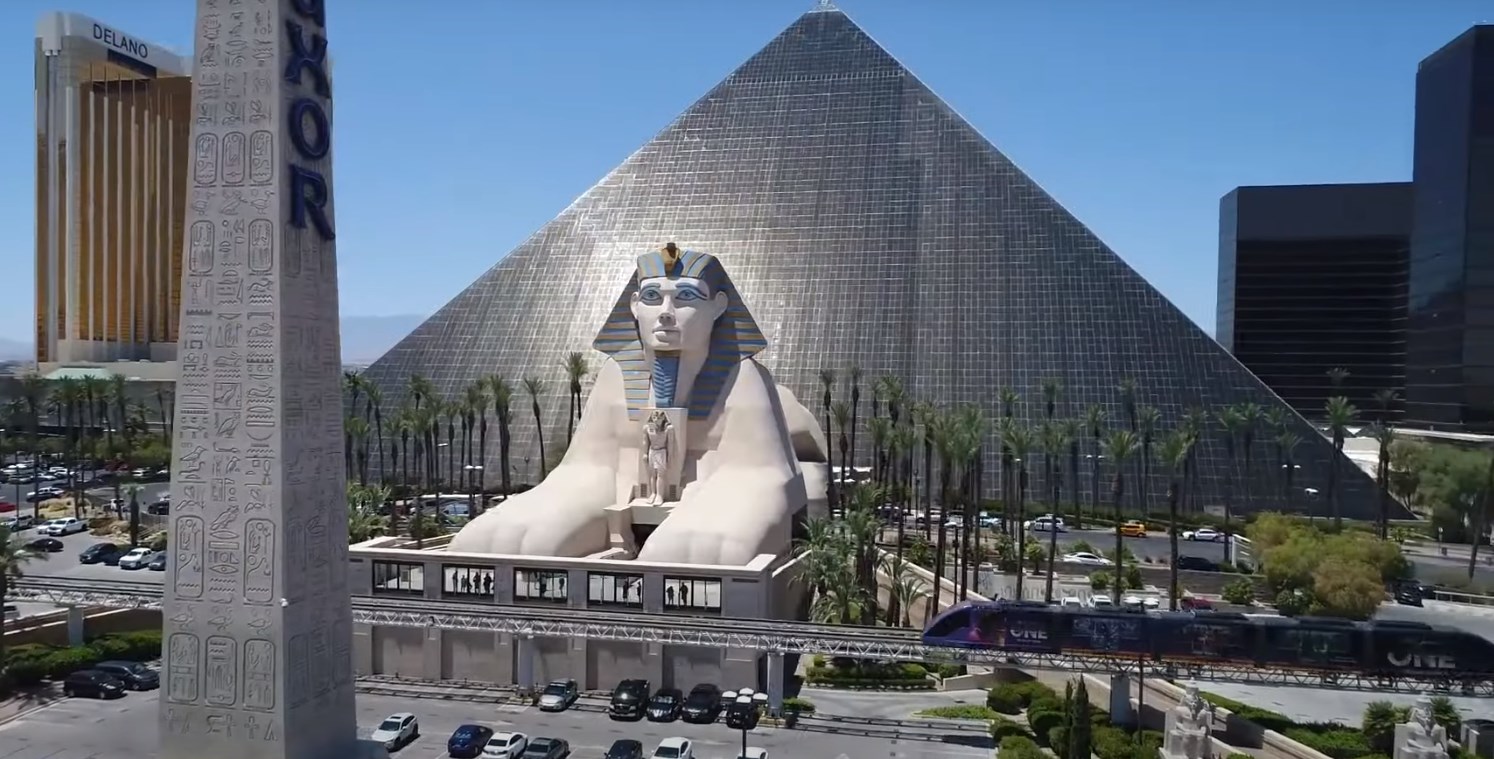
Owned and operated by Circus Circus Enterprises, the project was ambitious in both scale and engineering. It took approximately 18 months to complete the pyramid structure, a feat that required innovative construction techniques to create the hollow core and the massive atrium—which, at the time, was the largest in the world. The resort officially opened its doors to the public on October 15, 1993.
A New Era of Themed Resorts
When it opened, the Luxor was a testament to the “theming” craze that swept through Las Vegas. Designers wanted to transport visitors to Ancient Egypt, complete with a replica of the Great Sphinx of Giza standing guard at the entrance. This immersion was designed to compete with other iconic properties of the time, such as the Excalibur Hotel and Casino, which leaned into medieval motifs, and the MGM Grand, which was also opening its doors around the same time.
Architectural Innovation and The Sky Beam
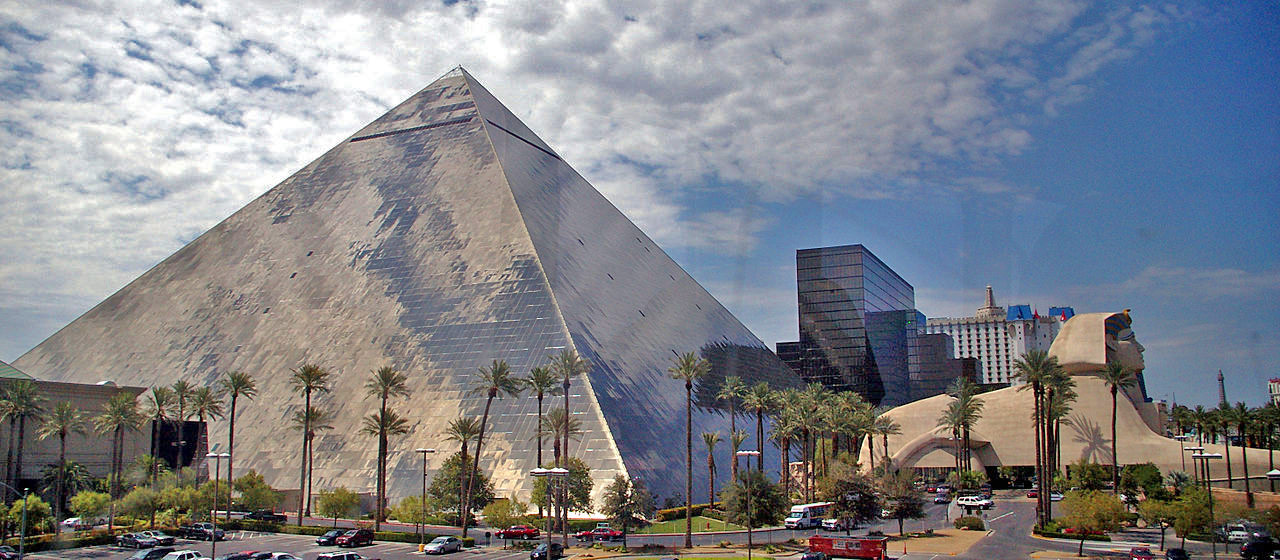
The architecture of the Luxor remains one of the most studied projects in modern history. The structural design—a 30-story pyramid—presented unique challenges regarding the distribution of weight and the installation of the hotel’s famous “Sky Beam.”
The Engineering of the Pyramid
The exterior is comprised of over 30 acres of black glass. Because the structure is a pyramid, the exterior walls lean inward at a 51-degree angle. This necessitated the use of “inclinators,” or elevators that travel along the slope of the building rather than moving vertically. This unique feature became an instant attraction for guests, solidifying the hotel’s reputation as an architectural marvel.
The Beacon of the Desert
The Luxor Sky Beam is powered by 39 xenon lamps, each producing 7,000 watts. When the hotel launched in 1993, this light was visible from as far away as Los Angeles, California. Over the years, the intensity has been adjusted for energy efficiency and to reduce light pollution, but it remains one of the most powerful concentrated light sources on the planet. Its presence in the Mojave Desert sky serves as a beacon, guiding travelers toward the South Strip.
Evolution and Renovations
Since its debut in the early 90s, the Luxor has undergone several significant transformations to keep pace with changing tastes in United States tourism. While the exterior remains largely unchanged, the interior has shifted away from the heavy, kitschy “Ancient Egypt” aesthetic toward a more modern, contemporary luxury experience.
Phase One: The Original Aesthetic
In the 1990s, guests were greeted by a massive replica of the Nile River complete with riverboat rides and intense, theatrical decor. The goal was to provide an immersive fantasy environment.
The Modernization Process
Beginning in the mid-2000s, management moved to modernize the guest rooms and casino floor. The goal was to maintain the iconic nature of the pyramid while elevating the quality of the amenities, dining, and nightlife. Today, Luxor connects seamlessly to the Mandalay Bay and Delano Las Vegas through an indoor climate-controlled walkway, creating a massive complex known as the Mandalay Bay Campus.
The Legacy of the Luxor in Las Vegas Culture
The Luxor serves as a bridge between the past and present of Las Vegas. It was one of the last major projects to be built during the early phase of the city’s transition from a gambling destination to an entertainment capital.
Influence on Tourism
The construction of the Luxor helped define the “Resort Corridor.” Its presence encouraged development further south on the Las Vegas Strip, eventually leading to the creation of other major landmarks like the Shark Reef Aquarium and the T-Mobile Arena.

Impact on Architecture
For those interested in historical architecture, the Luxor stands alongside the Hoover Dam and the Red Rock Canyon as a must-see site in the Southwest. It reminds visitors that Las Vegas is not just a place for entertainment, but a place where engineering limits are pushed to create experiences that capture the imagination.
As the Luxor enters its fourth decade, it remains an essential pillar of Nevada tourism. It represents the audacity of 1990s architecture and serves as a constant reminder of how a single project can change the face of a city forever. Whether viewed from a helicopter tour over Paradise or from the street level while walking through the Las Vegas Boulevard, the hotel remains an enduring icon that connects the history of Egypt to the modern energy of North America.
Visitors today often ask if the hotel still holds the same allure as it did during its 1993 inception. With the addition of world-class shows like Blue Man Group and an array of fine dining options, the answer is a resounding yes. It continues to attract millions of tourists annually who wish to see, stay, and experience one of the most ambitious construction projects in the history of the Las Vegas Strip. By blending the old world with the neon-soaked reality of the modern era, the Luxor remains, quite literally, a shining monument to the city’s endless ability to reinvent itself.
LifeOutOfTheBox is a participant in the Amazon Services LLC Associates Program, an affiliate advertising program designed to provide a means for sites to earn advertising fees by advertising and linking to Amazon.com. Amazon, the Amazon logo, AmazonSupply, and the AmazonSupply logo are trademarks of Amazon.com, Inc. or its affiliates. As an Amazon Associate we earn affiliate commissions from qualifying purchases.