
The story of the Wynn Las Vegas is not merely a tale of a construction project; it is a narrative that defines the modern era of Las Vegas luxury. To answer the question of when it was built, one must look back to the early 2000s, a period of dramatic transformation for the Las Vegas Strip. The resort officially opened its doors to the public on April 28, 2005, marking a significant milestone in the career of hotel magnate Steve Wynn.
The Genesis of a Visionary Resort
Before the Wynn rose from the dust, the site was occupied by the iconic Desert Inn, a resort with a rich history dating back to 1950. When Steve Wynn acquired the property in 2000, he saw an opportunity to create something that would redefine the luxury hotel experience in the United States.
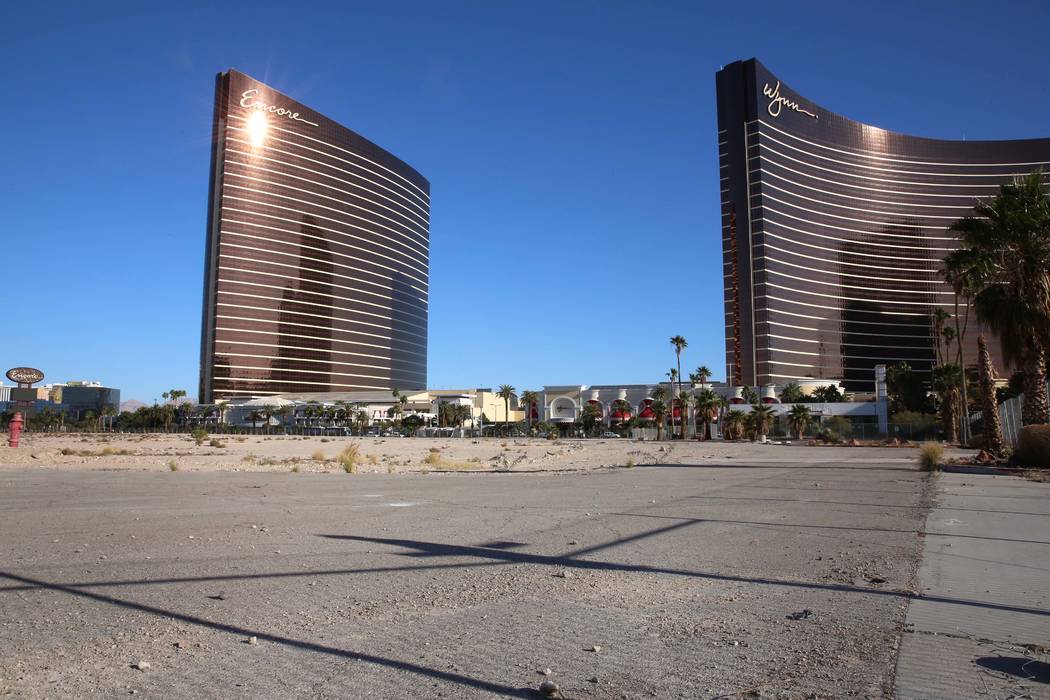
Acquisition and Demolition
The transition from the old-school charm of the Desert Inn to the high-concept ambition of the Wynn began in earnest in 2001. The demolition of the original St. Andrews Tower and the closure of the existing resort were necessary steps to clear the massive 217-acre parcel of land. This site was strategically positioned at the corner of Las Vegas Boulevard and Sands Avenue, providing prime visibility and accessibility for visitors arriving from McCarran International Airport.
The Construction Phase
Construction officially broke ground in October 2002. For the next two and a half years, the site became one of the most active construction zones in Nevada. Architects and engineers were tasked with building a structure that was not only aesthetically pleasing but also technologically advanced. The tower, distinguished by its signature bronze, curved glass design, began to dominate the skyline, signaling a shift toward a more sophisticated and polished aesthetic compared to the themed resorts that had dominated the 1990s.
Architectural Significance and Design Philosophy
The design of the Wynn was a departure from the “pirate ship” or “ancient Egypt” themes that were popular elsewhere on the Strip. Instead, the focus was on elegance, natural light, and the integration of lush landscapes—a concept that felt almost contradictory in the middle of the Mojave Desert.
The Mountain and the Lake
One of the most ambitious engineering feats during construction was the creation of a massive, man-made mountain—often referred to as the Lake of Dreams—located at the front of the property. This was not just a landscaping choice; it served a functional purpose, masking the noise of the traffic on the busy Strip and creating a serene, immersive environment for guests entering the main lobby. The mountain required immense planning, earth moving, and water management, setting a new standard for landscape architecture in hospitality.

Interior Design and Aesthetic Impact
Inside the hotel, the focus shifted to a refined, upscale atmosphere. The use of floral motifs, vibrant colors, and curated art pieces throughout the corridors and suites was deliberate. The hotel was designed to feel like a sanctuary, a stark contrast to the chaotic neon environment outside. By emphasizing space, high-end materials, and refined dining experiences, the resort established itself as a beacon for affluent travelers.
Expansion and Legacy: Beyond the Opening
While 2005 marked the debut of the main tower, the evolution of the property did not end there. The success of the resort necessitated further development, leading to the creation of additional luxury components that would cement its status as an elite destination.
The Encore Addition
Just a few years after the initial construction, the need for more capacity and a distinct “party” vibe led to the development of Encore at Wynn Las Vegas. Construction on this secondary tower began in 2006, and it officially welcomed its first guests in December 2008. The two properties are connected via a high-end shopping esplanade, creating a seamless, sprawling complex that offers everything from world-class gaming to high-fashion retail.
Impact on Global Tourism
The construction of the Wynn and its subsequent expansion played a pivotal role in shifting the perception of North America as a luxury hub. By integrating fine dining, such as the renowned SW Steakhouse, and premium nightlife experiences, the resort helped transition the city into a global destination for foodies, fashionistas, and corporate jet-setters alike. It challenged neighboring resorts like The Venetian and Caesars Palace to elevate their own offerings, resulting in an “arms race” of quality and service that benefits the modern tourist today.
Navigating the Resort Today
When guests walk through the main entrance of the resort today, they are experiencing the result of years of meticulous planning and decades of refinement. The legacy of the 2005 build remains the foundation upon which every modern improvement is based.
Why the Construction Timeline Matters
Understanding that the hotel was built in the early 2000s provides essential context for visitors. It explains the integration of the internal circulation paths, the spacious nature of the rooms compared to older Classic Las Vegas properties, and the intentional placement of the resort’s various amenities. The developers were forward-thinking, anticipating that guests would want to spend more time inside the resort than wandering between competing hotels.

Modern Amenities and Continued Maintenance
The ongoing upkeep of the property is just as significant as the original build. From the constant rotation of art installations to the updating of the gaming floors and the introduction of new culinary concepts, the resort has managed to avoid the “aging” trap that often plagues Las Vegas Resorts. By continuously reinvesting in its infrastructure, the ownership ensures that the experience of 2005 remains as relevant as it is today.
As we look at the Las Vegas Strip now, it is clear that the decision to build such an ambitious project at that specific point in history was a turning point. It set a high bar for design, service, and environmental integration that changed the landscape of the city forever. Whether you are visiting for a conference, a vacation, or simply to marvel at the architectural prowess, the Wynn remains a testament to the power of a single, well-executed vision.
LifeOutOfTheBox is a participant in the Amazon Services LLC Associates Program, an affiliate advertising program designed to provide a means for sites to earn advertising fees by advertising and linking to Amazon.com. Amazon, the Amazon logo, AmazonSupply, and the AmazonSupply logo are trademarks of Amazon.com, Inc. or its affiliates. As an Amazon Associate we earn affiliate commissions from qualifying purchases.