
The University of California, Berkeley, often referred to as UC Berkeley, stands as a beacon of academic excellence and a globally recognized institution of higher learning. Nestled in the vibrant city of Berkeley, California, this esteemed university boasts a rich and storied past. Understanding its founding date is not merely an academic exercise; it offers a glimpse into the foundational aspirations that shaped one of the world’s leading public research universities and an iconic landmark in the landscape of American education and innovation.
The Genesis of a Public University
The establishment of the University of California system itself was a significant undertaking, born from the desire to create a comprehensive public university accessible to the citizens of California. The narrative of UC Berkeley is intricately tied to this broader vision.
The Consolidation of Institutions
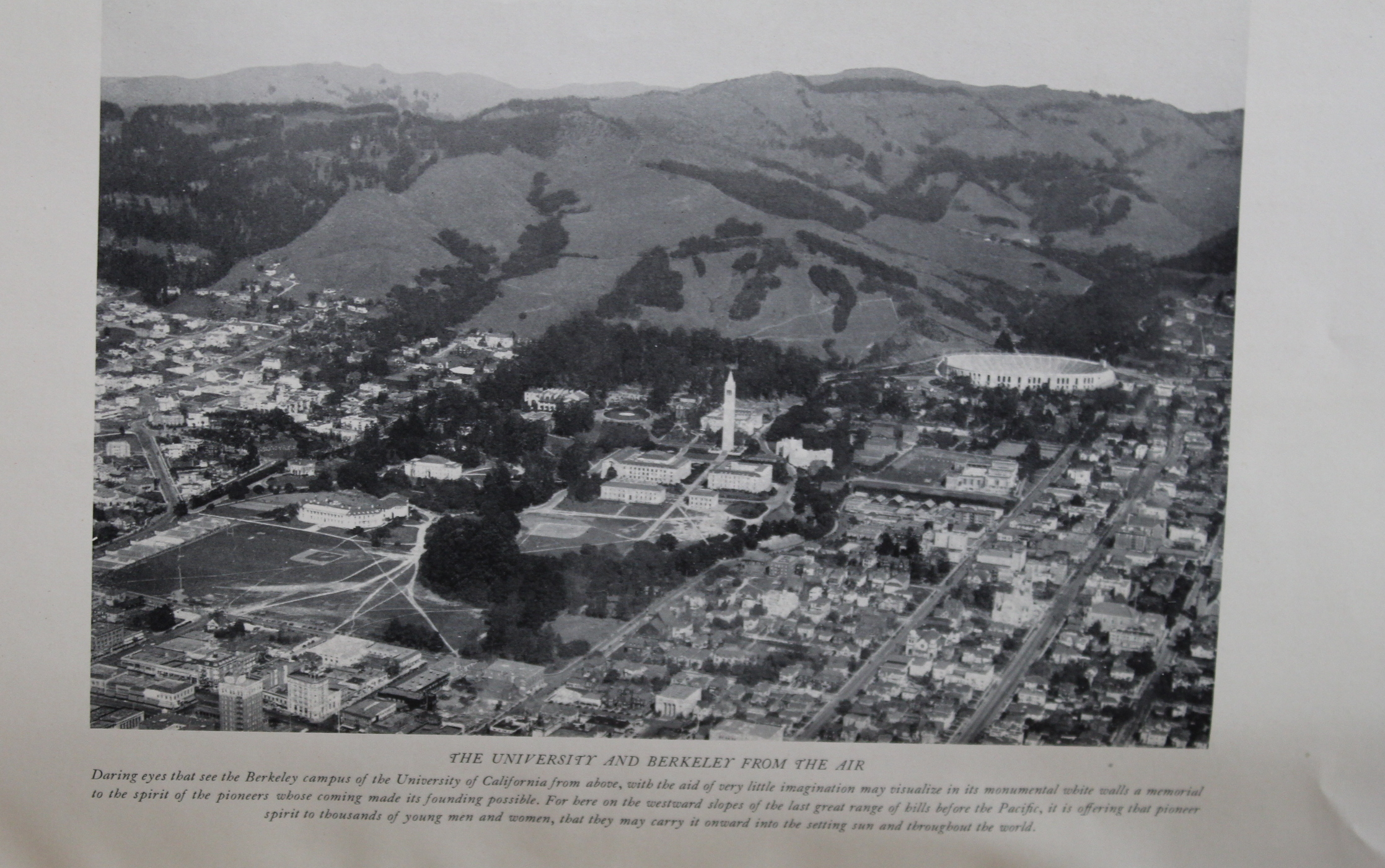
The University of California was officially chartered by the State of California on March 23, 1868. This charter marked the merger of the private, four-year College of California, located in Oakland, with the state-run Agricultural, Mining, and Mechanical Arts College. This union was instrumental in forming the initial nucleus of what would become a sprawling and influential university system. The College of California provided the land and faculty, while the state offered financial support and a mandate to serve the public.
Choosing a Site and a Name
Following the chartering of the University of California, the crucial task of selecting a permanent site for the main campus began. Several locations were considered, but the expansive and picturesque setting overlooking the San Francisco Bay proved to be the most compelling. This land, which would eventually become the city of Berkeley, was chosen for its natural beauty, accessibility, and potential for growth.
The university was initially envisioned to be named after George Berkeley, the Irish philosopher whose optimistic ideals of the “progress of human knowledge” resonated with the aspirations of the state’s leaders. While the exact moment of the decision to name the campus in his honor is part of historical nuance, the site was officially designated as the location for the university’s primary campus, and the city that grew around it adopted the philosopher’s name.
The Inaugural Year and Early Development
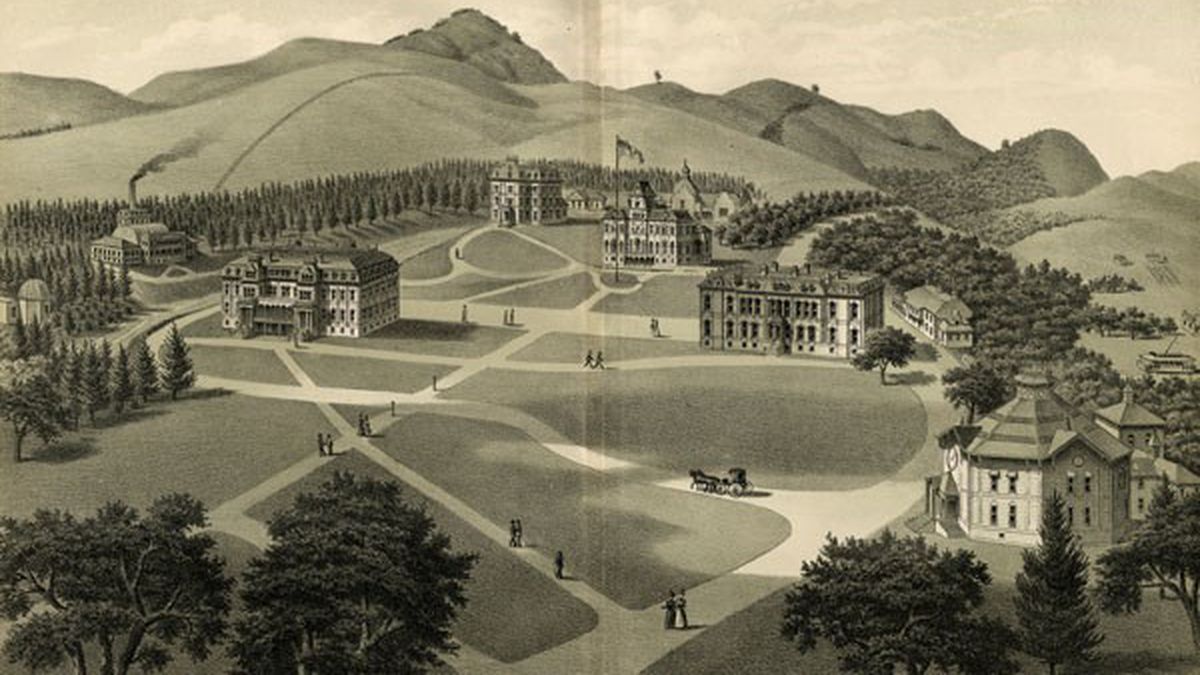
The year 1868 is the pivotal date in the founding of the University of California, with its flagship campus, UC Berkeley, being the direct beneficiary of this foundational act. The university officially opened its doors to students in the fall of 1873.
First Students and Faculty
When the doors opened in 1873, the university welcomed its first cohort of students. The initial faculty comprised distinguished scholars and educators drawn from both the merged institutions and beyond. This early period was characterized by the ambitious task of building not just a campus, but a robust academic community and a curriculum that would foster intellectual inquiry and practical application. The vision was to create a university that was both a center for theoretical knowledge and a hub for the development of the state’s resources and industries.
Early Architectural Vision
The early architectural planning for the University of California, Berkeley campus was guided by a grand vision. Architects like Frederick Law Olmsted, renowned for his work on Central Park in New York City, contributed to the initial master plan, emphasizing the integration of the campus with its natural surroundings. The Beaux-Arts style became a dominant influence in the early campus design, creating a sense of grandeur and academic tradition. Buildings like South Hall, which still stands today, represent this early architectural heritage and are integral to the historical fabric of the campus.
The Enduring Legacy of 1868
The founding year of 1868 cemented the identity and purpose of the University of California. It signifies the birth of a public institution committed to serving the people of California through accessible education, groundbreaking research, and public service.
A Model for Public Education
The establishment of the University of California in 1868 was a forward-thinking initiative that set a precedent for public higher education in the United States. The commitment to a strong, tuition-free (or low-cost) public university system has been a cornerstone of the American dream, providing opportunities for social mobility and fostering a highly educated citizenry. UC Berkeley has consistently embodied this ideal, evolving into a premier institution renowned for its contributions across a vast spectrum of academic disciplines.

From Founding to Global Influence
From its inception in 1868, the University of California, Berkeley has undergone remarkable growth and transformation. It has weathered economic shifts, societal changes, and periods of intense intellectual ferment, all while maintaining its core mission. Today, it is recognized not only for its exceptional academic programs and Nobel laureates but also for its role in driving innovation, from the development of the internet to pioneering research in fields like artificial intelligence and biotechnology. The university’s iconic Campanile, visible from across the bay, stands as a testament to its enduring presence and its historical significance as a landmark of knowledge and progress, firmly rooted in its founding year of 1868.
LifeOutOfTheBox is a participant in the Amazon Services LLC Associates Program, an affiliate advertising program designed to provide a means for sites to earn advertising fees by advertising and linking to Amazon.com. Amazon, the Amazon logo, AmazonSupply, and the AmazonSupply logo are trademarks of Amazon.com, Inc. or its affiliates. As an Amazon Associate we earn affiliate commissions from qualifying purchases.