
The Genesis of a Las Vegas Icon
The shimmering façade of Wynn Las Vegas is an instantly recognizable symbol of luxury and entertainment on the Las Vegas Strip. But behind its opulent design lies a fascinating story of ambition, innovation, and meticulous planning. The question of “When was Wynn Las Vegas built?” unlocks a narrative that stretches back to the early 2000s, a period of significant development and transformation for the city.
The journey began with a visionary developer, Steve Wynn, who sought to redefine the ultra-luxury resort experience. After his previous success with Bellagio and The Mirage, he embarked on a project that would become his namesake and a testament to his refined taste and business acumen. The development of Wynn Las Vegas was not merely about erecting a building; it was about crafting an immersive environment that catered to the most discerning clientele, offering unparalleled service, world-class dining, and captivating entertainment.
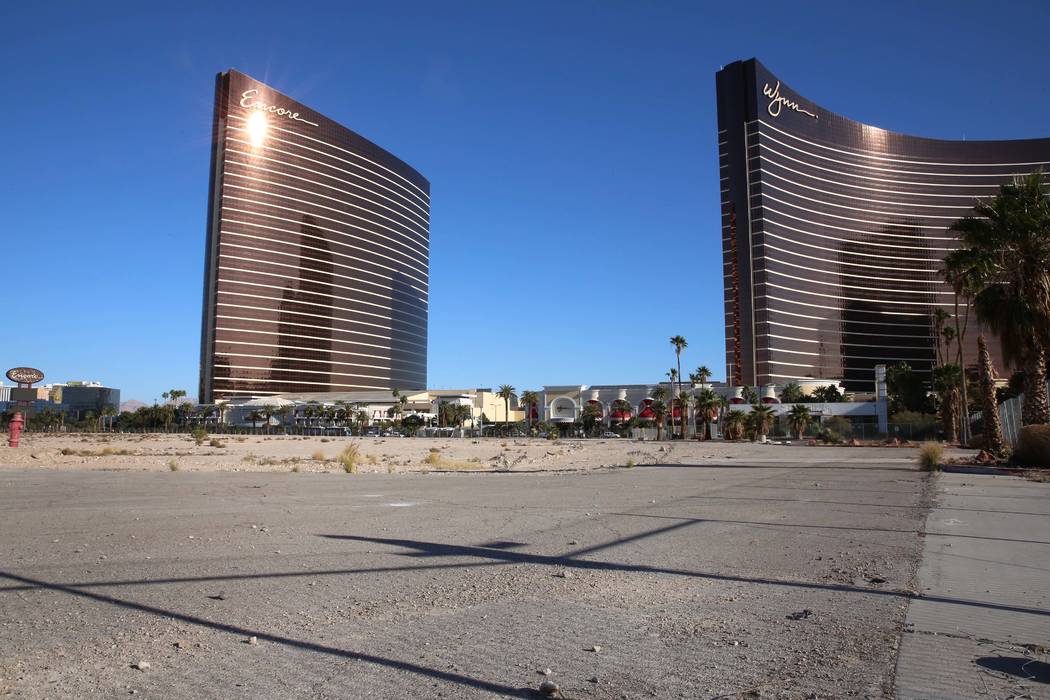
The site chosen for the new resort was previously occupied by the Desert Inn, a historic property that had played a significant role in Las Vegas history. Wynn acquired the Desert Inn in 2000, and demolition of the older resort began in October 2001. This marked the physical commencement of the project, clearing the way for the ambitious undertaking that would soon rise from the desert sands. The naming of the resort as “Wynn Las Vegas” was a deliberate choice, imbuing the property with the personal brand and prestige of its creator.
The Development Timeline
The construction of Wynn Las Vegas was a massive undertaking, involving thousands of workers and significant financial investment. The project broke ground in July 2002, signifying the start of the actual construction phase. This period was characterized by rapid progress, with the iconic structure taking shape day by day.
The vision for Wynn Las Vegas was to create a resort that stood apart from its contemporaries. Steve Wynn’s philosophy centered on integrating art, nature, and exquisite design into every aspect of the guest experience. Unlike many resorts that focused solely on gaming and entertainment, Wynn aimed to offer a holistic luxury experience, encompassing fine dining, premium shopping, and sophisticated accommodations.
The sheer scale of the project necessitated a sophisticated logistical operation. Materials were sourced, architectural plans were finalized and executed, and a vast workforce was managed to ensure the project stayed on schedule and within budget. The construction process was a marvel of engineering and project management, reflecting the ambition of its creators.
The resort’s design was overseen by a team of renowned architects and designers, including Wimberly, Allison, Tong & Goo (WATG) and the interior design firm Yoon & Associates. The goal was to create an environment that exuded elegance and sophistication, a departure from the more ostentatious themes of some earlier Las Vegas properties.
Grand Opening and Legacy
After years of dedicated construction and development, Wynn Las Vegas officially opened its doors to the public on April 28, 2005. This date marked the culmination of a monumental effort and the beginning of a new era for luxury hospitality on the Las Vegas Strip. The opening was a grand event, attracting widespread media attention and setting a new benchmark for resort development in the city.
Upon its opening, Wynn Las Vegas immediately garnered critical acclaim for its luxurious design, exceptional service, and innovative amenities. It was not long before the resort began receiving prestigious awards and accolades, cementing its reputation as one of the world’s premier luxury destinations. The resort quickly became synonymous with high-end gaming, Michelin-starred dining, and exclusive entertainment.
The success of Wynn Las Vegas also paved the way for further development. In 2008, its sister property, Encore at Wynn Las Vegas, opened adjacent to the original resort, expanding the complex and further enhancing the luxurious offerings. This expansion demonstrated the enduring appeal and success of Steve Wynn’s vision.
The legacy of Wynn Las Vegas is deeply intertwined with its construction and opening date. It stands as a testament to meticulous planning, artistic vision, and the pursuit of excellence in the hospitality industry. The resort continues to be a major attraction in Las Vegas, drawing visitors from around the globe who seek an unparalleled experience of luxury and sophistication.
The Architectural Vision and Design Philosophy
The construction of Wynn Las Vegas was a direct manifestation of Steve Wynn’s distinctive architectural and design philosophy. Unlike the often-themed resorts that had dominated Las Vegas in previous decades, Wynn aimed for a more timeless and sophisticated aesthetic. The focus was on creating an environment that felt both grand and intimate, luxurious yet approachable.
Key Design Elements
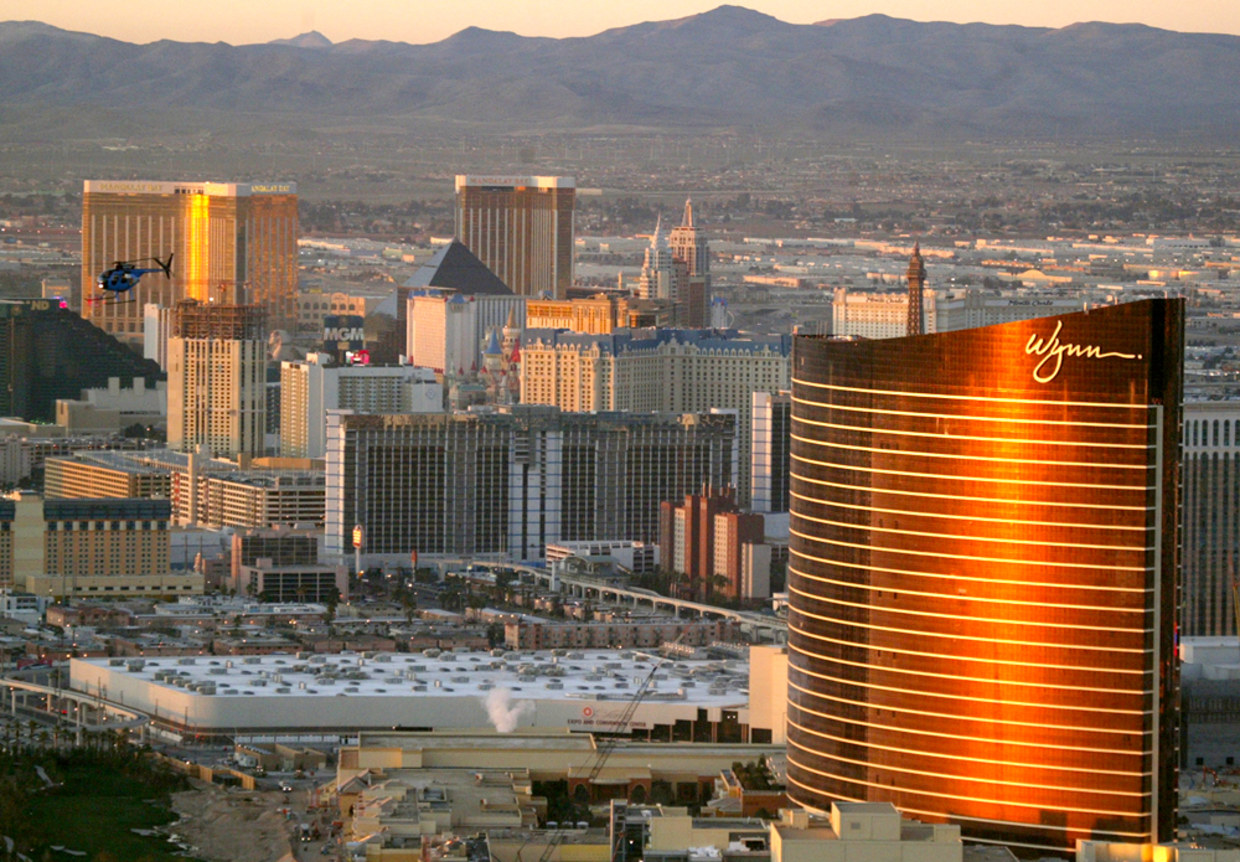
Several key elements defined the architectural and interior design of Wynn Las Vegas during its construction and upon its opening. These included:
- Natural Light and Outdoor Integration: A significant departure from many enclosed casino spaces, Wynn Las Vegas incorporated ample natural light and sought to integrate the indoor environment with carefully curated outdoor spaces. The famous “Lake of Dreams” and the lush landscaping surrounding the resort are prime examples of this approach, designed to offer guests visually appealing and relaxing environments.
- Art and Antiquities: Steve Wynn has always been a passionate art collector, and this passion was integrated into the very fabric of Wynn Las Vegas. Throughout the resort, guests can encounter a diverse collection of fine art, from classical pieces to contemporary works, contributing to an atmosphere of cultured sophistication.
- Water Features and Floral Displays: Water is a recurring motif, used to create tranquil and visually stunning areas. The cascading waterfalls and serene pools contribute to a sense of luxury and escapism. Additionally, the resort is renowned for its elaborate and constantly changing floral displays, which add color, fragrance, and a touch of natural beauty to the interiors.
- High-End Materials and Finishes: No expense was spared in selecting the finest materials and finishes. From Italian marble and custom-designed furnishings to intricate millwork and luxurious fabrics, every detail was chosen to exude quality and opulence. This commitment to high standards was a defining characteristic of the resort’s construction.
- Themed Yet Refined Spaces: While not heavily themed in the traditional Las Vegas sense, individual areas within the resort are designed to evoke specific moods and experiences. The casino floor, for instance, is designed to be more subdued and elegant than many of its predecessors, while the restaurants and lounges offer distinct ambiances, all unified by an overarching theme of refined luxury.
The Role of the Developers and Architects
The construction of Wynn Las Vegas involved a collaborative effort between Steve Wynn and a team of highly skilled professionals. Wynn Resorts Limited was the development company, with Wynn himself serving as Chairman and CEO during the project’s conception and construction.
The architectural design was primarily handled by the firm Wimberly, Allison, Tong & Goo (WATG), known for its expertise in large-scale resort development. Interior design was entrusted to various specialized firms, including Yoon & Associates, which played a crucial role in bringing Wynn’s aesthetic vision to life within the resort’s interior spaces. The construction itself was managed by general contractors, ensuring the efficient and safe execution of the building plans.
The collaboration between Wynn and his design teams was reportedly intensive, with Wynn known for his hands-on approach and meticulous attention to detail. This level of involvement was critical in ensuring that the final product accurately reflected his vision for an ultra-luxury resort experience. The construction phase was a complex orchestration of creative design and practical engineering.
The Financial and Economic Impact
The construction and subsequent operation of Wynn Las Vegas represented a significant economic undertaking, with profound implications for the city of Las Vegas and the broader hospitality industry. The scale of the project and the investment involved positioned it as a landmark development in the city’s ever-evolving landscape.
Investment and Funding
The initial estimated cost for the construction of Wynn Las Vegas was around $2.4 billion, a substantial figure that underscored the ambition and scale of the project. This investment was funded through a combination of equity, debt financing, and the sale of existing assets. Wynn Resorts Limited successfully secured the necessary capital to bring this grand vision to fruition.
The financial commitment not only covered the physical construction of the resort but also the acquisition of the land, the intricate interior design, the integration of high-tech systems, and the initial staffing and operational setup. The economic ripple effect of such a large-scale investment was substantial, creating jobs and stimulating economic activity within Las Vegas and beyond.
Job Creation and Employment
During the peak of its construction phase, Wynn Las Vegas employed thousands of workers. This included architects, engineers, construction laborers, interior designers, project managers, and countless skilled tradespeople. The project provided a significant boost to employment in the region, offering opportunities across a wide range of professions.
Upon opening, the resort continued to be a major employer, creating thousands of permanent jobs in hospitality, gaming, food and beverage, retail, entertainment, and administration. The demand for skilled staff to maintain the resort’s high standards of service was immense, contributing to the local economy through wages, salaries, and employee spending. The operational phase of Wynn Las Vegas has consistently been a significant contributor to the employment landscape of Nevada.
Impact on the Las Vegas Strip
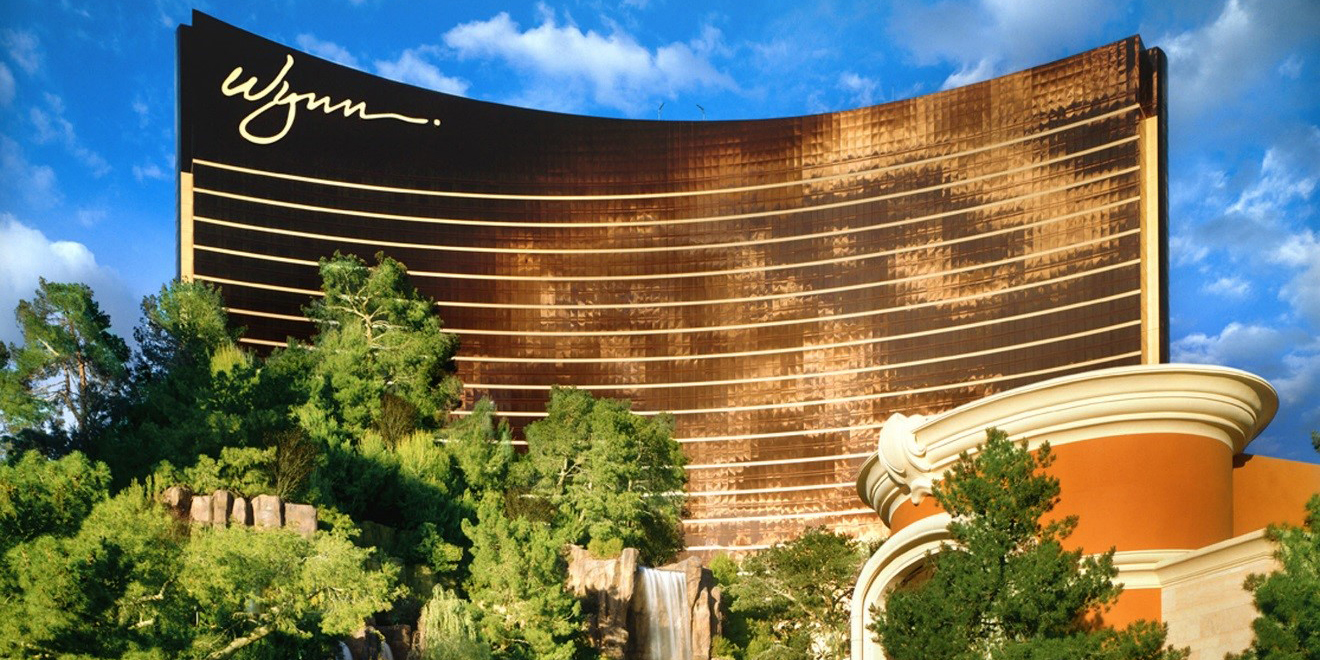
The opening of Wynn Las Vegas in 2005 had a notable impact on the Las Vegas Strip. It represented a shift towards an even higher echelon of luxury and sophistication, encouraging other resorts to elevate their offerings in response. The resort’s success reinforced the idea that Las Vegas could successfully cater to the ultra-luxury market, attracting a demographic with significant disposable income.
The resort’s presence contributed to Las Vegas’s image as a premier global destination for entertainment, gaming, and fine dining. Its architectural grandeur and meticulously designed interiors set a new standard, influencing subsequent resort developments and renovations across the Strip. The economic benefits extended beyond direct employment and revenue generation, impacting ancillary businesses such as transportation, catering, and local suppliers.
The continued success and evolution of Wynn Las Vegas, including the later addition of Encore at Wynn Las Vegas, underscore the sustained economic viability and cultural significance of the property, solidifying its place as a pivotal landmark in the history of Las Vegas tourism and development.
LifeOutOfTheBox is a participant in the Amazon Services LLC Associates Program, an affiliate advertising program designed to provide a means for sites to earn advertising fees by advertising and linking to Amazon.com. Amazon, the Amazon logo, AmazonSupply, and the AmazonSupply logo are trademarks of Amazon.com, Inc. or its affiliates. As an Amazon Associate we earn affiliate commissions from qualifying purchases.