
Richmond, California, is a city with a distinctive geographical identity and a rich historical tapestry, nestled on the eastern shore of the San Francisco Bay Area. Often recognized for its industrial heritage and significant role during World War II, Richmond offers travelers a unique blend of urban development, waterfront recreation, and historical insights. Understanding its precise location is the first step in appreciating its multifaceted character as a travel destination within the broader Bay Area landscape.
Pinpointing Richmond on the Map
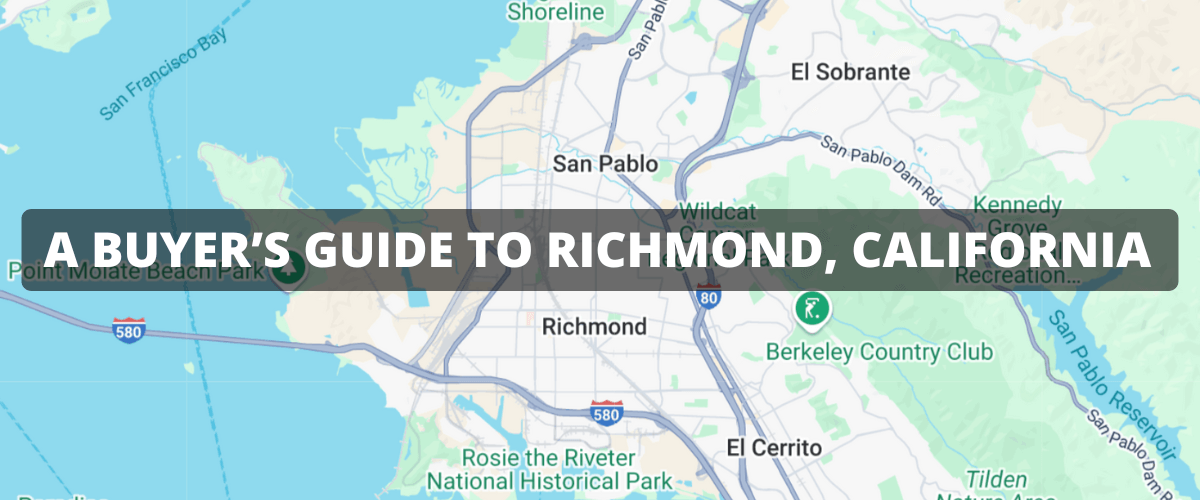
Richmond occupies a strategic position within the greater San Francisco Bay Area, making it an accessible and intriguing locale. Geographically, it is situated in Contra Costa County, approximately 16 miles northeast of downtown San Francisco and just across the bay from Marin County. Its immediate neighbors include the vibrant cities of Berkeley to the south and El Cerrito and San Pablo to the east.
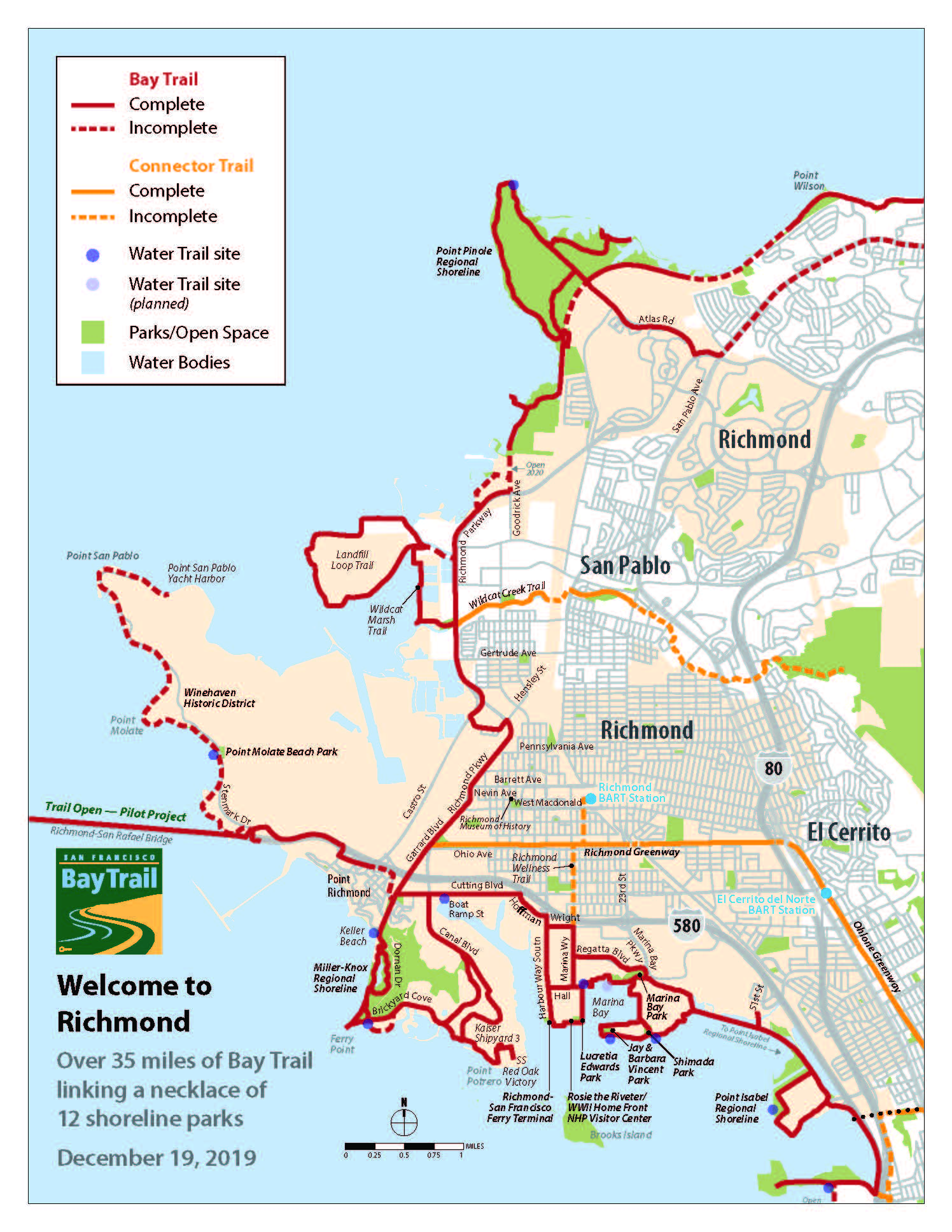
The city’s unique geography is defined by its extensive shoreline along San Pablo Bay, which is an embayment of the larger San Francisco Bay. This coastal orientation grants Richmond a wealth of waterfront access, including several marinas, shipping terminals, and regional shorelines that provide breathtaking views of the bay, the San Francisco skyline, and the distant Golden Gate Bridge. Furthermore, Richmond extends northward towards the Carquinez Strait, a narrow waterway connecting San Pablo Bay to Suisun Bay and the Sacramento–San Joaquin River Delta. This location provides it with critical links to inland California as well as access to the Pacific Ocean. The topography ranges from flatlands near the bay to rolling hills in the eastern parts of the city, offering diverse landscapes for residents and visitors alike.
A Legacy of Innovation and Transformation
Richmond’s identity is inextricably linked to its historical significance, particularly its pivotal role during World War II. This period saw the city transform into a bustling center for wartime industrial production, most notably through the operation of the four Kaiser Shipyards. These shipyards were instrumental in building hundreds of Liberty ships and Victory ships, earning Richmond the moniker “Home Front City.” The influx of workers from across the nation during this time led to rapid population growth and cultural diversification, shaping the city’s social fabric.
Today, this incredible chapter of American history is preserved and celebrated at the Rosie the Riveter/WWII Home Front National Historical Park. This unique national park, spread across various sites in Richmond, tells the story not just of ship production, but of the diverse individuals who worked on the home front, including women and minorities, and the profound societal changes they catalyzed. Visitors can explore the visitor center, restored historic structures, and monuments, gaining a deep appreciation for the ingenuity, sacrifice, and community spirit that defined the era. The park serves as a powerful reminder of Richmond’s contribution to national and global events.
Beyond its wartime legacy, Richmond continues to be an industrial hub, home to major facilities such as the Chevron Refinery, one of the largest oil refineries in California. While industry remains a cornerstone of its economy, Richmond has also embarked on significant efforts toward revitalization and diversification. The city is increasingly fostering arts and culture, developing new residential and commercial spaces, and enhancing its recreational offerings. Areas like Point Richmond, with its historic downtown, charming architecture, and local businesses, exemplify this blend of past and present, offering a glimpse into the city’s evolving character. This ongoing transformation makes Richmond an intriguing destination for travelers interested in urban renewal and historical depth.
Unveiling Richmond’s Natural and Recreational Attractions
Despite its industrial reputation, Richmond is blessed with an abundance of natural beauty and outdoor recreational opportunities, largely owing to its expansive waterfront and numerous parks. The city boasts over 32 miles of shoreline, providing stunning vistas and access to the tranquil waters of San Pablo Bay.
The Richmond Marina is a vibrant hub for boating and watersports, offering berths for hundreds of vessels and serving as a gateway to the Bay Area’s aquatic playground. From here, visitors can embark on sailing excursions, kayaking adventures, or simply enjoy the waterfront ambiance at one of the adjacent restaurants. Nearby, the Miller/Knox Regional Shoreline provides a serene escape with its sandy beaches, fishing pier, and trails perfect for walking, jogging, or birdwatching. This park offers panoramic views of the bay, the Golden Gate Bridge, and the surrounding hills.
Beyond the immediate bayfront, Richmond features an extensive network of regional parks and green spaces. Point Pinole Regional Shoreline, a sprawling 2,315-acre park, is a testament to the city’s commitment to preserving open spaces. It features miles of multi-use trails that wind through eucalyptus groves, marshlands, and meadows, culminating at a dramatic pier that extends into the bay. It’s an ideal spot for hiking, cycling, horseback riding, and enjoying nature’s tranquility. Further inland, Wildcat Canyon Regional Park, shared with Berkeley and El Cerrito, offers rugged trails, diverse wildlife, and spectacular views from its elevated ridges. These natural assets position Richmond as a prime destination for outdoor enthusiasts seeking an active exploration of the Bay Area’s diverse ecosystems.
Accessibility and Connectivity: Reaching Richmond
Richmond’s strategic location in the Bay Area ensures excellent connectivity via various transportation networks, making it easily accessible for both regional commuters and long-distance travelers. Major freeways serve as primary arteries for vehicular access. Interstate 80, a significant east-west corridor, runs directly through Richmond, connecting it to Oakland, Berkeley, and points east toward Sacramento. Interstate 580 also skirts the western edge of the city, providing a direct link across the Richmond-San Rafael Bridge to Marin County and further to San Francisco via the Golden Gate Bridge. Additionally, Highway 4 extends eastward from Richmond, facilitating access to inland Contra Costa County and the Central Valley.
Public transportation options are robust, offering convenient alternatives to driving. The Bay Area Rapid Transit (BART) system plays a crucial role in regional connectivity, with the Richmond BART Station serving as a major terminus. From here, travelers can easily reach downtown San Francisco, Oakland International Airport, and other key Bay Area destinations. For those traveling from further afield, Amtrak also operates a station in Richmond, providing intercity rail service on routes like the Capitol Corridor and San Joaquins. This comprehensive transportation infrastructure positions Richmond not just as a standalone destination, but also as an excellent base for exploring the diverse attractions of the entire North Bay and the wider San Francisco Bay Area.

A Destination Worth Exploring
In summary, Richmond, California, is more than just a dot on the map; it is a city deeply embedded in the geography and history of the San Francisco Bay Area. Its location along San Pablo Bay, coupled with its proximity to major urban centers and natural preserves, makes it a unique travel destination. From its storied past as a World War II home front, celebrated at the Rosie the Riveter/WWII Home Front National Historical Park, to its abundant waterfront activities and expansive regional parks, Richmond offers a rich array of experiences. Its convenient access via major highways and public transit ensures that travelers can easily uncover the blend of industrial legacy, natural beauty, and burgeoning cultural vibrancy that defines this dynamic California city. For those seeking an authentic and diverse Bay Area experience beyond the typical tourist paths, Richmond stands ready to reveal its distinct charms.
LifeOutOfTheBox is a participant in the Amazon Services LLC Associates Program, an affiliate advertising program designed to provide a means for sites to earn advertising fees by advertising and linking to Amazon.com. Amazon, the Amazon logo, AmazonSupply, and the AmazonSupply logo are trademarks of Amazon.com, Inc. or its affiliates. As an Amazon Associate we earn affiliate commissions from qualifying purchases.