
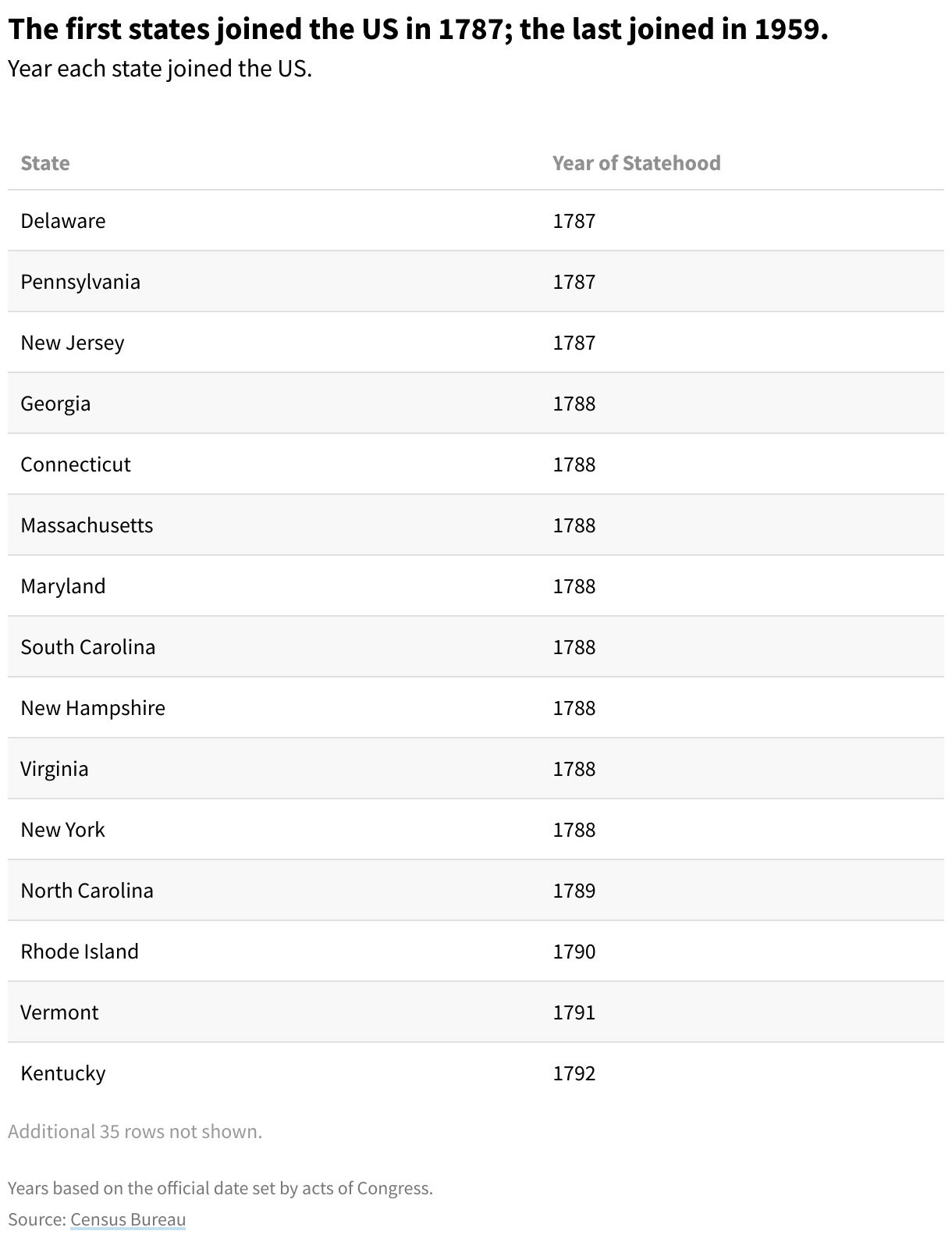
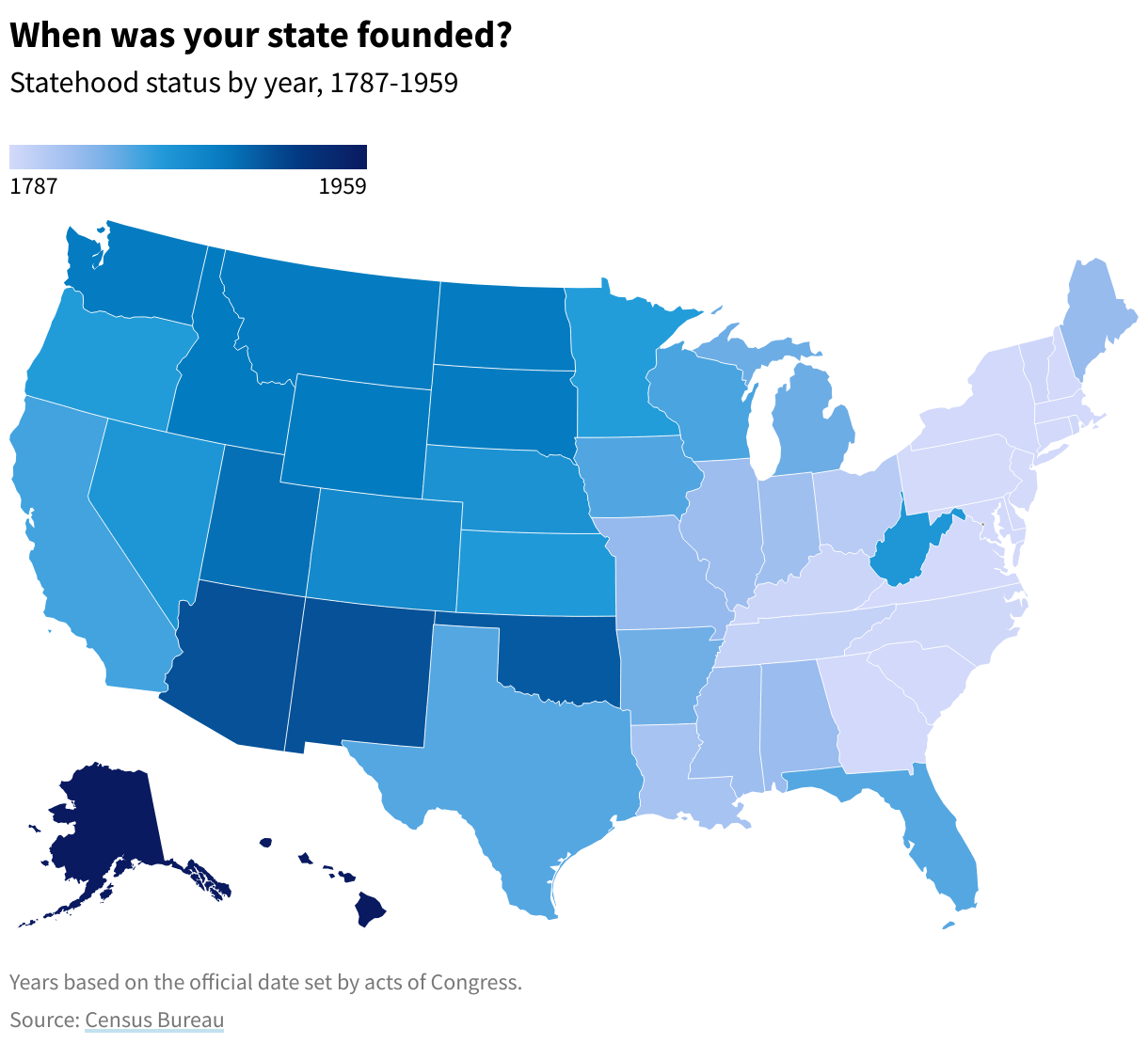
The admission of Alaska and Hawaii into the United States in 1959 marked a pivotal moment in American history, completing the modern contiguous map of the nation and solidifying its presence in the Pacific and Arctic regions. These events were not mere administrative formalities but the culmination of decades, if not centuries, of complex geopolitical maneuvering, indigenous resistance, economic imperatives, and cultural integration. Understanding the unique historical trajectories of these two territories—one a vast, resource-rich wilderness purchased from Russia, the other a former sovereign kingdom later annexed—offers profound insight into the evolving identity of the United States and its role on the global stage. Their statehood transformed them from distant outposts into integral parts of the American fabric, forever altering their landscapes, cultures, and strategic importance.
The Unique Paths to Statehood
The process by which a territory becomes a state in the United States is outlined primarily in Article IV, Section 3, Clause 1 of the U.S. Constitution, which states that new states may be admitted by the Congress. Historically, this has involved several key steps: a formal petition from the territorial legislature, an enabling act passed by Congress authorizing the territory to draft a constitution, the popular ratification of that constitution, and finally, a congressional resolution formally admitting the territory as a state. However, the journeys of Alaska and Hawaii deviated significantly from the traditional model, largely due to their non-contiguous geographical locations, distinct cultural heritages, and their strategic value during the tumultuous 20th century.
Unlike earlier frontier territories that gradually filled with settlers moving westward, Alaska and Hawaii remained geographically isolated and culturally distinct, presenting unique challenges and opportunities for integration. For Alaska, its vastness, extreme climate, and sparse population made self-governance and economic viability contentious issues for decades. Hawaii, with its indigenous Polynesian monarchy overthrown by American business interests and its multi-ethnic population, faced debates surrounding racial identity, cultural preservation, and democratic representation. Both territories, however, gained undeniable strategic importance during World War II and the subsequent Cold War, which ultimately accelerated their paths to becoming the 49th and 50th states, respectively.
Alaska’s Journey: From Russian Territory to the 49th State
The narrative of Alaska’s statehood is deeply intertwined with its resource wealth and strategic location, particularly as geopolitical tensions escalated in the mid-20th century.
The Purchase of Alaska
Alaska’s American story began not with settlement, but with a transaction. In 1867, U.S. Secretary of State William Seward negotiated the purchase of the territory from Imperial Russia for $7.2 million, an act widely mocked at the time as “Seward’s Folly” or “Seward’s Icebox.” Many Americans saw little value in the remote, frozen land. However, Seward and others recognized its potential strategic importance and vast natural resources, even if initially unconfirmed. The purchase removed Russia from North America, expanded the United States’ access to the Pacific, and added an immense landmass—nearly twice the size of Texas—to the national domain.
Territorial Status and Resource Discovery
For decades following the purchase, Alaska was administered first as a military district, then as a civil district, and finally, in 1912, it achieved formal territorial status. Its early development was largely driven by a series of dramatic resource discoveries. The late 19th and early 20th centuries saw massive gold rushes, particularly in the Klondike and Nome regions, attracting thousands of prospectors and leading to the establishment of new towns and infrastructure. Beyond gold, vast fisheries, timber, and later, the enormous oil reserves in places like Prudhoe Bay, cemented Alaska’s reputation as a land of immense natural wealth. As the population grew, so did the calls for greater self-governance and statehood, driven by a desire for more control over local affairs and resource development, rather than being managed by distant federal authorities.
The Final Push for Statehood
The strategic importance of Alaska dramatically escalated during World War II, when the Japanese invasion of the Aleutian Islands highlighted its critical role in American defense. The subsequent Cold War further cemented this, with Alaska becoming a vital frontline in potential conflicts with the Soviet Union. This strategic value, combined with a growing resident population advocating for full political rights, propelled the statehood movement forward. Key figures like Delegate E.L. “Bob” Bartlett tirelessly lobbied Congress. Despite concerns from some southern states about adding more non-white populations (a concern that also applied to Hawaii), and northern business interests fearing competition, the momentum was unstoppable. On July 7, 1958, President Dwight D. Eisenhower signed the Alaska Statehood Act into law, and on January 3, 1959, Alaska officially became the 49th state of the United States.

Hawaii’s Transformation: From Monarchy to the 50th State
Hawaii’s path to statehood is distinct, marked by a history of sovereignty, foreign intervention, and a vibrant, multi-ethnic society.
The Kingdom of Hawaii and Foreign Influence
For centuries, Hawaii was a sovereign kingdom, unified under King Kamehameha I in the early 19th century. Its strategic location in the central Pacific made it a crucial stop for whaling ships and trading vessels. American missionaries arrived in 1820, bringing Western education and religion, profoundly influencing Hawaiian society and governance. Simultaneously, American and European businessmen established large sugar plantations, gradually acquiring significant land and political power within the kingdom. This foreign influence steadily eroded the power of the Hawaiian monarchy, leading to increasing tensions between indigenous Hawaiians and the growing non-native planter class.
Annexation and Territorial Government
The pivotal moment arrived in 1893 when American and European businessmen, supported by the U.S. Minister to Hawaii John L. Stevens and a contingent of U.S. Marines, orchestrated the overthrow of Queen Liliʻuokalani. A provisional government was established, declaring a republic in 1894. Although initially hesitant, the United States officially annexed Hawaii in 1898 during the Spanish-American War, driven by strategic considerations and imperialistic ambitions. It became a U.S. territory in 1900. For the next five decades, Hawaii developed as a crucial military outpost, especially with the establishment of Pearl Harbor as a major naval base. The Japanese attack on Pearl Harbor on December 7, 1941, catapulted the United States into World War II and underscored Hawaii’s irreplaceable strategic importance to national security.
The Road to Statehood
The post-WWII era saw a significant surge in the Hawaiian statehood movement. Residents, particularly the large population of second-generation Asian Americans who had served heroically in the war, felt it was unjust to be denied full citizenship rights. They argued for self-determination and an end to colonial rule. Debates in Washington, D.C., however, lingered for years. Concerns included Hawaii’s distance from the mainland, its unique multi-ethnic demographic composition (which some mainland politicians feared would shift racial balances in Congress), and its distinct culture. However, the compelling arguments for full democratic representation, the demonstrated loyalty of its citizens, and its undeniable strategic value in the burgeoning Cold War ultimately swayed Congress. On March 18, 1959, President Dwight D. Eisenhower signed the Hawaii Admission Act. Following a public vote in Hawaii that overwhelmingly favored statehood, the territory officially became the 50th state on August 21, 1959.
The Shared Legacy: Impact on the United States and the States Themselves
The year 1959, witnessing the admission of both Alaska and Hawaii, fundamentally reshaped the United States. Their statehood completed the nation’s geographical expansion, establishing its presence across the Pacific and into the Arctic. This brought not only vast new land and resources but also significantly enhanced America’s strategic depth and global reach during a critical period of the Cold War.
For Alaska, statehood brought greater autonomy over its immense natural resources, particularly oil, which transformed its economy and funded significant public services. It also empowered its diverse population, including indigenous communities, to have a more direct voice in national politics. The wild, untamed beauty of Alaska became an integral part of the American landscape, symbolizing the nation’s spirit of frontier and conservation.
Hawaii, as the 50th state, brought its unique blend of Polynesian, Asian, and Western cultures into the American mosaic, enriching the nation’s cultural diversity. Statehood enabled its citizens to enjoy full voting rights and representation, fostering greater economic development and infrastructure improvements. The tropical allure of Hawaii transformed from a distant, exotic land into an accessible American paradise, deeply embedding its identity into the national consciousness.
Together, the statehood of Alaska and Hawaii represents more than just administrative changes; it symbolizes the United States’ capacity for expansion, adaptation, and the integration of diverse lands and peoples into a unified nation, forever altering its landmarks, strategic posture, and cultural fabric.
LifeOutOfTheBox is a participant in the Amazon Services LLC Associates Program, an affiliate advertising program designed to provide a means for sites to earn advertising fees by advertising and linking to Amazon.com. Amazon, the Amazon logo, AmazonSupply, and the AmazonSupply logo are trademarks of Amazon.com, Inc. or its affiliates. As an Amazon Associate we earn affiliate commissions from qualifying purchases.