
The Quest for Authenticity in California’s Olive Oil Landscape
California, a state renowned for its fertile lands and pioneering spirit, has long aspired to be a global leader in high-quality olive oil production. Among the many producers vying for this distinction, California Olive Ranch has emerged as a prominent name. However, in a market often saturated with imitations and mislabeled products, a crucial question arises: Is California Olive Ranch real olive oil? This inquiry delves into the intricate world of olive oil production, consumer trust, and the standards that define genuine extra virgin olive oil, particularly within the context of American agriculture.

The perception of “real olive oil” often hinges on several key factors: origin, processing methods, quality standards, and transparency. For a brand like California Olive Ranch, which positions itself as a purveyor of authentic Californian goodness, understanding these elements is paramount. The olive oil industry, both globally and domestically, has been plagued by issues of adulteration, where cheaper oils are blended with or misrepresented as pure olive oil. This has led to a heightened consumer awareness and a demand for verifiable quality. Exploring California Olive Ranch’s practices against these benchmarks provides a clear picture of its standing in the marketplace. The state’s agricultural heritage, coupled with modern innovation, has created an environment ripe for producing exceptional olive oil, but maintaining integrity throughout the supply chain is a continuous challenge.
The Evolution of Olive Oil Production in California
The journey of olive oil in California is a testament to agricultural ambition. While olives have been cultivated in the state for centuries, the modern olive oil industry, with its focus on quality and commercial viability, is a more recent phenomenon. Early plantings were often for table olives, but the late 20th century saw a burgeoning interest in producing extra virgin olive oil that could rival the best from the Mediterranean. This shift was driven by a combination of factors: a growing appreciation for healthy fats, a desire for locally sourced and traceable food products, and the favorable climate and soil conditions of California.
The establishment of organizations like the California Olive Oil Council and adherence to international standards, such as those set by the International Olive Council (IOC) and the United States Department of Agriculture (USDA), have been instrumental in elevating the industry. These bodies provide guidelines for olive oil grading, testing, and labeling, aiming to ensure that consumers receive genuine products. The designation of “extra virgin olive oil” is not merely a label; it represents a strict set of chemical and sensory parameters that oil must meet. These include low acidity, absence of defects, and specific flavor profiles, achieved through careful cultivation, harvesting, and milling of olives.
The growth of the industry has also been fueled by technological advancements in farming and milling. From advanced irrigation techniques to modern, continuous-flow mills that minimize oxidation and preserve delicate flavors, producers are investing in the infrastructure necessary for high-quality production. California Olive Ranch, as a significant player, has been part of this evolution, adopting these best practices to produce its range of olive oils. Their commitment to these standards directly addresses the core of what constitutes “real olive oil” – adherence to rigorous quality benchmarks.
Decoding “Real Olive Oil”: Standards and Certifications
The term “real olive oil” is often shorthand for “authentic extra virgin olive oil,” the highest grade of olive oil. To qualify as extra virgin, olive oil must be extracted solely by mechanical or other physical means, under conditions that do not lead to degradation of the oil. It must also have a fruity aroma and flavor, with no sensory defects. Chemically, it must have a free acidity, expressed as oleic acid, of not more than 0.8 grams per 100 grams, and a peroxide value that indicates it hasn’t undergone significant oxidation.
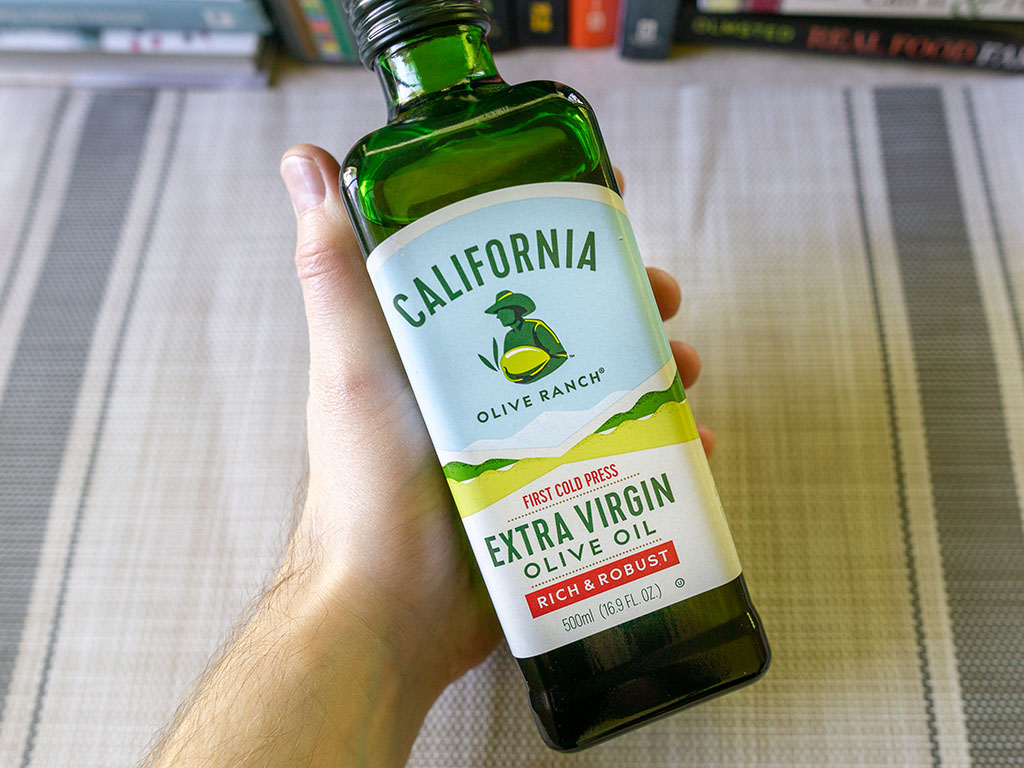
In the United States, there isn’t a federally mandated standard of identity for olive oil, which has historically created a challenging landscape for consumers. However, voluntary standards and certifications have emerged to fill this gap. The California Olive Oil Council (COOC) Seal is a prominent example, certifying that an olive oil is 100% Californian and meets the stringent extra virgin standards. This seal is a consumer’s assurance of authenticity and quality, providing a level of confidence in the product.
California Olive Ranch actively participates in these quality assurance programs. Their commitment to transparency often extends to detailing their sourcing, milling processes, and testing protocols. For instance, many of their products carry the California Olive Oil Council seal, indicating adherence to their rigorous standards. This external validation is crucial for consumers seeking to distinguish genuine products from those that might be misrepresented. The availability of laboratory testing results and traceability information further bolsters their claim to producing authentic olive oil. Examining their certifications and adherence to industry best practices is key to understanding their positioning as a producer of “real olive oil.”
California Olive Ranch’s Commitment to Quality and Transparency
California Olive Ranch has built its brand on the promise of delivering high-quality, authentic olive oil. Their narrative often centers on the freshness and purity derived from their Californian heritage. To uphold this promise, they implement a series of practices designed to ensure the integrity of their product from grove to bottle. This includes meticulous attention to the olive harvesting process, which is critical for preserving the fruit’s quality. Olives are typically harvested at peak ripeness and then rapidly transported to the mill to prevent oxidation and spoilage.
The milling process itself is another cornerstone of their quality control. California Olive Ranch often emphasizes its use of modern milling technology, such as state-of-the-art olive mills that employ a continuous-flow system. This method is designed to extract olive oil efficiently while minimizing exposure to heat and air, thereby preserving the delicate flavors, aromas, and nutritional compounds characteristic of extra virgin olive oil. Their commitment to freshness is often highlighted by their “harvest date” on many products, a practice less common in the industry and one that underscores their dedication to delivering oil at its optimal quality.
Transparency is also a key pillar of California Olive Ranch’s approach. They often provide detailed information about their sourcing practices, whether they are using their own estate-grown olives or sourcing from other Californian growers. This clarity helps consumers understand the provenance of the oil they are purchasing. Furthermore, their engagement with third-party certifications, such as the California Olive Oil Council seal, serves as an independent verification of their quality claims. By adhering to these stringent standards and openly communicating their practices, California Olive Ranch actively seeks to answer the question of authenticity, positioning itself as a reliable source of genuine extra virgin olive oil for discerning consumers.

The Consumer’s Role in Verifying Olive Oil Authenticity
Ultimately, the consumer plays a vital role in ensuring they are purchasing “real olive oil.” While brands like California Olive Ranch strive for transparency and quality, understanding what to look for empowers consumers to make informed decisions. Key indicators include the presence of a harvest date, which signifies a commitment to freshness, and reputable certifications like the California Olive Oil Council seal or U.S. Olive Oil Council testing. These seals provide a level of assurance that the oil has met specific quality and purity standards.
Beyond certifications, looking at the origin of the oil is crucial. While California is increasingly recognized for its quality production, it’s important to note that many oils labeled “Product of Italy” or “Product of Spain” may contain oils from various countries, sometimes of lower quality. For oils explicitly marketed as Californian, verifying that they are indeed produced and bottled within the state adds another layer of authenticity.
Sensory evaluation also plays a part. Genuine extra virgin olive oil should have a pleasant fruity aroma and taste, with varying degrees of bitterness and pungency depending on the olive varietals. Any off-putting smells or flavors, such as rancid, musty, or metallic notes, are indicators of poor quality or adulteration. While taste is subjective, developing an understanding of what good olive oil should taste like can be an educational experience. Resources from organizations dedicated to olive oil education can guide consumers in this area. By actively seeking out reputable brands, understanding labeling conventions, and paying attention to quality indicators, consumers can navigate the olive oil market with greater confidence, ensuring that their purchase is indeed “real olive oil.”
LifeOutOfTheBox is a participant in the Amazon Services LLC Associates Program, an affiliate advertising program designed to provide a means for sites to earn advertising fees by advertising and linking to Amazon.com. Amazon, the Amazon logo, AmazonSupply, and the AmazonSupply logo are trademarks of Amazon.com, Inc. or its affiliates. As an Amazon Associate we earn affiliate commissions from qualifying purchases.