
The very notion of snow in Texas often conjures images of a rare, almost mythical event, a fleeting whisper of winter in a land synonymous with scorching summers, vast deserts, and a vibrant, warm culture. For most visitors, and even many residents, Texas is a destination of sun-drenched adventures, sprawling ranches, and balmy breezes. Yet, beneath this familiar facade lies the enchanting possibility of a snowy spectacle, transforming iconic landscapes into a temporary wonderland. This article delves into the intriguing question of “When Will It Snow In Texas?”, exploring not just the meteorological probabilities but also how this rare phenomenon shapes travel experiences, accommodation choices, and the unique lifestyle of the Lone Star State.
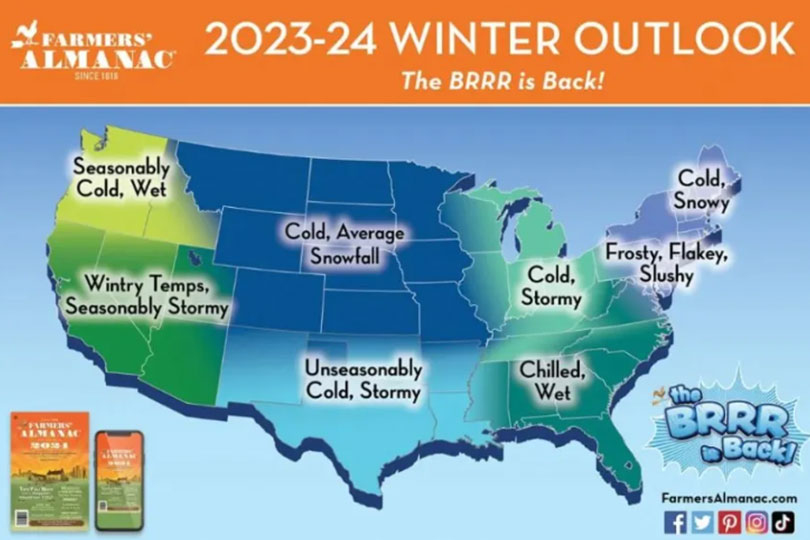
Far from being a uniform climate, Texas is a state of climatic extremes and regional diversity. Its sheer size – second only to Alaska in the United States – means that snowfall, while uncommon in general, is not an entirely alien concept across all its regions. For those drawn to the romantic idea of witnessing a blanket of white across the Texas plains or dusting the historic streets of its cities, understanding the “when” and “where” is key to planning an unforgettable winter escape. This isn’t about guaranteed snow, like a trip to the Rocky Mountains of Colorado; rather, it’s about embracing the anticipation, preparing for the possibility, and celebrating the sheer magic when the flakes do fall.
Understanding Texas’s Snowy Secrets: The “When” and “Where”
The rarity of widespread, significant snowfall in Texas is part of its charm. It’s an event that brings cities to a standstill, ignites local excitement, and offers travelers a truly unique perspective on a state typically associated with arid heat. But where and when are you most likely to experience this frosty marvel?
A Climate of Extremes: The Rarity of Texas Snow
Texas’s climate is largely influenced by its southerly latitude and proximity to the Gulf of Mexico. While cold fronts frequently push south during winter months, they often lack the crucial ingredient for snow: sufficient moisture in the atmosphere at the right temperatures. For snow to fall and stick, the ground temperature must be at or below freezing, and the entire column of air from the clouds to the ground needs to remain at or below freezing. Often, Texas experiences what’s known as “wintry mix” – a combination of freezing rain, sleet, and perhaps a few wet snowflakes – before temperatures can sustain a pure snowfall. This unique meteorological dance means that predicting snow is often a game of precise timing and atmospheric conditions.
Peak Season for Flakes: When to Watch the Forecast
Historically, the window for snow in Texas is narrow, primarily confined to the deepest winter months. December, January, and February are the prime candidates. While late November or early March might occasionally see a dusting, the most significant accumulations typically occur during this three-month span.
January is often the coldest month across the state, making it theoretically the most probable time for snow. However, snowfall events are sporadic and do not follow a predictable annual pattern. Some winters might pass with barely a flake, while others, like the memorable winter storm of February 2021, can bring unprecedented accumulations and widespread impacts, even to typically warm regions like Houston and San Antonio. For the dedicated snow chaser, constant vigilance of long-range weather forecasts for these months is essential.
Regional Disparities: Where Snow is More Likely
The vastness of Texas dictates significant regional differences in snowfall probability.
-
The Panhandle: This northwestern region, bordering Oklahoma and New Mexico, is by far the most reliable area for snow in Texas. Cities like Amarillo and Lubbock experience several snow events each winter, with accumulations ranging from a light dusting to several inches. The higher elevation and more northerly latitude contribute to colder temperatures and a greater likelihood of snowfall. Palo Duro Canyon State Park, often called the “Grand Canyon of Texas”, takes on a breathtaking new dimension when blanketed in white.
-
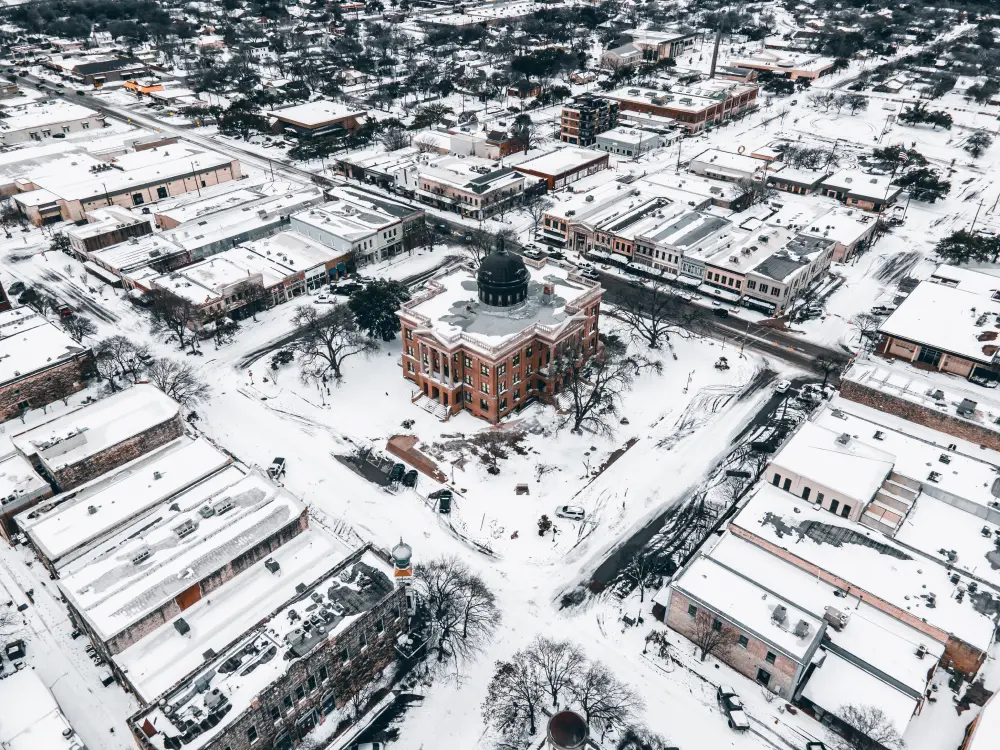
North Texas: Moving south into North Texas, cities like Dallas and Fort Worth see snow less frequently than the Panhandle, perhaps once or twice a winter. When it does fall, it’s often a lighter dusting, though significant storms are not unheard of. The sight of the Dallas skyline or the historic Stockyards of Fort Worth under a layer of snow is a coveted view for locals and visitors alike.
-
West Texas: Beyond the Panhandle, West Texas’s unique geography, particularly its mountainous regions, can also see snowfall. El Paso, situated in the Chihuahuan Desert, experiences occasional light snow, especially in higher elevations. Further east, the Davis Mountains and the Guadalupe Mountains National Park (home to Texas’s highest peak) are much more prone to significant snow accumulations, offering stunning photographic opportunities in a rugged, remote setting.
-
Central and South Texas: For cities like Austin, San Antonio, and especially those along the Gulf Coast such as Houston and Corpus Christi, snow is a truly rare occurrence. A light dusting might happen once every few years, and substantial snow is a generational event, creating immense excitement and novelty.
Chasing the Texas Snow Dream: Travel and Tourism Strategies
For the adventurous traveler, chasing the possibility of snow in Texas offers a unique kind of winter travel experience. It’s less about guaranteed powder and more about the thrill of the chase, the beauty of the unexpected, and the opportunity to witness a familiar state in an entirely different light.
Planning Your Winter Getaway with Flexibility
A trip to Texas with the hope of seeing snow requires a flexible mindset. Unlike a ski trip where snow is the primary objective and typically assured, a Texas winter journey should be designed to be rewarding whether or not the snowflakes descend. Plan your itinerary around other appealing winter activities and attractions that are available regardless of the weather. This approach ensures your trip remains enjoyable, with a potential snowfall serving as a magical bonus rather than a make-or-break element.
Consider targeting regions with higher snowfall probabilities, like the Panhandle or West [Texas](https://lifeoutofthebox.com/texas] mountains, if snow is a major draw. However, be prepared for potentially adverse driving conditions if a storm does hit. For urban adventures, focusing on Dallas or Fort Worth provides a good balance of potential snow and a wealth of indoor attractions.
Where to Stay: Cozy Accommodations for a Snowy Surprise
Accommodation choices play a crucial role in enhancing a winter trip to Texas, especially if snow is on the horizon. The goal is to find comfortable, inviting spaces that can serve as a warm refuge if the weather turns chilly, or offer a picturesque view if snow falls.
-
Urban Boutique Hotels and Luxury Resorts: In cities like Dallas, Fort Worth, or even Austin, many upscale hotels offer amenities perfect for a winter stay. Look for properties with inviting lobbies, fireplaces, fine dining options, and perhaps even indoor pools or spas. A room with a panoramic city view can become a stunning vantage point if the cityscape gets dusted with snow. Consider a stay at a boutique hotel in the Dallas Arts District for unparalleled cultural access.
-
Rustic Cabins and Vacation Rentals: For those venturing into the more remote, snow-prone areas like the Davis Mountains or near Palo Duro Canyon State Park, a cozy cabin or a well-equipped vacation rental can provide an authentic and comfortable experience. Look for properties with fireplaces, full kitchens for preparing warm meals, and scenic views that become even more magical under a blanket of snow. Airbnb and VRBO offer numerous options that cater to different budgets and preferences.
-
Historic Bed and Breakfasts: In many Texas towns, charming bed and breakfasts offer a more personal and intimate lodging experience. These often feature period architecture, antique furnishings, and a warm, hospitable atmosphere, perfect for a cozy winter retreat.
When booking, check cancellation policies and consider travel insurance, especially if your primary motivation is weather-dependent.
Activities and Attractions in a Winter Wonderland (or Not)
Having a diverse range of activities planned is crucial for a rewarding Texas winter trip.
-
If Snow Falls:
- Photography: Capture the ephemeral beauty of snow on saguaro cacti, historic architecture, or wide-open plains.
- Scenic Drives: Explore snow-dusted landscapes, carefully checking road conditions.
- Outdoor Play: Engage in impromptu snowball fights, build a snowman, or simply enjoy a quiet walk in a transformed landscape.
- Cozy Indoors: Enjoy hot cocoa by a fireplace, read a book, or simply watch the flakes fall from the comfort of your accommodation.
-
If No Snow (the more likely scenario):
- Museums and Galleries: Texas boasts world-class museums, from the Dallas Arts District with its renowned institutions to the Space Center Houston and the Alamo in San Antonio.
- Culinary Tours: Indulge in Texas BBQ, Tex-Mex, and diverse urban dining scenes. Winter is an excellent time to savor hearty, warming meals.
- Shopping: Explore vibrant shopping districts, from Houston’s Galleria to unique boutiques in Austin’s South Congress Avenue.
- Live Music: Austin, the “Live Music Capital of the World,” offers abundant indoor venues to enjoy local and national acts.
- Historical Sites: Visit iconic landmarks and historical sites that are often less crowded in winter, allowing for a more immersive experience.
Lifestyle and Local Culture: Embracing Texas’s Unique Winter Vibe
The unique culture of Texas truly shines when winter arrives, especially if snow decides to make an appearance. It’s a blend of resilience, good humor, and a deep appreciation for nature’s rare gifts.
The Local Reaction to Snow: A Collective Celebration
When snow falls in Texas, it’s rarely just another day. For many, especially in the central and southern parts of the state, it’s an event that sparks a collective sense of wonder and excitement. Schools close, businesses might open late, and families flock outdoors to experience the fleeting novelty. Social media lights up with photos and videos of snow-covered cacti, children making snow angels, and even adults rediscovering their inner child with impromptu snowball fights. There’s a joyful, almost celebratory atmosphere that pervades the community, a shared experience of something special and unexpected. This local reaction itself becomes an integral part of the visitor’s experience, offering a glimpse into the heart of Texas culture.
Culinary Delights to Warm the Soul
Winter in Texas, particularly if snow is involved, is the perfect excuse to indulge in the state’s hearty and comforting culinary traditions.
- Texas BBQ: Nothing warms you from the inside out quite like slow-smoked brisket, ribs, or sausage from a renowned Texas BBQ joint. Many places offer indoor seating, creating a cozy ambiance amidst the smoky aromas.
- Chili: A bowl of authentic Texas chili, robust and flavorful (and traditionally without beans), is a staple winter comfort food.
- Tex-Mex: Enchiladas, fajitas, and hearty bowls of tortilla soup provide warmth and flavor.
- Warm Beverages: Enjoy a freshly brewed coffee from a local roaster, a craft beer from one of Texas’s burgeoning breweries, or a glass of Texas wine.
Embracing the local food scene is an essential part of any Texas trip, and winter offers an ideal setting to savor its most comforting offerings.
Capturing the Magic: Photography and Memories
A snowy Texas offers truly unique photographic opportunities. From saguaro cacti dusted with white in West Texas to the iconic Tower of the Americas in San Antonio standing against a snowy backdrop, these are scenes rarely witnessed. Be sure to have your camera ready to capture these ephemeral moments. Beyond photos, the memories of a snowy Texas trip will be stories you tell for years to come – a testament to a truly extraordinary travel experience.
Practical Tips for a Winter Trip to Texas
While the allure of snow in Texas is undeniable, practical preparations ensure a smooth and enjoyable trip, regardless of the weather.
What to Pack
Even without snow, winter temperatures in Texas can fluctuate dramatically within a single day, ranging from chilly mornings to mild afternoons. Layering is key.
- Warm Layers: Include sweaters, fleeces, and a warm, waterproof jacket.
- Comfortable Footwear: Opt for waterproof boots, especially if you plan to be outdoors, even if it’s just for slushy sidewalks.
- Accessories: Don’t forget a hat, gloves, and a scarf, particularly for the Panhandle or mountainous regions where cold can be biting.
- Backup Attire: Always pack clothes for milder weather too, as a cold snap can quickly give way to sunny, 60-degree days.
Transportation Considerations
If snow or ice is in the forecast, transportation can become a challenge. Texas infrastructure, especially in the southern regions, is not typically equipped to handle significant winter weather.
- Road Conditions: Monitor local weather and road conditions closely through official state highway department websites (e.g., DriveTexas). Icy roads, particularly on bridges and overpasses, can be extremely hazardous.
- Rental Cars: If renting a car, consider one with all-wheel drive if you plan to venture into potentially snowy areas, but be aware that many rental companies do not allow tire chains.
- Flights: Winter storms can cause flight delays or cancellations, so build some flexibility into your travel schedule.
- Public Transport: Major cities like Dallas, Houston, and Austin have limited public transportation, which may also be affected by severe weather.

Booking Smart: Flexibility is Key
Given the unpredictable nature of Texas winter weather, smart booking practices are essential.
- Flexible Bookings: Choose flights and accommodations with generous cancellation or change policies.
- Travel Insurance: Consider purchasing travel insurance that covers weather-related disruptions, especially if you’re traveling during the peak winter months.
- Monitor Forecasts: Keep an eye on weather forecasts as your travel date approaches, allowing you to make informed decisions and adjust plans if necessary.
In conclusion, “When will it snow in Texas?” is a question that embodies the unique and often surprising character of the Lone Star State. It’s a land of contrasts, where the unexpected snowfall transforms familiar landscapes into a rare, breathtaking spectacle. While not a guaranteed winter wonderland like some northern destinations, a winter trip to Texas offers the thrilling possibility of witnessing this magical event, alongside a wealth of other captivating experiences. From exploring vibrant cities and indulging in comforting cuisine to embracing the warm hospitality of its people, a Texas winter trip promises adventure, discovery, and the unforgettable memory of a land where snow, however rare, can make an appearance and steal the show. It’s a journey for the patient, the flexible, and those who appreciate the beauty of the unexpected, making it a truly rewarding and unique travel destination.
LifeOutOfTheBox is a participant in the Amazon Services LLC Associates Program, an affiliate advertising program designed to provide a means for sites to earn advertising fees by advertising and linking to Amazon.com. Amazon, the Amazon logo, AmazonSupply, and the AmazonSupply logo are trademarks of Amazon.com, Inc. or its affiliates. As an Amazon Associate we earn affiliate commissions from qualifying purchases.