
Embarking on an adventure to the Golden State promises a tapestry of experiences, from the sun-drenched beaches of Southern California to the majestic forests of the North Coast and the iconic urban landscapes of San Francisco and Los Angeles. Whether you’re planning a luxurious extended stay, considering a permanent move to embrace the California lifestyle, or simply aiming to explore its world-renowned landmarks and attractions, securing a California Identification Card (ID) can significantly streamline your journey. More than just a piece of plastic, a California ID serves as your official gateway to navigating the state’s vibrant culture, accessing essential services, and enjoying a seamless experience, whether you’re checking into a chic boutique hotel in Beverly Hills or savoring a farm-to-table meal in Napa Valley. This comprehensive guide will walk you through the process, connecting the practicalities of obtaining your ID with the boundless possibilities it unlocks for your California exploration.
The Essential Role of a California ID in Your Golden State Journey
For travelers, new residents, or those planning a long-term sojourn in the Golden State, a California ID offers far more than just identification. It’s a tool that enhances convenience, smooths interactions, and provides peace of mind across various facets of your stay, from checking into luxurious resorts to enjoying California’s vibrant tourism scene. While a passport might suffice for international visitors for basic identification, a state-issued ID is often preferred, if not required, for numerous domestic interactions and helps solidify your temporary or permanent presence within the state.
Beyond Identification: Enhancing Your California Experience
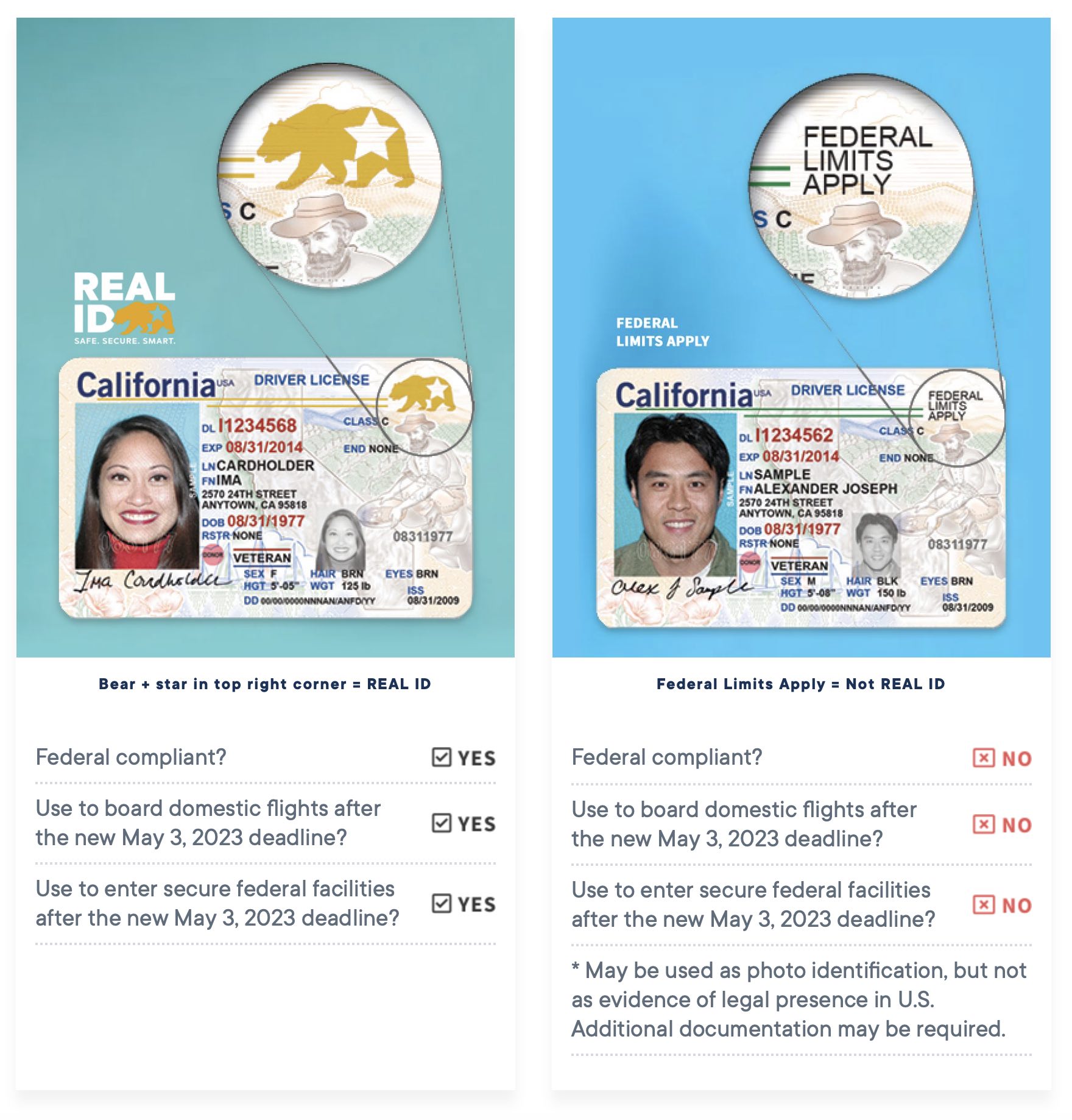
Imagine renting a car to cruise down Pacific Coast Highway, checking into a stunning suite overlooking San Diego Bay, or perhaps simply verifying your age to enjoy a sophisticated evening at a Los Angeles rooftop bar. In all these scenarios, a California ID proves invaluable. For domestic flights, it meets TSA REAL ID requirements, simplifying airport security checks. For accommodation, hotels, from the iconic Waldorf Astoria Beverly Hills to charming boutique inns in Carmel-by-the-Sea, routinely ask for a valid state ID upon check-in to confirm your reservation and identity, ensuring a smooth start to your stay.
Beyond travel and accommodation, a California ID is crucial for countless daily activities that define the California lifestyle. It facilitates opening bank accounts, signing up for local services, receiving mail, and even accessing medical care if you’re establishing temporary or permanent residency. For those seeking to immerse themselves in California’s rich culinary landscape, from wine tastings in Sonoma to craft beer explorations in San Francisco, a valid ID is essential for age verification. Even visits to certain landmarks or attractions, particularly those with age restrictions or requiring identity checks for security, become hassle-free. From the thrill of Universal Studios Hollywood to the cultural richness of The Getty Center, your California ID makes your access effortless. This card isn’t merely a document; it’s a key to unlock the full potential of your California experience, whether your focus is on leisure, exploration, or establishing a new home base.
Navigating the Application Process: Step-by-Step
Obtaining a California ID involves a structured process managed by the California Department of Motor Vehicles (DMV). While it requires careful attention to detail and preparation, understanding each step can significantly reduce stress and ensure a smooth application. The goal is to prove your identity, residency, and legal presence in the United States. This methodical approach will prevent common pitfalls and allow you to quickly acquire your ID, getting you closer to enjoying all that California has to offer.
Gathering Your Core Documents
The cornerstone of a successful California ID application is having all the necessary documents in order. The DMV is stringent about verification, so it’s crucial to present original documents or certified copies where specified. Photocopies are generally not accepted. Start collecting these well in advance of your appointment to avoid last-minute rushes.
-
Proof of Identity: This is perhaps the most critical component. For U.S. citizens, an unexpired U.S. passport or a certified copy of your birth certificate is typically sufficient. For non-U.S. citizens, acceptable documents include an unexpired foreign passport with a valid U.S. visa and I-94 form, a Permanent Resident Card (Green Card), or an Employment Authorization Document (EAD card). These documents establish who you are and your legal right to be in the United States.
-
Proof of Residency: To obtain a California ID, you must demonstrate that you are a resident of California. The DMV generally requires two different documents to prove your current residential address. These can include utility bills (gas, electric, water, cell phone), rental or lease agreements, mortgage statements, bank statements, or even a school document for students. For those staying at hotels or resorts for an extended period, specific documentation from the establishment might be accepted, but it’s best to verify this with the DMV directly or look into alternative proofs such as official mail addressed to you at a California address. The address on these documents must match the address you provide on your application.
-
Proof of Social Security Number (SSN): If you have been issued an SSN, you must provide proof of it. This can be your Social Security card, a W-2 form, a pay stub with your SSN displayed, or a 1099 form. If you are not eligible for an SSN (e.g., certain non-U.S. citizens), you will need to complete a DMV form (e.g., DL 933) affirming that you are not eligible. It’s important to understand the specific requirements based on your immigration status.
-
Other Supporting Documents: Depending on your situation, additional documents might be required. For example, if your name has changed due to marriage or court order, you’ll need to provide original marriage certificates or court documents. This ensures consistency across all your identification.
The DMV Appointment and In-Person Visit
Once you’ve meticulously gathered all your documents, the next step is to initiate the application process with the DMV.
-
Complete the Online Application: The DMV strongly encourages applicants to start the process online by completing an electronic application form (DL 44). This pre-fills much of your information, saving time at the office. You can access this form on the official California DMV website. It’s a straightforward process that guides you through entering personal details.
-
Schedule an Appointment: Due to high demand, walk-in services at the DMV can involve extensive wait times, sometimes hours. It is highly recommended to schedule an appointment online or by phone. Choosing a less busy day or time, like mid-week mornings, can also contribute to a smoother experience. When scheduling, select a DMV office that is convenient for you, perhaps near your accommodation in San Jose or your extended stay apartment in Orange County.
-
The In-Person Visit: On the day of your appointment, arrive punctually with all your original documents, your completed online application confirmation number, and the required fee. The current fee for a California ID is typically around $39, but it’s always wise to check the DMV website for the most up-to-date pricing. At the DMV office, you will:
- Check-in: Present your appointment confirmation.
- Document Review: A DMV representative will carefully review all your documents. Ensure they are organized and readily accessible.
- Fingerprinting: Your thumbprint will be taken digitally.
- Photo: A photo will be taken for your ID card. It’s advisable to look presentable, as this photo will represent you for the next few years.
- Signature: You will provide a digital signature.
- Payment: Pay the application fee.
Upon successful completion of these steps, you will be issued a temporary California ID card, usually a paper document. Your official, permanent ID card will then be mailed to your provided California address, typically within two to four weeks. The temporary ID is valid for identification purposes during this waiting period, allowing you to continue enjoying your California adventures without interruption.
Important Considerations and Tips for a Smooth Process
While the general steps for obtaining a California ID are universal, certain nuances and proactive measures can further streamline your experience. Understanding these additional details, especially for non-U.S. citizens or those new to the state, ensures you’re fully prepared for any specific requirements.
Specifics for Non-U.S. Citizens and New Residents
For international visitors on extended stays, individuals relocating from another country, or those transitioning to long-term residency in California, the process has a few additional considerations.
- Legal Presence: Your ability to obtain a California ID hinges on demonstrating legal presence in the United States. This is typically proven through an unexpired foreign passport, a valid U.S. visa (such as a B1/B2 tourist visa for certain extended stays, or an E, H, L, O, P, or Q visa for work/exchange visitors), and your I-94 Arrival/Departure Record. Ensure all these documents are current and accurately reflect your status. The DMV will verify your legal presence with federal databases, which can sometimes take a few days, so patience is key.
- Proof of Residency Challenges: If you’ve just arrived in California and are staying in temporary accommodation like a hotel or short-term rental, obtaining the required two proofs of residency can be tricky.
- Hotel Stays: Some DMV offices may accept a letter from your hotel on official letterhead, confirming your stay and duration, especially for long-term guests at establishments like the Hyatt Regency San Francisco or a Marriott Hotel. However, this is not universally guaranteed, and you should contact the DMV directly beforehand.
- Alternative Proofs: Consider opening a local bank account or getting a local phone plan, as statements from these can serve as proof of residency. If you are starting employment, pay stubs with your California address are also excellent evidence.
- Social Security Number (SSN) Eligibility: Non-U.S. citizens might not be eligible for an SSN depending on their visa type and work authorization. If this applies to you, you will complete a “DL 933, Refusal to Provide SSN” form at the DMV, affirming your ineligibility. This is a standard procedure and does not prevent you from obtaining an ID card.
For new residents moving from another U.S. state, the process is generally similar to that of a U.S. citizen, but you’ll need to establish California residency with appropriate documents. This could include utility bills from your new residence, a California lease agreement, or registration of a vehicle in California. The transition is designed to be straightforward, recognizing that you already possess federal identification like a state ID or driver’s license from your previous state.
Beyond the Initial Application: Renewal and Replacement
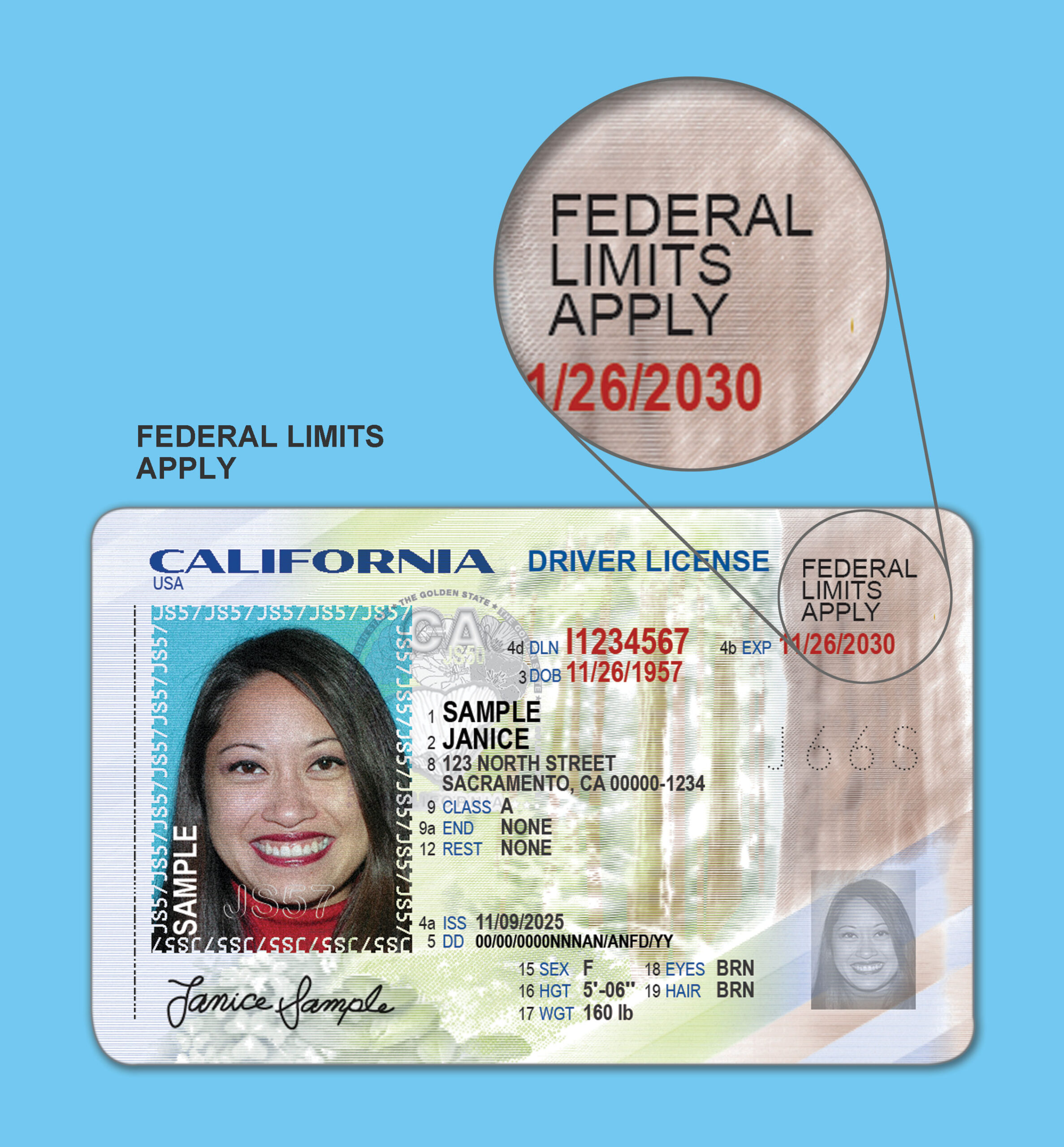
Your California ID card typically has a validity period, often five years. It’s crucial to keep track of its expiration date to ensure continuous, uninterrupted identification.
- Renewal Process: The DMV will usually send you a renewal notice via mail several months before your ID expires. Renewals can often be completed online, by mail, or in person, depending on your eligibility and any changes to your information. Online renewal is the most convenient method for most people, allowing you to maintain your valid ID without another trip to a DMV office.
- Replacement of Lost or Stolen ID: Losing your ID, especially when traveling or enjoying the California lifestyle, can be a significant inconvenience. If your California ID is lost, stolen, or damaged, you can apply for a replacement. This usually requires completing a new application form, providing your identity verification, and paying a replacement fee. While some DMV transactions can be initiated online, replacing a lost or stolen ID often requires an in-person visit, particularly if a new photo or fingerprint is needed. It’s wise to report a stolen ID to local law enforcement, especially if you are in tourist-heavy areas like Hollywood or Santa Monica, to document the incident and protect against identity theft.
- Change of Address: If you move within California, you must notify the DMV of your new address within 10 days. This can often be done online or by mail and is essential for receiving important communications, including renewal notices, at your correct address. While your physical card won’t immediately reflect the new address, the change is recorded in the DMV system. You can then request a new ID card with the updated address if you wish.
By understanding these specifics and planning ahead, you can ensure a smooth and efficient process for obtaining and maintaining your California ID. This essential document will serve as your reliable companion, making your California journey, from travel and tourism to long-term accommodation and lifestyle integration, as enjoyable and stress-free as possible. From exploring the historical wonders of Alcatraz Island to soaking in the natural beauty of Yosemite National Park, your California ID is a fundamental part of accessing these unforgettable experiences.
LifeOutOfTheBox is a participant in the Amazon Services LLC Associates Program, an affiliate advertising program designed to provide a means for sites to earn advertising fees by advertising and linking to Amazon.com. Amazon, the Amazon logo, AmazonSupply, and the AmazonSupply logo are trademarks of Amazon.com, Inc. or its affiliates. As an Amazon Associate we earn affiliate commissions from qualifying purchases.