
The question of Puerto Rico’s statehood is not a new one; it’s a persistent, complex, and deeply rooted issue that has been debated for decades, shaping the island’s political landscape and influencing the experiences of its residents and visitors alike. As a U.S. territory, Puerto Rico occupies a unique and often debated position in the American federation. While its citizens hold U.S. citizenship, they lack full voting representation in Congress and cannot vote in presidential elections, creating a persistent feeling of political disenfranchisement. This status significantly impacts various aspects of life on the island, from its economy and infrastructure to the very identity of its people. Understanding the intricacies of this statehood debate is crucial for anyone interested in Puerto Rico as a travel destination, a place of cultural significance, or a region with a rich historical tapestry.
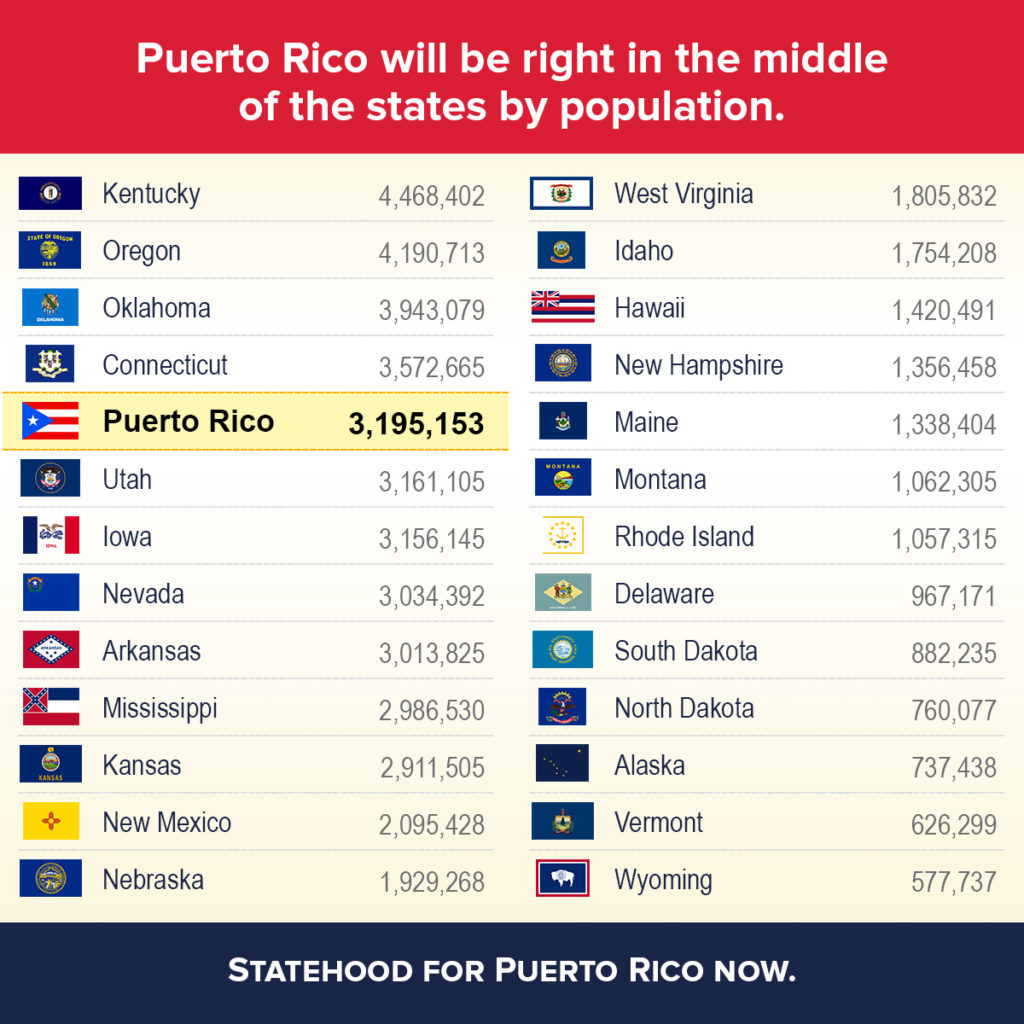
The debate over statehood is fueled by diverse perspectives, economic considerations, and a yearning for equality. Proponents argue that statehood would grant Puerto Rico full political rights and federal funding parity, fostering economic growth and stability. Opponents, however, raise concerns about potential changes to culture, increased taxes, and the island’s unique identity. The path to statehood, should it ever occur, is fraught with political hurdles, requiring acts of Congress and potentially a referendum among the Puerto Rican people. This ongoing discussion colors everything from how Puerto Ricans perceive their relationship with the mainland United States to how visitors experience the island’s vibrant culture and stunning landscapes.
The Historical Roots of Puerto Rico’s Political Status
To comprehend the present-day statehood debate, one must delve into the historical context of Puerto Rico’s relationship with the United States. Following the Spanish-American War in 1898, Puerto Rico was ceded by Spain to the U.S. under the Treaty of Paris. Initially, it was governed as a military possession, and over time, its political status has evolved through various legislative acts, none of which have granted it full statehood.
From Military Rule to Commonwealth Status
The early years of U.S. rule were marked by military governance, followed by the passage of the Foraker Act in 1900, which established a civilian government but maintained significant U.S. control. A pivotal moment arrived in 1917 with the Jones-Shafroth Act, which granted Puerto Ricans U.S. statutory citizenship. This act, while a significant development, did not grant full constitutional rights or the same level of autonomy enjoyed by states. The concept of a “commonwealth” emerged later, solidified by Public Law 600 in 1950 and the subsequent ratification of a constitution in 1952, establishing the current Commonwealth status. This status grants Puerto Rico a degree of self-governance but leaves its ultimate authority with the U.S. Congress.
The Shifting Tides of Referendums and Political Will
Throughout the latter half of the 20th century and into the 21st, Puerto Rico has held several non-binding referendums on its political status. These votes have revealed a deeply divided populace, with varying levels of support for statehood, independence, or maintaining the current commonwealth status. The results of these referendums have often been contentious, with different political parties and segments of the population interpreting the outcomes in ways that favor their respective agendas. The lack of a clear and unified mandate from the Puerto Rican people, coupled with the political complexities in Washington D.C., has made significant progress toward statehood elusive. The island’s economic challenges, particularly in the wake of natural disasters and the debt crisis, have intensified the urgency of the statehood discussion for many.
The Arguments For and Against Statehood
The debate surrounding Puerto Rico’s potential statehood is multifaceted, with compelling arguments presented by both proponents and opponents. These arguments touch upon economic, political, social, and cultural dimensions, reflecting the diverse aspirations and concerns of the island’s residents and the broader U.S. political landscape.
The Economic Imperative: Promises and Perils
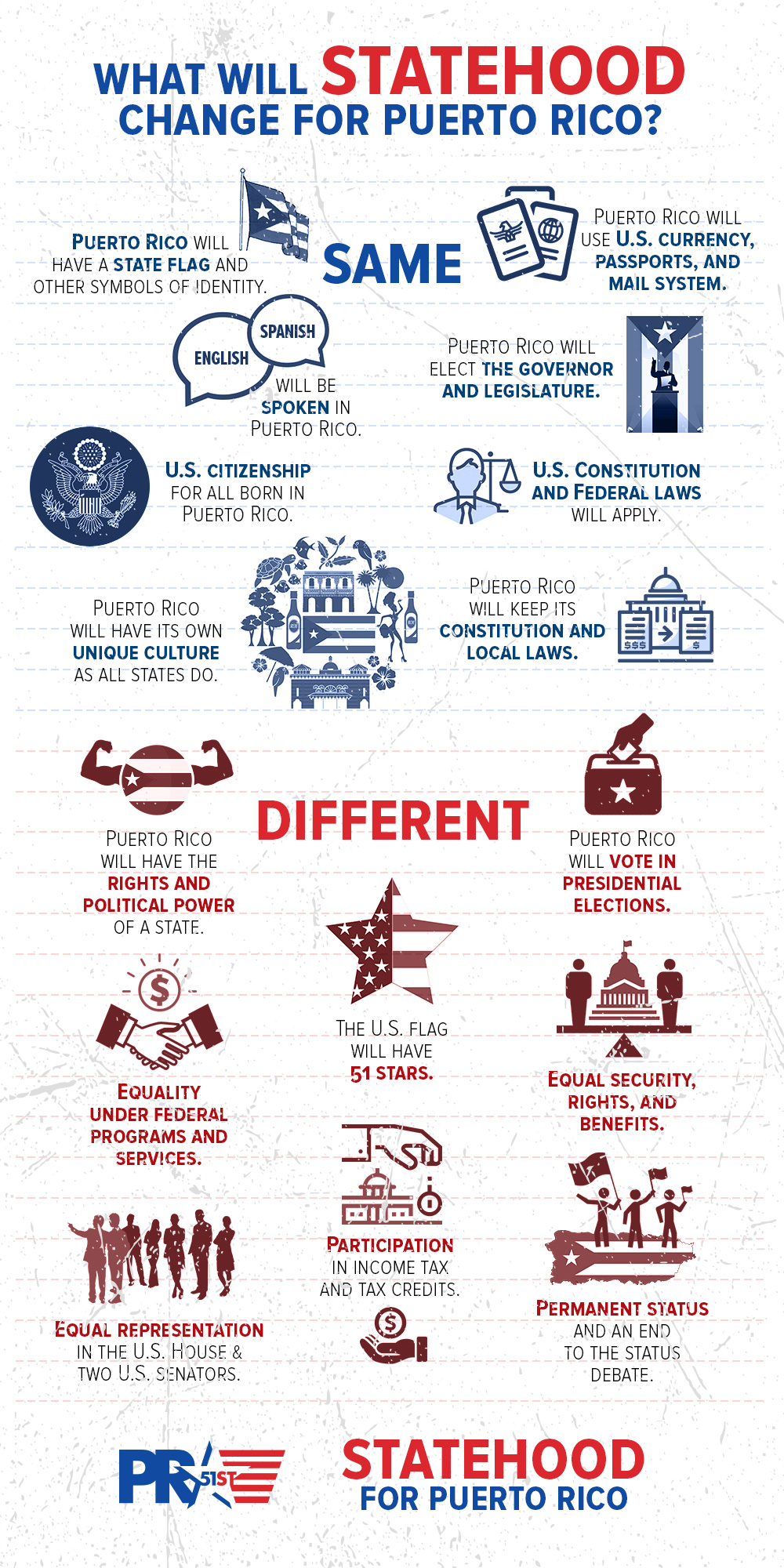
Proponents of statehood often highlight the potential economic benefits. They argue that statehood would lead to equal treatment in federal funding, particularly for programs like Medicaid and Medicare, which currently receive less federal support than in the states. This increased funding could bolster the healthcare system and provide much-needed economic stimulus. Furthermore, statehood would likely eliminate the discriminatory application of certain federal tax laws and could attract greater investment due to perceived stability and full integration into the U.S. economic system. For businesses operating in Puerto Rico, statehood could simplify regulatory environments and open up new markets.
However, opponents raise significant economic concerns. A primary worry is the potential imposition of federal income taxes on individuals and corporations, which could significantly increase the cost of living and doing business on the island. While statehood would bring more federal dollars, the net economic impact is a subject of intense debate. Critics also point out that Puerto Rico’s unique cultural identity and lower labor costs have been attractive to some businesses and that statehood might erode these advantages. The transition itself could be disruptive, and the long-term economic consequences remain uncertain, with some predicting economic hardship rather than prosperity.
Political Equality and Representation: A Matter of Rights
At the heart of the statehood movement is the principle of political equality. Puerto Ricans are U.S. citizens, yet they are denied full voting representation in the U.S. Congress and the right to vote for the U.S. President. Proponents argue that this is a fundamental injustice and that statehood is the only way to rectify this democratic deficit. They believe that becoming a state would grant Puerto Rico the same rights and responsibilities as other states, allowing its elected representatives to vote on legislation and influence national policy. This would empower Puerto Ricans to have a direct say in the laws that govern them and the leadership that shapes their nation.
Conversely, arguments against statehood often emphasize the potential loss of Puerto Rico’s distinct cultural heritage and identity. Many Puerto Ricans value their unique language, traditions, and history, which they fear could be diluted or overshadowed by assimilation into the mainstream American culture. There are concerns that statehood might lead to a decline in the use of the Spanish language and a shift away from Puerto Rican customs. Some also argue that Puerto Rico has thrived as a distinct entity and that its current commonwealth status, despite its limitations, offers a unique balance that allows for self-governance while preserving its identity. The specter of increased federal intervention and the erosion of local autonomy is a significant concern for those who oppose statehood.
The Practicalities and Future of Statehood
The journey toward statehood for Puerto Rico is not merely a political aspiration; it involves navigating complex legislative processes and overcoming significant logistical and symbolic challenges. The outcome of this endeavor will undoubtedly have profound implications for the island’s future and its relationship with the United States.
The Congressional Hurdle and Presidential Approval
For Puerto Rico to become a state, an act of Congress is required. This means that both the House of Representatives and the Senate must pass legislation enabling statehood, which then requires the President’s signature. Given the current political climate and the diverse opinions within both major U.S. political parties, securing the necessary votes in Congress is a formidable challenge. Even if a bill were to pass, the President would need to support it. The process involves extensive lobbying, negotiation, and consensus-building, often a lengthy and arduous undertaking. The U.S. Congress has the ultimate authority to admit new states, and Puerto Rico cannot unilaterally declare statehood.
The Path Forward: Referendums and Continued Dialogue
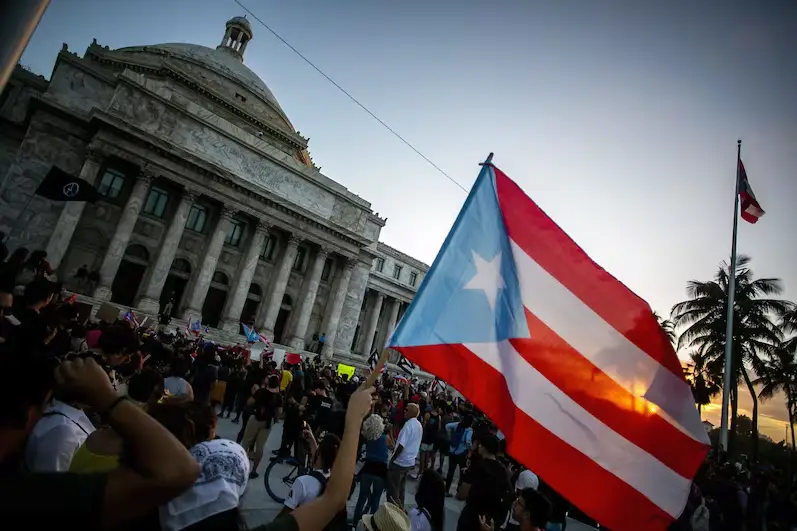
Looking ahead, the future of Puerto Rico’s political status remains uncertain. While statehood is a prominent option, other possibilities, such as enhanced commonwealth status or even independence, continue to be discussed by various factions. The island’s residents will likely continue to engage in political discourse and potentially hold further referendums to express their collective will. The U.S. government’s response to these expressions of self-determination will be critical. Ultimately, any decision regarding Puerto Rico’s statehood will be a monumental one, shaping its identity, economy, and its place within the global community for generations to come. The rich culture, stunning natural beauty, and resilient spirit of Puerto Rico will undoubtedly continue to captivate visitors and residents, regardless of its ultimate political destination. From the historic streets of Old San Juan to the lush rainforests of El Yunque National Forest, and from luxurious resorts to charming boutique hotels, Puerto Rico offers a diverse range of experiences that draw people to its shores. The ongoing conversations about its political future are an integral part of its evolving narrative.
LifeOutOfTheBox is a participant in the Amazon Services LLC Associates Program, an affiliate advertising program designed to provide a means for sites to earn advertising fees by advertising and linking to Amazon.com. Amazon, the Amazon logo, AmazonSupply, and the AmazonSupply logo are trademarks of Amazon.com, Inc. or its affiliates. As an Amazon Associate we earn affiliate commissions from qualifying purchases.