
Florida, often dubbed the Sunshine State, is a perennial magnet for travelers drawn to its pristine beaches, vibrant cities, and world-class attractions. From the magical realm of Walt Disney World Resort in Orlando to the art deco splendor of Miami and the historic charm of St. Augustine Historic District, Florida offers an unparalleled tapestry of experiences. However, a crucial aspect of planning a trip to this beloved destination, especially during certain times of the year, involves understanding its hurricane season. The question, “When will the hurricane hit Florida?” isn’t one with a simple, definitive answer, but rather one that necessitates a deep dive into meteorological patterns, preparedness strategies, and the resilience of a state that expertly balances tourism with safety.
For any traveler considering Florida travel, grasping the nuances of hurricane season is paramount. It’s not about fear, but about informed decision-making and ensuring a safe, enjoyable, and uninterrupted journey. This guide aims to equip you with the knowledge needed to navigate potential weather challenges, offering insights into travel planning, accommodation choices, and embracing Florida’s enduring appeal, regardless of the season.
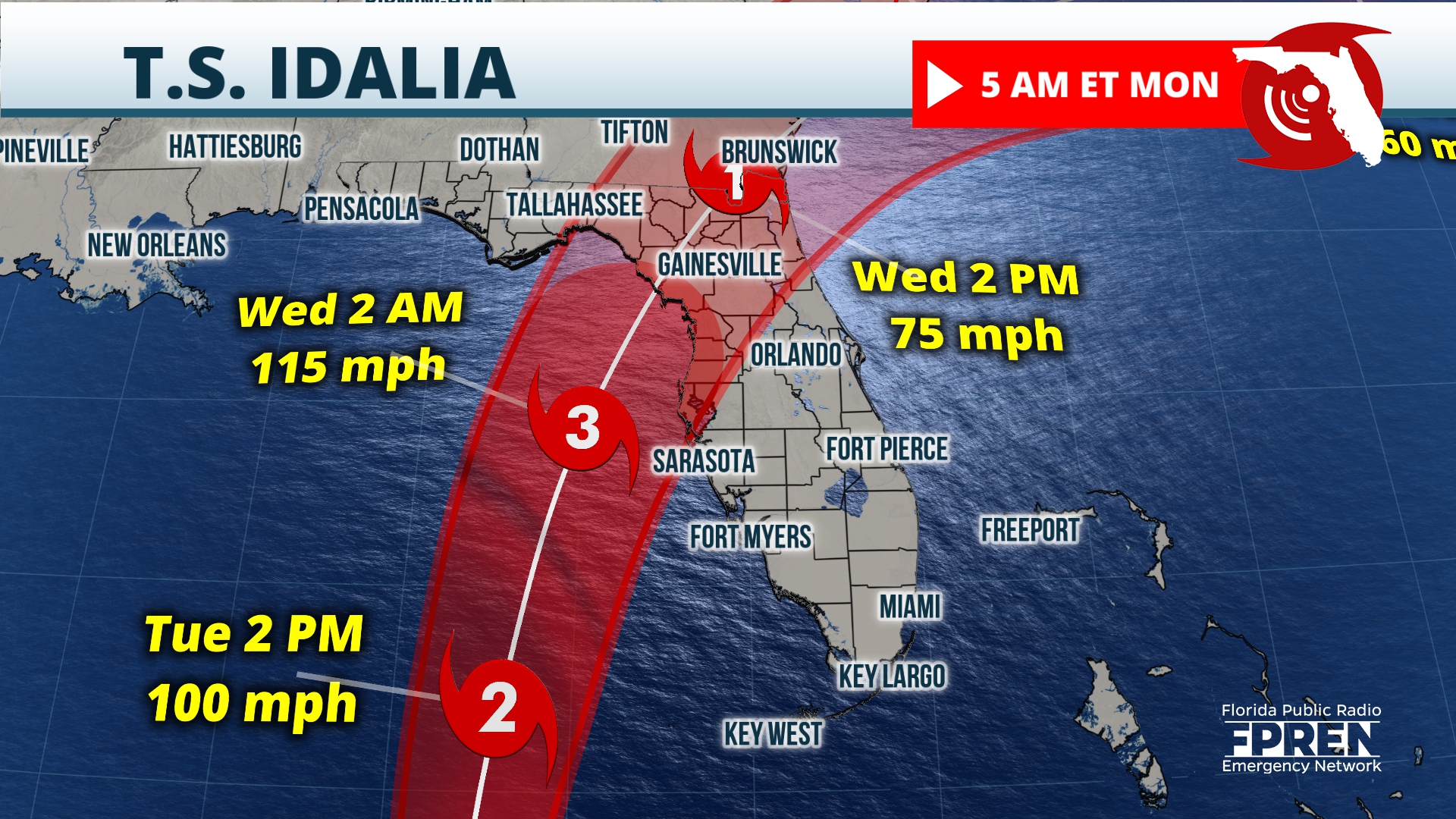
Understanding Florida’s Hurricane Season: Timing and Impact on Travel
Hurricane season in the Atlantic Ocean and Gulf of Mexico, which directly impacts Florida, officially runs from June 1st to November 30th each year. While storms can occur outside this window, this six-month period accounts for the vast majority of tropical cyclone activity. It’s important to note that a “season” doesn’t mean constant storms; rather, it’s a heightened period of vigilance and potential activity.
Historically, the peak of the season typically falls between mid-August and late October. This is when ocean waters are warmest, providing the necessary energy for tropical depressions to intensify into tropical storms and, potentially, hurricanes. During these months, the chance of a named storm forming and potentially impacting Florida increases.
For tourists, this timing directly overlaps with popular travel periods. Many families plan summer vacations to Florida’s theme parks or coastal resorts, and the fall often brings pleasant weather ideal for exploring the Everglades National Park, the Florida Keys, or enjoying events in cities like Tampa and Fort Lauderdale. Understanding this overlap is the first step in smart travel planning.
What Does “Hurricane Season” Really Mean for Your Florida Trip?
It’s a common misconception that hurricane season means constant danger or that every trip during these months will be disrupted. In reality, most of Florida’s hurricane season passes without a direct hit from a major storm. The vast majority of days are sunny and beautiful, offering the perfect backdrop for exploring destinations like Sarasota’s beaches or St. Petersburg‘s vibrant arts scene.
However, the possibility of a storm does mean that travelers need to be prepared for contingencies. This includes monitoring weather forecasts, understanding cancellation policies, and considering travel insurance. It also means that even if a hurricane doesn’t directly hit your specific destination, its path elsewhere in the Caribbean or United States could affect flights or cruise itineraries.
The impact on tourism is naturally a key concern. Hoteliers, attraction operators, and local businesses in Florida are highly experienced in hurricane preparedness and response. Many resorts and hotels, from luxury properties to budget-friendly apartments, have robust emergency plans in place, designed to ensure guest safety and minimize disruption. They often offer flexible booking options or special advisories during the season, making it crucial for travelers to inquire about these policies when planning their accommodation.

Smart Travel Planning and Accommodation During Hurricane Season
Planning a trip to Florida during hurricane season doesn’t have to be a gamble. With a few proactive steps, you can ensure a smooth and worry-free experience, allowing you to focus on the adventures that await, whether it’s riding rollercoasters at Universal Orlando Resort or lounging on South Beach.
Investing in Travel Insurance and Flexible Bookings
One of the most important considerations for travel during hurricane season is comprehensive travel insurance. Policies can cover trip cancellations, delays, medical emergencies, and even evacuation costs if a named storm threatens your destination. When purchasing, carefully read the fine print regarding “Acts of God” and hurricane-related coverage, ensuring it aligns with your specific needs. Some policies require purchase before a storm is named to be valid for that specific event.
Beyond insurance, prioritize flexible booking options for flights, hotels, and other major attractions. Many airlines and accommodation providers, especially those accustomed to Florida’s climate, offer waivers or free changes if a hurricane watch or warning is issued for your area. Look for hotels with lenient cancellation policies, particularly if you’re booking well in advance. Consider staying at resorts or hotels known for their robust emergency preparedness and communication systems, such as properties under major brands like Marriott, Hilton, or Hyatt, which often have standardized protocols.

Monitoring Weather Forecasts and Official Advisories
Staying informed is key. Before and during your trip, make it a habit to regularly check reliable weather sources such as the National Hurricane Center (NHC) and local weather advisories for Florida. These sources provide accurate, up-to-date information on developing systems, their projected paths, and potential impacts. Many destinations, like Key West or Naples, have local emergency management agencies that provide specific guidance for residents and visitors.
Pay attention to official alerts like “hurricane watch” (conditions are possible within 48 hours) and “hurricane warning” (conditions are expected within 36 hours). If a watch or warning is issued for your travel destination, heed all instructions from local authorities, including any evacuation orders. This information will be crucial for making decisions about your travel plans and ensuring your safety.
Navigating a Potential Hurricane: Safety and Post-Storm Considerations
While preparation is key, understanding what to do if a hurricane approaches during your trip is equally vital. Florida’s robust emergency management infrastructure and the experience of its tourism sector mean that visitors are rarely left without guidance.
During the Storm: Prioritizing Safety and Accommodation
If a hurricane is projected to impact your destination, your primary focus should be safety.
- Evacuation: If an evacuation order is issued for your area, leave immediately. Authorities will provide designated evacuation routes and potentially offer shelter information. Do not delay; traffic can become congested quickly.
- Sheltering in Place: If you are advised to shelter in place (e.g., in a sturdy hotel or designated public shelter), follow all instructions from staff or officials. Many hotels, especially those designed to withstand strong winds, have internal safe areas, generators, and emergency supplies. Verify with your accommodation provider about their specific hurricane plan upon check-in.
- Emergency Kit: Even when staying at a hotel, having a small personal emergency kit is advisable. This includes medications, a first-aid kit, copies of important documents, a power bank for electronics, and non-perishable snacks.
- Communication: Keep your mobile phone charged and consider a weather radio. Stay in contact with family and friends to let them know you are safe.
Accommodation providers, from boutique hotels to large resorts like a Ritz-Carlton property, play a critical role during a storm. They often have dedicated staff to assist guests, secure the property, and provide information. Your booking, whether it’s a short-term villa rental or a standard hotel suite, should come with clear guidance on what to expect.
Post-Hurricane Travel and Recovery
After a hurricane passes, the recovery process begins. For travelers, this means several considerations:
- Damage Assessment: Roads might be closed, power outages could be widespread, and some attractions or businesses may be temporarily shut down. Do not attempt to return to damaged areas prematurely.
- Communication: Cell service and internet might be disrupted. Be patient and understand that recovery takes time.
- Rebooking/Extending Stays: If your original departure is impacted, work with your airline and hotel to rebook or extend your stay if necessary. Travel insurance can be invaluable here.
- Community Support: Remember that local communities, from Jacksonville to Pensacola, will be focusing on recovery. Be respectful, patient, and understand that services may be limited. If you wish to help, consider donating to reputable relief organizations.
While a hurricane can bring temporary disruption, Florida’s tourism infrastructure is incredibly resilient. Communities and businesses often bounce back quickly, demonstrating the state’s determination to welcome visitors year-round.
Florida’s Enduring Appeal: Beyond the Forecast
Despite the annual hurricane season, Florida remains one of the world’s premier travel destinations. Its appeal lies not just in its sun-drenched landscapes and iconic landmarks, but also in the vibrant lifestyle, rich culture, and the warm hospitality of its people. The possibility of a hurricane, while a serious consideration, should not deter travelers from experiencing the magic that Florida has to offer.
The state is a diverse tapestry of experiences: from the thrilling rides at Busch Gardens Tampa Bay to the serene beauty of Dry Tortugas National Park; from the cutting-edge space exploration history at Kennedy Space Center Visitor Complex to the lively street scenes of Gainesville or the vibrant nightlife of Daytona Beach. Each region offers unique attractions, delicious local cuisine, and memorable activities that cater to every type of traveler, whether it’s luxury travel or budget-friendly family trips.
Moreover, the tourism industry in Florida is highly attuned to guest needs during challenging weather events. Many destinations use advanced warning systems and communicate directly with visitors through their websites, social media, and direct messaging services. Hotels and resorts are often built to stringent building codes, offering a high level of safety and comfort even in adverse conditions. They understand that a seamless, safe, and enjoyable experience is crucial for repeat visitors and positive reviews.
Ultimately, the question “When will the hurricane hit Florida?” remains unpredictable in terms of specific timing and location. However, by understanding the season, preparing diligently, utilizing smart travel strategies like insurance and flexible bookings, and staying informed through official channels, you can confidently plan your next Florida adventure. The Sunshine State’s allure is undeniable, and with the right approach, it continues to promise unforgettable experiences, rain or shine.
LifeOutOfTheBox is a participant in the Amazon Services LLC Associates Program, an affiliate advertising program designed to provide a means for sites to earn advertising fees by advertising and linking to Amazon.com. Amazon, the Amazon logo, AmazonSupply, and the AmazonSupply logo are trademarks of Amazon.com, Inc. or its affiliates. As an Amazon Associate we earn affiliate commissions from qualifying purchases.