
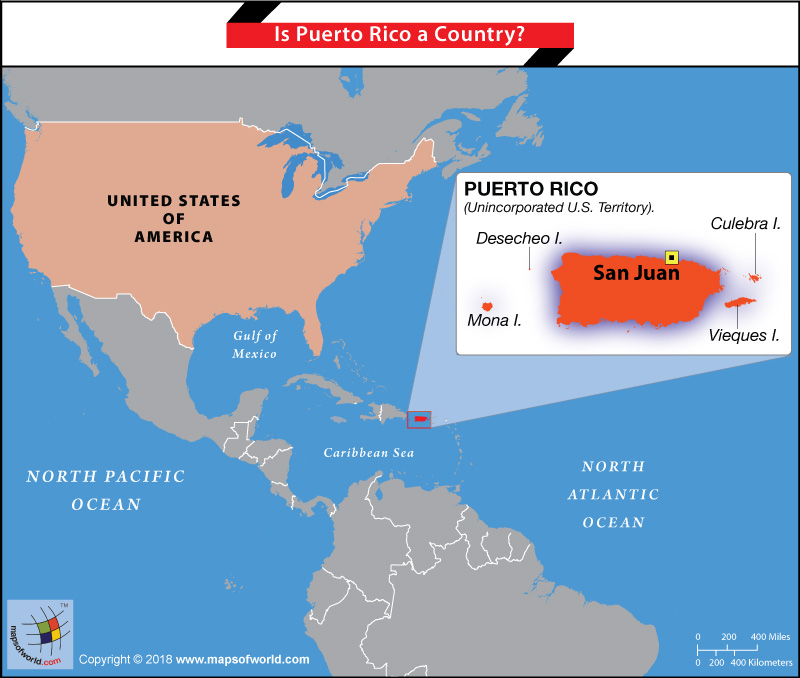
For many, the question “Where is Puerto Rico in the United States?” might seem straightforward, yet it often carries layers of geographical, political, and cultural nuances that are fascinating to explore. Often misunderstood, Puerto Rico is much more than just a dot on the map; it’s a vibrant, unincorporated territory of the United States, offering a distinct Caribbean charm coupled with the familiarity of American infrastructure and currency. This unique status makes it an extraordinarily appealing travel destination, blending exotic allure with surprising accessibility for mainland US citizens.
From a travel perspective, understanding Puerto Rico’s place within the US framework unlocks a world of possibilities. It means no passport is required for US citizens, the currency is the US dollar, and English is widely spoken alongside its official language, Spanish. This incredible ease of access removes common barriers to international travel, inviting visitors to delve into a rich tapestry of history, breathtaking natural beauty, and a lively culture without the usual hurdles. Whether you’re seeking sun-drenched beaches, exhilarating adventures, or a deep dive into historical landmarks, Puerto Rico presents an unparalleled blend of convenience and exoticism.

Unraveling Puerto Rico’s Unique Position
To truly appreciate Puerto Rico as a destination, it’s essential to understand its foundational identity – both geographically and politically. This dual nature is what crafts its distinctive character and makes it such a compelling place for exploration and relaxation.
A Jewel of the Caribbean Sea
Geographically, Puerto Rico is situated strategically in the northeastern Caribbean Sea, approximately 1,000 miles southeast of Miami, Florida. It’s the easternmost and smallest of the Greater Antilles, an archipelago that also includes Cuba, Hispaniola (home to Haiti and the Dominican Republic), and Jamaica. Bordered by the Atlantic Ocean to the north and the Caribbean Sea to the south, its location blesses it with a tropical maritime climate, characterized by warm temperatures year-round and lush, verdant landscapes.
The main island of Puerto Rico is surrounded by several smaller islands, the most notable being Vieques and Culebra, both renowned for their pristine beaches and unspoiled natural beauty. This archipelago is a biodiversity hotspot, boasting diverse ecosystems ranging from rainforests and dry forests to extensive coral reefs. Its volcanic origins have shaped a dramatic landscape of mountains, coastal plains, and fertile valleys, all contributing to its breathtaking scenic variety. For travelers, this means a compact destination where stunning beaches, towering peaks, and vibrant urban centers are all within relatively easy reach, making it perfect for diverse travel itineraries.
The Unincorporated Territory Status Explained
The political status of Puerto Rico is unique and crucial to understanding its relationship with the United States. It is an unincorporated territory, often referred to as a commonwealth, meaning it is subject to the authority of the US Congress, but is not a part of any US state nor a sovereign nation itself. This designation dates back to 1898 when Puerto Rico was ceded to the United States by Spain after the Spanish-American War.
Key aspects of this relationship include:
- Citizenship: All people born in Puerto Rico are natural-born US citizens, granting them the right to freely travel, live, and work anywhere in the United States.
- Currency: The official currency is the US dollar, simplifying transactions for American visitors and residents.
- Language: Both Spanish and English are official languages. While Spanish is more prevalent in daily life, English is widely understood, especially in tourist areas and among younger generations.
- Government: Puerto Rico has its own constitution and a republican form of government, with a governor and a bicameral legislative assembly. However, federal laws of the United States apply.
- Representation: Puerto Ricans do not have voting representation in the US Congress and cannot vote in US presidential elections (unless they reside in one of the 50 states). They do, however, elect a Resident Commissioner who advocates for their interests in Congress and has a voice, but not a vote, on the House floor.
- Legal System: The legal system is a blend of the American common law system and the Spanish civil law system, with a local Puerto Rico Supreme Court and appeals to the US Supreme Court.
This unique political arrangement has significant implications for tourism. It means visitors from the mainland US can experience a distinct culture and tropical environment without the complexities of international travel. There are no customs declarations upon arrival or departure from the US, offering a seamless travel experience that is more akin to domestic travel than a trip abroad. This combination of accessibility and cultural richness is a major draw for the millions who choose Puerto Rico as their next adventure.
Discovering the Enchantment of Puerto Rico
Beyond its political and geographical standing, Puerto Rico truly shines as a destination offering an incredibly diverse range of experiences. From vibrant city life and historical grandeur to unparalleled natural wonders and a rich cultural fabric, the island caters to every type of traveler.
San Juan: A Blend of Old and New
The capital city, San Juan, serves as the primary gateway to Puerto Rico and is a vibrant hub of activity. Its most iconic district, Old San Juan, is a UNESCO World Heritage site and a true marvel of colonial architecture. Walking through its cobblestone streets, flanked by brightly colored buildings and charming balconies, feels like stepping back in time. Here, visitors can explore:
- Castillo San Felipe del Morro: An imposing 16th-century fortress that proudly guards the entrance to the San Juan Bay, offering panoramic views of the Atlantic Ocean and a deep dive into military history.
- La Fortaleza: The official residence of the Governor of Puerto Rico, also a UNESCO site and the oldest executive mansion in continuous use in the Western Hemisphere.
- Museums and Galleries: Old San Juan is home to numerous museums detailing the island’s art, history, and culture.
- Culinary Scene: From upscale dining to casual eateries, the district is a paradise for foodies, offering traditional Puerto Rican cuisine (comida criolla) and international flavors.
Beyond Old San Juan, the modern districts of Condado and Isla Verde pulse with contemporary energy. These areas boast luxurious resorts like the Condado Vanderbilt Hotel and Fairmont El San Juan Hotel, high-end shopping, bustling nightlife, and beautiful urban beaches, providing a stark yet harmonious contrast to the old-world charm. For those seeking vibrant nightlife and local culture, a visit to La Placita de Santurce on a Friday or Saturday night is an essential experience, transforming from a traditional marketplace by day into a lively street party.
Nature’s Masterpieces and Outdoor Adventures
Puerto Rico’s natural landscape is nothing short of spectacular, offering a playground for adventurers and nature lovers alike:
- El Yunque National Forest: The only tropical rainforest in the US National Forest System, El Yunque is a lush paradise of towering trees, waterfalls, and unique wildlife, including the iconic coqui frog. Hiking trails cater to all levels, leading to refreshing natural pools and breathtaking viewpoints.
- Bioluminescent Bays: Puerto Rico is home to three of the world’s five bioluminescent bays: Mosquito Bay in Vieques (considered the brightest), Laguna Grande in Fajardo, and La Parguera in the southwest. Kayaking through these glowing waters at night is a surreal and unforgettable experience.
- Pristine Beaches: The island boasts an array of world-class beaches. Flamenco Beach on Culebra consistently ranks among the best globally, known for its soft white sand and crystal-clear turquoise waters. Other popular options include Luquillo Beach with its calm waters, and the surfing haven of Rincón on the west coast.
- Cave Systems: For subterranean exploration, the Camuy River Cave Park offers a glimpse into one of the largest cave systems in the world, with impressive stalactites and stalagmites.
- Adventure Parks: Thrill-seekers can head to places like Toro Verde Adventure Park, home to some of the longest zip lines in the world.
From snorkeling and diving among vibrant coral reefs to hiking through cloud forests and surfing epic waves, Puerto Rico’s natural attractions offer endless opportunities for adventure and connection with nature.
A Rich Tapestry of Culture and Cuisine
Puerto Rican culture is a vibrant fusion of Taíno, African, and Spanish influences, creating a unique identity that expresses itself passionately through music, art, and festivals.
- Music and Dance: Music is the soul of Puerto Rico, with genres like salsa, bomba, and plena dominating the airwaves and dance floors. Live music can be found in almost every town, from sophisticated jazz clubs in San Juan to impromptu street performances.
- Art and History: The island is dotted with museums and galleries showcasing both historical artifacts and contemporary art. Beyond San Juan, cities like Ponce, known as the “Pearl of the South,” offer architectural gems like Parque de Bombas and the Museum of Art of Ponce.
- Festivals: Throughout the year, numerous festivals celebrate everything from patron saints to specific crops like coffee or plantains. These events are a fantastic way to experience local traditions, music, food, and community spirit.
- Cuisine: Puerto Rican food is a highlight for many visitors. Staples include mofongo (fried plantains mashed with garlic and pork cracklings), lechón (roasted suckling pig), arroz con gandules (rice with pigeon peas), and bacalaitos (codfish fritters). The island also boasts a thriving coffee culture and a wide array of tropical fruits. Food tours are popular, allowing visitors to sample local delicacies and learn about their origins. The culinary landscape ranges from roadside kiosks (chinchorros) offering authentic, affordable fare to world-class fine dining establishments.
The warmth and hospitality of the Puerto Rican people (boricuas) add an invaluable dimension to any visit, making travelers feel welcomed and integrated into the local way of life.
Planning Your Unforgettable Puerto Rican Escape
Preparing for a trip to Puerto Rico is relatively straightforward, especially for US citizens. However, a few key considerations can enhance your travel experience, from seamless logistics to choosing the perfect accommodation.
Seamless Travel for US Citizens
One of the most significant advantages for travelers from the contiguous United States is the ease of entry and travel within Puerto Rico.
- No Passport Required: As an unincorporated territory, US citizens do not need a passport to enter or exit Puerto Rico. A valid government-issued ID, such as a driver’s license, is sufficient for air travel. This eliminates a common hurdle for many international trips, making spontaneous getaways much more feasible.
- Currency and Banking: The US dollar is the official currency, meaning no currency exchange is needed, and all major credit cards are widely accepted. ATMs are readily available throughout the island.
- Language and Communication: While Spanish is the dominant language, English is widely spoken in tourist areas, hotels, and major cities like San Juan. Learning a few basic Spanish phrases, however, can greatly enrich your interactions with locals and is always appreciated.
- Flights: Direct flights are available from many major US cities to Luis Muñoz Marín International Airport (SJU) in San Juan, making it easily accessible.
This domestic-like travel environment means you can focus more on planning your itinerary and less on bureaucratic requirements, paving the way for a stress-free vacation.
Accommodation for Every Traveler
Puerto Rico offers a comprehensive range of accommodation options to suit every budget, travel style, and preference:
- Luxury Resorts: For those seeking indulgence, areas like Dorado, Rio Grande, and Condado boast world-class resorts with private beaches, championship golf courses, and opulent spas. Examples include Dorado Beach, a Ritz-Carlton Reserve and El Conquistador Resort. These offer comprehensive amenities, gourmet dining, and often access to exclusive experiences like private island excursions to places like Palomino Island.
- Boutique Hotels: In Old San Juan and other charming towns, boutique hotels offer a more intimate and personalized experience, often housed in historical buildings with unique architectural details. The Serafina Beach Hotel in Condado provides a stylish, modern boutique stay.
- Vacation Rentals (Villas & Apartments): Platforms like Airbnb and VRBO are popular, offering everything from beachfront villas in Rincón to cozy apartments in San Juan. These are ideal for families, groups, or those seeking a more authentic local living experience and often come with full kitchens and more space.
- Budget-Friendly Options: Guesthouses, hostels, and smaller hotels provide affordable alternatives without sacrificing comfort or convenience, particularly in areas like Luquillo, Aguadilla, and parts of Ponce.
- Business Stays: San Juan also caters to business travelers with modern hotels featuring conference facilities, such as those around the Puerto Rico Convention Center.
When booking, consider the specific amenities you desire – whether it’s direct beach access, a pool, family-friendly activities, or proximity to nightlife. Booking in advance, especially during peak season (December to May), is highly recommended to secure the best rates and availability. Reviews and comparison sites can be invaluable tools for finding the perfect match for your travel needs.
Navigating the Island and Local Insights
Getting around Puerto Rico is generally easy, though a rental car is recommended for exploring beyond San Juan.
- Transportation: In San Juan, taxis, ride-sharing apps (Uber, Lyft), and public buses are available. For island-wide exploration, renting a car offers the most flexibility, allowing you to venture to remote beaches, mountains, and smaller towns at your own pace. Driving is on the right side of the road, similar to the mainland US. Ferries are available for trips to Vieques and Culebra.
- Best Time to Visit: The dry season, from December to May, offers pleasant temperatures and lower humidity, making it ideal for outdoor activities. The wet season, from June to November, can bring more rain and is also hurricane season, though severe weather is not a daily occurrence.
- Safety: Puerto Rico is generally safe for tourists, especially in well-trafficked areas. As with any travel destination, it’s wise to take standard precautions: be aware of your surroundings, avoid displaying expensive items, and exercise caution at night, especially in unfamiliar areas.
- Local Tips: Embrace the relaxed pace of life; “island time” is real. Try local eateries (chinchorros) for authentic flavors. Don’t be afraid to practice your Spanish, even if it’s just a few words – locals appreciate the effort. Tipping customs are similar to the mainland United States for services.
In conclusion, Puerto Rico stands as a vibrant, accessible, and deeply enriching destination within the broader context of the United States. Its unique status as an unincorporated territory provides a convenient bridge for US travelers to explore an exotic Caribbean landscape filled with captivating history, diverse natural wonders, and a warm, inviting culture. From the historic cobblestone streets of Old San Juan to the mystical glow of its bioluminescent bays and the lush trails of El Yunque National Forest, the island offers an unparalleled array of experiences. Whether you seek adventure, relaxation, cultural immersion, or simply a convenient tropical escape, Puerto Rico delivers an unforgettable journey, making it a truly distinct jewel in the American travel crown.
LifeOutOfTheBox is a participant in the Amazon Services LLC Associates Program, an affiliate advertising program designed to provide a means for sites to earn advertising fees by advertising and linking to Amazon.com. Amazon, the Amazon logo, AmazonSupply, and the AmazonSupply logo are trademarks of Amazon.com, Inc. or its affiliates. As an Amazon Associate we earn affiliate commissions from qualifying purchases.