
For anyone planning a trip to the Golden State, from first-time visitors to seasoned travelers, understanding the nuances of local time is more than just a matter of setting your watch. It’s about seamless planning, maximizing experiences, and avoiding unnecessary confusion. California, a land of diverse landscapes, iconic landmarks, and vibrant cities like San Francisco, Los Angeles, and San Diego, currently observes Daylight Saving Time (DST). This means that twice a year, clocks across the state shift, impacting everything from flight schedules to dinner reservations and even the magical golden hour for photography at destinations like the Golden Gate Bridge or the beaches of Santa Monica Pier.

The question “When will time change in California?” is not just a query about a date on the calendar; it delves into the heart of travel logistics, local lifestyle, and even ongoing legislative debates. While the traditional “spring forward” and “fall back” rhythm has been a fixture for decades, California has been at the forefront of discussions regarding whether to abolish DST altogether. For now, the practice continues, and being prepared is key to a flawless California adventure. This comprehensive guide will navigate the intricacies of time changes in California, offering invaluable insights for travelers, exploring the history, current status, and potential future of DST in this captivating state, all while highlighting how to make the most of your travel experience.
The Enduring Rhythm of Daylight Saving Time in California
Like most of the United States, with the notable exceptions of Arizona and Hawaii, California adheres to the practice of Daylight Saving Time. This means that residents and visitors alike adjust their clocks twice annually, aligning with the broader federal mandate. The specific dates for these changes are not static but follow a predictable pattern:
- Spring Forward: Clocks “spring forward” by one hour on the second Sunday in March. This shift typically occurs at 2:00 AM Pacific Standard Time (PST), immediately transitioning to 3:00 AM Pacific Daylight Time (PDT). This change marks the beginning of longer daylight hours in the evenings, a boon for those looking to enjoy California’s outdoor attractions well into the evening. Imagine strolling along the Venice Beach boardwalk or hiking in Yosemite National Park with an extra hour of natural light!
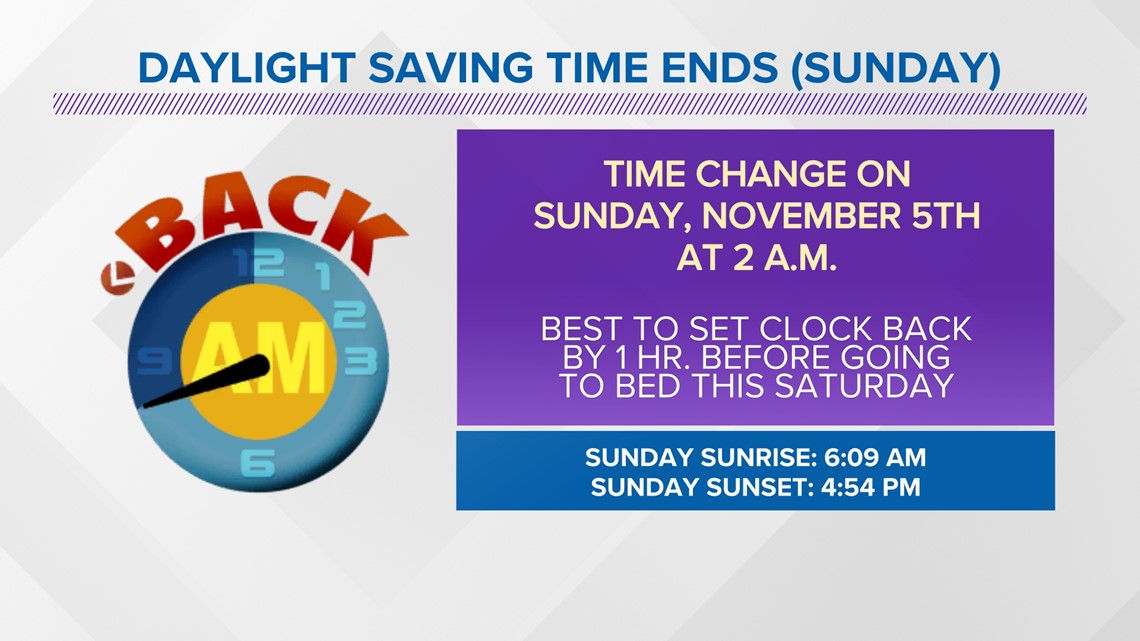
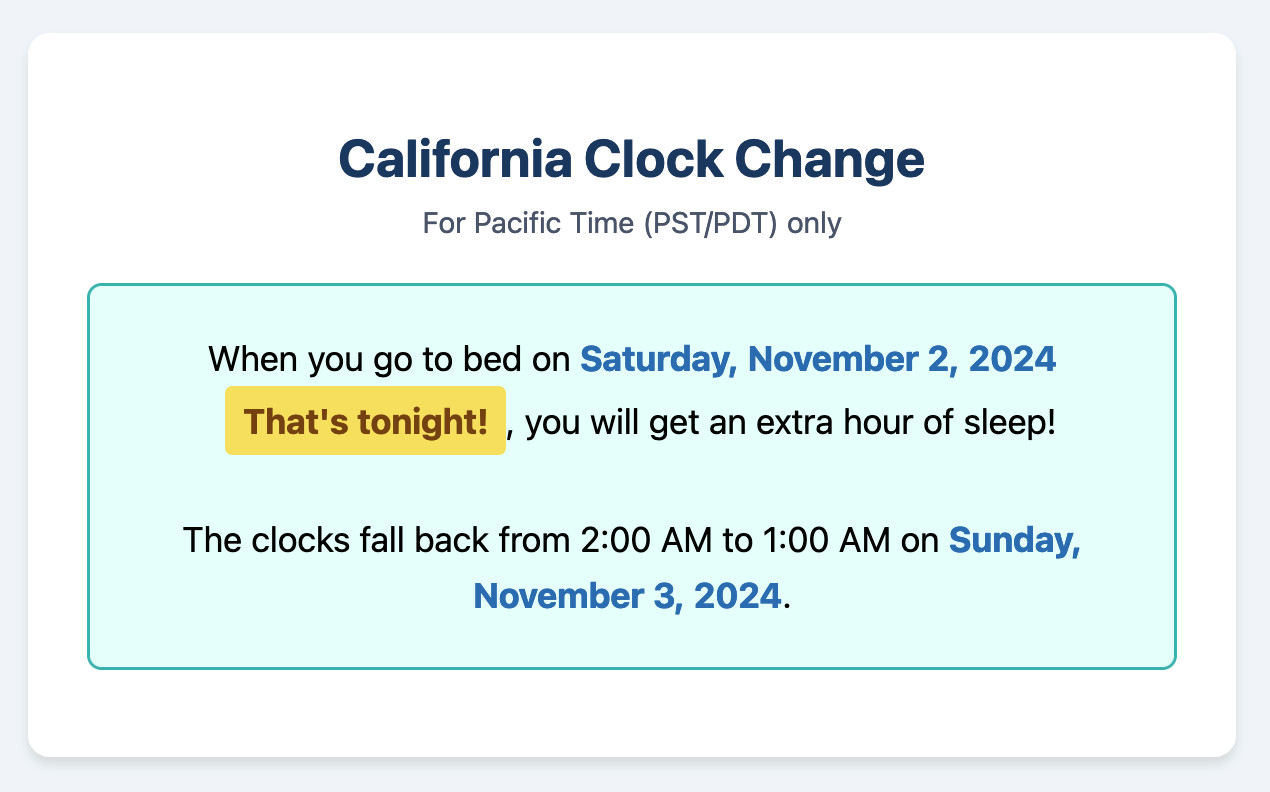
- Fall Back: Clocks “fall back” by one hour on the first Sunday in November. Again, the change happens at 2:00 AM PDT, reverting to 1:00 AM PST. This transition brings earlier sunrises and sunsets, signaling the approach of winter. While it means less daylight in the evening, many appreciate the “extra” hour of sleep on this particular Sunday. For early risers keen on catching the sunrise over the desert landscapes of Palm Springs or enjoying a tranquil morning in Napa Valley, this shift can be quite beneficial.
These consistent dates allow for advanced planning, which is crucial for travelers booking flights, scheduling tours, or reserving accommodation. While modern smartphones and digital devices automatically adjust, analogue clocks, hotel alarm clocks, and even car clocks often require manual adjustment. Failing to account for these changes can lead to missed flights, delayed appointments, or simply arriving at an attraction an hour too early or too late. For a state that thrives on tourism, such details are paramount.
A Brief History of Time Shifts in the Golden State
The concept of Daylight Saving Time is not new to California. Its roots in the United States trace back to the early 20th century, primarily as a wartime measure. The Standard Time Act of 1918 first introduced DST to conserve resources during World War I, though it was largely repealed soon after. It made a comeback during World War II, but it wasn’t until the Uniform Time Act of 1966 that DST became a federally mandated, nationwide practice, establishing the consistent start and end dates we largely recognize today.
California, always an independent spirit, has a particularly interesting relationship with DST. Over the decades, there have been various attempts to modify or repeal it within the state. Most recently, in 2018, California voters overwhelmingly passed Proposition 7. This proposition granted the state legislature the power to change DST by a two-thirds vote, potentially allowing California to adopt permanent Daylight Saving Time or permanent Standard Time. However, passing a proposition is one thing; enacting the subsequent legislation is another. The path forward has proven complex, involving federal approvals and careful consideration of economic and social impacts. This ongoing debate highlights the deep divisions and strong opinions surrounding DST, from its perceived energy-saving benefits to its potential health impacts. For now, the traditional “spring forward” and “fall back” remain the status quo, making it imperative for travelers to remain aware of these bi-annual shifts.
Navigating Time Changes as a Traveler in California
For those exploring California, a state rich in destinations ranging from the bustling avenues of Hollywood to the serene shores of Lake Tahoe, understanding how time changes impact your journey is crucial for a smooth and enjoyable experience. The shift to or from Daylight Saving Time can seem minor, but its ripple effects can touch every aspect of a trip, from the moment you land to your departure.
Seamless Transitions: Flights, Hotels, and Attractions
One of the primary concerns for travelers during time change weekends is transportation. Flights are typically scheduled according to the local time at both departure and arrival points. While airlines are generally meticulous about updating their systems, a traveler who forgets to adjust their personal clock might miss a connection or arrive at the airport an hour too late. Always confirm flight times with your airline in the days leading up to and on the day of travel, especially if your journey coincides with a DST transition. International travelers arriving from Europe, Asia, or Australia already contend with significant jet lag; an unexpected time shift upon arrival can add another layer of disorientation.
When it comes to hotels and accommodation, most modern establishments will update their systems automatically, and wake-up calls will reflect the correct time. However, it’s always wise to double-check. A traveler staying at the luxurious Beverly Wilshire Hotel in Beverly Hills wouldn’t want to miss a scheduled spa treatment or a reservation at a Michelin-starred restaurant due to a clock discrepancy. Similarly, check-in and check-out times will adhere to the newly adjusted local time. If you have an early morning flight on the day of “fall back,” that extra hour of sleep could be a welcome buffer. Conversely, if you’re “springing forward” and have an early flight, be mindful of losing an hour of precious sleep or preparation time.
California’s myriad attractions also operate on local time. Disneyland in Anaheim, for instance, will adjust its opening and closing hours to reflect the new time. A family planning to be at the gates right when they open might find themselves an hour off if they haven’t synchronized their watches. The same applies to tour timings for the Hollywood Sign or wine tastings in Sonoma County. Always consult the official websites or your booking confirmations for the most accurate schedules, particularly during time change weekends. These small proactive steps ensure that your itinerary remains on track and your travel experiences are as smooth as silk.
Maximizing Your Itinerary and Enjoying California’s Lifestyle
The impact of Daylight Saving Time extends beyond mere logistics, influencing the very lifestyle and rhythm of a Californian visit. The “spring forward” gives an extra hour of daylight in the evening, which is incredibly valuable for tourism. Imagine finishing a business meeting in San Francisco and still having ample daylight to explore Fisherman’s Wharf or enjoy an al fresco dinner. For families visiting Universal Studios Hollywood, that extra evening light means more time to enjoy rides and shows without feeling rushed. This extended daylight is often cited as a benefit for retail, outdoor activities, and leisure industries, allowing travelers to pack more into their day.
Conversely, the “fall back” brings earlier sunsets. While it shortens evening daylight, it can create beautiful photographic opportunities with earlier “golden hour” lighting for those capturing the majestic redwoods of Muir Woods or the dramatic coastline of Big Sur. It also means that evenings start earlier, which can be perfect for cozy dinners, enjoying California’s vibrant nightlife, or settling into your resort for some relaxation.
For travelers, the key is awareness. Utilize the technology at your disposal – most smartphones automatically adjust for DST. If you’re traveling from a region that doesn’t observe DST, or if you’re simply prone to forgetting, set reminders. Inform your travel companions, especially children, about the change. By staying informed, you can fully embrace California’s unique offerings, whether it’s enjoying an evening stroll in Balboa Park after the spring forward or an early morning surf session in Malibu after the fall back. The goal is to let these time shifts enhance your experience, not hinder it, allowing you to immerse yourself fully in the diverse experiences California has to offer.
California’s Future with Daylight Saving Time: Debates and Implications
The question of “When will time change in California?” is currently answered with the traditional “spring forward” and “fall back” dates. However, the future of Daylight Saving Time in the Golden State is far from settled, making it a topic of continuous discussion for both residents and prospective visitors. The legislative landscape around DST is dynamic, reflecting a broader national and even international debate about the practice.
The Ongoing Legislative Efforts
As mentioned, the passage of Proposition 7 in 2018 opened the door for the California Legislature to make changes to DST. This move was not an immediate abolition of DST but rather an authorization for lawmakers to potentially choose a different path. Since then, various legislative attempts have been made, most notably AB 7. This bill sought to keep California on permanent Pacific Daylight Time, effectively eliminating the need to “fall back” in November. The rationale behind such a move often includes arguments about public health (reducing sleep disruption), public safety (more daylight during evening commutes), and economic benefits (increased evening activity).
However, changing to permanent DST requires federal approval from the United States Congress, as federal law dictates that states can either observe DST or opt for permanent standard time, but not permanent DST. This federal hurdle has been a significant impediment. Other states, like Florida, have also passed legislation to move to permanent DST but remain in a holding pattern due to federal requirements. This complex interplay between state initiative and federal oversight means that even with strong public sentiment, the legislative process can be protracted and challenging. For travelers, this means the current system remains in place until further notice, and it’s important not to assume a change has occurred without official confirmation.
The Impact of Potential Changes on Travel and Lifestyle
Should California eventually shift to a permanent time setting—whether it’s permanent Pacific Daylight Time or permanent Pacific Standard Time—it would profoundly impact how travel and lifestyle are experienced in the state. If California were to adopt permanent DST, it would mean later sunrises in winter but consistently longer evenings year-round. This could be a boon for tourism, allowing visitors more daylight hours to enjoy attractions, dine al fresco, and engage in outdoor activities regardless of the season. Imagine a winter trip to San Diego with daylight extending to 6 or 7 PM, enabling more beach time or exploring the city’s vibrant neighborhoods.
Conversely, a move to permanent PST would mean earlier sunsets year-round. While it would offer consistent morning light, it would shorten the evenings, potentially shifting the rhythm of daily life and leisure activities. Businesses relying on evening foot traffic might see changes, and travelers would need to adjust their itineraries to accommodate earlier darkness. The decision is not merely about convenience; it touches upon energy consumption, safety, economic activity, and even sleep patterns. For now, the debate continues, and travelers to California should always plan based on the current system of “spring forward” and “fall back,” ensuring they remain flexible and informed about any potential future changes that could reshape their Californian adventure.
Beyond the Clock: Experiencing California Year-Round
While the bi-annual time change in California is a noteworthy detail for any traveler, it pales in comparison to the enduring appeal of the state itself. California offers an unparalleled spectrum of travel experiences that remain captivating regardless of whether the clocks have sprung forward or fallen back. From iconic landmarks to world-class accommodation and a vibrant lifestyle, the Golden State is a destination that consistently enchants.
Iconic Landmarks and Natural Wonders
California is a treasure trove of sights, each telling a story of history, natural beauty, or human ingenuity. In San Francisco, the majestic Golden Gate Bridge stands as a testament to engineering prowess, offering breathtaking views of the bay. Nearby, the historic island of Alcatraz captivates visitors with its storied past. Further south, Los Angeles beckons with the allure of Hollywood, where the famous Hollywood Sign overlooks a sprawling metropolis of dreams. Families flock to Disneyland in Anaheim for magical moments, while the sun-drenched beaches of Santa Monica Pier offer quintessential Californian charm.
Beyond the urban centers, California boasts an incredible array of natural destinations. Yosemite National Park is a UNESCO World Heritage site, famous for its towering granite cliffs, giant sequoias, and dramatic waterfalls. Lake Tahoe, straddling the border with Nevada, is a haven for outdoor enthusiasts, offering skiing in winter and hiking, boating, and swimming in summer. The rugged coastline of Big Sur, the ancient forests of Redwood National Park, and the stark beauty of Death Valley National Park each offer unique perspectives on the state’s diverse geography. These sites are stunning whether bathed in early morning light or illuminated by the prolonged sunsets of Daylight Saving Time.
Culinary Delights and Local Culture
California’s tourism appeal is not limited to its sights; its food scene and local culture are equally compelling. From farm-to-table restaurants in Napa Valley and Sonoma County to the diverse ethnic eateries of Los Angeles and the fresh seafood of San Diego, the state is a culinary paradise. Food festivals, farmers’ markets, and Michelin-starred dining experiences are available year-round, inviting travelers to savor the flavors of California.
The state’s lifestyle is equally dynamic, encompassing everything from luxury experiences in Beverly Hills to bohemian vibes in Venice Beach and innovative tech culture in Silicon Valley. Art galleries, live music venues, theaters, and museums thrive across the state, offering cultural enrichment for every taste. Whether you’re seeking a serene escape, an adventurous expedition, or a vibrant urban exploration, California’s cultural tapestry provides endless activities and experiences.
Accommodation Choices for Every Traveler
To fully enjoy these diverse offerings, finding the right accommodation is essential. California caters to every budget and preference, from opulent resorts and luxury suites to charming boutique hotels, family-friendly apartments, and rustic cabins in national parks. In Los Angeles, a stay at the Beverly Wilshire Hotel offers a taste of old Hollywood glamour, while San Francisco boasts historic hotels with panoramic bay views. For those seeking a quieter retreat, villas in Palm Springs or eco-lodges in the Redwood National Park area provide unique settings.
Many establishments offer amenities tailored to different types of travelers, from business centers for those on business stays to kids’ clubs for family trips. Websites for booking accommodation provide comprehensive reviews and comparison tools, allowing travelers to find the perfect fit for their needs, whether it’s a long-term stay or a quick weekend getaway. Regardless of the time on the clock, California’s hospitality industry is ready to welcome you, ensuring your stay is comfortable and memorable, allowing you to focus on the myriad wonders that await.
Conclusion
The question “When will time change in California?” is an annual reminder for residents and an important planning detail for any traveler embarking on a California adventure. While the state currently adheres to the bi-annual rhythm of Daylight Saving Time – “springing forward” in March and “falling back” in November – the ongoing legislative debates suggest that the future of this practice remains a dynamic conversation. For now, travelers should mark their calendars for these predictable shifts, ensuring their personal clocks, itineraries, and booking confirmations are aligned with the local time.
Beyond the temporal adjustments, California stands as an eternal beacon for travel and tourism. Its diverse landscapes, from the sun-kissed beaches of San Diego to the majestic peaks of Yosemite National Park and the vibrant urban pulse of Los Angeles, offer endless experiences. The state’s rich local culture, world-class culinary scene, and a spectrum of accommodation options – from luxury resorts to cozy apartments – ensure that every visitor finds their perfect slice of the Golden State lifestyle. So, whether you’re chasing the longer daylight hours of summer or embracing the cozy evenings of winter, remember that a little awareness about the clock can go a long way in making your California journey truly unforgettable. Plan wisely, explore enthusiastically, and let the timeless allure of California captivate your senses.
LifeOutOfTheBox is a participant in the Amazon Services LLC Associates Program, an affiliate advertising program designed to provide a means for sites to earn advertising fees by advertising and linking to Amazon.com. Amazon, the Amazon logo, AmazonSupply, and the AmazonSupply logo are trademarks of Amazon.com, Inc. or its affiliates. As an Amazon Associate we earn affiliate commissions from qualifying purchases.