
The arrival of a tropical storm is a significant event for any region, and for the vibrant state of Florida, it brings a unique set of considerations, particularly for travelers and residents. While the specific timing of a storm like Tropical Storm Debby is inherently unpredictable until it forms and its track stabilizes, understanding the general patterns, potential impacts, and preparedness measures is crucial for anyone planning a trip or managing a stay in the Sunshine State. This article delves into the forecasting process, typical storm behavior in Florida, and what this means for the travel experience, from booking accommodation to enjoying local culture and attractions.
Understanding Tropical Storm Formation and Tracking
The journey from a disorganized cluster of thunderstorms over warm ocean waters to a named tropical storm involves a precise meteorological process. Forecasters at the National Hurricane Center (NHC) continuously monitor atmospheric conditions across the Atlantic basin. The genesis of a tropical cyclone requires several key ingredients: warm ocean waters (typically 80°F or warmer), low vertical wind shear, sufficient atmospheric moisture, and a pre-existing weather disturbance.
The Role of the National Hurricane Center
The NHC plays a pivotal role in forecasting. They use a sophisticated array of tools, including satellite imagery, reconnaissance aircraft (known as “hurricane hunters”), radar, and computer models. These models, such as the Global Forecast System (GFS) and the European Centre for Medium-Range Weather Forecasts (ECMWF), provide different potential paths and intensities for developing storms.
Cone of Uncertainty
Crucially, when a storm is developing, there is an inherent degree of uncertainty about its exact future path. This is represented by the “cone of uncertainty” on NHC advisories. This cone depicts the probable track of the storm’s center, with the area widening to account for the increasing uncertainty over time. It’s vital for anyone concerned about an approaching storm to understand that the cone indicates the most likely track, but impacts can extend well outside of it. For Florida, situated in a prime location for storm activity, paying close attention to these advisories is paramount.
Typical Tropical Storm Impacts on Florida Travel
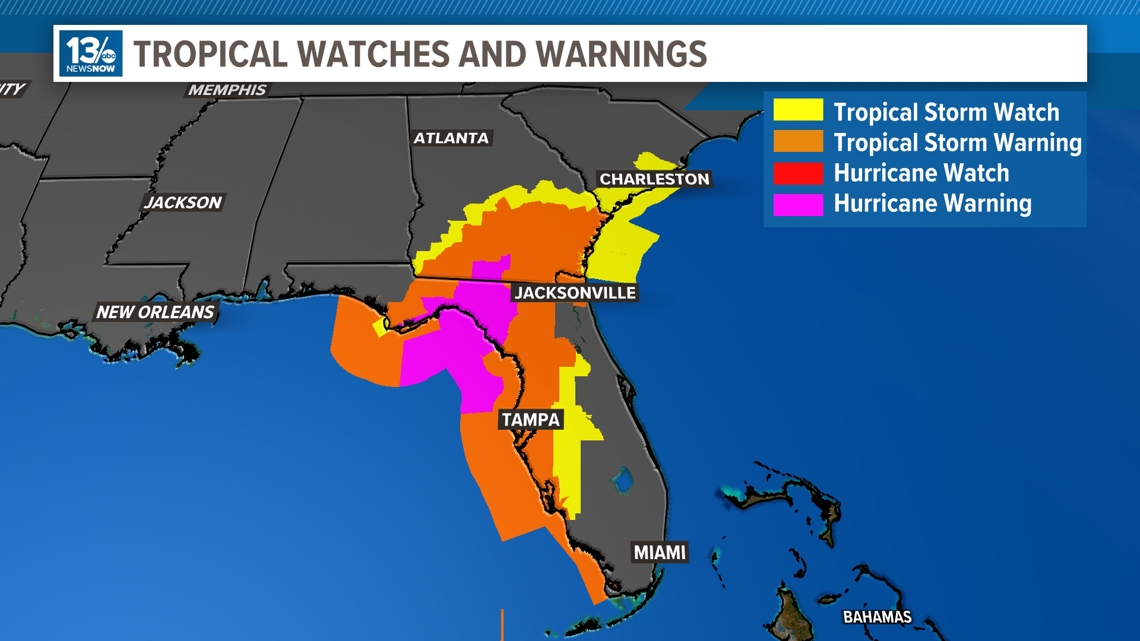
Florida’s extensive coastline and position in the tropics make it susceptible to tropical cyclone activity during the Atlantic hurricane season, which officially runs from June 1st to November 30th. While a named storm like Tropical Storm Debby might not make landfall directly, its proximity can still trigger significant weather.
Rainfall and Flooding
One of the most immediate and widespread impacts of a tropical storm is heavy rainfall. Even a storm that doesn’t make direct landfall can produce torrential downpours, leading to flash flooding and river flooding. This can disrupt transportation, causing road closures and flight delays, particularly in low-lying areas or near bodies of water. For tourists exploring Miami or enjoying the beaches of the Florida Keys, these conditions can significantly alter planned activities.
High Winds and Storm Surge
Tropical storms bring sustained winds that can reach up to 38-73 miles per hour. While not as destructive as hurricane-force winds, these can still cause damage, downing trees and power lines, leading to power outages. Along coastal areas, even a tropical storm can generate dangerous storm surge – an abnormal rise of water generated by the storm’s winds pushing on the ocean’s surface. This surge, combined with battering waves, poses a severe threat to coastal communities and can impact seaside resorts and waterfront villas. Cities like Tampa and St. Petersburg are particularly vulnerable to storm surge due to their bay environments.
Rip Currents and Marine Hazards
Even if the storm is offshore, strong winds and associated rough seas can create dangerous rip currents along Florida’s beaches, making swimming unsafe. Boating and other marine activities can also be severely impacted, with advisories issued to warn mariners of hazardous conditions. This directly affects popular coastal destinations and those seeking water-based experiences.
Preparing for Tropical Storm Debby: A Traveler’s Guide
When a tropical storm is forecast to affect Florida, proactive preparation is key for any traveler. This includes staying informed, adjusting plans, and prioritizing safety.
Staying Informed and Monitoring Advisories
The primary resource for storm information is the National Hurricane Center. Travelers should regularly check the NHC website for the latest advisories, forecasts, and watches/warnings. Local news outlets and emergency management agencies also provide crucial localized information. Many hotels and resorts will have staff monitoring these updates and can provide guidance to guests.

Adjusting Travel Plans and Bookings
The decision to alter travel plans depends heavily on the storm’s projected track and intensity. If a storm is expected to make landfall near your destination, or cause significant disruptions, it may be prudent to postpone your trip. Many airlines, hotel chains, and car rental agencies offer flexible booking policies during severe weather events. It’s advisable to check these policies in advance and be prepared to rebook. If you are already in Florida and an evacuation order is issued for your area, it is imperative to comply immediately. This is particularly important for those staying in coastal motels or vacation rentals that might be more vulnerable.
Essential Preparedness for On-Site Guests
For those who decide to proceed with their trip, or are already in Florida when a storm approaches, a few preparedness measures can enhance safety and comfort.
Secure Accommodations and Valuables
If you are staying in a hotel or resort, follow any instructions provided by the management. Secure any outdoor items that could become projectiles. If you are in a vacation rental or villa, ensure windows and doors are properly secured.
Building an Emergency Kit
While hotels may provide some amenities, having a small emergency kit is always a good idea. This could include:
- Water: Several gallons per person, per day.
- Non-perishable food: A three-day supply.
- Flashlight and batteries: In case of power outages.
- First-aid kit: For minor injuries.
- Medications: Any prescription or over-the-counter medications.
- Chargers and power banks: To keep electronic devices operational.
- Copies of important documents: Identification, insurance policies, etc.
Understanding Local Evacuation Routes
Familiarize yourself with potential evacuation routes from your accommodation and destination. Local emergency management agencies typically publish these routes. If an evacuation order is issued, follow these routes to designated shelters or safer locations inland.
The Resilient Spirit of Florida Tourism
Despite the challenges posed by tropical storms, Florida remains a premier travel destination, renowned for its diverse attractions, from the theme parks of Orlando to the historic streets of St. Augustine. The state’s robust tourism industry, along with its residents, has developed a deep understanding of storm preparedness and resilience.
Impact on Major Attractions and Events
When a storm like Tropical Storm Debby is on the horizon, theme parks, museums, and scheduled events may close or be postponed out of an abundance of caution for both guests and staff. It is always advisable to check the operating status of any planned visits directly with the venue. For example, Walt Disney World and Universal Orlando Resort have well-established protocols for severe weather.
Rebuilding and Recovery
The aftermath of tropical weather events in Florida often showcases the community’s resilience. While disruptions can be significant, the focus quickly shifts to recovery and restoration. Hotels and other tourism infrastructure are often among the first to reopen, signaling a return to normalcy. For travelers, understanding this recovery process can also offer a unique perspective on the spirit of Florida.

Planning for Future Trips
For those whose travel plans were impacted, Florida eagerly awaits their return. The state’s diverse offerings, from the natural beauty of the Everglades to the vibrant urban life of Fort Lauderdale, remain largely intact and ready to be explored once conditions are safe. The key is to remain flexible and informed when planning around the tropical storm season.
In conclusion, while the precise arrival of Tropical Storm Debby on Florida remains a dynamic forecast, understanding the meteorological processes, potential impacts, and essential preparedness measures is vital for anyone involved in travel to, or residing in, the state. By staying informed and planning ahead, visitors and locals can navigate the uncertainties of tropical weather with safety and preparedness as their top priorities.
LifeOutOfTheBox is a participant in the Amazon Services LLC Associates Program, an affiliate advertising program designed to provide a means for sites to earn advertising fees by advertising and linking to Amazon.com. Amazon, the Amazon logo, AmazonSupply, and the AmazonSupply logo are trademarks of Amazon.com, Inc. or its affiliates. As an Amazon Associate we earn affiliate commissions from qualifying purchases.