
California, renowned for its stunning diverse landscapes, vibrant cities, and unparalleled natural beauty, is a dream destination for travelers worldwide. From the iconic beaches of Southern California to the majestic forests of the Sierra Nevada and the world-class vineyards of Napa Valley, the Golden State offers an endless array of experiences. However, a significant aspect of California‘s natural environment includes its susceptibility to wildfires, particularly during specific seasons. For those planning a trip, understanding the “where” of California fires isn’t just about geographical locations; it’s about informed travel planning, ensuring safety, and preserving the integrity of your travel experience. This guide aims to demystify the realities of wildfires for tourists, offering insights into monitoring conditions, adapting itineraries, and making responsible choices.
Understanding California’s Wildfire Landscape: A Traveler’s Perspective
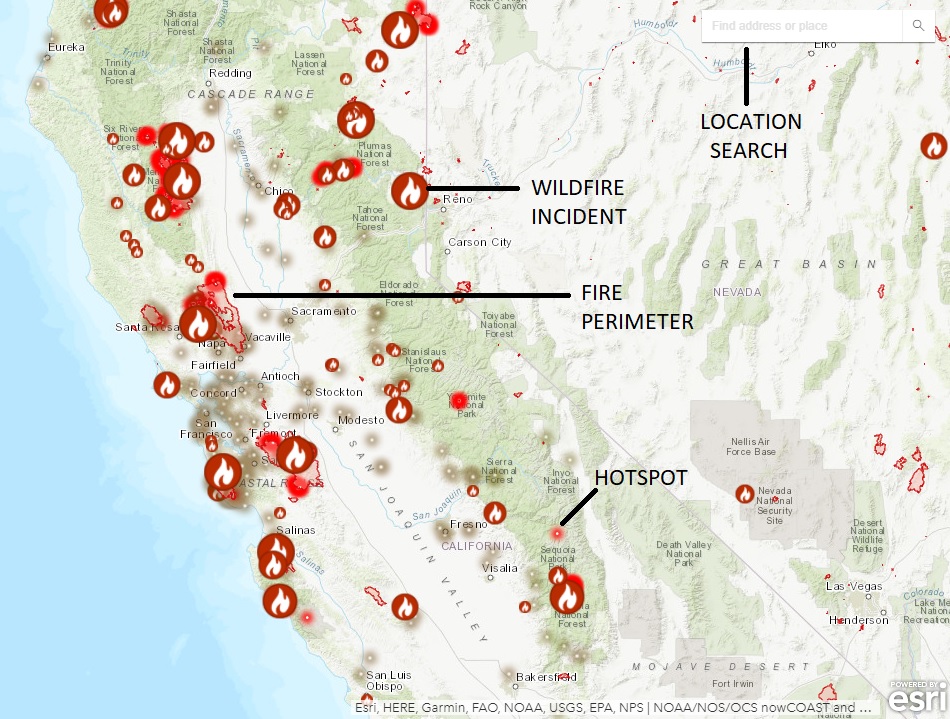
Wildfires are a natural, albeit increasingly complex and destructive, part of California’s ecosystem. Fueled by dry vegetation, strong winds, and often exacerbated by climate change, these fires can spread rapidly, posing challenges for residents and visitors alike. For a traveler, understanding the patterns and potential impacts is key to a seamless and safe journey.
The Seasonal Rhythms of Fire: When to Be Aware
While fires can technically occur year-round in California, the primary wildfire season typically runs from late spring through late autumn, peaking in summer and fall. The exact timing and intensity can vary significantly each year based on rainfall, temperature, and wind patterns. Drought conditions, a recurring issue in the state, contribute to a longer and more severe fire season. Travelers planning visits during these months, especially from June to November, should exercise heightened vigilance. This doesn’t mean avoiding travel altogether, but rather incorporating wildfire awareness into their trip planning, much like checking weather forecasts for other destinations. It involves being mindful of local conditions, especially if venturing into forested or wildland-urban interface areas.
Geographic Hotspots: Identifying Fire-Prone Regions
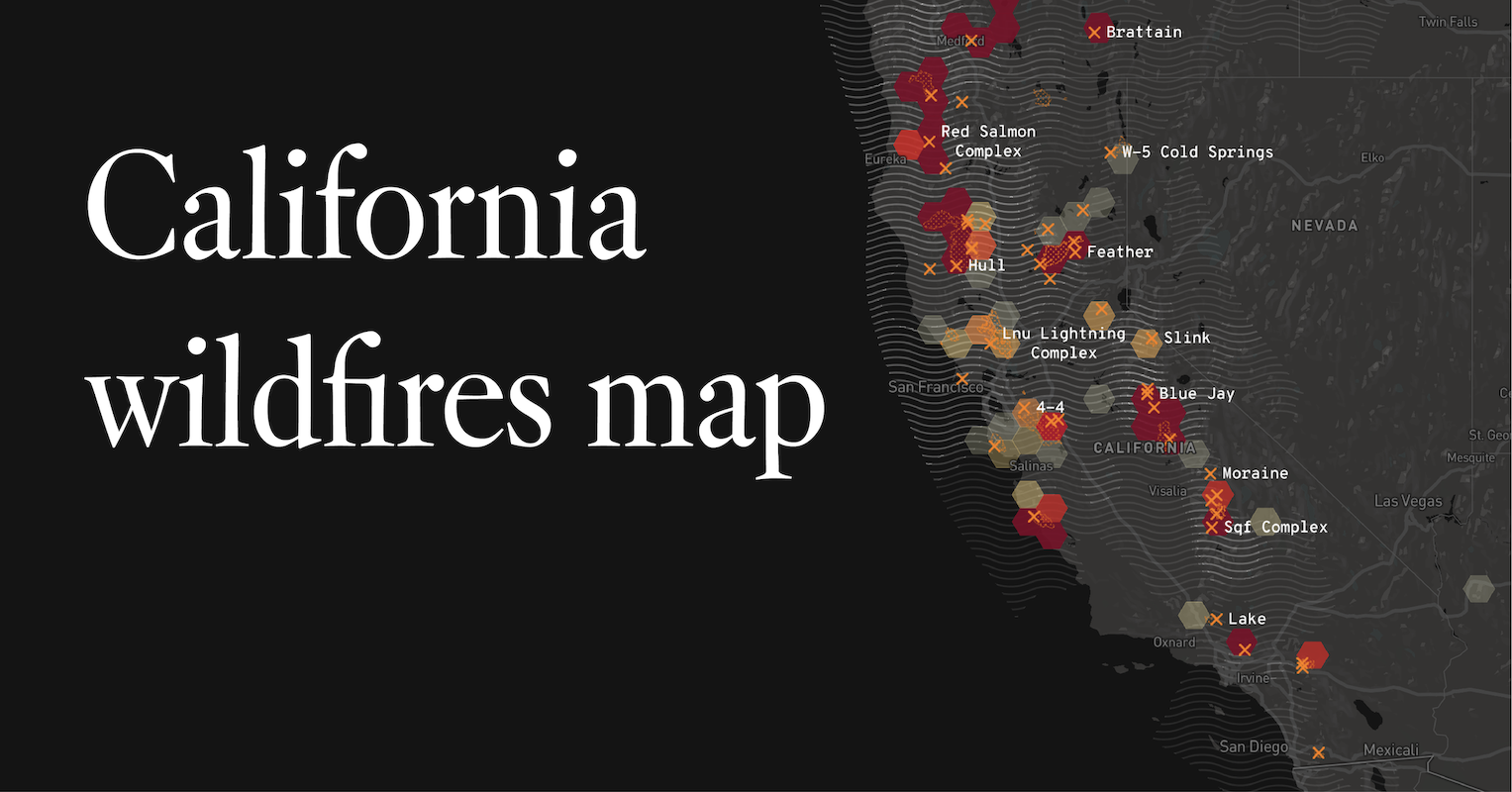
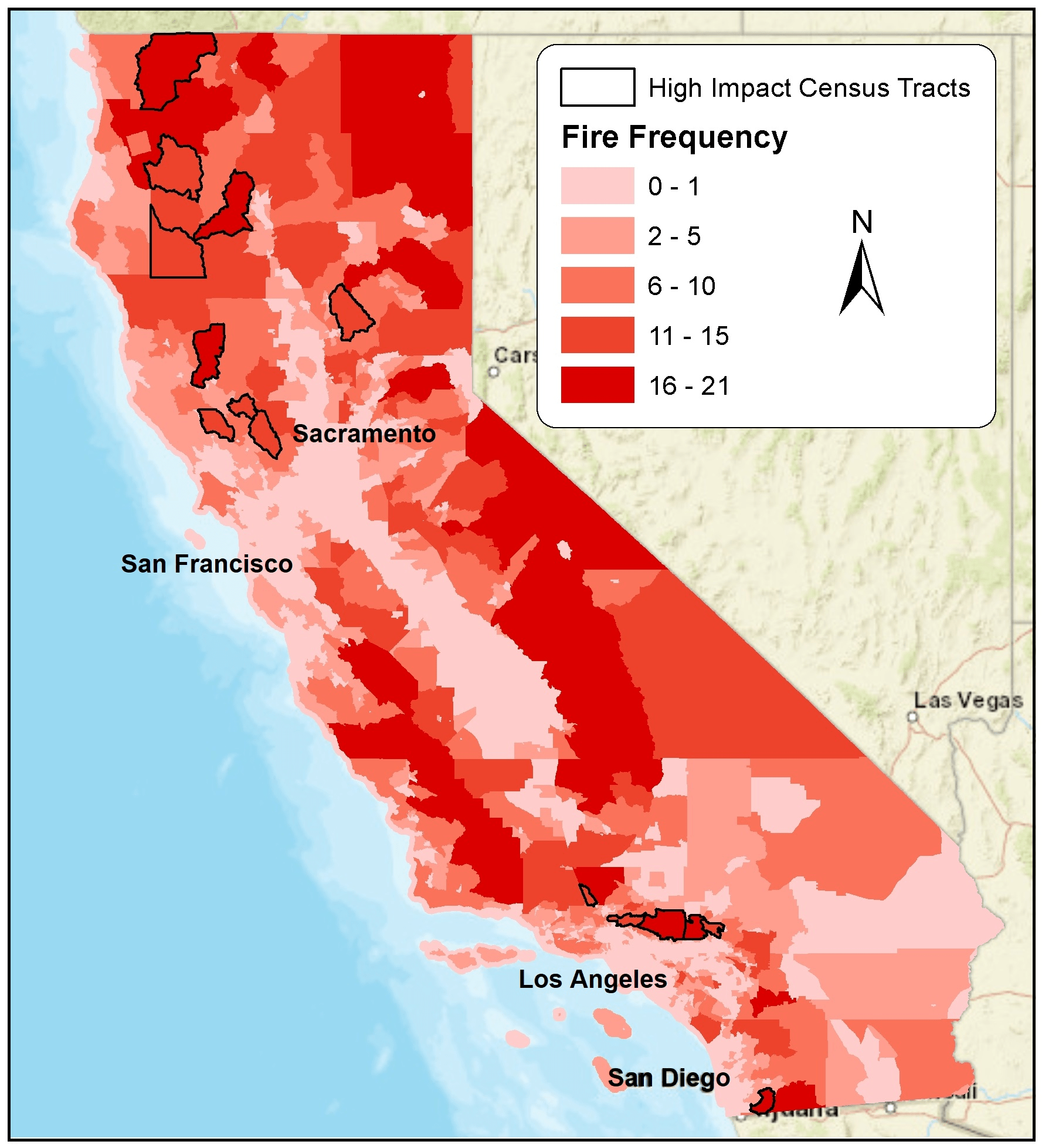
Wildfires can ignite across nearly any part of California, but certain regions are historically more susceptible. These areas often feature dense chaparral, forests, or grasslands combined with challenging topography and strong, dry winds like the Santa Anas in the south or the Diablo winds in the north.
- Southern California Mountains and Canyons: Areas surrounding Los Angeles, San Diego, Santa Barbara, and inland communities often experience significant fires. Popular destinations like parts of Malibu, the Santa Monica Mountains, and the mountains east of San Diego have seen large-scale incidents. While coastal cities themselves are generally less prone to direct fire impact, smoke and evacuations can certainly affect accessibility and air quality.
- Wine Country (e.g., Napa Valley and Sonoma): These world-renowned regions, celebrated for their vineyards and culinary tourism, have unfortunately faced devastating fires in recent years. The rolling hills and oak woodlands, while picturesque, also provide fuel for fast-moving blazes, impacting hotels, wineries, and local communities.
- Sierra Nevada Foothills and National Parks: The vast expanses of the Sierra Nevada, home to iconic destinations like Yosemite National Park, Sequoia National Park, and Lake Tahoe, are frequently impacted. Forest fires here can lead to park closures, road blocks, and significant smoke, affecting hiking, camping, and scenic drives.
- The Central Valley and Foothills: While primarily agricultural, the dry grasslands surrounding the Central Valley (e.g., near Sacramento) can experience large fires, particularly in the adjacent foothills. These can generate immense smoke plumes that drift across significant distances, affecting air quality even in distant urban centers.
It’s crucial to remember that a fire in one part of the state rarely impacts the entire state. California is immense, and while one region may be grappling with fires, vast areas, including many popular tourist destinations, remain unaffected and safe for travel.
Navigating Your California Itinerary: Safety First
For any traveler to California, safety should be the paramount concern, especially during fire season. This means being proactive, staying informed, and being flexible with your plans.
Essential Information Sources: Staying Updated in Real-Time
Reliable information is your best tool. Before and during your trip, make it a habit to check official sources regularly:
- CAL FIRE: The California Department of Forestry and Fire Protection is the primary state agency responding to wildfires. Their website provides an interactive map of current incidents, news releases, and safety information. This is often the most comprehensive and up-to-date source.
- Local Emergency Services and Sheriffs’ Offices: For highly localized information, including evacuation orders and road closures, check the websites or social media accounts of the specific county’s emergency services or sheriff’s department you plan to visit.
- National Park Service (NPS): If your itinerary includes national parks like Yosemite or Sequoia, check their official websites for current conditions, closures, and air quality advisories before heading out.
- National Weather Service (NWS): The NWS issues Red Flag Warnings, indicating critical fire weather conditions (high winds, low humidity), which are important precursors to fire risk.
- Air Quality Monitoring Sites: Websites like AirNow.gov provide real-time air quality data. Smoke from distant fires can significantly impact air quality, even if the fire itself is far away, making outdoor activities uncomfortable or unsafe for sensitive individuals.
It’s advisable to sign up for local emergency alerts in the areas you’ll be visiting, if available. Many counties offer text or email notification systems.
Road Closures and Air Quality: Practical Considerations for Travel
Wildfires can directly impact travel logistics in several ways:
- Road Closures: Main arteries and scenic routes, like sections of the Pacific Coast Highway (CA-1) or highways leading into national forests, can be closed due to active fires, smoke, or emergency vehicle access. This necessitates re-routing and can add significant time to travel. Always verify your driving route with up-to-date traffic apps or state highway patrol websites.
- Air Quality: Even if a fire is far from your destination, smoke plumes can travel hundreds of miles, causing unhealthy air quality. This can significantly impact outdoor activities like hiking, cycling, or even leisurely strolls. Travelers with respiratory conditions should be particularly cautious. Monitoring air quality forecasts and adjusting plans to indoor activities or less affected regions is a wise strategy.
- Evacuation Orders: In severe cases, entire communities, including tourist areas and hotels, may come under evacuation orders. Being aware of these and having an alternative plan is crucial. Hotels and accommodations in affected areas will be forced to close.
Rethinking Your Destination: Adapting Plans for Safety
Flexibility is a traveler’s greatest asset during fire season. If a fire or poor air quality is affecting your planned destination:
- Consider Alternatives: California is vast. If Napa Valley is smoky, perhaps the Central Coast wine regions around Paso Robles or San Luis Obispo are clear. If Yosemite is impacted, consider a coastal escape to Monterey or Carmel. Researching alternative destinations within the state that offer similar experiences but are geographically distant from fire zones can save your trip.
- Focus on Urban Experiences: Major cities like San Francisco, Los Angeles, and San Diego typically have better air circulation and fewer immediate fire risks compared to rural or mountainous areas. They offer an abundance of indoor attractions—museums, theaters, culinary experiences, shopping—that are unaffected by outdoor conditions.
- Stay Informed Locally: Engage with hotel staff, local tourism boards, and residents for the most current ground-level information and recommendations on safe activities and areas. They often have the best insights into how local conditions are evolving.
Protecting Your Travel Investment: Insurance and Flexibility
The unpredictability of wildfires underscores the importance of thoughtful planning, especially concerning financial protection and accommodation bookings.
The Role of Travel Insurance in Wildfire Scenarios
Travel insurance can be a critical safeguard when planning a trip to a fire-prone region. Not all policies are created equal, so understanding the specifics is vital:
- Coverage for Natural Disasters: Many comprehensive travel insurance policies offer coverage for trip cancellation or interruption due to natural disasters like wildfires. This typically applies if your destination is under a mandatory evacuation order, if your common carrier (e.g., airline) cancels your travel, or if your accommodation is rendered uninhabitable.
- “Cancel for Any Reason” (CFAR) Coverage: For ultimate flexibility, consider purchasing a CFAR policy. While more expensive, it allows you to cancel your trip for virtually any reason, including fear of wildfires or personal preference, even if your destination isn’t officially under an evacuation order. There are often specific timeframes and refund percentages associated with CFAR.
- Medical Coverage: Ensure your policy includes medical coverage, especially if smoke inhalation causes health issues or if you require medical attention due to an unforeseen event during your travels.
- Policy Review: Always read the fine print of any travel insurance policy before purchasing. Pay close attention to clauses related to natural disasters, specifically wildfires, and understand what triggers coverage. Purchasing insurance well in advance of a potential incident is usually required.
Accommodation Adjustments: Cancellations, Rebookings, and Alternatives
Hotels, resorts, and vacation rentals are at the forefront of wildfire impact for travelers.
- Cancellation Policies: Familiarize yourself with the cancellation policies of all your booked accommodations. Many allow free cancellation up to a certain point, which can be invaluable if you need to alter your plans due to fire threats. In cases of mandatory evacuations, most reputable establishments will offer full refunds or rebooking options.
- Direct Communication with Hotels: If you have concerns, contact your hotel or accommodation provider directly. They can offer the most accurate information regarding local conditions, potential closures, and their specific policies in the event of a nearby fire. Properties like a Hyatt resort near Palm Springs or a boutique hotel in Santa Barbara will have distinct operational procedures during emergencies.
- Finding Alternatives: Should your original accommodation be affected, leverage online booking platforms to find alternatives in safe, unaffected regions. Many platforms have filters for location and amenities, allowing you to quickly scout available suites, resorts, apartments, or villas that meet your needs. Be mindful that last-minute bookings during emergencies can sometimes be more expensive due to demand.
- Long-term Stay Considerations: For those planning extended visits or business stays, the impact of wildfires might necessitate even greater flexibility and potentially a longer-term contingency plan, including understanding lease agreements for apartments or villas.
Responsible Tourism and Supporting Affected Communities
Traveling through California during fire season also presents an opportunity to practice responsible tourism and, when appropriate, support communities recovering from fire events.
Contributing to Recovery: How Travelers Can Help
After a wildfire has passed and it is safe to return, tourism can play a vital role in recovery. Local businesses, including hotels, restaurants, and attractions, suffer significant economic losses.
- Visit Safely Post-Fire: Once an area is declared safe and open, consider planning a visit. Your tourism dollars directly support local economies and help these communities rebuild. Check with local tourism boards for updates on which areas are open and welcoming visitors.
- Support Local Businesses: Choose to dine at local eateries, stay in locally-owned accommodations, and purchase goods from small shops. This direct infusion of capital helps residents and business owners recover.
- Respect the Environment: Adhere strictly to any post-fire warnings or closures in natural areas. Restoration efforts are often underway, and respecting these guidelines prevents further damage to fragile ecosystems.
- Volunteer (If Appropriate): For longer-term stays or those deeply moved to help, inquire with local non-profits or community organizations about volunteer opportunities that assist with recovery and restoration efforts.
Practicing Fire-Safe Travel: Tips for Visitors
Prevention is paramount. Every traveler has a role to play in preventing human-caused wildfires.
- Be Mindful of Fire Restrictions: Always heed local fire restrictions, which often include bans on campfires, charcoal grills, and even specific types of outdoor cooking equipment in certain areas during high fire danger. Check with your accommodation or local park rangers.
- Safe Vehicle Practices: Ensure your vehicle is well-maintained to prevent sparks. Avoid driving or parking on dry grass, as hot exhaust pipes can easily ignite vegetation. Be cautious with trailer chains that can drag and spark.
- Smoking Safely: If you smoke, always do so in designated areas, ensure cigarettes are completely extinguished, and never toss butts out of vehicle windows.
- Recreational Activities: Be aware of the fire risk associated with activities like target shooting (sparks from bullets), fireworks (often illegal and highly dangerous), and even certain power tools in dry conditions.
- Emergency Preparedness: Carry an emergency kit in your car with water, snacks, a first-aid kit, and a full tank of gas. Have a fully charged cell phone and a portable charger.
California’s Enduring Appeal: Beyond the Flames
Despite the challenges posed by wildfires, California’s allure remains undiminished. The vast majority of the state’s popular destinations, attractions, and accommodations remain safe and welcoming for travelers, even during fire season. The resilient spirit of its communities and the sheer scale of its natural and cultural wonders ensure that there is always something extraordinary to experience.
The Resilience of Iconic Landmarks and Natural Wonders
California’s most famous landmarks, from the Golden Gate Bridge in San Francisco to the Hollywood Sign in Los Angeles and the ancient giant sequoias in Sequoia National Park, have demonstrated remarkable resilience. While some natural areas may temporarily close for safety or recovery, the state’s commitment to preserving these treasures is unwavering. For instance, after fires near Yosemite National Park, park services often work tirelessly to reopen areas, showcasing the robust efforts behind maintaining these destinations for future generations of visitors. Hotels and resorts, from luxury options like a Ritz-Carlton overlooking the coast to cozy Marriott properties in bustling cities, are built to rigorous safety standards, and their operational teams are well-versed in emergency protocols to ensure guest safety.
Discovering Alternative Gems and Lesser-Known Routes
A smart travel lifestyle in California often involves exploring beyond the most famous sites. During fire season, this strategy becomes particularly valuable.
- Coastal Escapes: California’s expansive coastline, from Big Sur to Laguna Beach, often offers cooler temperatures and ocean breezes that naturally mitigate fire risk. Explore charming coastal towns, enjoy beach activities, or embark on scenic drives along the Pacific Coast Highway in areas not impacted by current events.
- Desert Wonders: The desert regions, such as Palm Springs and Joshua Tree National Park, have different fire dynamics and seasons. While they can experience fires, their peak fire season might not align with the rest of the state, offering an excellent alternative for a unique landscape experience.
- Urban Culture: Immerse yourself in the rich cultural tapestry of California’s cities. Explore museums in San Francisco, enjoy the culinary scene in Los Angeles, or discover the historical landmarks of Sacramento. These urban centers offer a wealth of attractions and experiences largely insulated from wildfire impacts.
- Themed Experiences: Focus on specific interests, such as a spa and wellness retreat in an unaffected region, a culinary tour of a clear coastal town, or a stay at a resort offering extensive indoor amenities like the Grand Hyatt hotels, allowing you to enjoy your trip without constant worry about outdoor conditions.
In conclusion, “Where Are California Fires?” is a question best answered with real-time data, informed decision-making, and a proactive approach to travel planning. While wildfires are a serious concern, they do not diminish the state’s extraordinary appeal or its capacity to deliver unforgettable travel experiences. By staying informed, prioritizing safety, being flexible with itineraries, and embracing responsible tourism practices, you can confidently navigate your California adventure and discover the myriad wonders this incredible state has to offer, even amidst nature’s occasional fury.
LifeOutOfTheBox is a participant in the Amazon Services LLC Associates Program, an affiliate advertising program designed to provide a means for sites to earn advertising fees by advertising and linking to Amazon.com. Amazon, the Amazon logo, AmazonSupply, and the AmazonSupply logo are trademarks of Amazon.com, Inc. or its affiliates. As an Amazon Associate we earn affiliate commissions from qualifying purchases.