
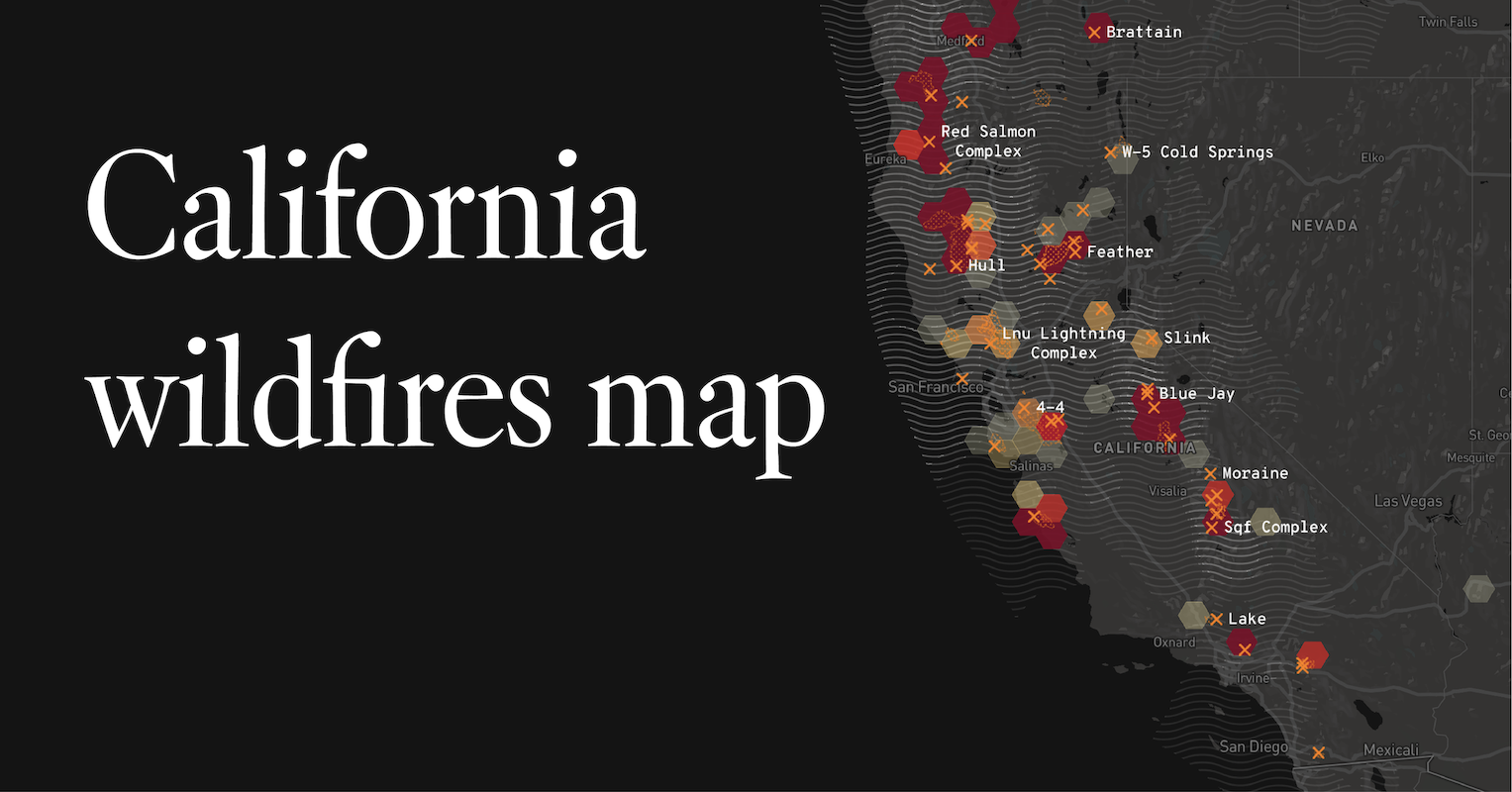
California, a land of breathtaking natural beauty and diverse landscapes, is renowned for its sprawling forests, majestic mountains, and vibrant national parks. These natural treasures are a significant draw for tourists, hikers, and nature enthusiasts from around the globe, seeking to immerse themselves in the state’s unparalleled outdoor offerings. From the towering sequoias of the Sierra Nevada to the rugged coastlines and dense woodlands of the north, California’s wild spaces provide a sanctuary for both wildlife and visitors. However, these same environments, particularly during the state’s dry seasons, are also susceptible to forest fires. Understanding the locations and patterns of these fires is crucial for planning safe and enjoyable travel experiences within the Golden State, ensuring visitors can fully appreciate its scenic splendor without compromising their well-being.
Understanding California’s Fire-Prone Regions
California’s geography is a primary determinant of where forest fires are most likely to occur. The state’s Mediterranean climate, characterized by hot, dry summers and mild, wet winters, creates a natural fire season that typically runs from late spring through fall. During this period, vegetation dries out, becoming highly flammable, and is often exacerbated by high temperatures, low humidity, and strong winds.
The Sierra Nevada Mountain Range
The Sierra Nevada mountain range, a dominant geographical feature running along the eastern side of California, is a significant hotspot for forest fires. This vast mountain chain is home to some of the state’s most iconic natural landmarks, including Yosemite National Park, Sequoia National Park, and Kings Canyon National Park. These parks, along with numerous national forests like the Stanislaus National Forest, Sierra National Forest, and Inyo National Forest, are characterized by dense coniferous forests, steep terrain, and a substantial amount of dead and dry fuel, especially after periods of drought.
Yosemite National Park and Vicinity
Yosemite Valley, a jewel of the National Park Service, and its surrounding wilderness areas are particularly vulnerable. Fires here can be ignited by lightning strikes, which are common during summer thunderstorms in the high country, or by human causes, such as unattended campfires or equipment malfunctions. The dramatic granite cliffs and towering trees provide a stunning backdrop, but also present challenges for firefighting efforts due to the rugged accessibility.
Southern Sierra and Giant Sequoias
Further south, the range continues to host extensive forest lands. Areas like the Giant Sequoia National Monument, which protects groves of the world’s largest trees, are also susceptible. The undergrowth and surrounding forests are critical fuel sources, and management strategies aim to balance ecological health with fire prevention.
Northern California’s Forests
Northern California, with its extensive redwood forests, dense pine stands, and rugged topography, presents another significant area of concern for forest fires. This region is not only a vital timber producer but also a popular destination for nature tourism, attracting visitors to places like the Redwood National and State Parks.
Redwood and Coastal Forests
The coastal forests, while often damp, can experience intense fires during prolonged dry spells, especially when coupled with strong offshore winds. These fires can rapidly spread through the dense underbrush and into the canopies of the majestic redwood trees. Areas surrounding cities like Eureka and Redding are often impacted by fires originating in the nearby national forests, such as the Shasta-Trinity National Forest.
Inland Forests and Volcanic Areas
Inland from the coast, the volcanic landscapes and high mountain ranges of Northern California, including parts of the Klamath National Forest, are also prone to significant fire activity. These areas are often remote and challenging to access, making proactive fire management and early detection paramount.
Southern California’s Chaparral and Mountain Ranges
Southern California, while famous for its beaches and urban centers, also contains extensive mountainous regions and wildland-urban interfaces that are highly susceptible to forest fires. The chaparral ecosystem, a dense, shrubby vegetation type, thrives in the region’s dry climate and is particularly combustible.
The Santa Monica Mountains and Los Angeles Basin
The Santa Monica Mountains, which form a significant natural barrier between the San Fernando Valley and the Pacific coast, are a prime example. These mountains, dotted with hiking trails and offering stunning views of the ocean and the city of Los Angeles, are frequently impacted by fires that can threaten nearby communities and infrastructure. The dry chaparral, coupled with Santa Ana winds, can lead to rapid fire progression.
Inland Mountain Ranges and Deserts
Beyond the immediate coastal areas, the inland mountain ranges, such as the San Gabriel Mountains and the San Bernardino Mountains, are also prone to fire. These areas, which include popular destinations like Big Bear Lake, are covered in forests and chaparral and experience heavy visitor traffic, increasing the potential for human-caused ignitions. The transition zones between mountain forests and desert environments also present unique fire dynamics.
Factors Influencing Fire Location and Intensity
Beyond geography, several other factors significantly influence where and how intensely forest fires occur in California. These elements are critical to understand for anyone planning an outdoor adventure or simply seeking to comprehend the state’s environmental challenges.
Climate and Weather Patterns
California’s climate is the overarching factor. The state experiences a pronounced dry season that can extend for months, particularly in the south. This prolonged period of low rainfall, high temperatures, and low humidity creates tinderbox conditions.
Drought Conditions
Extended periods of drought, which have become more frequent and severe in recent years due to climate change, significantly exacerbate fire risk. Reduced rainfall leads to less moisture in vegetation, making it more susceptible to ignition and faster burning. Water sources also diminish, impacting natural ecosystems and firefighting capabilities.
Wind Events
Wind is a critical driver of fire behavior. Strong, dry winds, such as the infamous Santa Ana winds in Southern California and the Diablo winds in Northern California, can rapidly spread fires across vast distances, often turning small ignitions into catastrophic events. These winds can also shift direction unpredictably, posing significant dangers to firefighters and the public.
Human Activity and Ignition Sources
While natural causes like lightning do ignite fires, a substantial percentage of California’s forest fires are caused by human activities. Understanding these sources is key to prevention and safety.
Accidental Ignitions
Common accidental ignitions include sparks from vehicles (e.g., dragging chains, catalytic converters), unattended campfires, fireworks, debris burning, and equipment use in dry vegetation. Areas with high human traffic, such as popular hiking trails, campgrounds, and picnic areas within national forests and parks, see a higher incidence of these accidental ignitions.

Intentional Ignitions and Arson
Unfortunately, some fires are intentionally set. While less common than accidental ignitions, arson fires can be particularly devastating due to their deliberate nature and often occur in areas with high fuel loads, leading to rapid and widespread destruction.
Fuel Loads and Vegetation Type
The type and density of vegetation, often referred to as fuel, play a crucial role in fire behavior. Different ecosystems have varying levels of flammability.
Chaparral and Brushlands
The dense, waxy chaparral found in many of Southern California’s wildlands is highly flammable and burns intensely. This type of vegetation readily ignites and can spread fires rapidly, especially when dry.
Coniferous Forests
The vast coniferous forests of the Sierra Nevada and Northern California, composed of species like pines, firs, and cedars, also present significant fuel. Dead trees, fallen branches, and dry needles on the forest floor contribute to the fire’s intensity and spread. The presence of dead trees from beetle infestations further increases fuel loads.
Planning Your Visit Amidst Fire Season
The reality of forest fires in California necessitates informed planning for any visitor venturing into the state’s natural landscapes. While fires are a natural part of many ecosystems, their increasing intensity and frequency due to climate change and human factors require a proactive approach to travel.
Staying Informed and Checking Conditions
The most critical step in planning any outdoor excursion during fire season is to stay informed about current conditions and potential fire activity. This involves checking reliable sources for information before and during your trip.
Official Fire Information Sources
Agencies like the California Department of Forestry and Fire Protection (CAL FIRE) and the U.S. Forest Service provide real-time updates on active fires, evacuation orders, and temporary closures of parks and forests. Websites and social media channels of these agencies are invaluable resources.
Local and Regional Alerts
Local emergency management agencies and county sheriff departments often issue alerts for specific areas. Monitoring local news and official advisories for the region you plan to visit is essential. Weather forecasts, paying close attention to wind advisories and red flag warnings, are also vital.
Navigating Fire Restrictions and Closures
Understanding and respecting fire restrictions and closures is paramount for personal safety and the prevention of further ignitions.
Campfire Restrictions
During fire season, campfire permits are often required, and in some areas, campfires may be completely banned in undeveloped areas. Always check for current restrictions before planning to build a fire. Many popular campgrounds may have restrictions or require fires to be in designated fire rings.
Vehicle and Equipment Use Rules
Specific restrictions may apply to vehicle use, especially off-road or in undeveloped areas. Ensure your vehicle is in good condition, as sparks from dragging chains or faulty exhaust systems can ignite dry vegetation. Avoid using equipment that could create sparks in dry grass or brush.
Park and Forest Closures
In the event of significant fire activity, entire parks or sections of national forests may be temporarily closed to the public. These closures are implemented for safety and to allow emergency responders to work unimpeded. Always verify that your intended destination is open before you travel.
Fire Safety Practices for Visitors
Implementing basic fire safety practices can significantly reduce the risk of accidental ignitions and enhance personal safety.
Safe Campfire Practices
If campfires are permitted, always ensure they are built in a designated fire pit, cleared of all flammable materials for at least 10 feet around. Never leave a campfire unattended, and ensure it is completely extinguished by dousing it with water and stirring the ashes until cool to the touch before leaving the site.
Proper Disposal of Smoking Materials
Smoking in wildland areas poses a significant fire risk. If you must smoke, do so in a safe, cleared area and ensure all cigarette butts are fully extinguished and disposed of properly in a designated receptacle, not flicked into vegetation.
Vehicle Maintenance
Ensure your vehicle is in good working order. Properly inflated tires reduce the risk of blowouts that can create sparks. Ensure your muffler is in good condition and that trailer chains are not dragging on the ground. Carry a fire extinguisher in your vehicle, especially when traveling through remote areas.
Conclusion: Appreciating California’s Wildlands Responsibly
California’s forests and wildlands are an irreplaceable natural heritage, offering unparalleled opportunities for exploration and recreation. While the presence of forest fires is a factor to consider, particularly during the dry season, understanding where these fires are most likely to occur, the factors that influence them, and how to practice responsible visitor behavior can ensure a safe and enriching experience. By staying informed, adhering to restrictions, and practicing diligent fire safety, visitors can continue to enjoy the breathtaking beauty of California’s natural landscapes while contributing to their preservation. The majestic redwood forests, the towering peaks of the Sierra Nevada, and the rugged canyons of the south are all worth exploring with preparedness and respect for the environment.
LifeOutOfTheBox is a participant in the Amazon Services LLC Associates Program, an affiliate advertising program designed to provide a means for sites to earn advertising fees by advertising and linking to Amazon.com. Amazon, the Amazon logo, AmazonSupply, and the AmazonSupply logo are trademarks of Amazon.com, Inc. or its affiliates. As an Amazon Associate we earn affiliate commissions from qualifying purchases.