
The celestial ballet of the Aurora Borealis, commonly known as the Northern Lights, is a bucket-list spectacle for travelers worldwide. Alaska, with its vast northern expanse and minimal light pollution, stands as one of the premier destinations on Earth to witness this natural wonder. Understanding when and where to seek out the aurora is paramount to a successful viewing experience, transforming a hopeful trip into an unforgettable journey under a sky alive with color.
The Prime Season: A Dance of Darkness and Light
To witness the Aurora Borealis in Alaska, the most critical ingredient is darkness. The Northern Lights are present in the sky year-round, but they become visible to the human eye only when the sky is dark enough. This fundamental requirement dictates the prime viewing season, which aligns with Alaska’s extended nights.

Autumn’s Early Glimmer (Late August to September)
Many travelers are surprised to learn that aurora season in Alaska begins as early as late August. While summer days stretch long into the evening, by late August, the nights begin to lengthen significantly, particularly in the interior and northern regions. This period offers a unique advantage: milder temperatures compared to the harsh depths of winter. Travelers can experience the magic of the aurora without enduring extreme cold. The landscape during this time often still holds remnants of fall foliage, offering a stunning backdrop to the vibrant green and sometimes purple ribbons dancing across the sky. Destinations like Fairbanks are particularly popular during this shoulder season, providing accessible viewing opportunities as the autumn nights grow longer and darker. Planning a trip in early September can offer a comfortable introduction to aurora chasing, often paired with other fall activities like hiking or wildlife viewing before the full snow cover arrives.
Winter’s Peak Performance (October to March)
The heart of the aurora season undoubtedly lies within the long, dark winter months, from October through March. This is when Alaska truly embraces its northern identity, with significantly shorter days and extended periods of darkness that are ideal for aurora viewing. The likelihood of seeing the Northern Lights increases dramatically during this period due to the sheer duration of darkness. Temperatures will be considerably colder, often dropping well below freezing, especially in interior and northern Alaska. However, dedicated aurora chasers embrace these conditions, knowing that the cold, clear nights often coincide with some of the most spectacular displays. Mid-winter, particularly January and February, often sees peak solar activity and cold, stable air masses, leading to some of the brightest and most active auroras. Snow-covered landscapes reflect the faint moonlight, adding another layer of beauty to the scene. This is the time when specialized aurora tours, lodges, and viewing spots are in full swing, catering to visitors specifically seeking this ethereal experience.
Spring’s Fading Farewell (Late March to Mid-April)
As winter gradually gives way to spring, the aurora season begins its slow retreat. While the nights in late March and early April still offer sufficient darkness, the rapidly increasing daylight hours mean that the window for viewing becomes shorter each day. This period can still yield magnificent displays, especially in the earlier part of the spring, but the overall probability diminishes compared to the deep winter months. Temperatures become more moderate, which can be appealing for some travelers. However, the trade-off is often a greater chance of cloudy weather as the climate transitions. Those planning a trip in this timeframe should aim for the earlier weeks of spring to maximize their chances before the “midnight sun” begins to dominate the Alaskan sky once again, making aurora sightings impossible until the following autumn.
Optimal Viewing Conditions Beyond the Calendar
While the time of year is crucial, other factors significantly influence your chances of witnessing a captivating aurora display. Understanding these elements can empower travelers to make informed decisions and enhance their overall experience.
The Crucial Role of Darkness
Beyond the seasonal darkness, light pollution is the primary enemy of aurora viewing. Even on the darkest winter night, artificial light from cities and towns can diminish the visibility and vibrancy of the Northern Lights. For the best experience, travelers must seek out locations far from urban centers. This often means venturing into rural areas, national parks, or designated dark-sky preserves. The human eye takes time to adapt to complete darkness, and even faint ambient light can impair this adaptation, making the aurora appear less brilliant. Many dedicated aurora tours will transport visitors to remote viewing locations specifically to escape this light interference, ensuring an unadulterated view of the night sky.
Clear Skies are Key
Even if solar activity is high and the season is right, a thick blanket of clouds will obscure the aurora completely. Clear, cloudless skies are absolutely essential. This is why weather forecasting becomes a critical tool for aurora hunters. While Alaska’s weather can be notoriously unpredictable, checking local forecasts for cloud cover is a daily ritual for those seeking the lights. Certain regions, like interior Alaska (e.g., around Fairbanks), tend to have more stable, clearer weather patterns during the winter compared to coastal areas which are more prone to cloudiness and precipitation. Patience is often rewarded; a cloudy evening might clear up unexpectedly, revealing a breathtaking display.
Solar Activity: The Unpredictable Variable
The aurora is a direct result of solar activity, specifically charged particles from the sun interacting with the Earth’s magnetic field. The intensity and frequency of these solar events, such as solar flares and coronal mass ejections, directly impact how vibrant and active the aurora will be. This is the most unpredictable variable in aurora chasing. While scientists can provide short-term forecasts (typically 1-3 days out) for geomagnetic activity, long-range predictions are challenging. Travelers hoping for a truly spectacular show should monitor aurora forecasts from organizations like the National Oceanic and Atmospheric Administration (NOAA) Space Weather Prediction Center. A high Kp-index (a measure of geomagnetic activity) indicates a greater chance of seeing a brighter, more widespread aurora. While you can’t control solar activity, understanding it helps manage expectations and can inform last-minute viewing decisions.
Top Destinations in Alaska for Aurora Chasing
Choosing the right base for your aurora adventure is almost as important as timing your visit. Certain Alaskan locations are renowned for their consistent darkness, clear skies, and excellent infrastructure for aurora viewing.
Fairbanks: The Aurora Capital
Fairbanks proudly holds the title of “Aurora Capital of Alaska” – and for good reason. Located directly beneath the Auroral Oval (the region where aurora activity is most concentrated), Fairbanks offers one of the best chances to see the Northern Lights in the world. Its inland location contributes to a drier climate and more frequent clear nights compared to coastal cities. The city and its surrounding areas boast numerous dedicated aurora viewing lodges, tour operators, and even specific heated viewing domes and cabins, providing comfort during long nights under the stars. Travelers can easily combine aurora chasing with other winter activities like dog sledding, ice sculpting, and visiting the University of Alaska Fairbanks Museum of the North. Its international airport makes it an accessible hub for aurora seekers.
Anchorage: Urban Convenience with Northern Lights Access
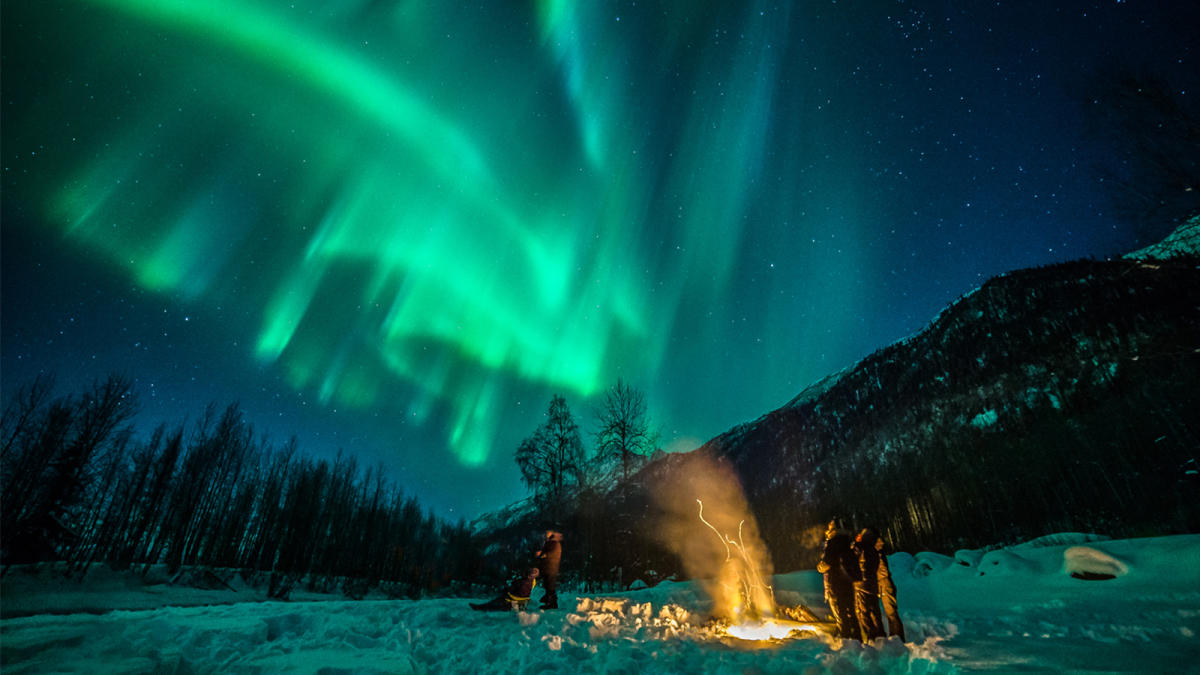
While Anchorage is Alaska’s largest city, offering more urban amenities and dining options, seeing the aurora here requires a bit more effort. Due to significant light pollution, you typically need to drive 30-60 minutes outside the city limits to find sufficiently dark skies. Popular spots include areas north along the Glenn Highway or south towards the Turnagain Arm and Portage Glacier. While not as consistent as Fairbanks, strong aurora displays can occasionally be seen from Anchorage itself if solar activity is very high. For travelers seeking a balance between city comforts and aurora potential, Anchorage can be a viable option, especially when combined with day trips to nearby natural attractions and an understanding that chasing the lights will involve some travel outside the city.
Remote Wilderness Retreats: Bettles and Coldfoot
For the truly adventurous and those prioritizing an immersive wilderness experience, venturing further north into the Arctic Circle offers unparalleled aurora viewing. Remote settlements like Bettles and Coldfoot, accessible via small aircraft or the rugged Dalton Highway, provide extremely dark skies and an almost guaranteed location within the Auroral Oval. These destinations are often part of specialized multi-day tours that include other arctic experiences. The sheer isolation minimizes light pollution to virtually zero, offering incredibly crisp and vivid displays. However, travelers choosing these options must be prepared for extreme cold, limited amenities, and a true wilderness adventure, where the journey itself is part of the experience. The remoteness translates to higher travel costs and requires careful planning, but the reward is often a truly private and spectacular aurora show. Denali National Park, though closed to most vehicle traffic in winter, also offers incredible dark sky potential for those willing to brave the cold and limited access.
Planning Your Alaskan Aurora Adventure
A successful aurora trip to Alaska requires more than just knowing when to go; it demands strategic planning and preparation.
Timing Your Trip Strategically
Consider the length of your trip. While a long weekend might offer a chance, a stay of at least 3-5 nights significantly increases your odds, especially considering unpredictable weather and solar activity. Many aurora tour packages are structured around this duration to give travelers multiple opportunities to witness the lights. Also, factor in moon cycles. A new moon period offers the darkest skies, enhancing aurora visibility. A full moon, while beautiful for illuminating the landscape, can diminish the intensity of fainter aurora displays. If possible, align your visit with the darkest part of the lunar cycle.
Essential Gear for Cold Weather
Alaska’s winter temperatures demand proper clothing. Layers are key: thermal base layers, insulating mid-layers (fleece or down), and a waterproof, windproof outer shell are essential. Don’t forget insulated boots (rated for very cold temperatures), warm hats that cover your ears, thick gloves or mittens, and hand/foot warmers. Many aurora viewing tours provide insulated gear, but checking ahead is advisable. Staying warm is crucial for enjoying the experience without discomfort, as you’ll likely spend hours outdoors waiting for the lights.
Guided Tours vs. Self-Guided Exploration
Both guided tours and self-guided exploration have their merits. Guided tours often provide transportation to optimal dark-sky locations, warm shelters, hot beverages, and expert guides who understand aurora forecasts and local geography. They remove the stress of driving on icy roads and finding suitable spots. Many also offer photography assistance. Self-guided exploration offers more flexibility and can be more budget-friendly if you’re comfortable driving in winter conditions and researching your own viewing spots. Renting a reliable 4WD vehicle is highly recommended for self-guided trips. If you choose to go it alone, ensure you have emergency supplies, know how to navigate in the dark, and are aware of potential wildlife encounters.
Maximizing Your Chances: Tips for Successful Aurora Viewing
Witnessing the Aurora Borealis in Alaska is often a test of patience and preparation. These tips can help tip the odds in your favor.
Stay Up Late (or All Night)
The aurora is most active during the darkest hours of the night, typically between 10:00 PM and 3:00 AM. While it can appear earlier or later, being prepared to stay up for extended periods significantly increases your chances. Many dedicated aurora tours run late into the night. Consider adjusting your sleep schedule during your trip to be alert during these prime viewing windows. Taking naps during the day can help you stay refreshed for the nighttime vigil.
Seek Out Dark Sky Locations
As mentioned, escaping light pollution is paramount. Even a few miles outside a town can make a significant difference. Research specific dark-sky locations near your chosen destination beforehand. Hilltops or open fields away from streetlights are ideal. Many lodges and resorts cater specifically to aurora viewers by being located in naturally dark areas. The further you are from any significant light source, the better the show will be.
Utilize Aurora Forecasts
Regularly check short-term aurora forecasts. Websites and apps from space weather agencies (like NOAA) provide real-time updates on geomagnetic activity (Kp-index) and predicted visibility. While not foolproof, these forecasts can guide your decisions on which nights to prioritize your aurora hunt. A Kp-index of 3 or higher is generally considered good for visible aurora in Alaska, with higher numbers indicating stronger displays.

Patience is a Virtue
Ultimately, seeing the aurora is a natural phenomenon dependent on a confluence of factors, some of which are beyond human control. There are no guarantees, even in prime season and location. Be prepared for nights where the aurora might be faint, obscured by clouds, or simply absent. Embrace the experience of being under a vast Alaskan night sky, and let the anticipation build. Often, the most spectacular displays appear suddenly, rewarding those who waited. Bring a thermos of hot coffee or chocolate, snacks, and a good attitude. The reward of witnessing one of Earth’s most breathtaking natural light shows is well worth the effort.
LifeOutOfTheBox is a participant in the Amazon Services LLC Associates Program, an affiliate advertising program designed to provide a means for sites to earn advertising fees by advertising and linking to Amazon.com. Amazon, the Amazon logo, AmazonSupply, and the AmazonSupply logo are trademarks of Amazon.com, Inc. or its affiliates. As an Amazon Associate we earn affiliate commissions from qualifying purchases.