
New York City, a global epicenter of culture, commerce, and ceaseless activity, generates an astonishing amount of waste daily. Understanding the journey of this refuse, from its point of origin to its ultimate disposal or processing, offers a fascinating glimpse into the intricate logistical and environmental challenges faced by one of the world’s most dynamic metropolises. While often unseen and unthought of by the millions who inhabit and visit, the management of New York’s garbage is a critical component of urban sustainability and public health. This exploration delves into the complex system that handles the city’s vast waste stream, revealing the innovative strategies and ongoing challenges in transforming trash into a manageable resource.
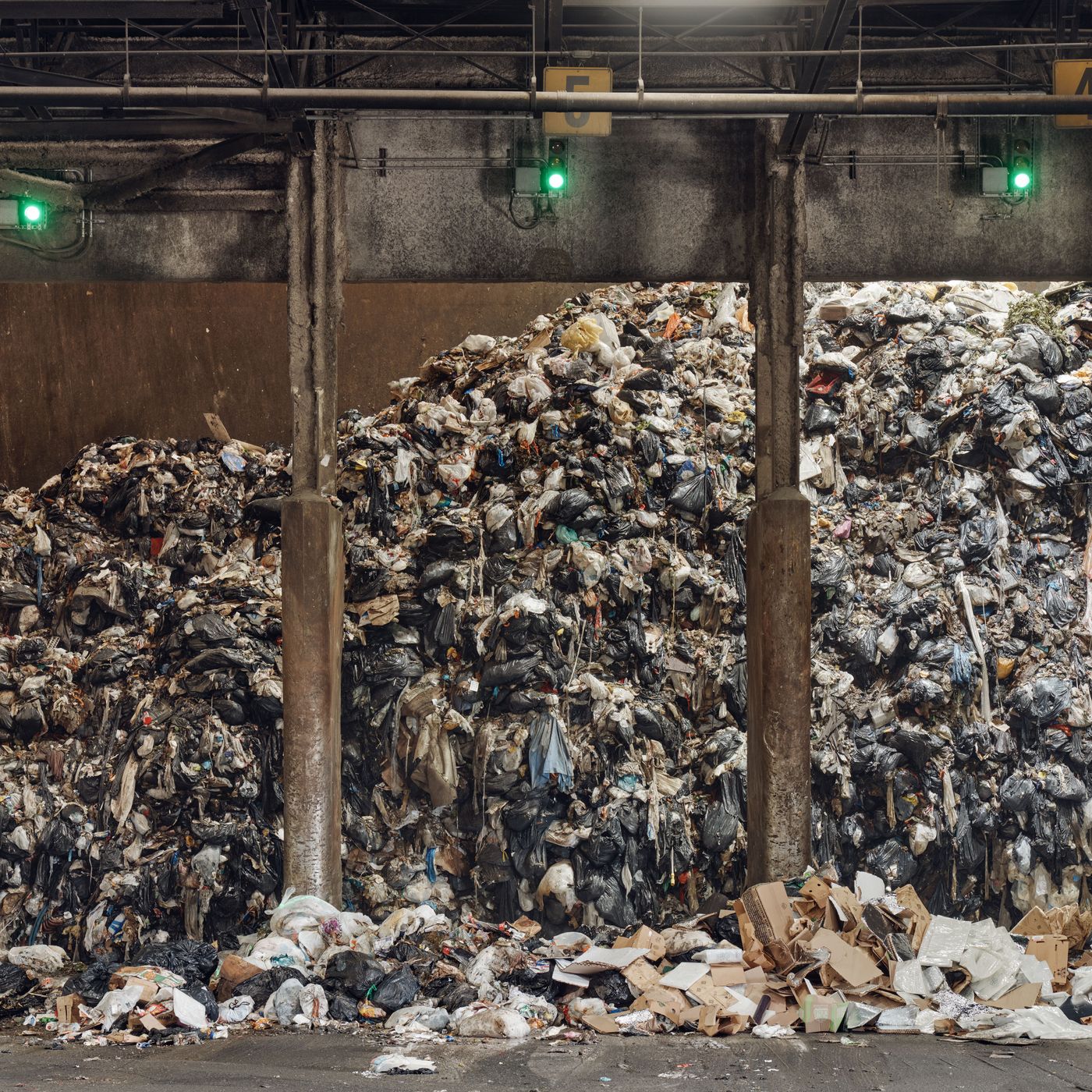
The Inception of Waste: Collection and Initial Sorting
The process begins with the meticulous collection of waste from every corner of the five boroughs. Residential buildings, bustling commercial districts, and iconic landmarks all contribute to the daily deluge of discarded materials. The New York City Department of Sanitation (DSNY) is the primary agency responsible for this monumental task, employing a vast fleet of specialized vehicles and a dedicated workforce.
Residential Waste Streams
For most New Yorkers, the journey of their garbage starts at the curb. Single-family homes and smaller apartment buildings typically place their trash and recyclables in designated bins or bags for regular pick-up. The DSNY meticulously separates recyclables from general waste, a crucial first step in diverting materials from landfills. This includes paper, cardboard, glass, metal cans, and certain plastics, all of which are processed through a sophisticated network of Material Recovery Facilities (MRFs).
Commercial Waste Management
Businesses, restaurants, and larger institutions operate under a different set of regulations. While the DSNY handles some commercial waste, a significant portion is managed by private carters. These companies collect waste from their contracted clients and are responsible for its delivery to approved processing facilities. This privatized sector adds another layer of complexity to the city’s waste management landscape, requiring robust oversight to ensure compliance with environmental standards and to prevent illegal dumping.
Special Waste and Bulk Pickups
Beyond the daily grind of regular trash, New York City also manages special waste streams, such as bulk items (furniture, appliances) and electronic waste. These require separate collection schedules and specialized processing. The city encourages residents to properly dispose of these items through designated drop-off sites or scheduled pick-up services to prevent them from overwhelming regular waste streams or ending up in unauthorized locations.
The Transformation Journey: Processing and Recycling
Once collected, New York City’s waste embarks on a transformative journey, where materials are sorted, processed, and, where possible, repurposed. The goal is to maximize recycling and composting efforts, thereby minimizing the amount of waste sent to landfills and incinerators.
Material Recovery Facilities (MRFs)
The heart of New York City’s recycling efforts lies within its Material Recovery Facilities. These are highly automated plants where commingled recyclables are sorted into their respective material types. Advanced technologies, including optical scanners, magnets, and eddy current separators, work in tandem with manual sorting to achieve high levels of purity for each commodity. Paper is baled, glass is crushed, and metals are separated, all destined for reprocessing into new products. The efficiency of these facilities is paramount, directly impacting the volume of recycled materials that can re-enter the economy.
Composting Initiatives
In recent years, New York City has placed a growing emphasis on composting food scraps and yard waste. This organic material, which would otherwise decompose anaerobically in landfills and produce methane, a potent greenhouse gas, can be transformed into nutrient-rich compost. The city operates several composting facilities, processing both residential and commercial organic waste. While still a developing area, the expansion of composting programs is a vital step towards a more circular economy and a reduction in the city’s environmental footprint.
Waste-to-Energy Plants

For the portion of waste that cannot be recycled or composted, incineration at waste-to-energy (WTE) plants has been a significant part of New York City’s strategy. These facilities burn non-recyclable waste under controlled conditions, generating electricity and significantly reducing the volume of ash that needs to be disposed of. The largest of these is the Wheelabrator Saugus plant, which processes a substantial amount of the metropolitan area’s waste. Modern WTE plants are equipped with advanced pollution control technologies to minimize emissions.
The Final Frontier: Disposal and Environmental Considerations
Despite robust recycling and waste-to-energy efforts, a residual amount of waste still requires final disposal, typically in landfills. The environmental implications of landfilling are a significant concern, driving the city’s continuous efforts to reduce waste generation and maximize diversion strategies.
Landfills: A Declining Option
Historically, New York City relied heavily on local and out-of-state landfills to manage its solid waste. However, concerns over landfill capacity, environmental impact, and transportation costs have led to a gradual shift away from this model. The city is actively working to minimize its reliance on landfills, exploring alternative disposal methods and, more importantly, strategies to prevent waste from reaching that stage in the first place.
The Role of Out-of-State Disposal
A substantial portion of New York City’s residual waste is transported to landfills in other states, primarily in Pennsylvania, Virginia, and Ohio. This transportation adds significant costs and environmental burdens due to the trucking involved. The management of these out-of-state disposal contracts is a complex logistical undertaking, highlighting the interconnectedness of regional waste management systems.
Addressing the Environmental Impact
The environmental impact of waste management is a paramount concern for New York City. From greenhouse gas emissions associated with decomposition in landfills to the energy required for transportation and processing, every step in the waste cycle has an environmental footprint. The city is investing in cleaner technologies, promoting waste reduction initiatives, and exploring innovative solutions like anaerobic digestion for organic waste to mitigate these impacts. Public awareness campaigns encouraging responsible consumption and waste separation are also crucial in this ongoing effort.
Future Directions: Towards a Sustainable Waste Future
New York City is not static; its waste management strategies are continually evolving to meet the challenges of a growing population and an increasing demand for environmental stewardship. The focus is shifting from simple disposal to resource recovery and a truly circular economy.
The “One Bin for All” Debate
The concept of “one bin for all,” where all waste is collected together and then sorted at advanced facilities, is a topic of ongoing discussion. Proponents argue it could simplify collection and potentially increase the capture of recyclables that might otherwise be discarded. However, critics raise concerns about contamination rates and the overall efficiency of such a system, emphasizing the importance of source separation for maximizing material quality.
Extended Producer Responsibility (EPR)
The principle of Extended Producer Responsibility (EPR) is gaining traction. This approach holds manufacturers and brand owners responsible for the end-of-life management of their products and packaging. By incentivizing producers to design products that are more durable, repairable, and recyclable, EPR can significantly reduce the burden on municipal waste systems and foster innovation in sustainable product design.
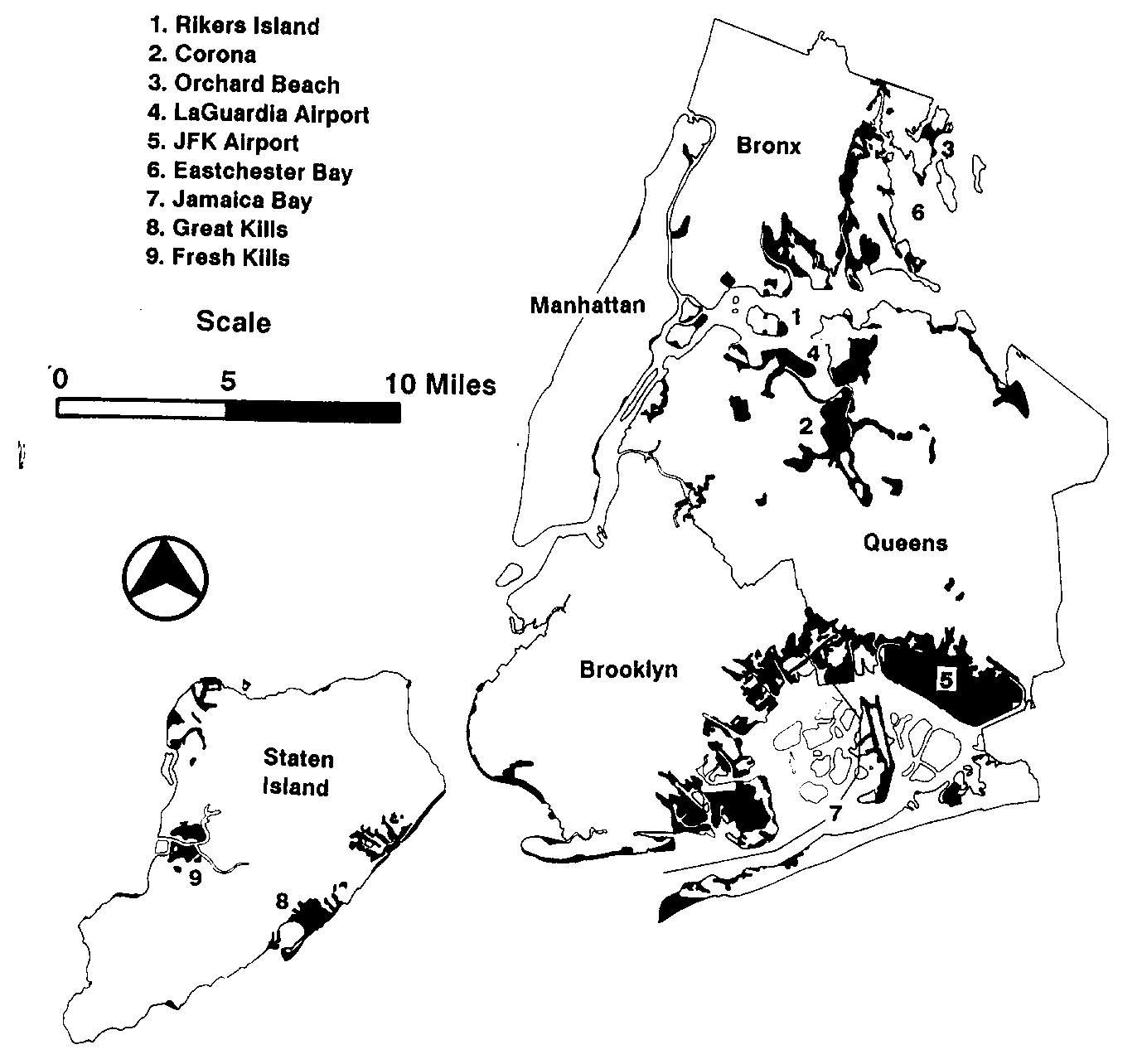
Embracing Innovation and Technology
The future of waste management in New York City hinges on embracing innovation and technology. This includes advanced sorting technologies, improved composting and anaerobic digestion processes, and data-driven approaches to optimize collection routes and resource allocation. The city is actively exploring pilot programs and partnerships to test and implement cutting-edge solutions that can transform waste from a problem into a valuable resource. The ongoing commitment to reducing, reusing, and recycling remains the bedrock of New York’s endeavor to manage its massive waste stream effectively and sustainably.
LifeOutOfTheBox is a participant in the Amazon Services LLC Associates Program, an affiliate advertising program designed to provide a means for sites to earn advertising fees by advertising and linking to Amazon.com. Amazon, the Amazon logo, AmazonSupply, and the AmazonSupply logo are trademarks of Amazon.com, Inc. or its affiliates. As an Amazon Associate we earn affiliate commissions from qualifying purchases.