
Chicago’s Dynamic Urban Landscape: A Hub for Expression
Chicago, a city celebrated for its architectural marvels, vibrant arts scene, and culinary excellence, is also a city with a rich history of civic engagement and public demonstration. For visitors exploring the Windy City, understanding the pulse of its local culture often includes an awareness of where and why protests or public gatherings might occur. These demonstrations are an integral part of Chicago’s identity, reflecting its diverse population and its role as a significant urban center.
The question “Where are Chicago protests?” is not merely about avoiding inconvenience, but rather about understanding the city’s living, breathing social fabric. Tourists keen on experiencing the authentic spirit of a destination will find that public expression is a powerful facet of Chicago’s character. While the specific issues change, the locations for public assembly often remain consistent, rooted in historical precedent and logistical considerations. Awareness can enhance a visitor’s experience, whether it’s by simply being informed, adjusting travel plans, or even, for some, respectfully observing the democratic process unfold.

Historical Roots of Activism in the Windy City
Chicago’s legacy as a center for social and political activism dates back to the 19th century, with significant moments like the Haymarket Affair influencing labor movements globally. The city has long been a crossroads for diverse communities and ideologies, fostering environments where public discourse and protest are common. From the civil rights movement to contemporary calls for social justice, Chicago’s streets have often served as a stage for powerful collective action. This historical context explains why public demonstrations are a recurring feature of the urban landscape, making it prudent for tourists to have a general understanding of these dynamics. Observing or being aware of protests can offer a unique, if sometimes challenging, glimpse into the city’s ongoing narrative and its citizens’ concerns.
Common Locales for Civic Engagement
While the specific destination for a protest can vary based on its cause and organizers, several areas in Chicago have historically served as focal points for public gatherings due to their visibility, accessibility, and symbolic significance. Knowing these common locales can help tourists anticipate areas where they might encounter demonstrations, allowing for better planning and navigation.
The Heart of the City: The Loop and Downtown
The Loop and the broader downtown area are consistently primary locations for protests in Chicago. This is largely due to the concentration of governmental buildings, corporate headquarters, and major public spaces, making them ideal for high-visibility demonstrations.
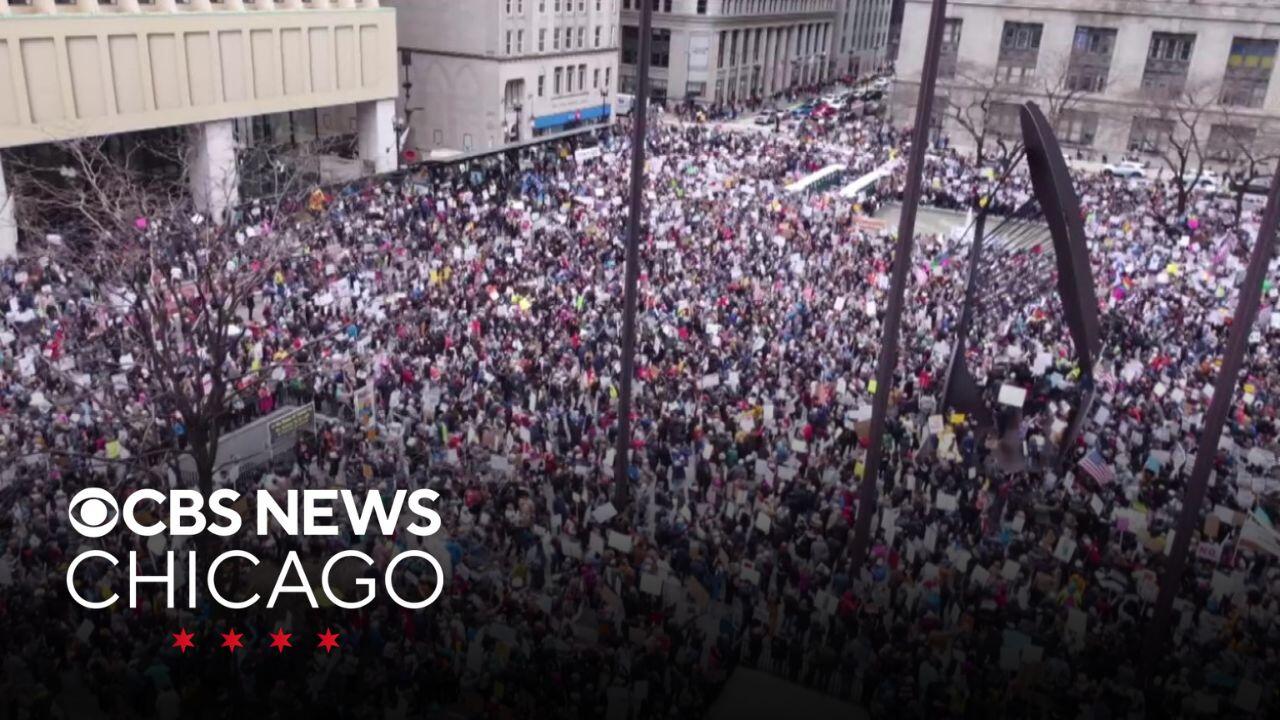
- Daley Plaza: Located in front of the Richard J. Daley Center, Daley Plaza is perhaps the most iconic protest site in Chicago. Its wide-open space, the presence of the famous Picasso sculpture, and its central location make it a preferred spot for rallies and speeches. Tourists visiting the Loop for its architecture or the nearby Art Institute of Chicago might find themselves in the vicinity of such gatherings.
- Federal Plaza: Another significant site, situated across from the Dirksen Federal Building and featuring the Flamingo sculpture by Alexander Calder, Federal Plaza is a common destination for protests targeting federal policies or agencies. Its proximity to other key downtown locations often means protests here can spill over into surrounding streets.
- Michigan Avenue and the Magnificent Mile: These bustling thoroughfares, famous for shopping, dining, and luxury hotels, are frequently chosen for marches and parades due to their high pedestrian traffic and visibility. Protests along Michigan Avenue are designed to capture public attention and media coverage. Tourists staying in downtown hotels or exploring the Magnificent Mile for shopping will want to be aware of potential road closures or increased crowds.
- City Hall and the Thompson Center: As centers of municipal and state government respectively, these buildings naturally attract demonstrations related to local policy, budgeting, and public services. While typically smaller in scale than those in Daley Plaza, they can still impact pedestrian flow in the immediate vicinity.
Iconic Public Spaces: Parks and Plazas
Chicago’s numerous parks and public plazas provide expansive settings for larger assemblies and sustained demonstrations.
- Grant Park and Millennium Park: These vast green spaces, home to attractions like Cloud Gate (The Bean), the Crown Fountain, and the Buckingham Fountain, are popular venues for large-scale rallies and marches. Their size allows for significant numbers of participants, and their prominence makes them ideal for events seeking broad public attention. Tourists visiting these parks for leisure or cultural events should be mindful that they can occasionally host large demonstrations.
- Union Park and Washington Park: While less central for general tourism, these larger neighborhood parks have historical significance for civil rights and community organizing. They may host protests or community gatherings focused on local issues, particularly impacting visitors exploring neighborhoods further afield.
Neighborhood-Specific Gatherings

Beyond the downtown core, protests often occur in specific neighborhoods, targeting local issues or reflecting the concerns of that community. For example, protests related to housing, education, or local policing might take place in areas like Pilsen, Little Village, or Englewood. While these are generally less likely to directly impact the average tourist’s itinerary, visitors exploring diverse cultural neighborhoods should be aware of the localized nature of some civic expressions.
Navigating the City During Demonstrations: A Tourist’s Guide
For tourists, awareness of protests isn’t about avoidance of the city’s “realities,” but rather about ensuring a smooth, safe, and respectful experience. Chicago is a safe city, and protests are generally peaceful and well-managed by the Chicago Police Department. However, they can alter traffic patterns, public transportation routes, and pedestrian access.
Transportation and Accessibility
One of the most immediate impacts of a protest on tourists is on transportation. Marches often lead to street closures, particularly along major arteries like Michigan Avenue or within the Loop.
- Public Transit (CTA): The Chicago Transit Authority (CTA) trains (the ‘L’) and buses are usually affected. Bus routes may be rerouted, and ‘L’ train stations might experience temporary closures or increased crowds. It is highly advisable to check the CTA website or app for real-time alerts and service changes, especially if you plan to travel through downtown during peak hours or on weekends.
- Ride-Shares and Taxis: Services like Uber, Lyft, and traditional taxis can be heavily impacted by street closures, leading to longer travel times and surge pricing. Consider walking if your destination is within a reasonable distance or utilizing the unaffected ‘L’ lines.
- Walking: Many of Chicago’s attractions are walkable from the Loop and surrounding areas. Walking can be the most reliable way to navigate downtown during a protest, but be mindful of crowd density and follow any instructions from law enforcement.
Safety and Awareness for Visitors
The vast majority of protests in Chicago are non-violent and occur without incident. However, as with any large gathering, it’s wise for tourists to prioritize personal safety.
- Maintain Distance: Unless you intend to participate, it’s generally best to observe from a respectful distance. Avoid getting drawn into the heart of a large crowd, particularly if you are unfamiliar with the dynamics of large public assemblies.
- Stay Aware of Surroundings: Pay attention to instructions from law enforcement officers. If an area is cordoned off or you are advised to move, comply promptly.
- Secure Personal Belongings: In any crowded environment, including large public gatherings, be extra vigilant with your wallet, phone, and other valuables.
- Emergency Services: Know how to contact local emergency services (911 in the U.S.) if needed.
Embracing Chicago’s Full Spectrum
Understanding where protests occur allows tourists to make informed decisions about their itinerary. It doesn’t mean avoiding Chicago or its vibrant downtown. Rather, it offers an opportunity to appreciate the city’s full spectrum – from its stunning architecture and world-class museums like the Field Museum and Shedd Aquarium, to its dynamic social and political life. For some, witnessing a peaceful protest can be an insightful experience, providing a deeper understanding of American democracy and the local community’s concerns. For others, it’s about smoothly navigating the city to enjoy attractions such as the Willis Tower Skydeck, a boat tour on the Chicago River, or a leisurely stroll along Lake Michigan.
Staying Informed: Essential Tips for Visitors
Being well-informed is key to a seamless travel experience in any major city, especially one as dynamic as Chicago.
- Local News Outlets: Check reputable local news sources like the Chicago Tribune, Chicago Sun-Times, or local TV news channels (e.g., WGN, NBC 5 Chicago) for daily updates on planned demonstrations, street closures, and public safety advisories. Many have online portals or apps.
- Social Media: Follow official city accounts (e.g., Chicago Office of Emergency Management and Communications) or local news outlets on platforms like Twitter for real-time alerts.
- Hotel Concierge: Your hotel concierge can be an excellent resource for local information and advice on navigating the city.
- CTA Alerts: Sign up for CTA alerts or regularly check their website/app for service impacts.
By staying aware and informed, tourists can confidently explore Chicago, enjoying all its attractions while navigating its vibrant urban environment with ease and respect for its local culture and civic life. The city offers an endless array of experiences, from the cultural richness of Navy Pier to the serene beauty of Lincoln Park Zoo, and understanding its dynamic pulse only adds to its allure.
LifeOutOfTheBox is a participant in the Amazon Services LLC Associates Program, an affiliate advertising program designed to provide a means for sites to earn advertising fees by advertising and linking to Amazon.com. Amazon, the Amazon logo, AmazonSupply, and the AmazonSupply logo are trademarks of Amazon.com, Inc. or its affiliates. As an Amazon Associate we earn affiliate commissions from qualifying purchases.