
When planning a visit to a major urban center like Chicago, or even considering a move, understanding its governance structure is key to appreciating its unique character and operational dynamics. It’s a common misconception, however, to inquire about the “Governor of Chicago.” The truth is, cities do not have governors. Governors preside over states, while cities are led by mayors. Chicago, as the largest city in Illinois, operates under a mayoral system, while the entire state of Illinois is overseen by its governor. This distinction is crucial for understanding how decisions are made, services are delivered, and policies are shaped, all of which directly impact the daily lives of residents and the experiences of visitors to this vibrant metropolis.
Understanding Chicago’s Governance: Mayor vs. Governor
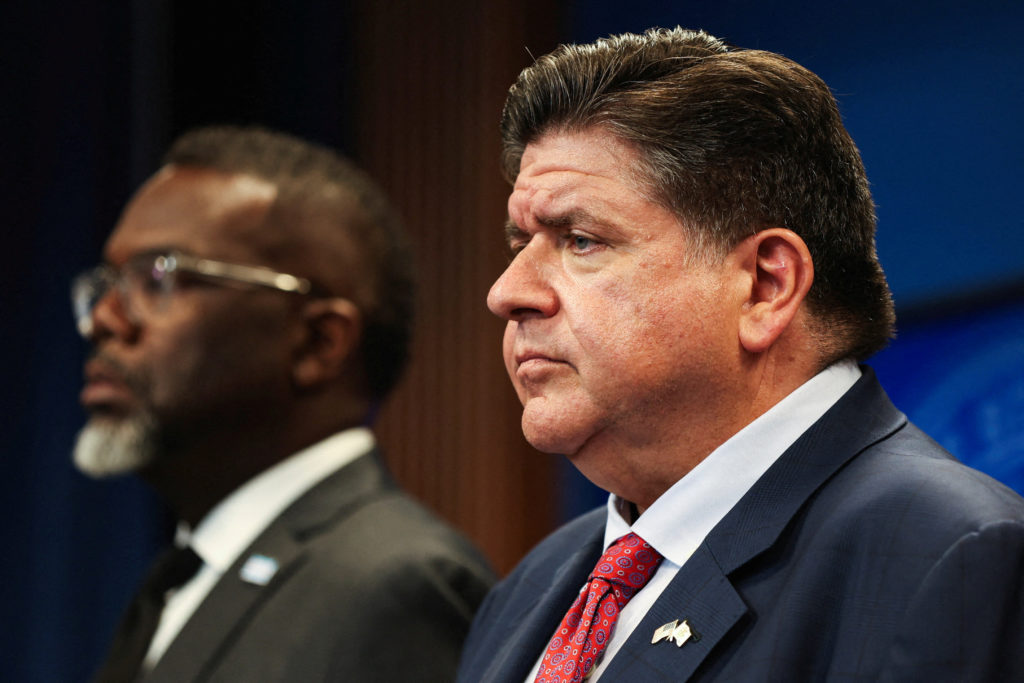
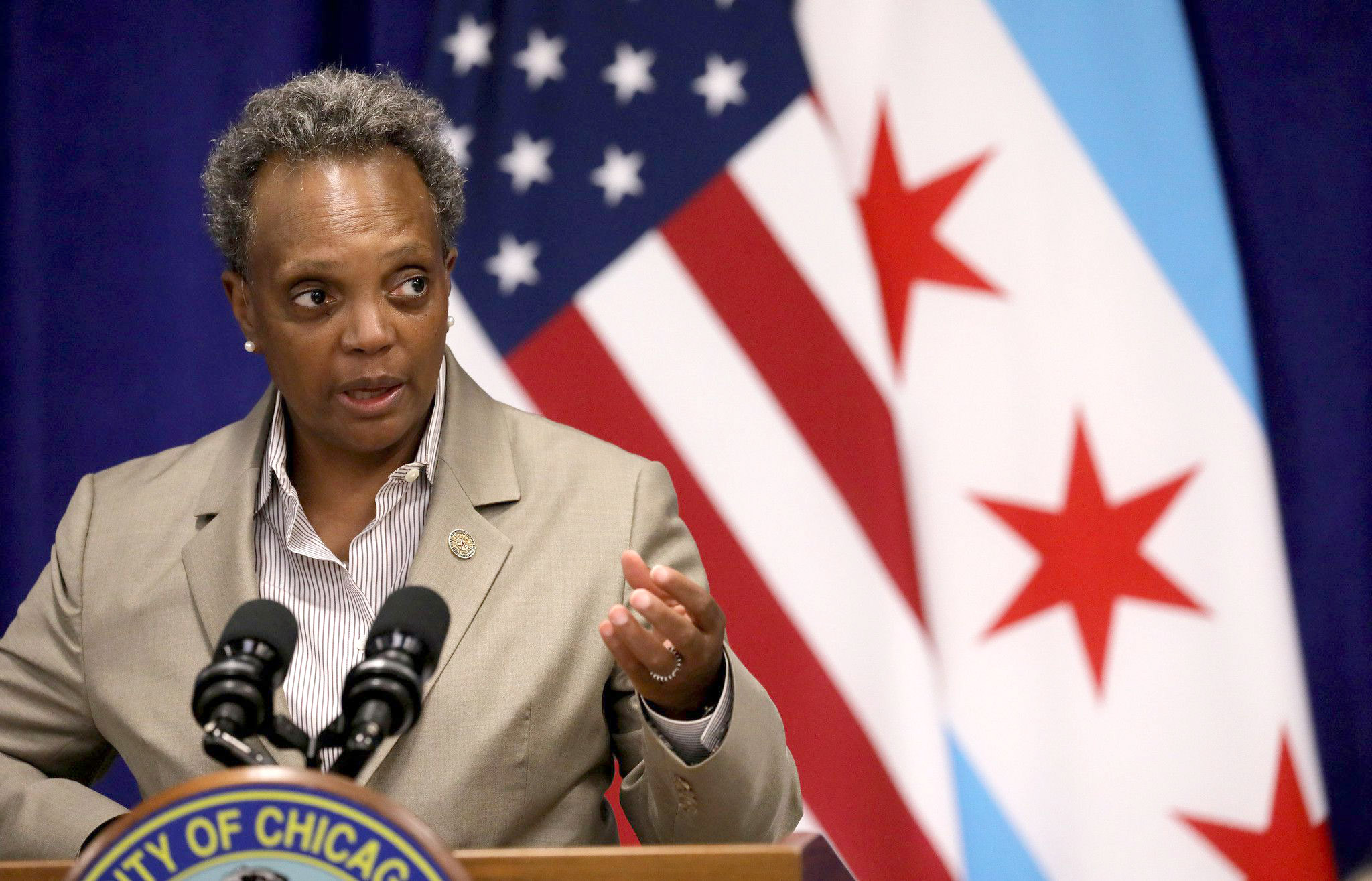
The governance of Chicago is a two-tiered system, with municipal leadership managing city-specific affairs and state leadership addressing broader, statewide issues. At the helm of Chicago’s city government is the Mayor of Chicago, who serves as the chief executive officer. This individual is responsible for the administration and management of all city services, departments, and public initiatives, from urban planning and public safety to education and cultural programming. The current Mayor of Chicago is Brandon Johnson, who assumed office in May 2023, following an election focused on critical urban issues such as public safety, economic equity, and education.
Conversely, the state of Illinois is led by the Governor of Illinois, who holds executive authority over the entire state, encompassing all its cities, towns, and rural areas. The governor’s purview includes statewide policy-making, budget allocation for state agencies, intergovernmental relations, and emergency management for the entire state. The current Governor of Illinois is J.B. Pritzker, who has been in office since January 2019. His administration has focused on issues such as fiscal stability, infrastructure development, healthcare expansion, and environmental protection across Illinois. While the governor’s decisions affect Chicago significantly due to its status as the state’s economic and cultural hub, the governor does not directly manage Chicago’s municipal operations. Understanding these distinct roles is fundamental to grasping the political landscape and administrative functions that shape the destination.
The Mayor of Chicago: Shaping the Urban Landscape
The Mayor of Chicago holds immense power and responsibility, directly influencing nearly every facet of urban life and the visitor experience. As the chief executive, the mayor leads a vast municipal government, overseeing countless departments and agencies.
Executive Powers and Responsibilities
The mayor’s office in Chicago is a powerhouse of executive authority. Key responsibilities include managing the city’s multi-billion dollar budget, appointing department heads (such as the superintendents of the police and fire departments, and commissioners for transportation and planning), and proposing legislation to the Chicago City Council. The mayor is the ultimate decision-maker on matters ranging from public safety strategies and infrastructure projects to housing initiatives and environmental policies. For instance, the mayor determines the direction of the Chicago Police Department, impacting crime rates and community relations, and guides the development of public transportation, ensuring that the CTA ( Chicago Transit Authority) continues to serve millions of commuters and tourists efficiently. Economic development is another critical area, with the mayor actively working to attract businesses, create jobs, and foster innovation, which in turn fuels the city’s vibrant dining, shopping, and entertainment scenes that draw visitors from around the globe.
Impact on Daily Life and Tourist Experiences
The decisions made by the Mayor of Chicago profoundly shape the daily experiences of both residents and tourists. Public services like garbage collection, street cleaning, and snow removal directly affect the city’s aesthetic and navigability. Mayoral policies on park maintenance ensure iconic green spaces like Millennium Park and Lincoln Park remain pristine and accessible for recreation and cultural events. The mayor’s stance on cultural funding can boost the city’s world-class museums, theaters, and music venues, enhancing Chicago’s reputation as a global cultural destination. Furthermore, the mayor’s leadership in city planning dictates everything from zoning regulations for new skyscrapers to the preservation of historic architecture, directly influencing the iconic skyline and distinct neighborhood characters that define Chicago. The quality of public education, availability of affordable housing, and overall civic engagement are also direct outcomes of mayoral leadership, creating a holistic urban environment.
Key Initiatives and Vision for the City

Each Mayor of Chicago brings a unique vision for the city, often reflected in signature initiatives. Common themes for modern mayoral administrations in Chicago include enhancing public safety through community-based programs, fostering economic growth in underserved neighborhoods, investing in green infrastructure and sustainable practices, and expanding access to quality education and healthcare. For instance, a mayor might champion new public-private partnerships to revitalize neglected areas, launch ambitious public art programs to enrich the cultural landscape, or advocate for policies that address climate change resilience. These initiatives not only aim to improve the quality of life for residents but also contribute to Chicago’s appeal as a dynamic and progressive global city, offering diverse experiences for every visitor. The mayor’s leadership is thus instrumental in defining Chicago’s trajectory and identity on both local and international stages.
The Governor of Illinois: Broader State Influence
While the Mayor of Chicago manages the city’s daily affairs, the Governor of Illinois operates on a much broader canvas, overseeing the entire state. Nevertheless, the governor’s decisions and policies have significant ramifications for Chicago, impacting its infrastructure, economy, and the overall well-being of its inhabitants.
Statewide Authority and Intergovernmental Relations
The Governor of Illinois serves as the chief executive of the state, responsible for implementing state laws, managing state agencies, and preparing the state budget. This role involves considerable influence over areas such as state taxation, environmental regulations, public health mandates, and the administration of justice across Illinois. Crucially, the governor also plays a vital role in intergovernmental relations, acting as the primary liaison between Illinois and the federal government, as well as coordinating with county and municipal leaders, including the Mayor of Chicago. State-level decisions on funding for major transportation projects, such as upgrades to highways or expansions of commuter rail services like Metra, directly benefit Chicago’s connectivity and economic vitality. Similarly, statewide public health policies, particularly evident during public health crises, directly influence how businesses and public spaces operate within the city, affecting both residents and visitors.
Economic and Social Policies Affecting Chicago
The economic and social policies enacted by the Governor of Illinois profoundly shape the environment in which Chicago thrives. State budget allocations dictate funding for public education, from K-12 schools to state universities, impacting the quality of the workforce and the intellectual capital available to Chicago’s diverse industries. State-level tax policies, including corporate and income taxes, influence the business climate, affecting companies that choose to locate or expand in Chicago. Social programs managed by the state, such as those related to housing assistance, healthcare access (including Medicaid expansion), and mental health services, provide a crucial safety net for many Chicago residents. Furthermore, state support for cultural institutions, parks, and tourism initiatives through various grants and programs helps to bolster Chicago’s reputation as a world-class destination. The governor’s legislative agenda can also introduce or repeal laws that affect everything from gun control to worker rights, all of which resonate within the city limits.
Navigating the State-City Dynamic
The relationship between the Governor of Illinois and the Mayor of Chicago is often a complex dance of cooperation and occasional contention. While both leaders share common goals for the prosperity and well-being of their constituents, their respective jurisdictions and political priorities can sometimes lead to different approaches. For instance, city leaders might advocate for specific funding for Chicago-centric projects, while the governor must consider the needs of all 102 counties in Illinois. This dynamic plays out in critical areas such as state funding for Chicago Public Schools, support for the CTA, and state legislative decisions that impact municipal powers or revenue streams. A strong, collaborative working relationship between the governor and mayor is often beneficial for Chicago, enabling coordinated efforts on major infrastructure projects, economic development strategies, and responses to emergencies. This interplay underscores the intricate layers of governance that define a major metropolitan area within a larger state framework.
Why This Distinction Matters for Travelers and Residents
Understanding the separate yet intertwined roles of the Mayor of Chicago and the Governor of Illinois is more than just a matter of political trivia; it’s essential for anyone engaging with Chicago as a destination, a place of residence, or a business hub. For travelers, knowing who is responsible for what helps demystify local regulations and services. For instance, questions about public transportation fares, park hours, or city-specific events typically fall under the mayor’s jurisdiction and city departments. Concerns about statewide smoking bans, driving regulations, or state park access, however, would be addressed at the gubernatorial level. This knowledge empowers visitors to better understand the rules and services that enhance their travel experience.
For residents, this distinction is fundamental to civic engagement and understanding daily life. If a resident has a concern about local schools, potholes on a city street, or the presence of local police, they would direct their inquiries to the city government, specifically the mayor’s office or relevant city departments. If the issue pertains to statewide taxes, unemployment benefits, or state-funded healthcare programs, the governor’s office and state agencies would be the appropriate point of contact. This clarity helps individuals navigate bureaucracy, advocate for their needs, and participate effectively in local and state politics. For potential business owners or entrepreneurs, discerning between city and state governance is critical for understanding licensing requirements, tax structures, and economic development incentives. City zoning laws, permits for construction, and local business grants fall under mayoral purview, while state-level regulations, corporate taxes, and statewide workforce development programs are influenced by the governor.
In essence, whether you’re planning a weekend getaway to experience Chicago’s architectural wonders and culinary scene, considering a long-term relocation, or simply seeking a deeper understanding of this iconic American city, recognizing the roles of its city mayor and state governor provides a comprehensive guide to its operational heart. It underscores that Chicago is not merely a geographic point but a complex, governed entity shaped by both local leadership and broader state policies, all contributing to its unique identity and appeal.
LifeOutOfTheBox is a participant in the Amazon Services LLC Associates Program, an affiliate advertising program designed to provide a means for sites to earn advertising fees by advertising and linking to Amazon.com. Amazon, the Amazon logo, AmazonSupply, and the AmazonSupply logo are trademarks of Amazon.com, Inc. or its affiliates. As an Amazon Associate we earn affiliate commissions from qualifying purchases.